Banff Ski Vacation: A Complete Guide to the Canadian Rockies' Finest Skiing
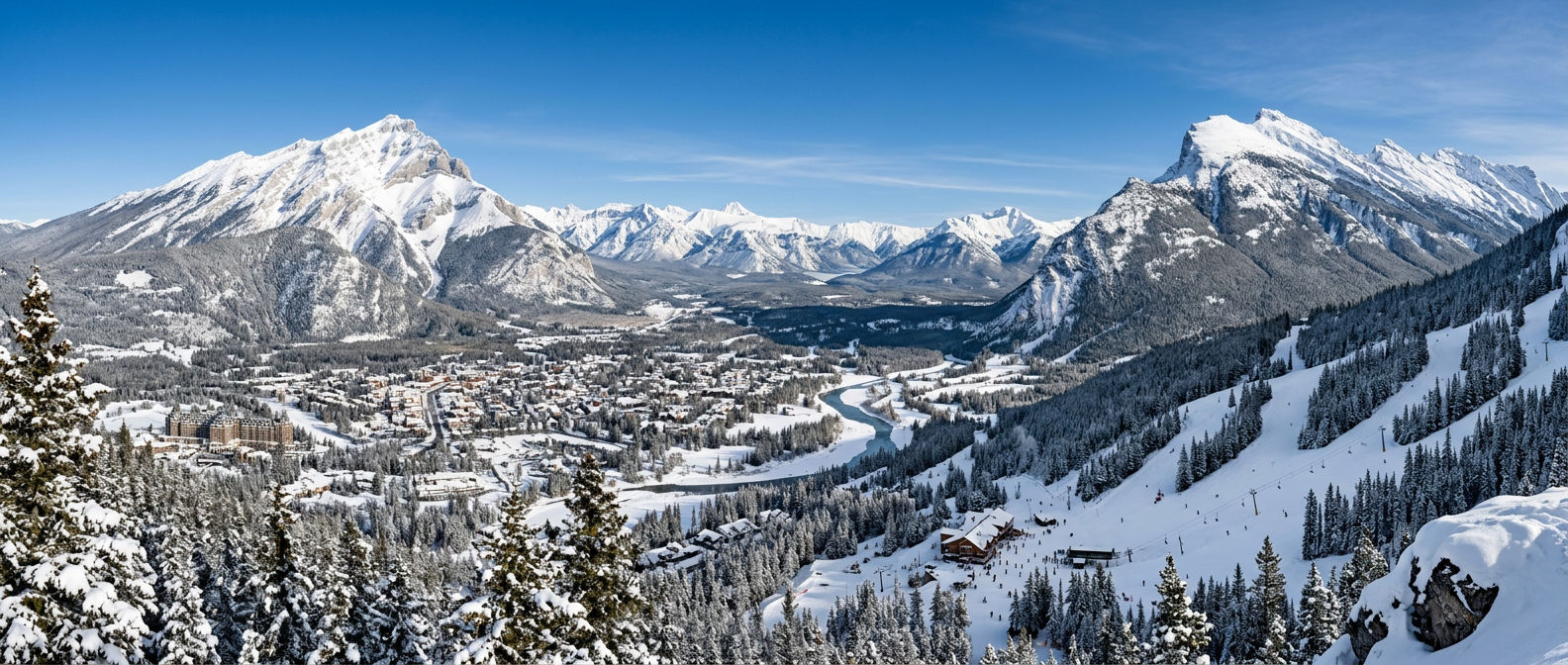
A Banff ski vacation delivers what most North American ski trips promise but rarely provide: genuine wilderness skiing within a national park, three distinct resorts accessible on a single pass, and a real mountain town — not a purpose-built village — to return to each evening. The combination of Lake Louise's vast alpine terrain, Sunshine Village's high-elevation powder, and the town of Banff itself makes this one of the most complete ski destinations on the continent.
This guide covers the practical details of planning a trip: which resort suits your skiing, when to go, what a week costs, and the decisions that separate a good Banff ski vacation from a great one.
Three Resorts, One National Park
Banff National Park is home to three ski resorts that operate under the SkiBig3 banner: Lake Louise Ski Resort, Sunshine Village, and Mt. Norquay. Each has a distinct personality, and a well-planned Banff ski vacation includes time at more than one.
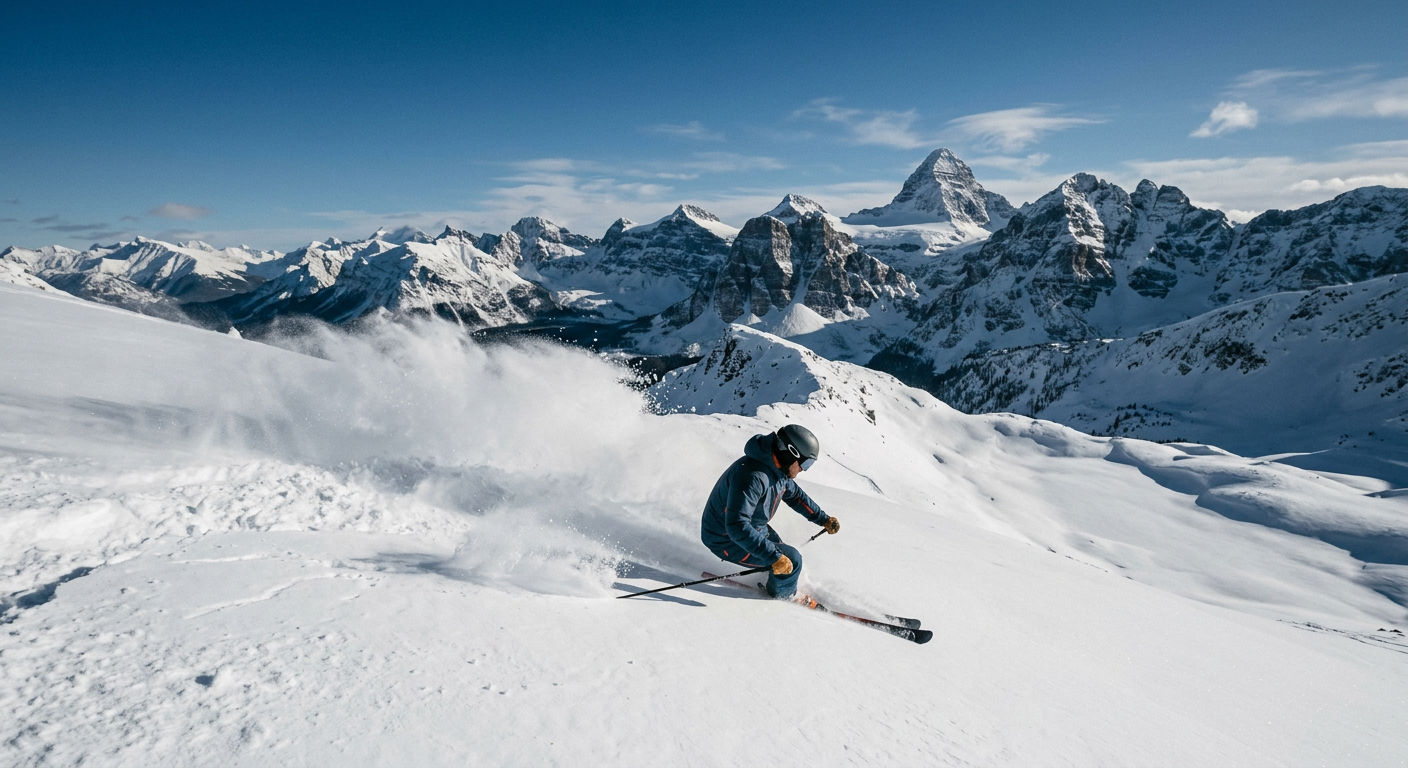
Lake Louise is the headliner. With 4,200 skiable acres spread across four mountain faces, it offers the most terrain in the Canadian Rockies. The back bowls — particularly Boomerang and Whitehorn — collect dry Rocky Mountain powder and hold it well thanks to north-facing aspects above 2,400 metres. Intermediates will find long, well-groomed front-side runs, while advanced skiers can spend days exploring the back bowls and steep chutes off the Summit Platter.
Sunshine Village sits at the highest base elevation of any major Canadian resort at 2,160 metres, which translates to a long season — typically early November through late May — and consistently dry snow. The resort's 3,358 acres include the wide-open terrain of Lookout Mountain and the steep, technical runs of Goat's Eye. Sunshine receives an average of 9 metres (roughly 30 feet) of natural snowfall annually, among the highest in the Canadian Rockies.
Mt. Norquay is the locals' mountain, just six minutes from Banff townsite. Its 190 acres won't fill a week, but it serves a purpose: uncrowded morning runs, a well-regarded terrain park, and night skiing on Fridays and Saturdays. It's also the most affordable option for a casual half-day.
| Resort | Skiable Acres | Vertical Drop | Base Elevation | Avg. Snowfall |
|---|---|---|---|---|
| Lake Louise | 4,200 | 1,000m | 1,646m | 4.5m |
| Sunshine Village | 3,358 | 1,070m | 2,160m | 9.0m |
| Mt. Norquay | 190 | 503m | 1,636m | 3.0m |
When to Plan a Banff Ski Vacation
The Banff ski season runs from early November through late May, one of the longest in North America. But timing matters more than duration.
January and February deliver the coldest temperatures — regularly dipping below -20C — but also the driest, lightest powder. If you can tolerate the cold (and dress for it), mid-January through mid-February typically offers the best snow quality with moderate crowds outside of holiday weeks.
March is the sweet spot for most visitors. Temperatures moderate to -5C to -10C, daylight hours lengthen noticeably, and the snowpack is at its deepest. Spring break periods (mid-March) bring higher lift-line volumes, but the weeks before and after remain relatively uncrowded.
Late November and early December suit those who prefer quiet slopes. Lake Louise and Sunshine Village are typically open by mid-November, and early-season snowfall in the Rockies can be surprisingly generous. Terrain coverage may be limited to upper-mountain runs, but you'll have them largely to yourself.
April and May bring spring skiing at Sunshine Village, which often stays open into the last week of May. Corn snow, warmer temperatures, and deep discounts on accommodation make late season an underrated window for a Banff ski vacation.
What a Week in Banff Actually Costs
Banff occupies an interesting position in the ski market: world-class terrain at prices well below equivalent resorts in the Alps, and increasingly competitive with major US destinations when factoring in the favourable exchange rate for American visitors.
A realistic budget for a week-long Banff ski vacation for two adults:
| Category | Budget Range (CAD) | Notes |
|---|---|---|
| Accommodation | $1,400–$4,500 | Hotel in Banff town to private chalet |
| Lift Passes | $1,200–$1,600 | SkiBig3 multi-day pass for two |
| Equipment Rental | $400–$700 | Performance ski package for two |
| Meals & Dining | $700–$1,400 | Mix of self-catering and restaurants |
| Airport Transfer | $200–$400 | Calgary to Banff shuttle or private car |
| Total | $3,900–$8,600 | Approx. $2,800–$6,200 USD |
The SkiBig3 lift pass is the most cost-effective way to ski all three resorts. A six-day pass typically runs $650-$800 CAD per adult, depending on when you purchase. Buying 14 or more days in advance unlocks the best pricing. The pass includes free shuttle buses between Banff and all three resorts — a detail worth noting, as it eliminates the need for a rental car if you're staying in town.
Where to Stay for a Banff Ski Vacation
Accommodation in Banff falls into three categories, each with trade-offs worth understanding before you book.
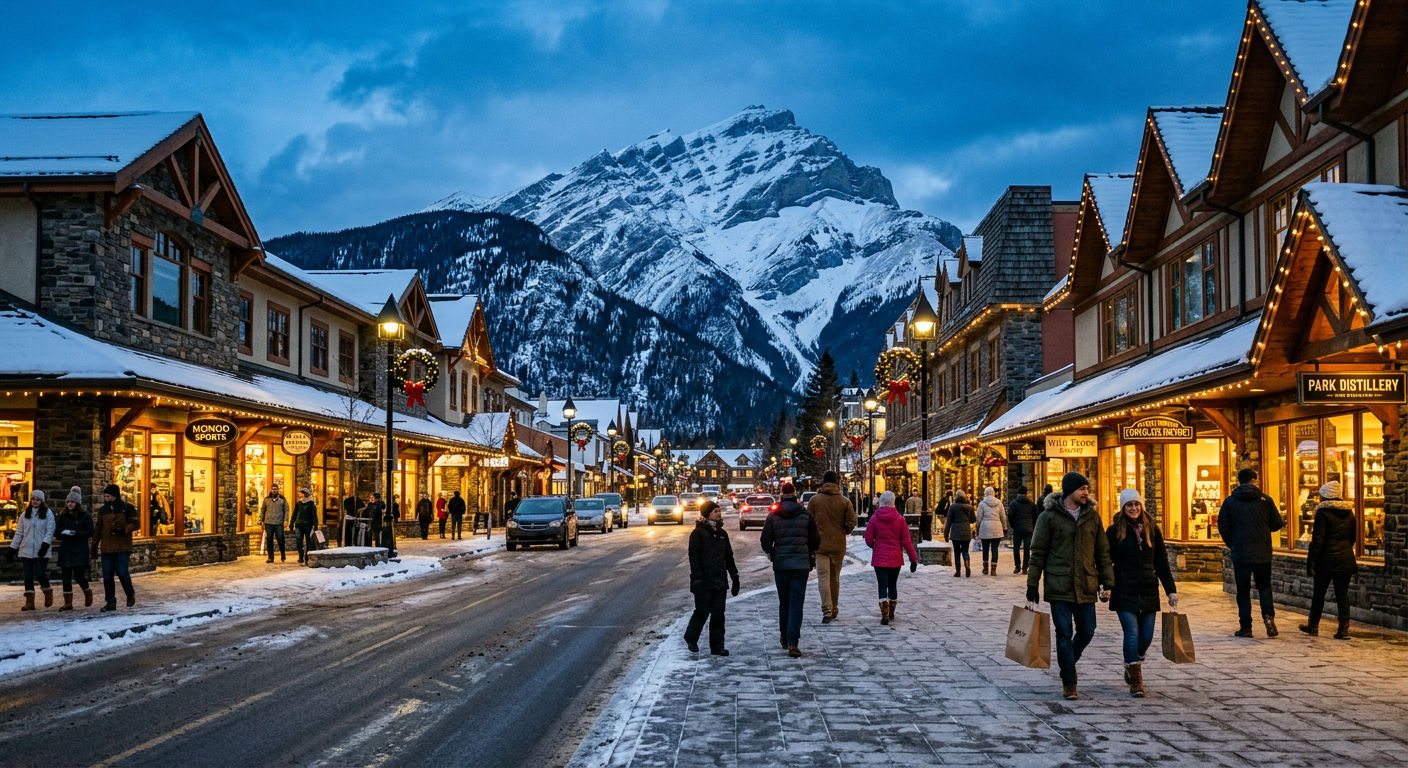
Banff townsite is where most visitors stay, and for good reason. The town sits centrally between all three resorts, offers a walkable main street with independent restaurants and shops, and provides access to the free SkiBig3 shuttle. Hotels range from well-priced lodges to the landmark Fairmont Banff Springs. The trade-off: you're 20-40 minutes from the slopes by shuttle, which means an early alarm if you want first chair.
Lake Louise village puts you closer to the largest resort. The Fairmont Chateau Lake Louise and a small cluster of lodges and hostels sit at the base of the ski area. It's ideal if Lake Louise is your primary focus, but the village is sparse compared to Banff — limited dining, no real town centre, and farther from Sunshine Village.
Private chalets and vacation rentals offer the most space and privacy, particularly for families or groups. Properties in and around Canmore — 20 minutes east of Banff — tend to offer better value than equivalent rentals within the park. Look for homes with hot tubs, boot warmers, and mudrooms — practical amenities that improve daily life during a ski week.
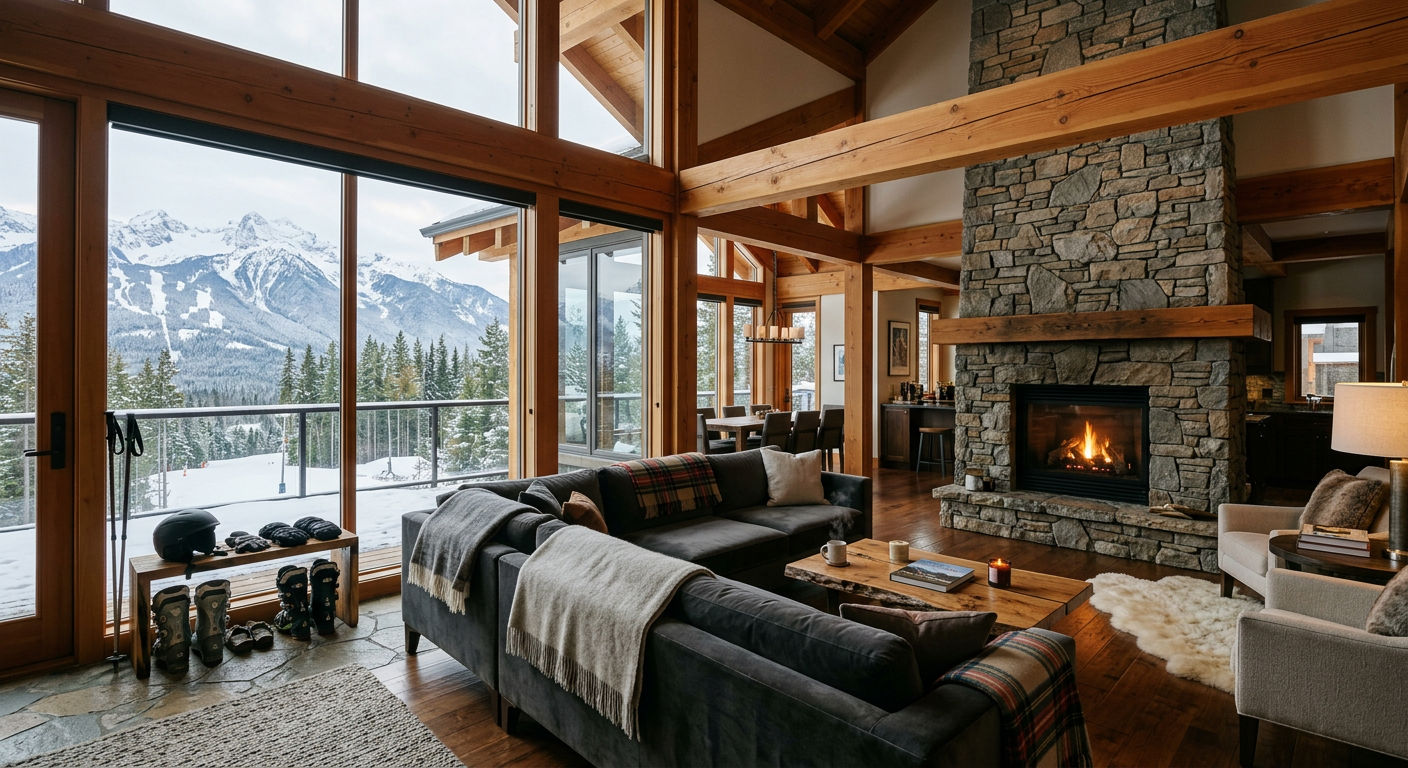
For the best combination of convenience, dining, and après-ski, Banff townsite remains the strongest choice. The shuttle system works well, and having a proper town to explore after skiing adds dimension to the trip that isolated resort bases rarely match.
Getting to Banff from Calgary
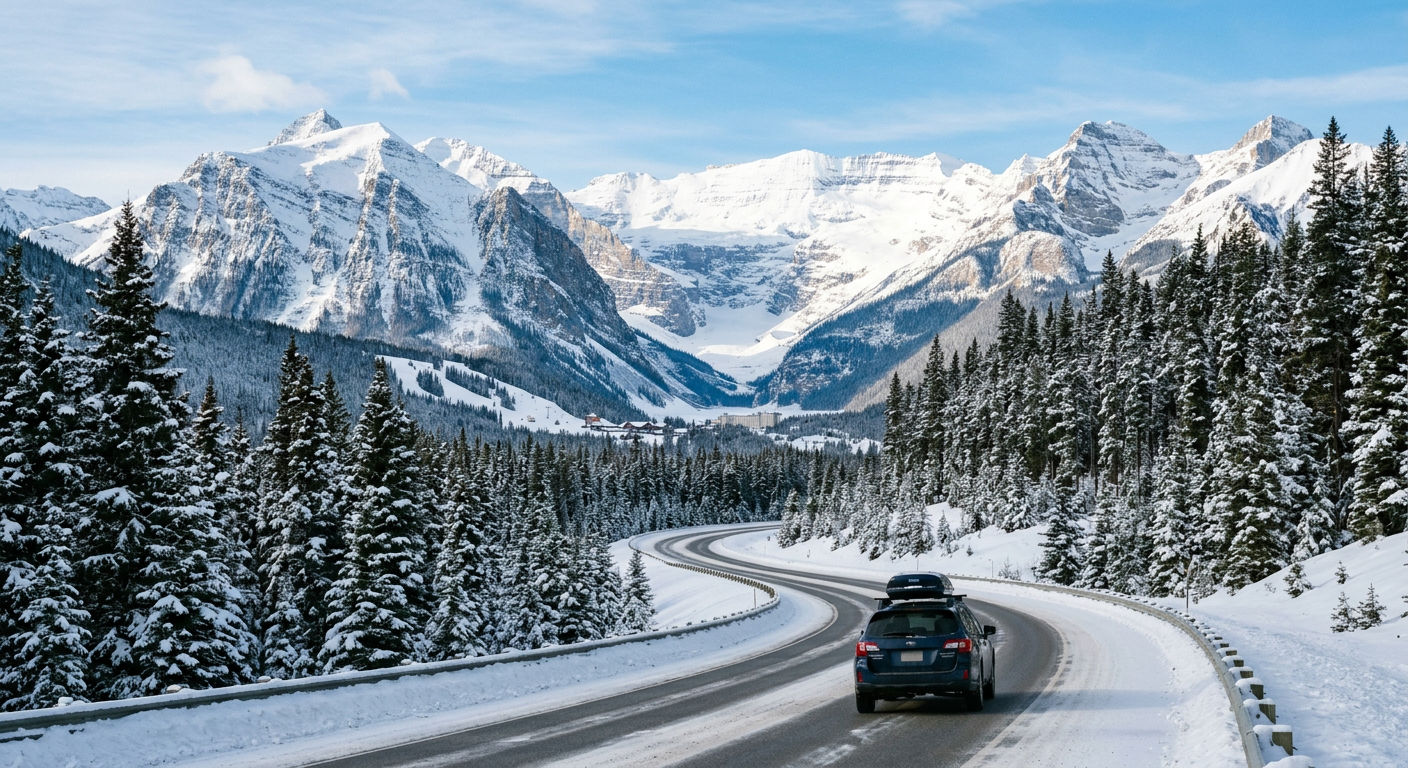
Calgary International Airport (YYC) is the gateway, sitting approximately 130 kilometres east of Banff. Transfer time is typically 90 minutes in good conditions, though winter weather on the Trans-Canada Highway can extend this.
Shuttle services are the most common option. Brewster Express and Banff Airporter run scheduled coaches throughout the day, with fares around $65-$80 CAD one-way per adult. Book in advance during peak periods.
Private transfers cost more ($200-$400 CAD each way for a vehicle) but offer door-to-door service and flexibility — particularly useful if your flight arrives late or you're travelling with young children and ski gear.
Rental cars make sense if you plan to explore beyond the SkiBig3 shuttle routes — visiting Kicking Horse or Panorama, for instance — but are unnecessary for a straightforward Banff ski vacation. Parking at the resorts is free, though lots at Lake Louise and Sunshine can fill on peak days.
One practical note: the drive from Calgary crosses the Continental Divide, and conditions can change rapidly. Winter tires are legally required on this highway between October and April, so confirm your rental includes them.
Tips for Getting the Most from Your Trip
Layer for the cold. Banff's continental climate produces dry cold that feels less biting than wet coastal temperatures, but -20C is still -20C. A merino base layer, insulating mid-layer, and a quality shell is the minimum. Heated gloves and hand warmers are not excessive — they're standard equipment for January and February days.
Start at Sunshine for powder days. After a significant snowfall, Sunshine Village's higher elevation and more exposed terrain tends to hold fresh snow better than Lake Louise's lower runs. The Goat's Eye chair accesses some of the best steep powder in the Canadian Rockies when conditions align.
Use the SkiBig3 shuttle strategically. The shuttle runs on a fixed schedule, and the last bus back to Banff departs earlier than you might expect. Check current timetables and plan your last run accordingly. Missing the shuttle means a taxi fare of $80-$120 CAD.
Book restaurants in advance during peak weeks. Banff's dining scene has improved markedly in recent years, with restaurants like Park, Chuck's Steakhouse, and The Bison offering genuine quality. But capacity is finite, and tables fill quickly during Christmas, New Year's, and spring break weeks.
Consider the Ikon Pass. Both Lake Louise and Sunshine Village are included on the Ikon Pass, making it a strong option if you ski more than one destination per season. The Ikon Base Pass typically offers five days combined at the two resorts — enough for most week-long Banff ski vacations.
Explore More Mountain Destinations
While Banff's SkiBig3 resorts are best booked directly, Powder Edition curates ski properties across the Alps and beyond. Explore Whistler, Chamonix, or browse all destinations.
Frequently Asked Questions
How many days do you need for a Banff ski vacation?
Five to seven days is ideal for a Banff ski vacation. This allows two to three days at Lake Louise, two days at Sunshine Village, and a half-day or rest day to explore Banff townsite, soak in the Banff Upper Hot Springs, or ski a casual morning at Mt. Norquay. Fewer than four days means you'll need to choose between the two major resorts rather than experiencing both.
Is Banff good for beginner skiers?
Banff suits beginners reasonably well, particularly at Sunshine Village, where wide-open groomed runs on Standish and Strawberry offer gentle terrain with excellent snow quality. Lake Louise's front side also has well-maintained green and blue runs. However, Banff's cold temperatures and relatively remote setting mean it requires more preparation than a learner-focused resort like Whistler or a smaller local hill.
What is the best month to ski in Banff?
March is widely regarded as the best month for a Banff ski vacation. The snowpack is typically at its deepest, temperatures warm to a more comfortable -5C to -10C range, and daylight extends past 6pm. February offers the lightest powder but colder conditions, while April and May provide spring skiing at Sunshine Village with reduced prices and warmer weather.
Is Banff or Whistler better for a ski vacation?
Banff and Whistler serve different preferences. Banff offers a more rugged, authentic mountain-town experience with drier snow and colder temperatures across three smaller resorts. Whistler provides a single massive resort with 8,171 acres, a pedestrian village with more dining and nightlife options, and milder coastal temperatures. Banff tends to appeal to skiers who prioritize snow quality and a genuine town atmosphere; Whistler suits those who want maximum terrain variety and a more polished resort experience.
Do you need a car for a Banff ski vacation?
No. The SkiBig3 shuttle provides free transportation between Banff townsite and all three ski resorts for pass holders. Banff's town centre is compact and walkable, and airport shuttles connect to Calgary International Airport. A rental car is only necessary if you plan to visit resorts outside the SkiBig3 network, such as Kicking Horse or Panorama.
How much does a Banff ski vacation cost?
A week-long Banff ski vacation for two adults typically costs between $3,900 and $8,600 CAD (approximately $2,800-$6,200 USD), covering accommodation, lift passes, equipment rental, meals, and airport transfers. The favourable USD-to-CAD exchange rate makes Banff notably more affordable than comparable European destinations and increasingly competitive with major US ski resorts.