Best Ski Vacation in Colorado: 8 Resorts Worth the Trip in 2025–2026

Colorado claims more destination ski resorts than any other US state — 28 at last count — but the gap between the best and the rest is wider than most travel guides acknowledge. A ski vacation here can mean waist-deep powder in an uncrowded back bowl or gridlocked traffic on I-70 and icy groomers by noon. The difference comes down to choosing the right resort for the right reasons.
This guide ranks the eight Colorado resorts that consistently deliver a complete ski vacation: strong terrain, reliable snow, quality accommodation, and a town worth returning to after the lifts close.
How We Evaluated Colorado's Ski Resorts
The best ski vacation in Colorado depends on terrain quality, annual snowfall above 300 inches, lift infrastructure that minimizes wait times, and accommodation options ranging from slope-side chalets to well-appointed town rentals. We weighted these factors alongside dining, accessibility from Denver, and the overall character of each resort town.
Every resort on this list meets a baseline: at least 2,500 skiable acres, average annual snowfall above 250 inches, and a genuine town or village — not simply a cluster of condominiums around a base lodge. We also factored in crowd density, which varies significantly by resort and time of season.
| Factor | What We Measured |
|---|---|
| Terrain | Skiable acres, vertical drop, trail variety across ability levels |
| Snow Quality | Annual snowfall, elevation, snow preservation (north-facing aspect) |
| Accommodation | Range of options from private chalets to hotels; quality at each tier |
| Town Character | Walkability, dining, independent shops, après-ski culture |
| Accessibility | Drive time from Denver International Airport |
1. Aspen — The Complete Colorado Ski Vacation
Aspen offers the most well-rounded ski vacation in Colorado, combining four distinct mountains — Aspen Mountain, Aspen Highlands, Buttermilk, and Snowmass — with a genuine town that has earned its reputation over more than a century. Total skiable terrain across all four areas exceeds 5,500 acres with 300 inches of average annual snowfall.
What separates Aspen from other Colorado resorts is the town itself. The historic downtown grid is walkable and architecturally interesting, with restaurants that rival major cities. The Jerome Hotel, built in 1889, anchors a hospitality culture that extends to private chalet rentals throughout the Roaring Fork Valley.
Best for: Experienced skiers who value off-mountain culture. Couples and groups willing to invest in a premium experience.
Terrain breakdown:
- Aspen Mountain: 675 acres, expert-oriented, accessible by gondola from downtown
- Highlands: 1,028 acres, including the iconic Highland Bowl (hike-to terrain above 12,000 feet)
- Snowmass: 3,332 acres, the largest area, excellent for families and intermediates
- Buttermilk: 470 acres, dedicated beginner terrain, home of the X Games
Drive from Denver: 4 hours (or 90-minute flight to Aspen-Pitkin County Airport)
2. Telluride — Dramatic Terrain, Quieter Crowds
Telluride consistently ranks among the best ski vacations in Colorado for skiers who prioritize terrain quality and manageable crowds over convenience. With 2,000 skiable acres, 4,425 feet of vertical drop — the highest in North America — and an average of 309 inches of annual snowfall, the skiing is exceptional.
The town of Telluride sits in a box canyon at 8,750 feet, connected to the Mountain Village base area by a free gondola. This geographic isolation is both its greatest asset and its practical limitation. Fewer visitors means shorter lift lines, but the nearest commercial airport (Montrose) requires a 90-minute drive, and the Telluride airport handles limited flights.
Private chalets in Telluride tend toward the architecturally distinctive — timber-frame homes set against the canyon walls with views that justify the remoteness.
Best for: Advanced skiers seeking uncrowded terrain and a town with genuine character. Ideal for groups renting a private chalet.
Key stats:
- Vertical drop: 4,425 feet (highest in North America)
- Average snowfall: 309 inches
- Skiable acres: 2,000
- Longest run: 4.6 miles
Drive from Denver: 6.5 hours (or fly into Montrose, 90 minutes)
3. Steamboat Springs — Best for Families
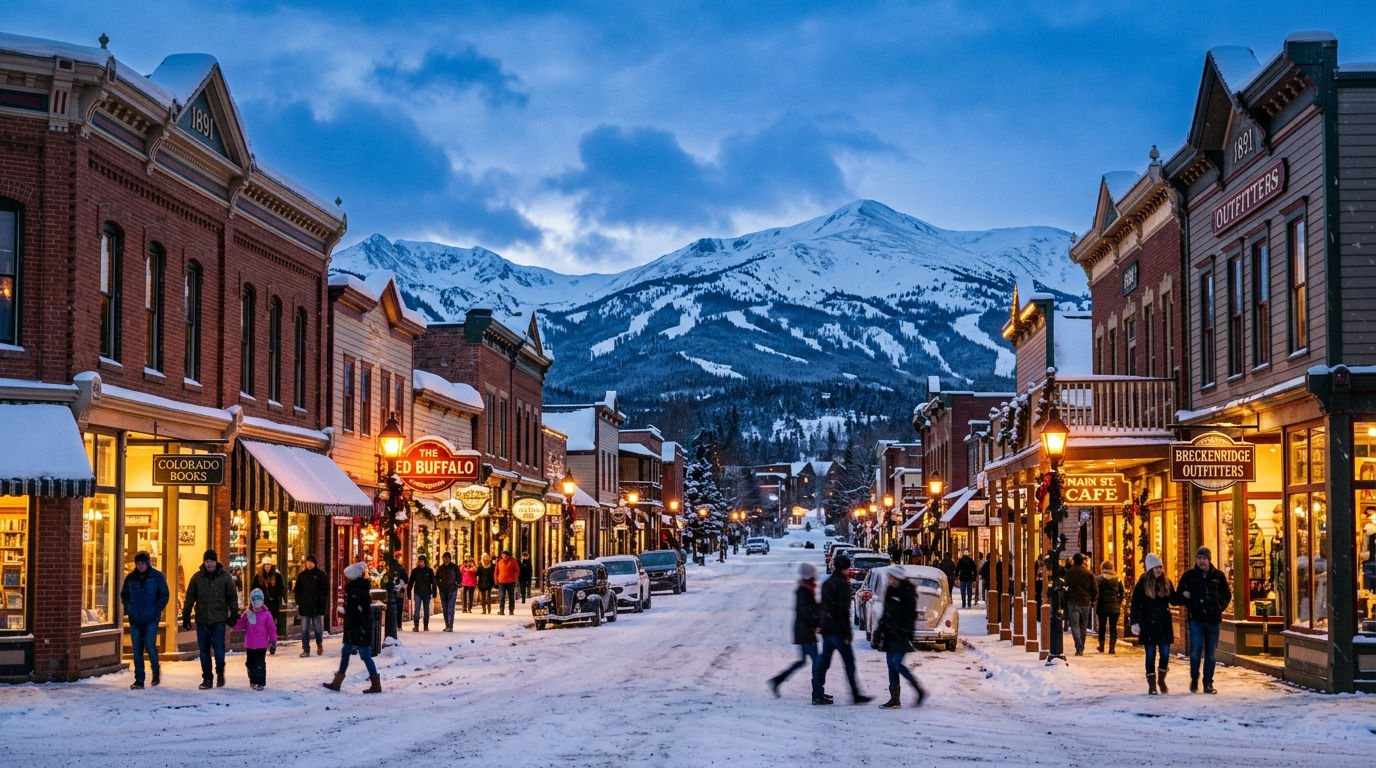
Steamboat Springs delivers the best family ski vacation in Colorado, combining 165 trails across 2,965 skiable acres with a genuine Western ranching town that predates the ski resort by a century. The resort averages 349 inches of annual snowfall — the trademarked "Champagne Powder" is lighter and drier here than at most Colorado resorts due to the unique geography of the Yampa Valley.
Unlike purpose-built resort villages, downtown Steamboat is a real town. Lincoln Avenue hosts independent restaurants, a brewery scene, and the Old Town Hot Springs — natural hot springs that have drawn visitors since the 1800s. This combination of authentic town life and reliable family skiing makes Steamboat distinct.
The Kids Ski Free program (children 12 and under ski free with a parent's multi-day ticket purchase) has been running for decades and remains one of the best value propositions in Colorado skiing.
Best for: Families with children, intermediate skiers, and anyone who prefers a real town over a resort village.
| Family Feature | Details |
|---|---|
| Kids Ski Free | Children 12 and under with parent's 5+ day ticket |
| Terrain Parks | Dedicated progression parks for younger riders |
| Ski School | Kids programs from age 2.5; ranch-themed learning areas |
| Off-Mountain | Hot springs, tubing hill, ranch excursions, ice skating |
| Accommodation | Ski-in/ski-out condos plus ranch-style homes in town |
Drive from Denver: 3.5 hours
4. Vail — The Largest Single-Mountain Ski Area
Vail's 5,317 skiable acres make it the largest single-mountain ski resort in Colorado and the third largest in North America. The Back Bowls — seven named bowls covering 3,000 acres of open, above-treeline terrain — offer a skiing experience unlike anything else in the state. Average annual snowfall sits at 354 inches, with the Back Bowls collecting wind-deposited snow that can create exceptional conditions.
The trade-off is the village. Vail was purpose-built in 1962, and while the Bavarian-inspired architecture has its charm, the town lacks the historic authenticity of Aspen or Telluride. Dining and shopping skew toward chains and luxury retail rather than independent establishments.
That said, for pure skiing — particularly on powder days — the Back Bowls and Blue Sky Basin are hard to match. The front side offers meticulously groomed intermediate runs, making Vail genuinely versatile across ability levels.
Best for: Skiers who prioritize terrain variety and scale. Groups with mixed ability levels.
Key stats:
- Skiable acres: 5,317 (largest single mountain in Colorado)
- Back Bowls: 3,000+ acres of open terrain
- Average snowfall: 354 inches
- Lifts: 31, including a high-speed gondola
Drive from Denver: 2 hours (closest major resort to Denver via I-70)
5. Crested Butte — The Skier's Mountain
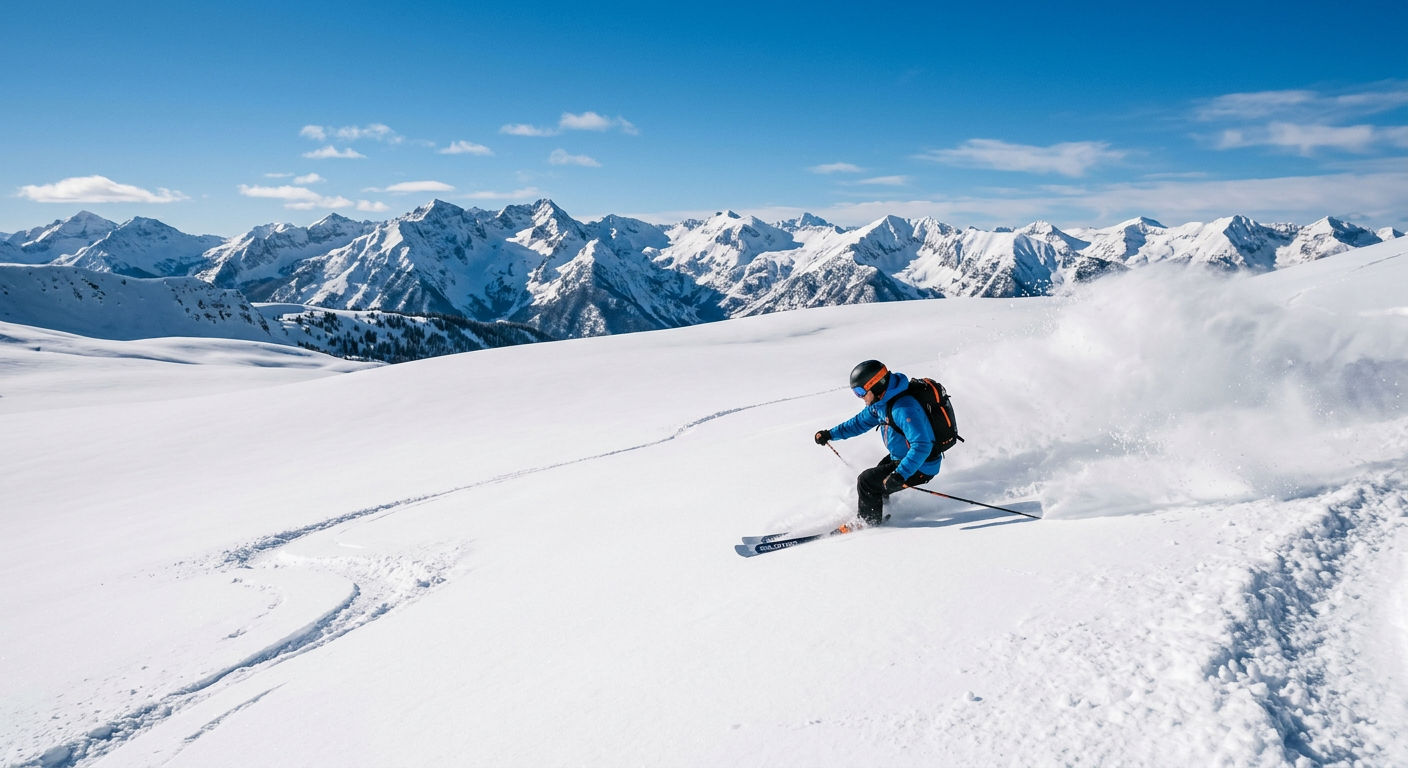
Crested Butte is the best ski vacation in Colorado for experienced skiers seeking steep, technical terrain without the crowds of better-known resorts. The resort's extreme terrain — including the North Face, which hosts the US Extreme Skiing Championships — is among the most challenging lift-accessed skiing in North America.
The town of Crested Butte, a former mining settlement two miles from the ski area, retains a distinctly independent spirit. Elk Avenue is lined with painted Victorian storefronts housing genuinely good restaurants and shops. This is not a resort town with a town attached — it is a town that happens to have a resort nearby.
With 1,547 skiable acres and an average of 300 inches of annual snowfall, Crested Butte delivers quality over quantity. The trade-off is accessibility: the nearest major airport (Gunnison) is 30 minutes away, but flights are limited.
Best for: Expert skiers and riders. Couples and small groups who value authenticity over amenities.
Drive from Denver: 4.5 hours (or fly into Gunnison, 30 minutes)
6. Breckenridge — Most Accessible from Denver
Breckenridge offers the most accessible quality ski vacation from Denver, sitting just 90 minutes from the airport along I-70. The resort spans five peaks with 2,908 skiable acres and 300 inches of average annual snowfall. Peak 6, opened in 2013, added above-treeline bowl skiing that elevated the terrain profile significantly.
The Main Street historic district — a preserved 1860s mining town — gives Breckenridge genuine character that most I-70 corridor resorts lack. At 9,600 feet base elevation (the highest base in North America), the altitude affects some visitors, but it also means the snow stays cold and dry well into spring.
The proximity to Denver is both an asset and a liability. Weekend crowds can be significant, particularly on holiday weekends. Midweek visits or early-season trips (December) offer a markedly different experience.
Best for: Weekend trips from Denver, first-time Colorado visitors, mixed-ability groups.
| Accessibility Feature | Details |
|---|---|
| Drive from Denver | 90 minutes via I-70 |
| Base Elevation | 9,600 feet (highest in North America) |
| Summit Elevation | 12,998 feet |
| Town | Walkable historic Main Street with 200+ restaurants and shops |
| Transit | Free town bus system connecting lodging to lifts |
7. Winter Park — Best Value Ski Vacation in Colorado
Winter Park delivers the best-value ski vacation in Colorado, combining 3,081 skiable acres and 325 inches of annual snowfall with accommodation and dining prices notably lower than the better-known Vail Resorts properties along I-70. The resort is owned by the City and County of Denver, which has kept pricing more accessible than privately held competitors.
Mary Jane Mountain, connected to Winter Park's base area, offers some of the best mogul skiing in North America. The terrain across both mountains covers a genuine range — from gentle groomers on Winter Park's front side to the technical bump runs and glades of Mary Jane.
The Amtrak Winter Park Express offers a direct train from Denver's Union Station to the resort base, eliminating I-70 traffic entirely. This alone makes Winter Park unique among Colorado ski resorts.
Best for: Budget-conscious skiers, mogul enthusiasts, Denver residents seeking a car-free option.
Key stats:
- Skiable acres: 3,081
- Average snowfall: 325 inches
- Adult lift ticket (peak): ~$180 (compared to $250+ at Vail/Aspen)
- Train from Denver: 2 hours on the Winter Park Express (seasonal)
Drive from Denver: 1.5 hours (or train from Union Station)
8. Beaver Creek — The Refined Alternative
Beaver Creek provides the most polished ski experience in Colorado, with 1,832 skiable acres of impeccably groomed terrain, 325 inches of annual snowfall, and a level of on-mountain service — including the daily complimentary chocolate chip cookies at 3 PM — that reflects its positioning as the refined alternative to neighboring Vail.
The village is compact and pedestrian-only, with heated walkways that keep paths clear of snow. While it lacks the historic character of a real town, the execution is consistently high. The Ritz-Carlton and Park Hyatt anchor the accommodation, but private chalet rentals in the surrounding Bachelor Gulch area offer more space and privacy.
Beaver Creek's terrain is wider and less crowded than Vail's, with Birds of Prey — the World Cup downhill course — offering a taste of racing-caliber skiing that intermediate-to-advanced skiers can access.
Best for: Skiers who value grooming quality and service. Families with younger children seeking a controlled, comfortable environment.
Drive from Denver: 2.5 hours

When to Plan Your Colorado Ski Vacation
The best time for a Colorado ski vacation is mid-January through early March, when snowpack is deepest and storm cycles are most consistent. Early season (late November through mid-December) offers lower prices and shorter lift lines, but snow coverage can be inconsistent below 11,000 feet.
| Season Window | Conditions | Crowd Level | Price Level |
|---|---|---|---|
| Late Nov – Mid Dec | Variable coverage, machine-made base | Low | Low |
| Late Dec – Early Jan | Holiday crowds, improving natural snow | Very High | Very High |
| Mid Jan – Feb | Peak conditions, consistent storms | Moderate–High | High |
| March | Deep snowpack, spring conditions, longer days | Moderate | Moderate |
| April | Warm days, soft snow, limited terrain | Low | Low |
Spring skiing in Colorado deserves special mention. March and early April can deliver some of the best days of the season — deep snowpack, warm sunshine, and far fewer visitors. Resorts like Aspen and Vail typically remain open into mid-April.
How to Choose the Right Resort
Selecting the best Colorado ski vacation depends on three variables: your skiing ability, your travel priorities, and your tolerance for crowds. The grid below maps each resort against these factors.
| Resort | Terrain Strength | Best For | Crowd Factor | Town Quality |
|---|---|---|---|---|
| Aspen | All-around | Culture + skiing | Moderate | Exceptional |
| Telluride | Advanced/Expert | Solitude seekers | Low | Very Good |
| Steamboat | Intermediate/Family | Families | Moderate | Very Good |
| Vail | Scale + variety | Mixed-ability groups | High | Average |
| Crested Butte | Expert | Steep terrain | Low | Good |
| Breckenridge | Intermediate | Accessibility | High | Good |
| Winter Park | Intermediate/Moguls | Value | Moderate | Average |
| Beaver Creek | Groomed/Intermediate | Service + polish | Low–Moderate | Good |
For a first Colorado ski vacation, Steamboat Springs or Breckenridge offer the most forgiving combination of terrain, accommodation, and accessibility. For a return visit — or for experienced skiers — Telluride and Crested Butte deliver something the bigger resorts cannot: the feeling that you have discovered the mountain rather than consumed it.
Find Your Colorado Ski Chalet
Powder Edition features curated ski properties in Aspen and Vail. Browse all destinations to compare options across the Rockies and Alps.
FAQ
What is the best ski resort in Colorado for beginners?
Steamboat Springs and Beaver Creek are the best Colorado ski resorts for beginners. Steamboat offers gentle, well-groomed terrain with the Kids Ski Free program and a relaxed Western atmosphere. Beaver Creek provides dedicated learning areas with smaller class sizes and impeccable grooming. Both resorts separate beginner terrain from expert runs, reducing intimidation.
How much does a ski vacation in Colorado cost?
A week-long ski vacation in Colorado typically costs $3,000–$8,000 per person, depending on resort choice and accommodation. Lift tickets range from $150–$275 per day at major resorts. A private chalet for six guests in Aspen runs $2,000–$5,000 per night in peak season, while a comparable property in Steamboat or Winter Park costs $800–$2,500 per night. Multi-day passes (Ikon or Epic) reduce per-day lift costs by 30–40%.
When is the cheapest time to ski in Colorado?
Early December and late March offer the lowest prices for a Colorado ski vacation. Early December rates are typically 30–40% below peak-season pricing, with most terrain open but crowds minimal. Late March brings spring conditions and discounted lodging, though snow quality becomes variable below 10,500 feet. Midweek stays (Sunday through Thursday) at any point in the season save 15–25% on accommodation.
Is Vail or Aspen better for a ski vacation?
Vail is better for pure skiing scale — 5,317 acres versus Aspen's combined 5,500 across four separate mountains. Aspen is better for the overall vacation experience, with a historic downtown, superior dining, and a genuine town atmosphere. Vail is two hours from Denver; Aspen requires four hours or a short flight. For families prioritizing terrain variety on a single mountain, Vail wins. For couples or groups seeking culture alongside skiing, Aspen is the stronger choice.
Are all-inclusive ski packages worth it in Colorado?
All-inclusive ski packages in Colorado can reduce total trip cost by 15–25% compared to booking individually, particularly when they bundle lift tickets, accommodation, and equipment rental. The best value comes from packages that include multi-day Epic or Ikon passes rather than single-day tickets. However, packages often lock you into specific properties and dates. For groups renting a private chalet, booking accommodation separately and purchasing a multi-day pass typically offers better flexibility and comparable pricing.
What is Colorado's snowiest ski resort?
Wolf Creek Ski Area receives the most snowfall in Colorado at an average of 430 inches annually, but it lacks destination-quality accommodation. Among major destination resorts, Steamboat Springs (349 inches) and Vail (354 inches) receive the most snow. Steamboat's "Champagne Powder" — unusually light and dry due to the Yampa Valley geography — makes its snowfall feel more generous than the raw numbers suggest.