Kitzbühel Skiing: A Complete Guide to Austria's Most Storied Ski Town
Kitzbühel Skiing: A Complete Guide to Austria's Most Storied Ski Town
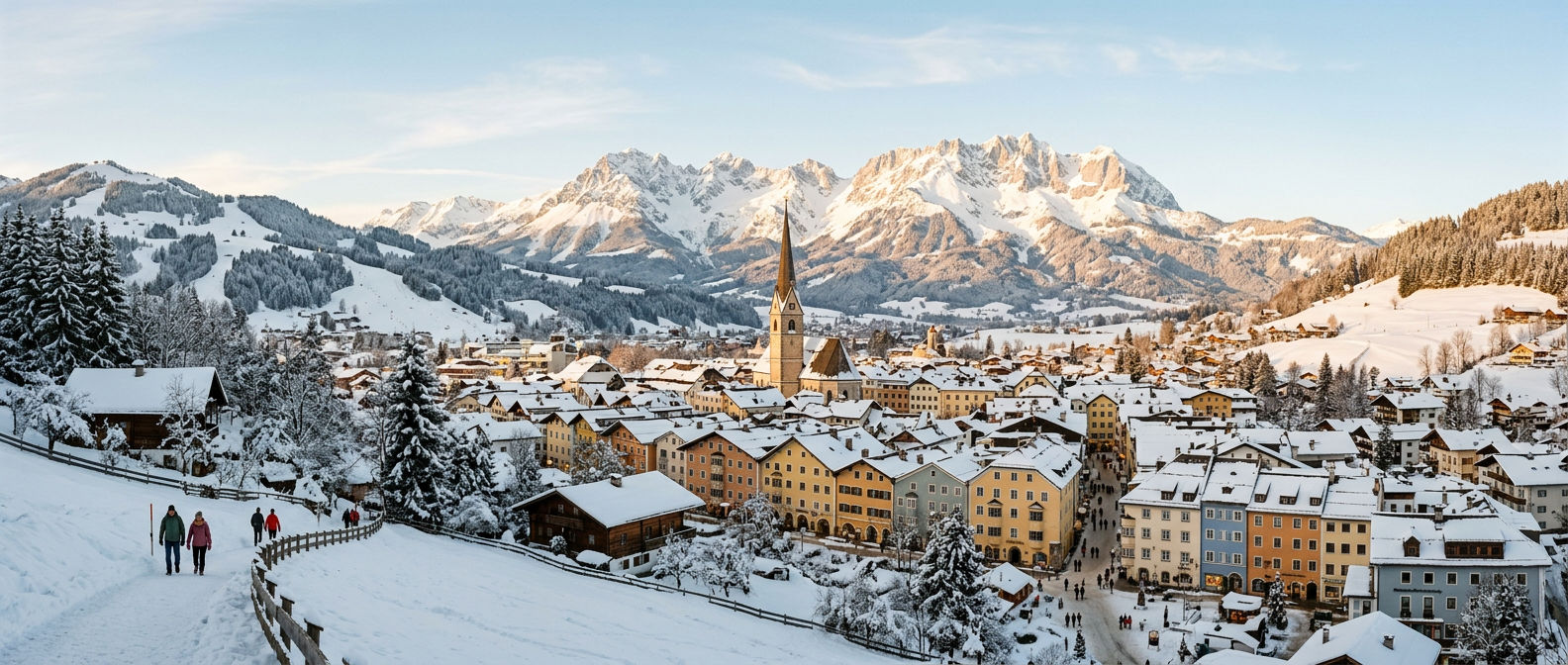
Kitzbühel is a medieval Tyrolean town that doubles as one of Austria's most recognised ski resorts. At 760 metres, it sits lower than most Alpine destinations, yet its ski area climbs to 2,000 metres across 170 kilometres of groomed piste — enough to keep intermediates engaged for a full week. What distinguishes Kitzbühel from purpose-built resorts is the town itself: cobblestoned streets, painted facades dating to the 16th century, and a social scene that draws as much from local Tyrolean culture as it does from the international ski circuit.
The Hahnenkamm: Why Kitzbühel Commands Attention
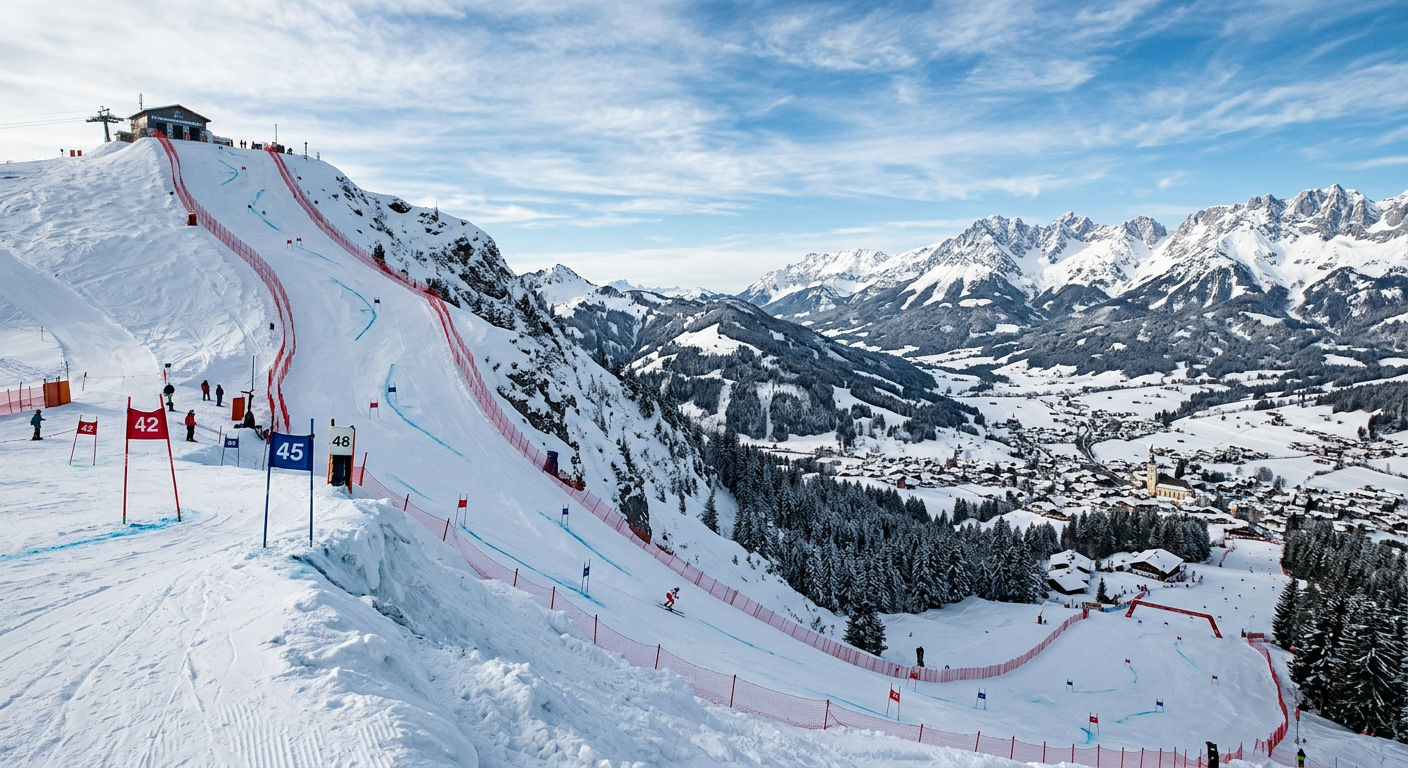
Kitzbühel owes much of its global reputation to the Hahnenkamm downhill race, held annually in January and widely considered the most demanding event on the World Cup circuit. The Streif course drops 860 metres over 3.3 kilometres, with gradients exceeding 85 per cent and speeds that routinely surpass 140 km/h. For visiting skiers, the Streif is open as a regular piste outside race week — steep, icy in places, and a genuine test of nerve.
But the Hahnenkamm matters beyond the race itself. It anchors Kitzbühel's identity as a serious ski destination with heritage that predates the modern resort era. The first downhill here took place in 1931. That history permeates the town, from the FIS ski museum near the Hahnenkamm gondola to the hotels and lodges that have hosted racers for nearly a century.
Race week in late January transforms Kitzbühel into something between a sporting event and a winter festival. The town's population swells, and the atmosphere along the Vorderstadt pedestrian zone is electric. If you can secure accommodation, it is one of the great spectacles in alpine sport.
The Ski Area: 170 Kilometres Across Two Sectors
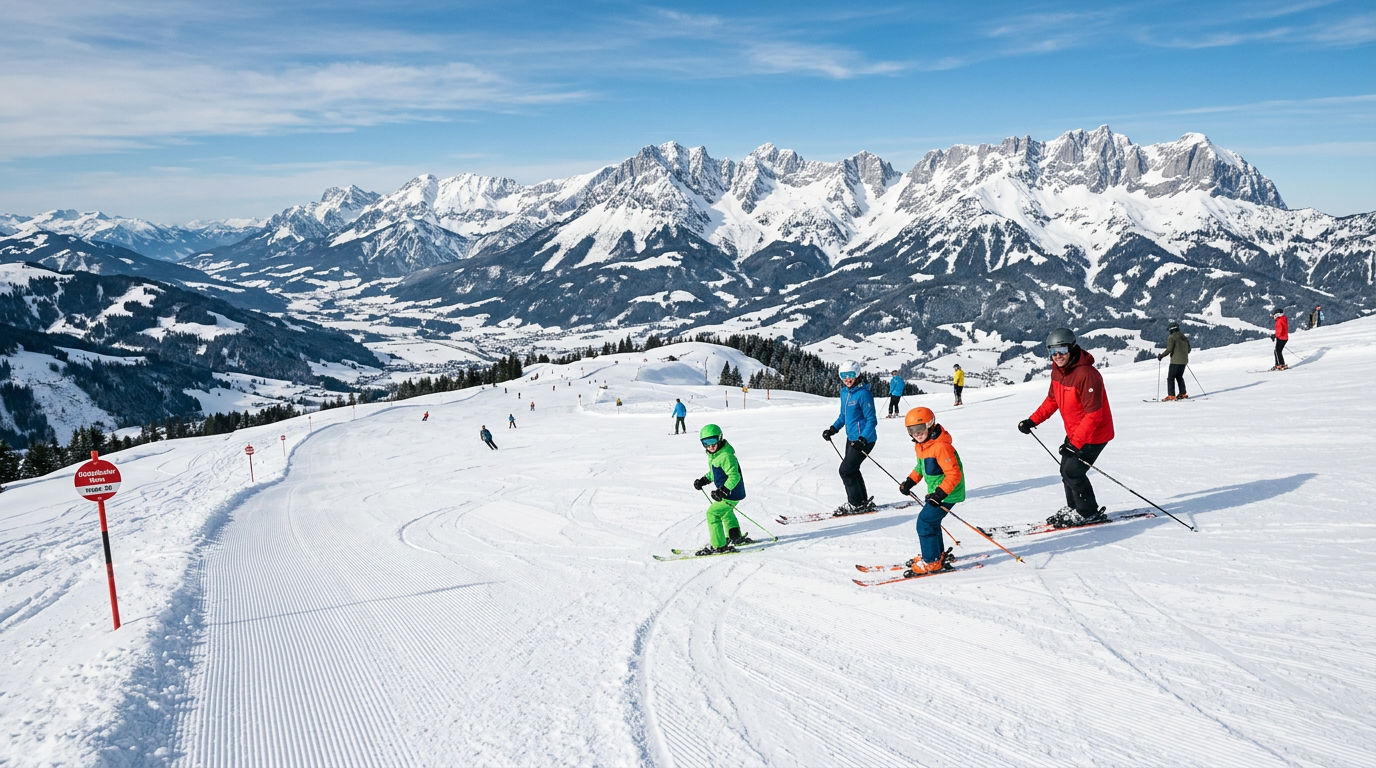
The KitzSki area comprises two main sectors — Hahnenkamm-Pengelstein and Kitzbüheler Horn — offering 170 kilometres of marked piste served by 57 lifts, including several modern gondolas. The terrain breaks down to roughly 40 per cent intermediate, 30 per cent advanced, and 30 per cent beginner runs.
| Detail | Hahnenkamm-Pengelstein | Kitzbüheler Horn |
|---|---|---|
| Altitude | 800–2,000 m | 800–1,996 m |
| Character | Varied, wooded lower slopes, open upper bowls | Quieter, sun-drenched, wide cruising runs |
| Best for | Intermediates and confident skiers | Families and relaxed intermediates |
| Snowmaking | Extensive (>1,000 snow cannons) | Good coverage |
The Hahnenkamm sector is where most visitors spend their time. From the summit at Pengelstein, long runs descend through open terrain before threading into tree-lined corridors — a useful fallback on low-visibility days. The connection to Kirchberg expands the network further.
Kitzbüheler Horn, across the valley, sees fewer crowds and offers wide, south-facing pistes with views toward the Wilder Kaiser range. It is particularly well-suited to families and those who prefer unhurried laps in the sun.
Lift pass pricing: The KitzSki pass covers both sectors. For the 2025/26 season, adult six-day passes are priced at approximately €340, with discounts for children, teens, and seniors. The Kitzbüheler Alpen AllStarCard extends access to over 2,750 kilometres of piste across the wider region.
Where to Stay: From Catered Lodges to Independent Chalets
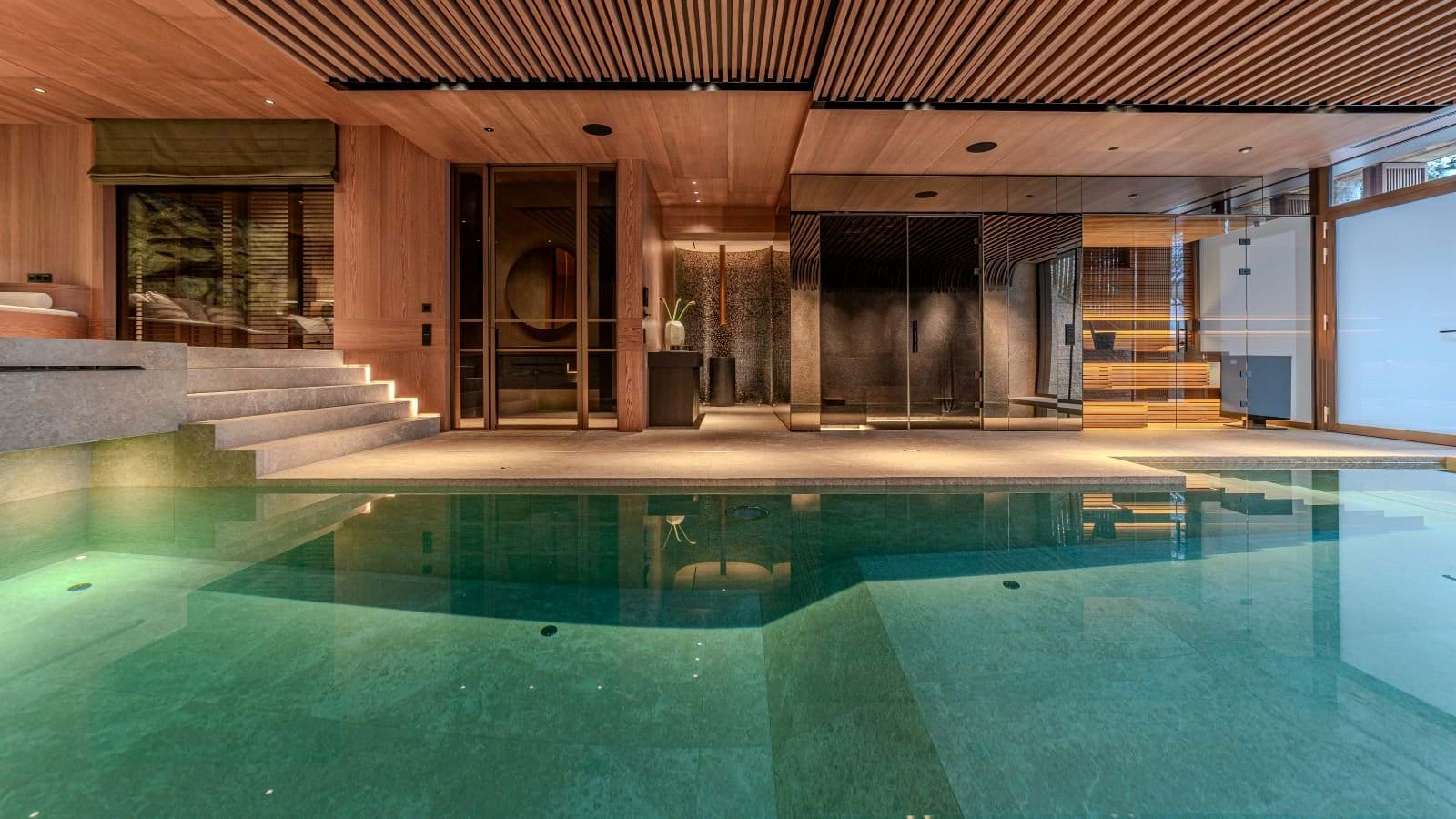
Kitzbühel's accommodation ranges from traditional Tyrolean guesthouses to full-service luxury lodges and independent chalets. In our current collection of 32 Kitzbühel properties, every single one includes a sauna or spa facility — a reflection of the Austrian tradition of post-ski wellness that is genuinely embedded in the culture here, not simply an amenity checkbox.
Twenty-one of these properties feature a private hot tub, and 29 include pool access — numbers that speak to the quality of accommodation in this market. Prices in our Kitzbühel portfolio range from approximately €5,700 per week for an independent chalet to €165,000 for a fully staffed estate.
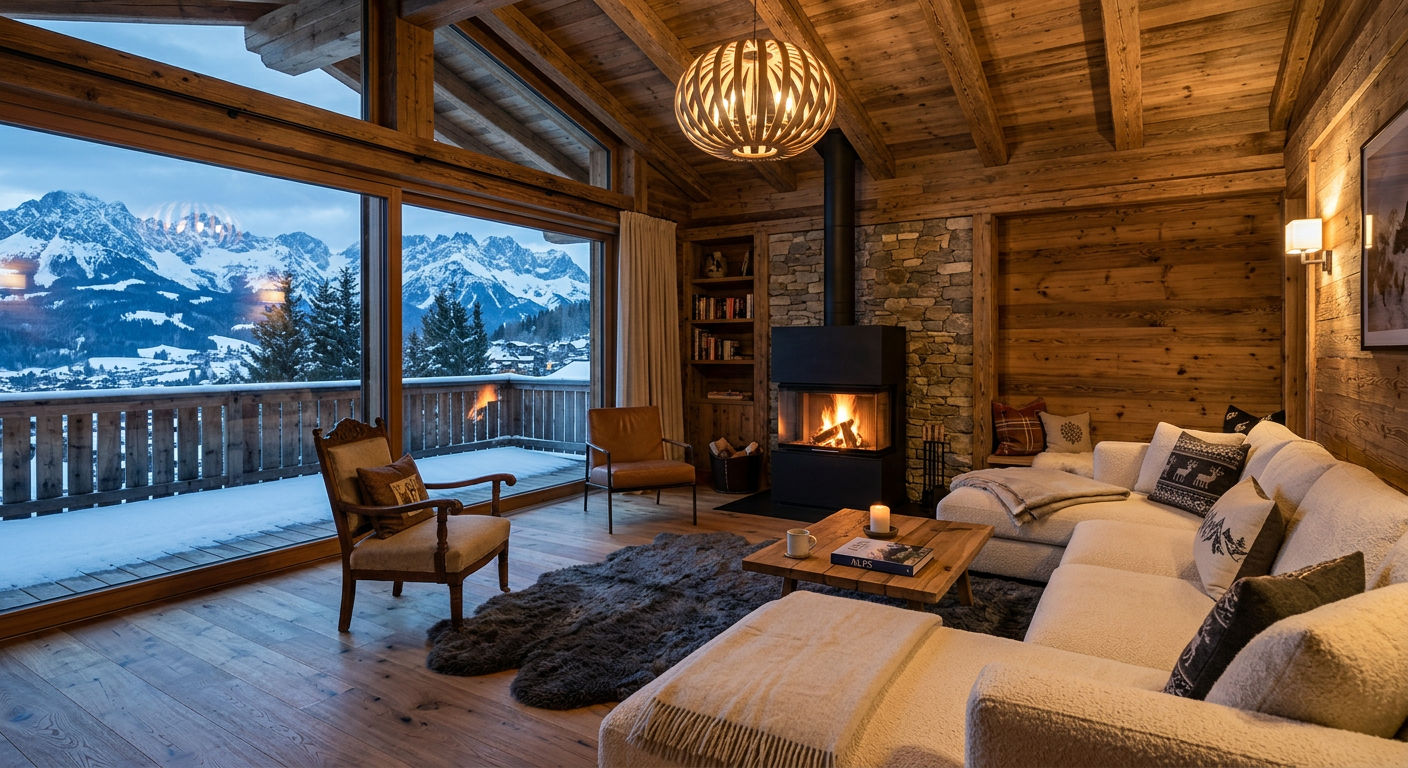
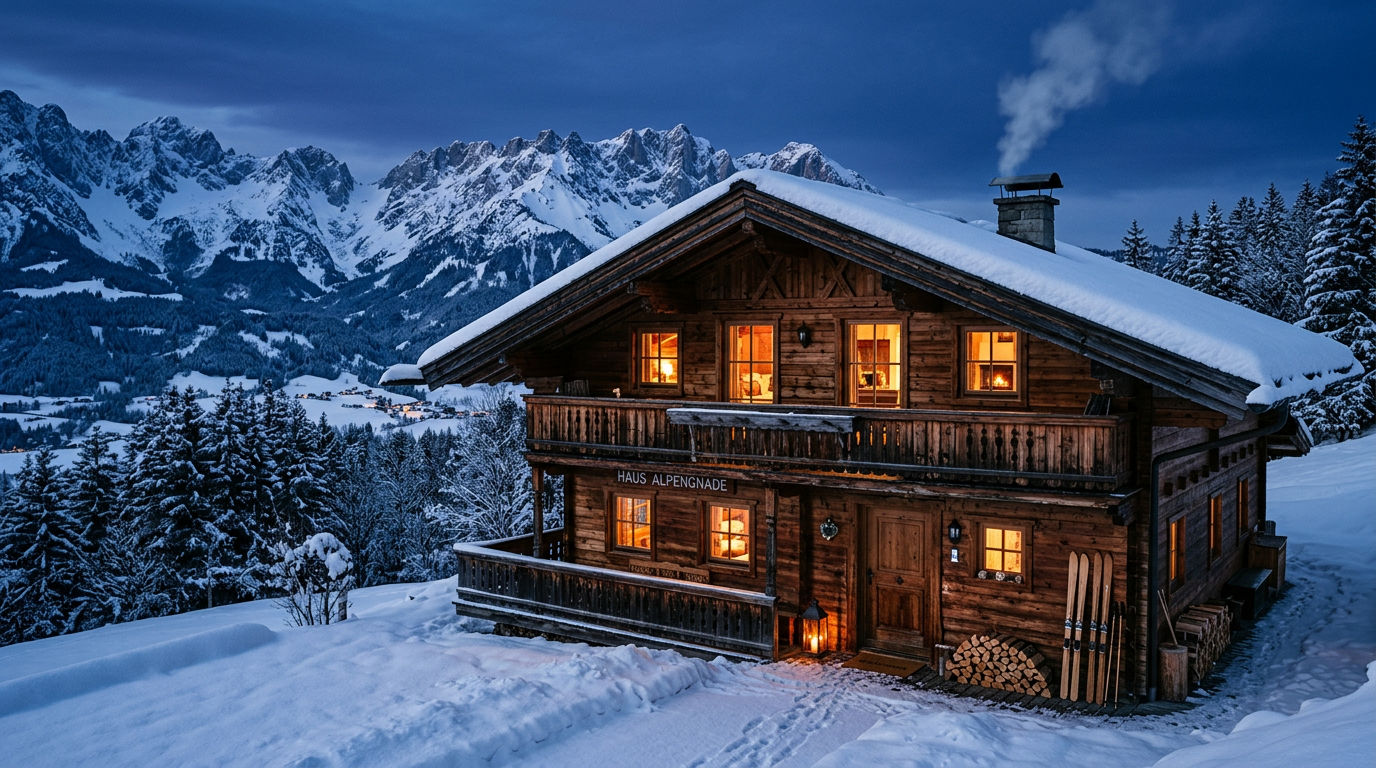
The Hahnenkamm Lodge is named for the mountain it sits on. A catered property for eight guests with direct ski access, wine cellar, and spa, it represents the upper end of Kitzbühel's chalet market — intimate, well-positioned, and steeped in the resort's racing heritage.
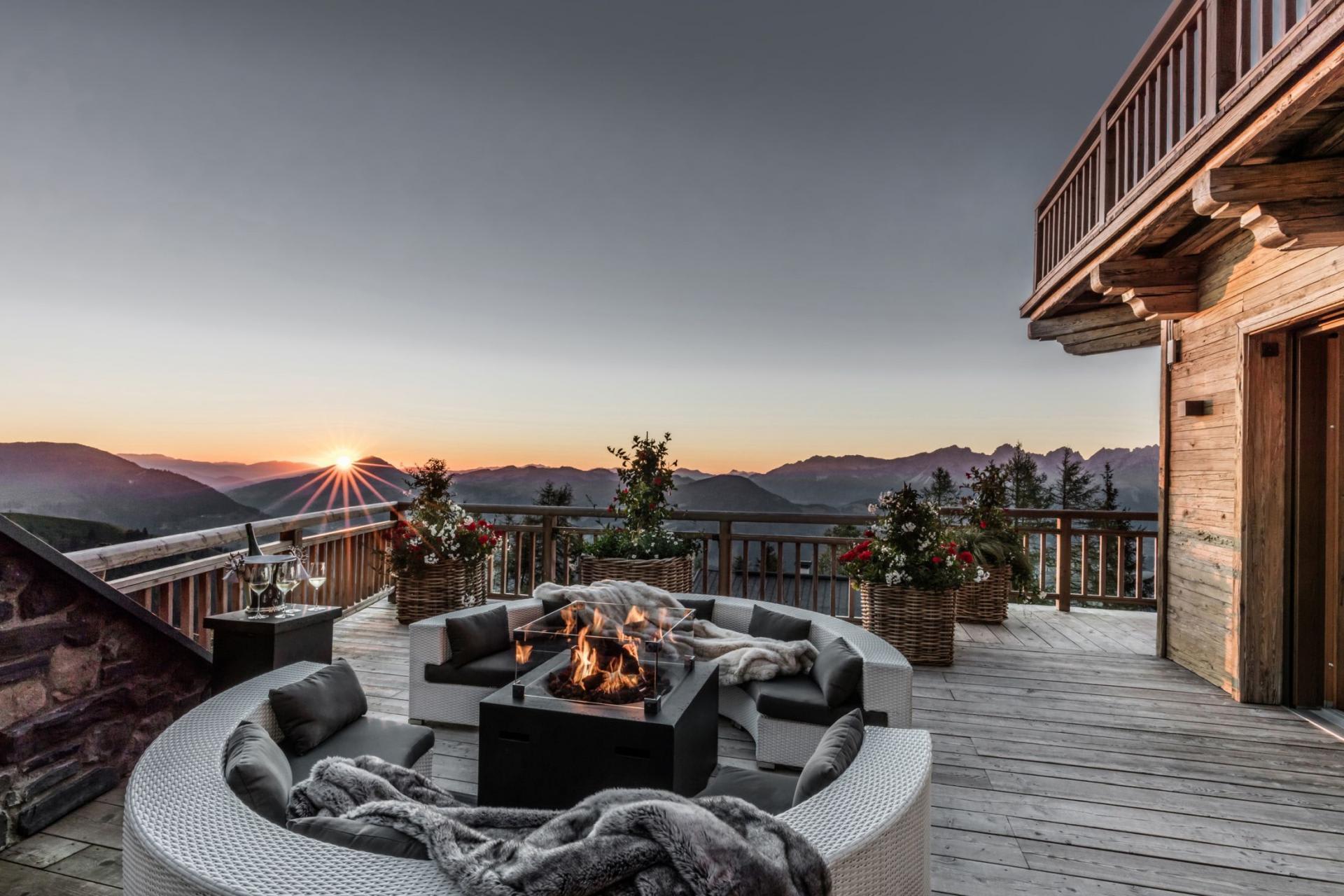
For larger groups, Chalet Colette accommodates 12 guests across six bedrooms in a self-catered format, offering more independence at a mid-range price point. It is one of several properties in our Kitzbühel collection that blend Tyrolean design with contemporary finishes.
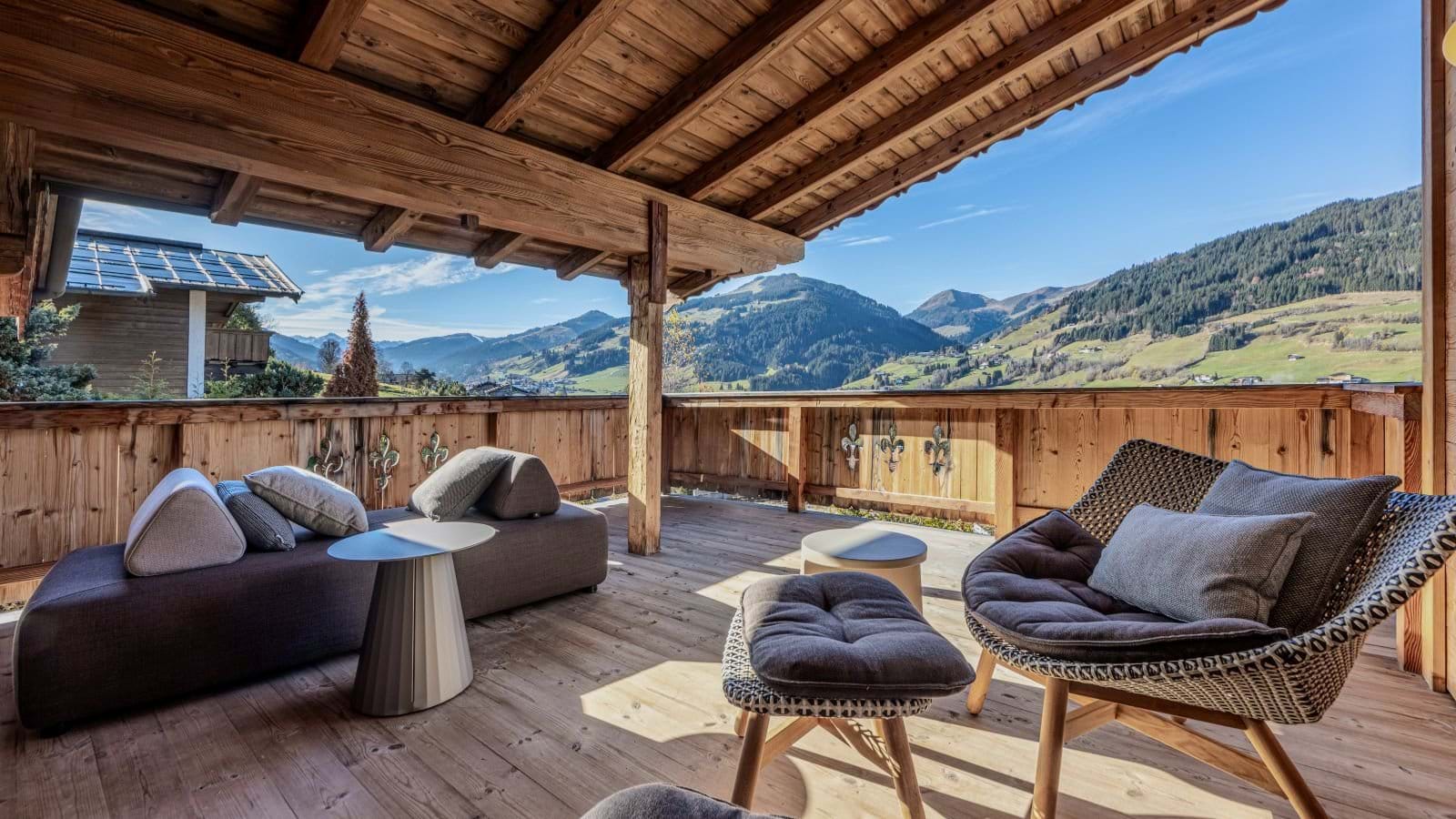
At the more accessible end, Chalet Bellaria sleeps nine guests across six bedrooms from €5,700 per week — a considered option for families or smaller groups who want a private chalet without the full-service premium.
Beyond the Piste: What Makes the Town Worth the Trip
Kitzbühel's medieval town centre is its quiet advantage over higher-altitude, purpose-built competitors. The Vorderstadt and Hinterstadt — the two main historic lanes — are lined with pastel-painted houses, independent shops, galleries, and restaurants that operate year-round. This is a living town, not a resort village that closes in summer.
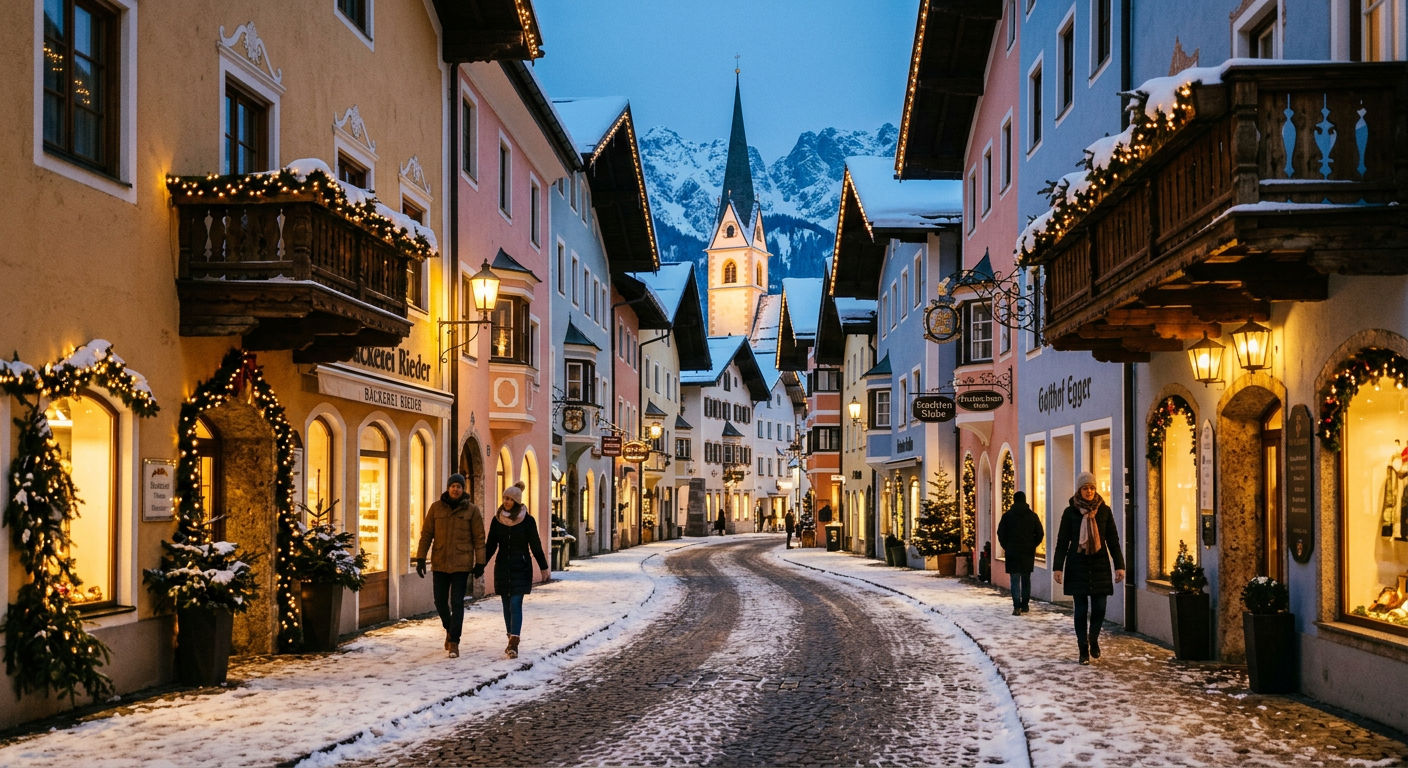
Dining ranges from traditional Tyrolean Stuben serving Kasspatzle and Tiroler Gröstl to contemporary restaurants with wine lists that draw from across Austria and northern Italy. Several hotel restaurants hold Gault Millau toques.
Après-ski in Kitzbühel is a more restrained affair than St. Anton or Ischgl. The Londoner pub on the Vorderstadt fills reliably after the lifts close, but the overall tone favours wine bars, hotel lounges, and long dinners over thumping base-lodge parties. For those who prefer their après with a glass of Grüner Veltliner rather than a foam cannon, this is a welcome distinction.
Non-ski activities include the Aquarena Kitzbühel swimming complex, snowshoeing trails in the Bichlalm area, and the Kitzbühel town museum, which traces the region's mining and skiing history. The resort also maintains 60 kilometres of groomed cross-country trails.
Those exploring beyond Kitzbühel should consider the broader Tyrolean Arlberg region. St. Anton — roughly 90 minutes west — offers 300 kilometres of piste and some of Austria's most challenging terrain, while Lech adds a quieter, more refined alpine atmosphere with 65 properties in our collection.
Kitzbühel for Groups and Families
Kitzbühel is well-configured for groups. In our current collection, 19 of 32 properties accommodate 10 or more guests, and several offer flexible service arrangements — from fully catered with private chef to independent self-catered setups. Nine properties in the collection include chef service, for those who prefer to leave the cooking to someone else.
For families, the Kitzbüheler Horn sector provides a gentler introduction to alpine skiing, with dedicated beginner areas and ski schools that teach in both German and English. The town's walkability means families are not dependent on shuttle buses between accommodation and lifts — a practical detail that compounds over a week.
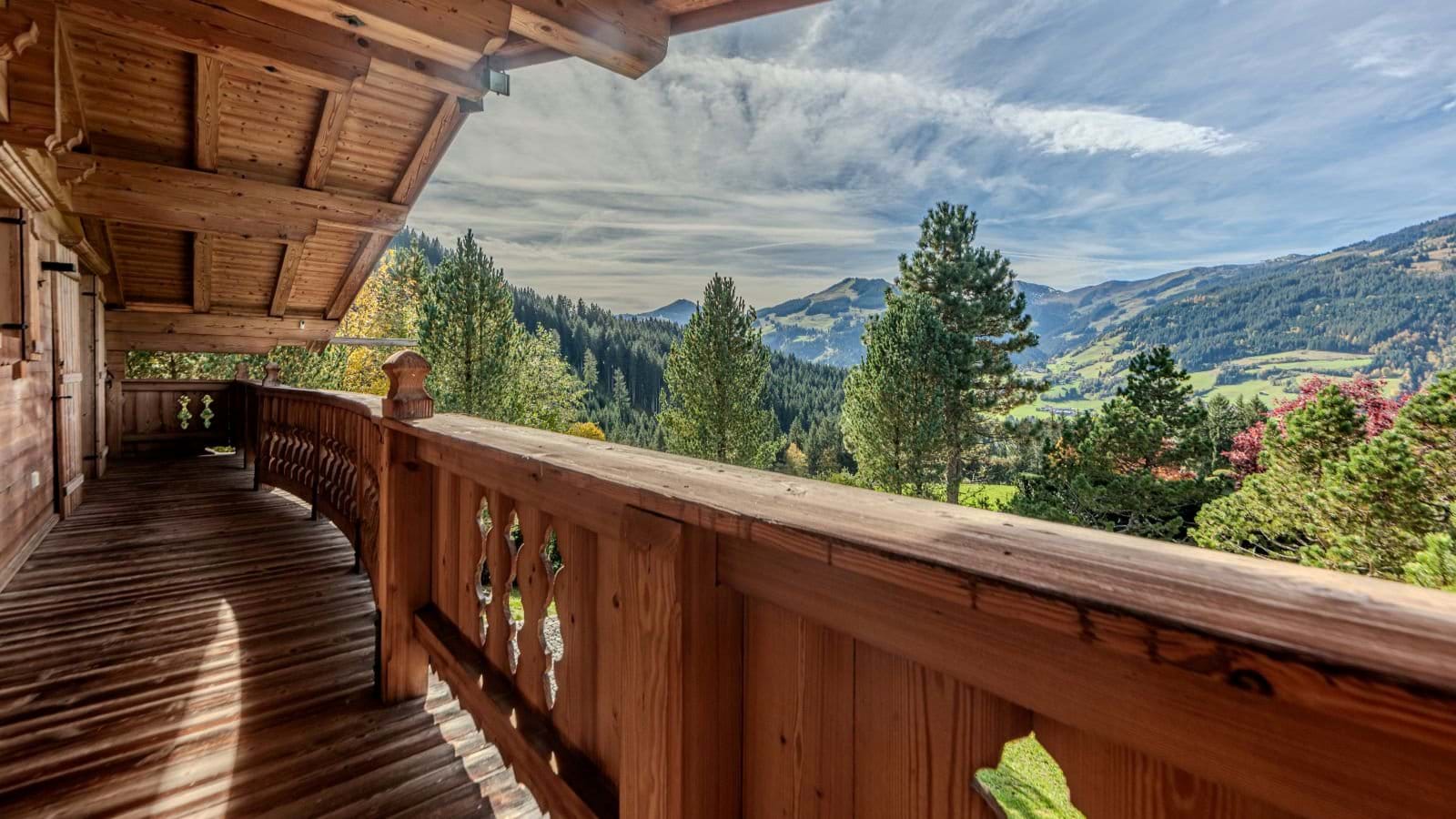
For groups seeking the ultimate in Kitzbühel luxury, Chalet Tyrolia is a 13-guest, nine-bedroom catered residence that represents the top tier of what the resort offers.
When to Visit and How to Get There
Kitzbühel's ski season typically runs from late November through mid-April, with the best snow conditions from January through early March. The resort's extensive snowmaking — over 1,000 cannons covering the majority of pistes — compensates for its relatively low altitude, ensuring reliable coverage even in lean natural snowfall years.
| Period | Conditions | Crowds | Pricing |
|---|---|---|---|
| Late Nov–late Dec | Early season, variable coverage | Low | Moderate |
| Early Jan (pre-race) | Good coverage, quieter | Moderate | Moderate |
| Hahnenkamm week (late Jan) | Peak atmosphere | Very high | Premium |
| Feb–early Mar | Best snow, cold temps | Moderate-high | Peak |
| Late Mar–mid Apr | Spring skiing, warmer | Declining | Lower |
Getting there: Kitzbühel is well connected by road and rail.
- Innsbruck Airport — 95 km, approximately 1 hour 15 minutes by car
- Salzburg Airport — 80 km, approximately 1 hour 15 minutes by car
- Munich Airport — 175 km, approximately 2 hours by car
- By train — Kitzbühel has its own railway station on the main Innsbruck–Salzburg line, with direct services from both cities. Journey time from Innsbruck is approximately 1 hour 20 minutes.
The train option is particularly attractive. Kitzbühel's station sits within walking distance of the town centre and the Hahnenkamm gondola, making car-free ski holidays genuinely feasible here — something few Austrian resorts can claim as convincingly.
Explore Kitzbühel Properties
Powder Edition brings together 32 properties in Kitzbühel — from intimate self-catered chalets to catered lodges with private spas and direct slope access. Browse our full Kitzbühel collection, explore properties with hot tubs, or discover the wider Austrian Alps including St. Anton and Lech.
Frequently Asked Questions
Is Kitzbühel good for intermediate skiers?
Kitzbühel is one of the strongest intermediate destinations in the Austrian Alps. Approximately 40 per cent of the 170-kilometre ski area is graded for intermediates, with long, well-groomed runs on both the Hahnenkamm-Pengelstein and Kitzbüheler Horn sectors. The connection to Kirchberg adds further variety without requiring advanced ability.
How does Kitzbühel compare to St. Anton?
Kitzbühel and St. Anton serve different skiing profiles. St. Anton offers 300 kilometres of piste with significantly more challenging off-piste terrain and a livelier après-ski scene. Kitzbühel provides a more refined, town-centred experience with better dining, a medieval centre, and terrain that suits intermediates more comfortably. Both are outstanding — the choice depends on whether you prioritise skiing intensity or the broader resort experience.
Can you ski the Hahnenkamm Streif course?
Yes. The Streif is open as a regular piste outside of race week in January. It is graded as a black run and is genuinely demanding — steep, often icy, and exposed. Recreational skiers should be confident on black runs before attempting it. The course is clearly marked, and you can ski the full 3.3-kilometre race line from start to finish.
Is Kitzbühel expensive?
Kitzbühel sits at the upper end of Austrian ski resort pricing, though it remains more accessible than top-tier Swiss destinations like Verbier or Zermatt. Lift passes are approximately €340 for six days. Accommodation ranges widely: in our current collection, self-catered chalets start from approximately €5,700 per week, while full-service luxury lodges extend well above €100,000. Dining in town offers genuine range, from traditional Tyrolean taverns to fine dining.
When is the best time to ski Kitzbühel?
February through early March typically delivers the most reliable snow conditions and the coldest temperatures. January is excellent for conditions and includes the spectacle of Hahnenkamm race week if you can find accommodation. Late March and April offer spring skiing with warmer temperatures and lower prices, though snow coverage at lower altitudes becomes variable.
How do you get from Innsbruck or Salzburg to Kitzbühel?
Both Innsbruck and Salzburg airports are approximately 80–95 kilometres from Kitzbühel, with transfer times around 1 hour 15 minutes by car or private transfer. Kitzbühel also has a railway station with direct train services from both cities — the Innsbruck–Salzburg main line runs through the town. Munich Airport is a further option at roughly 2 hours by car, offering the widest range of international flight connections.