The 12 Best Luxury Ski Destinations Worth Booking in 2026
Quick Answer
The 12 best luxury ski destinations for 2026 span the Alps and North America: Courchevel 1850, Zermatt, St Moritz, Verbier, Méribel, Lech, Val d'Isère, and Megève in Europe; Aspen, Vail, Deer Valley, and Jackson Hole in North America. Each earns its place through genuine substance — exceptional terrain, five-star accommodation, walkable village life, and world-class dining. Courchevel 1850 holds six Michelin stars; Aspen pairs four mountains with a cultural town; Zermatt offers year-round glacier skiing beneath the Matterhorn.
Not all ski towns earn the designation "luxury ski destination." The difference lies in the details: the quality of the terrain, the caliber of the dining, the architecture of the chalets, and the ease of the experience from first chair to fireside. This guide covers the 12 finest luxury ski destinations across the Alps and North America — evaluated on skiing merit, accommodation quality, and the intangible sense of arrival that separates a good trip from a defining one.
What Sets a Luxury Ski Destination Apart?
A genuine luxury ski destination is defined by three elements: exceptional terrain with reliable snow conditions, world-class accommodation — whether a five-star hotel or a design-forward private chalet — and a village or town worth exploring off the slopes. The best deliver all three without compromise.
The distinction matters more than ever. As ski travel has grown, the gap between marketed "luxury" and genuine quality has widened. A resort may charge premium rates while offering unremarkable terrain or generic accommodation. The destinations on this list earn their place through substance, not branding.
Key markers of a true luxury ski destination:
- Terrain depth: Varied skiing across ability levels with reliable natural snowfall above 250cm annually
- Accommodation quality: Private chalets with dedicated staff, or hotels with genuine character — not simply a familiar chain logo
- Village culture: Walkable centers with independent restaurants, shops with taste, and après-ski that suits adults
- Service infrastructure: Ski valets, private instruction, airport transfers, and concierge-level trip planning
- Access: Reasonable transfer times from major airports — because three hours in a car after a long-haul flight erodes any sense of arrival
Best Luxury Ski Destinations in Europe
Europe's Alps dominate the world's luxury ski scene, led by Courchevel 1850 in France, Zermatt and St. Moritz in Switzerland, and Lech am Arlberg in Austria. These resorts combine centuries of alpine hospitality with terrain that dwarfs most North American counterparts, plus a dining and après-ski culture that defines the category.
Courchevel 1850, France
The undisputed capital of luxury skiing. Courchevel 1850 sits at the heart of Les Trois Vallées, the world's largest linked ski area with 600km of groomed pistes. The village itself is a concentration of wealth and taste — seven Michelin-starred restaurants, private chalets that rival Parisian apartments, and a clientele that treats the season like a social calendar.
What separates Courchevel from competitors is the combination of scale and refinement. The skiing is genuinely excellent across all levels, the snowmaking ensures coverage into April, and the private chalet market offers properties with dedicated chefs, spa facilities, and ski-in access. Nightly chalet rates for a high-end property typically range from €5,000 to €30,000 during peak weeks.
Zermatt, Switzerland
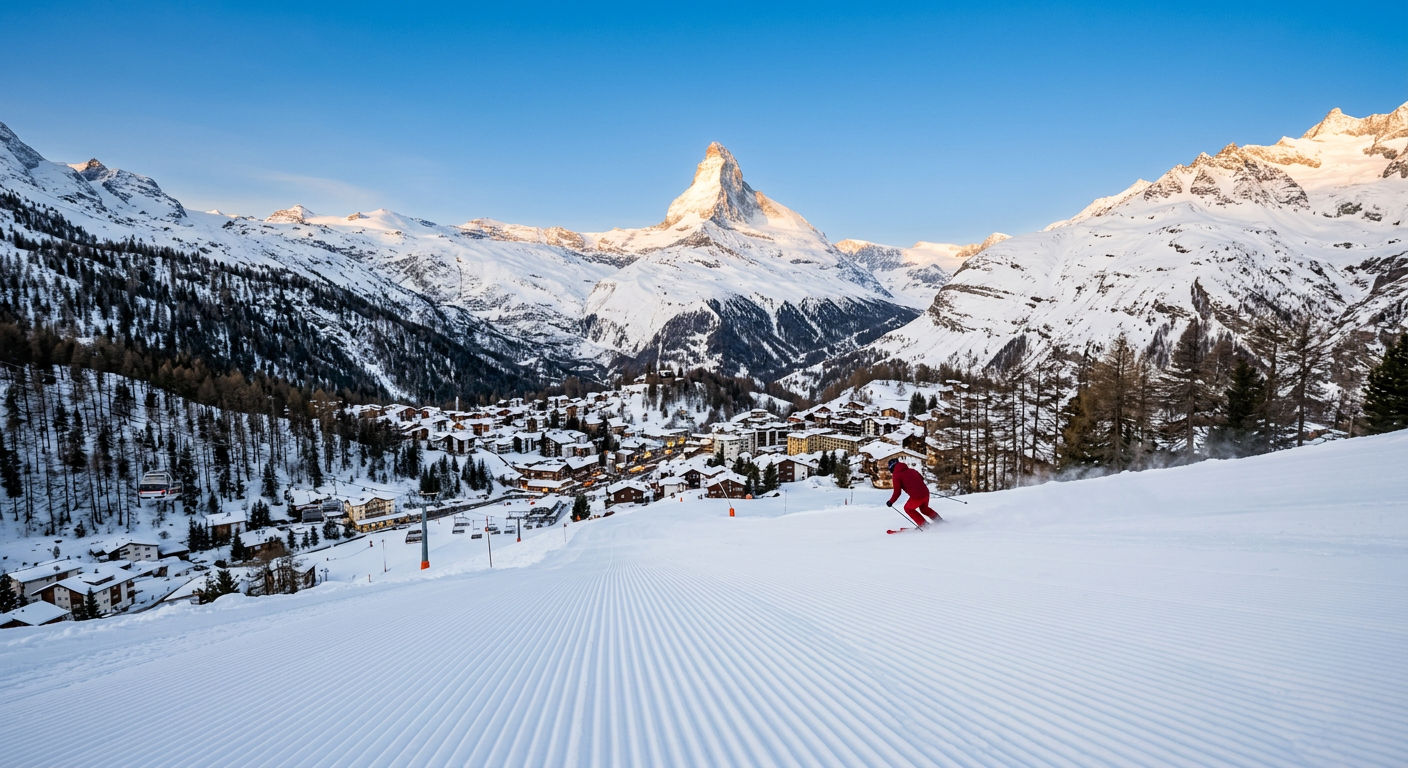
Zermatt offers what no other resort can: the Matterhorn. The car-free village sits at 1,620m, with skiing reaching 3,883m on the Klein Matterhorn glacier — the highest lift-served skiing in the Alps. This altitude advantage means reliable snow from November through May, with summer glacier skiing available year-round.
Beyond the views, Zermatt delivers a village experience that balances tradition with contemporary comfort. Electric taxis and horse-drawn carriages replace cars. The dining scene ranges from mountain huts serving rösti to Michelin-level restaurants. Private chalets here tend toward warm timber and stone, with many offering direct views of the Matterhorn from living spaces and outdoor hot tubs.
St. Moritz, Switzerland
The original luxury ski destination. St. Moritz hosted the Winter Olympics twice (1928 and 1948) and essentially invented the concept of winter alpine tourism. The resort sits at 1,856m beside a frozen lake, with 350km of runs across four ski areas served by the Engadin St. Moritz lift pass.
St. Moritz attracts a specific kind of traveler — one drawn to heritage, understated wealth, and a village where the Cresta Run and polo on ice are part of the weekly calendar. The accommodation leans toward grand hotels (Badrutt's Palace, Kulm Hotel), but the growing private chalet market offers an alternative for those who prefer privacy with the same polish.
Lech am Arlberg, Austria
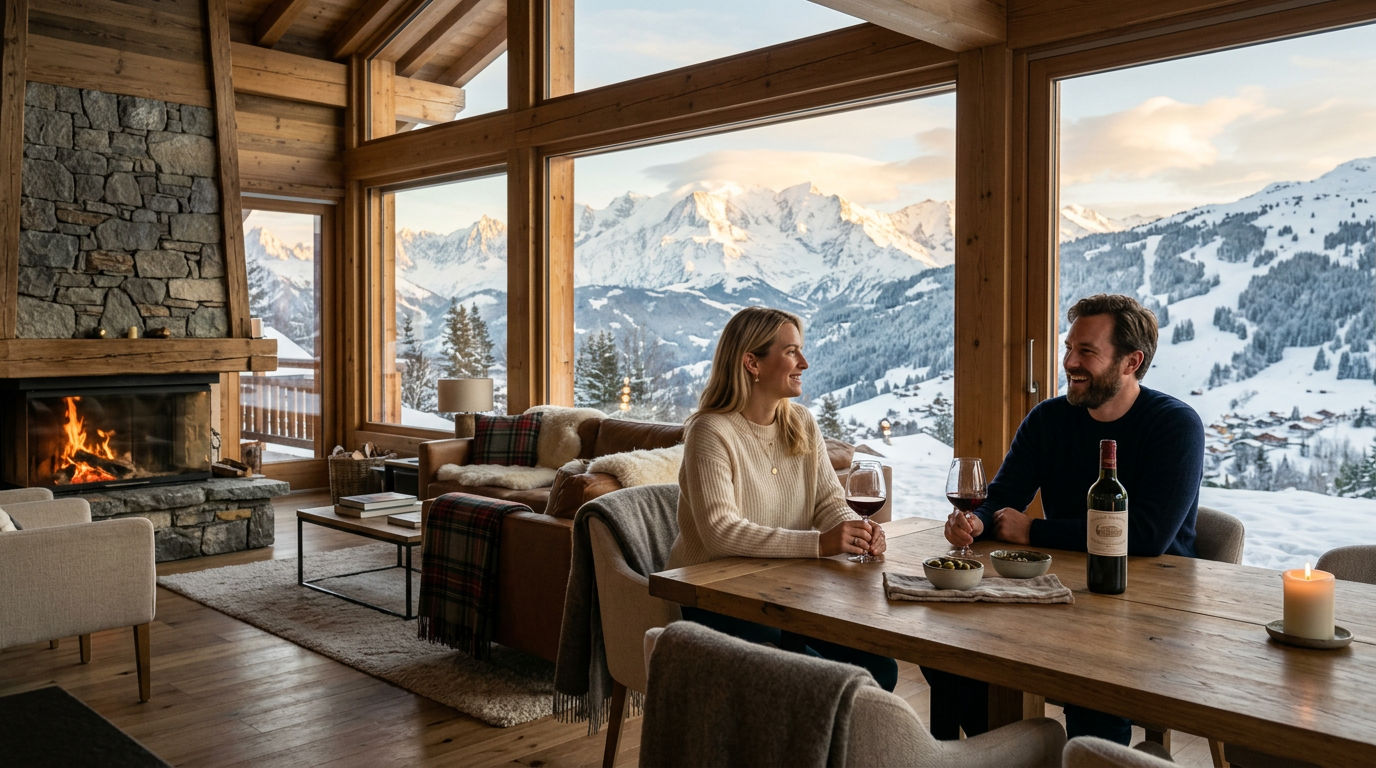
Austria's most refined ski village, and arguably the most livable luxury ski destination in the Alps. Lech sits at 1,450m in the Arlberg region, connected to St. Anton, Zürs, and Warth-Schröcken via the Ski Arlberg lift network — 305km of runs making it Austria's largest linked ski area.
What makes Lech distinctive is balance. The skiing is demanding enough for experts (the off-piste above Zürs is world-class), yet the village atmosphere is warm rather than imposing. Family-run hotels outnumber corporate properties. The dining is hearty Austrian cuisine elevated to fine-dining standards. Chalets here tend toward cozy alpine elegance — lower ceilings, more fireplaces, serious wine cellars.
Val d'Isère, France
Val d'Isère pairs serious skiing with serious character. Connected to Tignes via the Espace Killy area (300km of runs), the resort is known for challenging terrain — it regularly hosts World Cup downhill races, and the off-piste options rival any in Europe. The village has an edge that Courchevel sometimes lacks: a genuine ski-town energy built around the sport itself.
The accommodation scene ranges from traditional Savoyard chalets to contemporary designs with clean lines and floor-to-ceiling glass. This is where discerning skiers come to push their abilities during the day and eat very well at night — without the social performance of more fashionable addresses.
Cortina d'Ampezzo, Italy
Cortina brings Italian flair to the Dolomites and steps into renewed international attention as the co-host of the 2026 Winter Olympics. The skiing spans 120km of runs beneath dramatic limestone spires, with access to the broader Dolomiti Superski network (1,200km total). The town itself is a pedestrian-friendly mix of boutiques, gelaterias, and mountain restaurants that serve food of genuine quality at altitude.
Cortina's accommodation often features a warmth unique to the Italian approach: reclaimed wood interiors, locally sourced furnishings, and terraces facing the pale rock towers of the Tofane. Nightly chalet rates are typically 30–40% lower than equivalent properties in Courchevel or Zermatt, making Cortina the strongest value proposition in European luxury skiing.
Best Luxury Ski Destinations in North America
North America's top luxury ski destinations offer a different experience from the Alps: larger individual mountains, shorter transfer times, and accommodation that blends contemporary design with genuine Western character. Aspen, Deer Valley, and Jackson Hole lead the field, with Whistler, Big Sky, and Telluride offering compelling alternatives for those seeking less-trafficked terrain.
Aspen, Colorado
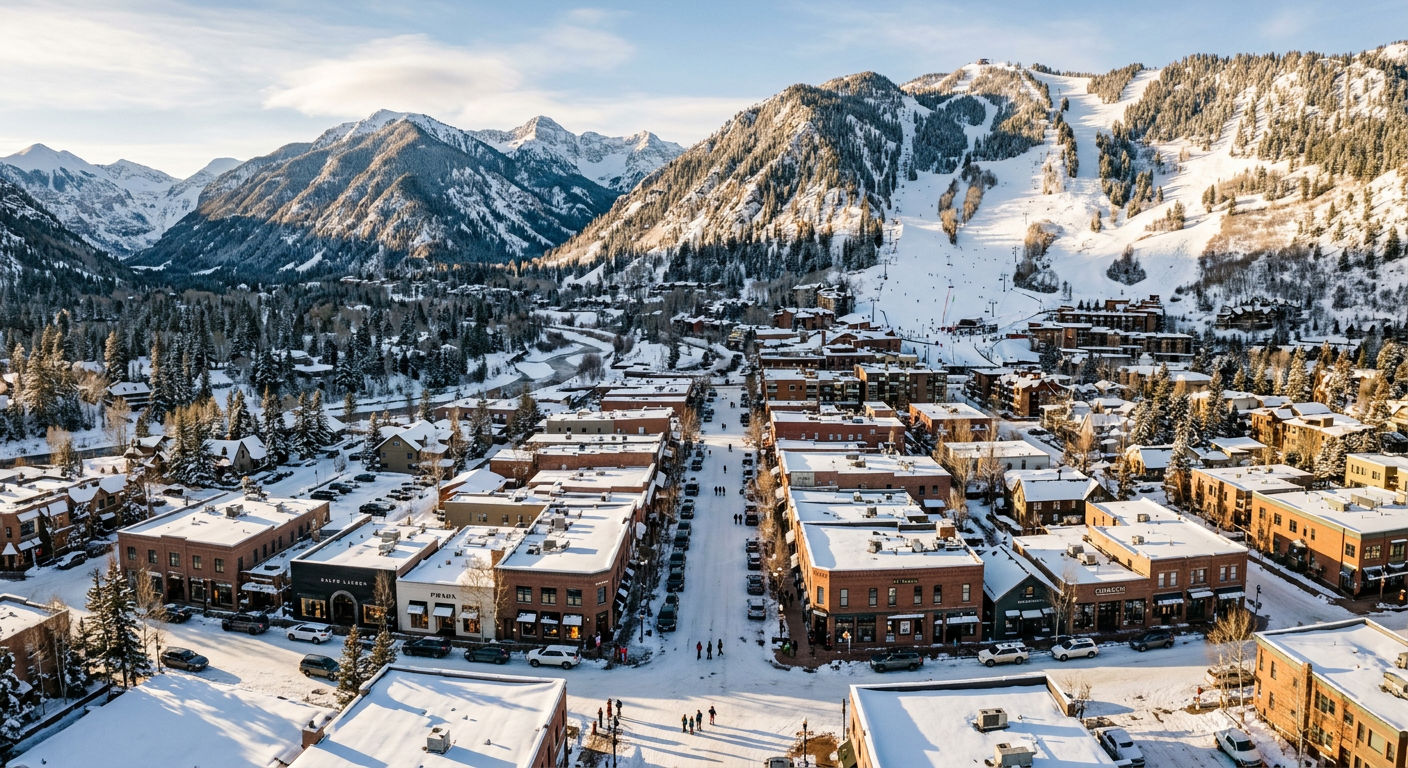
Aspen remains the benchmark for luxury skiing in North America. Four mountains (Aspen Mountain, Aspen Highlands, Buttermilk, Snowmass) offer 5,527 acres of terrain, with the town itself providing a walkable downtown filled with restaurants, galleries, and cultural programming that operates year-round. Average annual snowfall reaches 300 inches, and the base elevation of 2,422m keeps conditions consistent.
The private rental market in Aspen is among the deepest in North America, ranging from ski-in condominiums to standalone mountain homes with 8+ bedrooms. The town's strict architectural standards ensure that even newer builds integrate with the Victorian-era streetscape rather than overwhelming it.
Deer Valley, Utah
Deer Valley is the most intentionally curated ski experience in the United States. The resort limits daily skier visits to 7,500, prohibits snowboarding, and provides a level of grooming that makes every run feel freshly prepared. Six peaks span 2,026 acres, with 3,000 feet of vertical and an annual snowfall averaging 300 inches of Utah's famously dry powder.
The accommodation around Deer Valley emphasizes contemporary mountain design — clean lines, natural materials, and properties designed around views of the Wasatch Range. Stein Eriksen Lodge and the Montage Deer Valley anchor the hotel market, while the private rental inventory continues to expand with newer developments in the Empire Pass area.
Jackson Hole, Wyoming
Jackson Hole is the destination for skiers who prioritize terrain above all else. With 2,500 acres and 4,139 feet of continuous vertical — the most in North America — the mountain is genuinely challenging. Corbet's Couloir is the most famous inbounds expert run on the continent, but the intermediate terrain across Après Vous and Casper Bowl offers substance for developing skiers too.
The town of Jackson maintains a Western character that distinguishes it from more polished alternatives. The dining scene has matured considerably, and the private chalet market around Teton Village offers ski-in/ski-out access to the mountain's base. Proximity to Grand Teton and Yellowstone National Parks adds depth for guests seeking off-mountain experiences.
Whistler, British Columbia
The largest ski resort in North America by acreage, Whistler Blackcomb offers over 8,100 acres of terrain across two mountains connected by the Peak 2 Peak gondola. Annual snowfall averages 1,164cm (458 inches), and the season regularly extends from late November into May. The vertical drop of 1,609m exceeds any resort in the contiguous United States.
Whistler Village is purpose-built but has matured into a genuine town with independent restaurants, craft breweries, and a cultural center. The chalet market includes ski-in/ski-out properties in the Upper Village and Creekside areas, with pricing that benefits from the favorable Canadian dollar exchange for American and European travelers.
Big Sky, Montana
Big Sky has emerged as the quieter, more space-conscious alternative to established luxury destinations. Lone Mountain's 4,350 vertical feet and 5,800+ acres make it one of the largest ski areas in North America, yet daily visits remain comparatively low — the mountain absorbs skiers in a way more compact resorts cannot.
The Montage Big Sky, opened in 2021, signaled the resort's shift toward considered luxury positioning. Private residences and rental properties have followed, with a design ethos that emphasizes big windows, natural stone, and minimal visual noise against the dramatic Montana landscape. For travelers who value space, silence, and serious vertical, Big Sky is the most compelling new entrant in the luxury ski category.
Telluride, Colorado
Telluride's combination of a preserved Victorian mining town, 2,000+ acres of skiing, and a free gondola connecting the town to the Mountain Village makes it structurally unique. The town sits in a box canyon at 2,667m, with the 14,000-foot peaks of the San Juan Mountains forming a natural amphitheater. Average annual snowfall exceeds 300 inches.
The Mountain Village side offers slope-side chalets with direct ski access, while the historic town provides a more grounded, walkable experience. The free gondola between the two eliminates the need for a car entirely. Telluride's remoteness — the nearest major airport is 90 minutes away — filters for travelers who are deliberate about where they go, which shapes the character of the place itself.
How Do These Luxury Ski Destinations Compare?
Choosing between these destinations depends on what you prioritize: terrain challenge, village culture, family-friendliness, or value. This comparison covers the metrics that matter most when planning a luxury ski vacation.
| Destination | Country | Skiable Area | Vertical Drop | Avg. Annual Snowfall | Season Length | Avg. Chalet Cost/Night |
|---|---|---|---|---|---|---|
| Courchevel 1850 | France | 600km (linked) | 1,500m | 400cm | Dec–Apr | €8,000–€25,000 |
| Zermatt | Switzerland | 360km (linked) | 2,263m | 300cm | Nov–May | CHF 5,000–CHF 20,000 |
| St. Moritz | Switzerland | 350km | 1,823m | 200cm | Nov–Apr | CHF 4,000–CHF 15,000 |
| Lech am Arlberg | Austria | 305km (linked) | 1,210m | 700cm | Dec–Apr | €3,000–€12,000 |
| Val d'Isère | France | 300km (linked) | 1,850m | 500cm | Nov–May | €4,000–€15,000 |
| Cortina d'Ampezzo | Italy | 120km (local) | 1,200m | 300cm | Dec–Apr | €2,500–€10,000 |
| Aspen | USA | 5,527 acres | 1,343m | 762cm | Nov–Apr | $3,000–$20,000 |
| Deer Valley | USA | 2,026 acres | 914m | 762cm | Dec–Apr | $2,500–$15,000 |
| Jackson Hole | USA | 2,500 acres | 1,262m | 1,143cm | Dec–Apr | $2,000–$12,000 |
| Whistler | Canada | 8,171 acres | 1,609m | 1,164cm | Nov–May | CAD 2,000–CAD 10,000 |
| Big Sky | USA | 5,800 acres | 1,326m | 1,016cm | Nov–Apr | $2,000–$10,000 |
| Telluride | USA | 2,000 acres | 1,349m | 762cm | Nov–Apr | $2,500–$15,000 |
Note: Chalet prices reflect peak-season nightly rates for a high-quality 4–6 bedroom property. Rates vary significantly by week, with Christmas/New Year and February school holidays commanding premiums of 50–100% above average.
Best Luxury Ski Destinations for Couples
Zermatt and Telluride consistently rank as the top luxury ski destinations for couples, combining intimate village settings with world-class skiing and dining. Both offer car-free or car-minimal environments, walkable town centers, and accommodation designed for privacy — from Zermatt's Matterhorn-view suites to Telluride's gondola-connected mountain chalets.
Three additional destinations stand out for couples:
- Lech am Arlberg — The smallest village on this list, with a romantic atmosphere rooted in Austrian hospitality, thoughtful wine lists, and après-ski that revolves around fireside conversation rather than nightlife
- Cortina d'Ampezzo — Italian culture adds warmth and style, with evening passeggiate through the pedestrian center and restaurants where the chef may visit your table
- Deer Valley — Groomed perfection and crowd limits create a calm on-mountain experience, paired with spa-focused properties and refined dining
When to Book a Luxury Ski Vacation
The optimal booking window for luxury ski chalets is 6 to 12 months in advance for peak dates (Christmas, New Year, February half-term) and 3 to 6 months for value periods. January and March consistently offer the best combination of reliable snow conditions and lower rates — often 30–40% below peak-week pricing.
Peak pricing weeks to plan around:
- Christmas/New Year (Dec 20–Jan 3): Highest rates across all destinations. Book 9–12 months ahead.
- February school holidays (dates vary by country): Second-highest demand, particularly acute in European resorts.
- Presidents' Day week (US): Elevated demand in North American resorts.
Value windows worth targeting:
- Early January (Jan 4–20): Deep snow, empty slopes, and rates that drop immediately after New Year.
- March: Spring conditions, longer daylight hours, and significantly lower rates in both the Alps and North America.
- Late November/early December: Season-opening rates before the holiday surge. Snow conditions vary.
For travelers with flexibility, the first two weeks of January represent the strongest value proposition in luxury skiing. The snow is typically at its deepest, the holiday crowds have departed, and properties that commanded five-figure nightly rates days earlier become available at a fraction of the cost.
Explore These Destinations on Powder Edition
Powder Edition curates the finest ski chalets across the Alps and North America. Explore properties in Courchevel, Zermatt, Verbier, Aspen, or browse all destinations.
Frequently Asked Questions
What is the most luxurious ski resort in the world?
Courchevel 1850 in the French Alps is widely considered the most luxurious ski resort globally. It holds the highest concentration of Michelin-starred restaurants of any ski resort (seven), the deepest market for ultra-premium private chalets, and direct access to 600km of runs in Les Trois Vallées — the world's largest linked ski area.
Where do the rich go to ski?
Ultra-high-net-worth travelers concentrate in Courchevel 1850 (France), St. Moritz (Switzerland), Aspen (USA), and Gstaad (Switzerland). These destinations offer private chalet rentals with dedicated staff, helicopter transfers, private ski instruction, and social calendars that revolve around the winter season. In recent years, Deer Valley and Lech am Arlberg have attracted an increasingly affluent clientele seeking quieter alternatives.
How much does a luxury ski vacation cost?
A week in a high-end private chalet for a group of 8–10 typically ranges from $15,000 to $80,000 depending on destination and dates. This usually includes the property, a private chef, and daily housekeeping. Lift passes, equipment, and instruction are additional — budget approximately $2,000–$4,000 per person per week for these extras. Per-person costs in a shared chalet often compare favorably to equivalent five-star hotel stays.
Is it cheaper to rent a chalet or book a luxury ski hotel?
For groups of six or more, private chalet rentals consistently offer better value than comparable hotel rooms. A four-bedroom chalet with private chef, hot tub, and ski-in access in Verbier might cost €12,000 per night — or €3,000 per couple. An equivalent hotel room at a five-star property in the same resort would typically run €1,500–€2,500 per night without meals or private facilities.
What is the best luxury ski destination for beginners?
Deer Valley and Courchevel 1850 offer the strongest beginner experiences in the luxury category. Both feature well-regarded ski schools, gentle terrain accessible from the village, and mountain restaurants that make midday breaks feel like part of the experience rather than a concession. Deer Valley's grooming standards and daily skier limits are particularly well-suited to those building confidence on the slopes.
When is the cheapest time to book a luxury ski vacation?
Early January (immediately after New Year) and March offer the lowest rates for luxury ski properties. Chalet rates in both periods typically run 30–40% below Christmas and February half-term peaks. March also benefits from longer daylight, warmer temperatures, and spring snow conditions that many experienced skiers prefer to midwinter.