Luxury Ski Resorts in Switzerland: 4 Destinations Compared for 2026

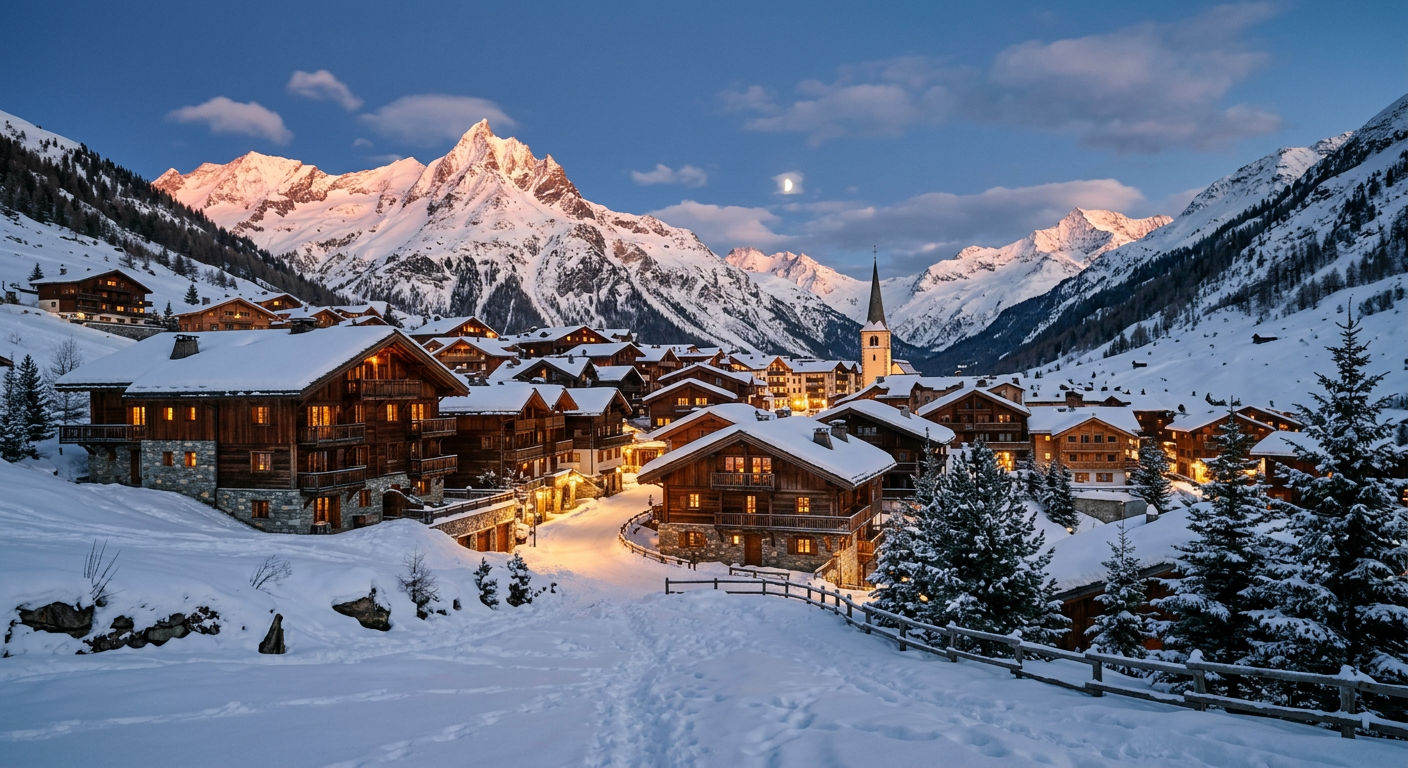
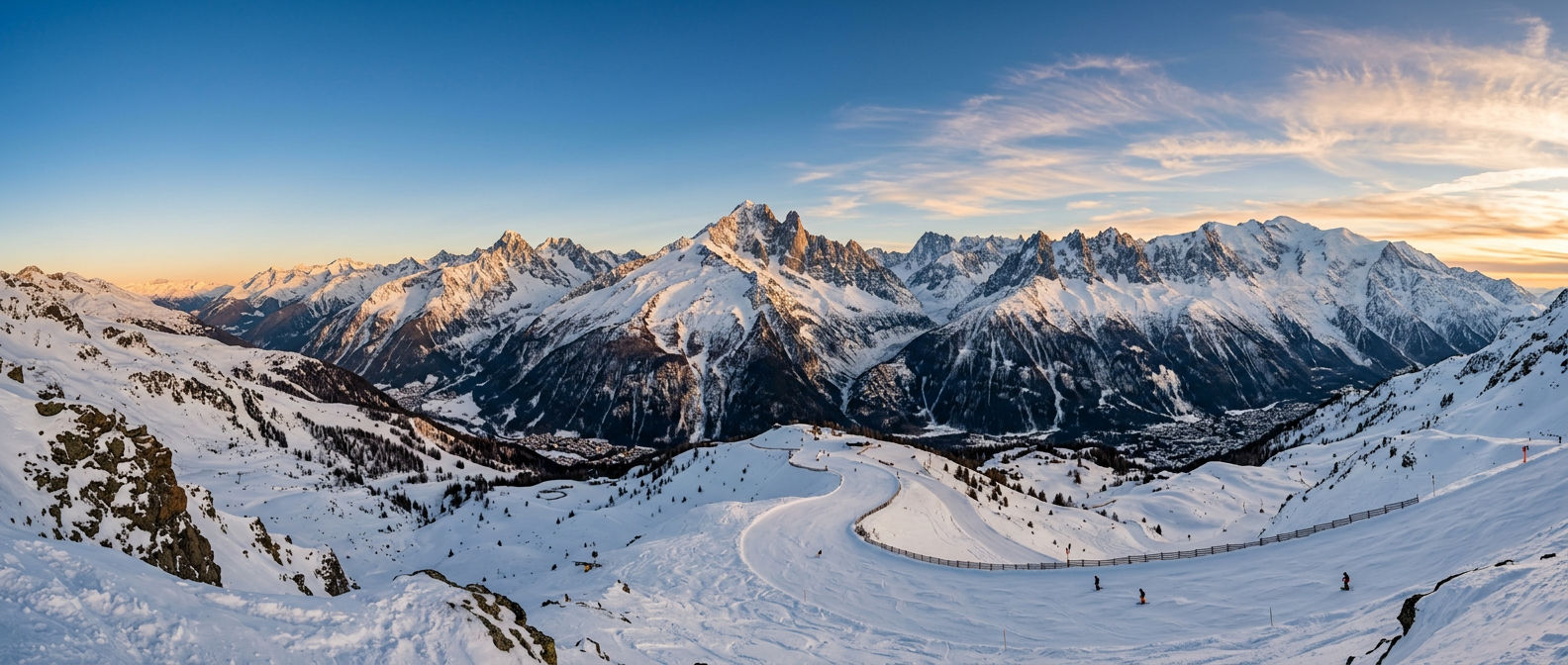
Switzerland's four leading luxury ski resorts — Verbier, Zermatt, St. Moritz, and Gstaad — each define mountain refinement differently. One rewards the committed off-piste skier, another makes the Matterhorn your daily backdrop, a third offers Engadin glamour on a frozen lake, and the fourth hides extraordinary wealth behind Bernese understatement. This guide compares all four using real property data from our current collection of nearly 300 Swiss chalets, apartments, and residences.
Why Switzerland Defines Luxury Skiing
Switzerland consistently ranks as the premier destination for luxury ski holidays in Europe, combining high-altitude terrain with a hospitality tradition that predates the sport itself. Zermatt opened its first grand hotel in 1852 — decades before ski lifts existed. That heritage shows in the quality of accommodation available today.
In our current collection, we list over 290 properties across four Swiss resorts. The wellness provision is particularly notable: more than 80% include a hot tub, over 70% have a sauna, and roughly two-thirds offer a private pool. These are not afterthoughts — they are central to the Swiss mountain experience, where the hours after skiing matter as much as the hours on snow.
What distinguishes Swiss luxury resorts from their French or Austrian counterparts is consistency. The infrastructure — from mountain railways to village pedestrianisation to building standards — operates at a level that removes friction from the entire trip. The skiing is matched by the experience around it.
| Resort | Properties | Hot Tub | Sauna | Pool | Ski-in Access | Chef Service |
|---|---|---|---|---|---|---|
| Verbier | 123 | 81% | 72% | 63% | 90% | 20% |
| Zermatt | 113 | 84% | 82% | 66% | 93% | 17% |
| St. Moritz | 35 | 66% | 74% | 71% | 100% | 23% |
| Gstaad | 23 | 87% | 100% | 100% | 96% | 26% |
Verbier: The Freeride Capital
Verbier is the resort that serious skiers recommend to other serious skiers. Anchoring the 4 Vallees — 410 kilometres of linked terrain — it is defined by steep, technical descents like the Mont Fort glacier and the itinerary runs off Mont Gele. The freeride terrain here draws professionals and ambitious intermediates in roughly equal measure.
The accommodation reflects this confident character. In our current collection of 123 Verbier properties, 95 are standalone chalets — the highest proportion of any Swiss resort. The wellness offering runs deep: 100 properties include a hot tub, 88 have a sauna, and 77 feature a private pool. For groups, 60 properties accommodate 10 or more guests.
What Sets Verbier Apart
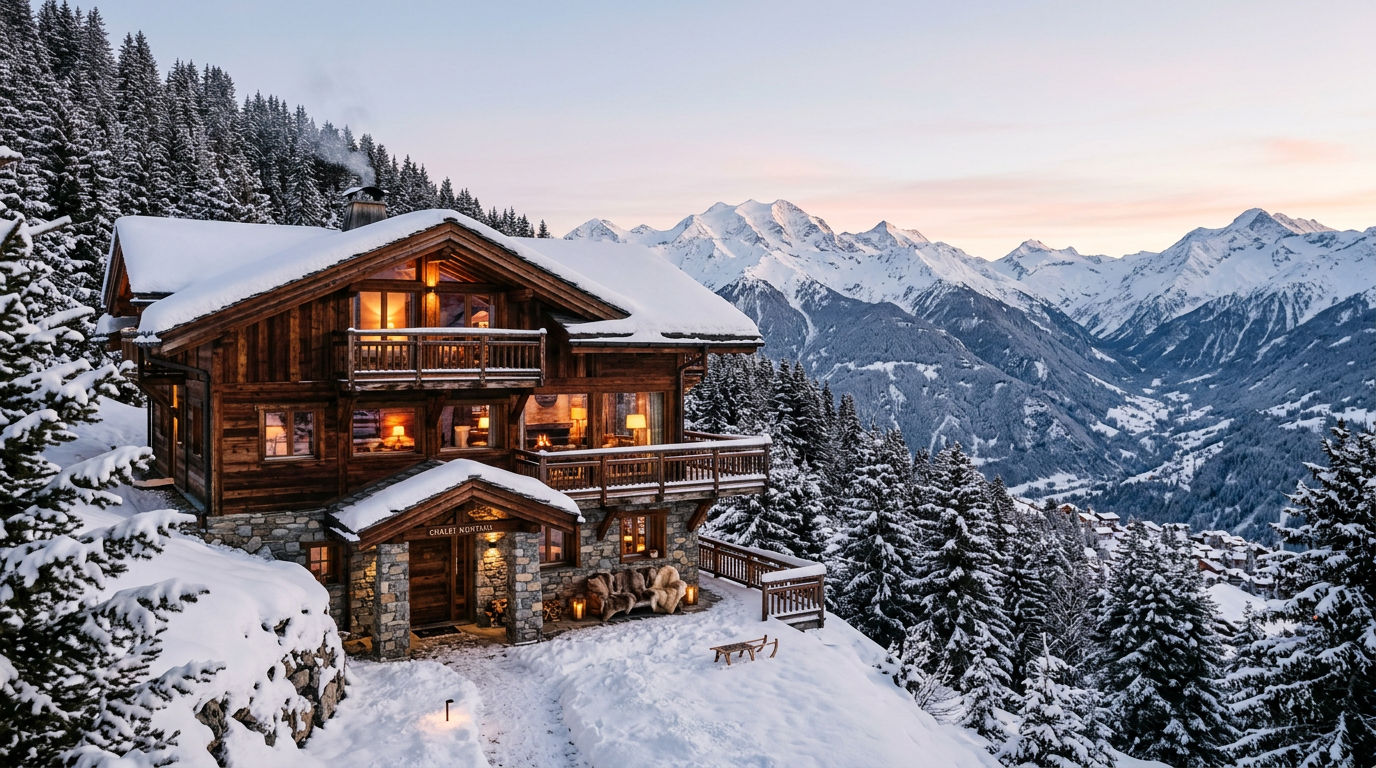
Verbier's village sits at 1,500 metres with a south-facing aspect that floods the terraces with afternoon sun — a detail that shapes the social rhythm of the resort. The combination of technical skiing and convivial village life creates a distinctive atmosphere: demanding on the mountain, relaxed in town.
The catered chalet tradition runs strong here, with 27 properties in our collection offering full catered service and another 40 on a flexible basis. Service levels range from self-catered apartments to fully staffed estates with private chefs, spa therapists, and concierge teams.
Among the larger chalets in our Verbier collection, Chalet Marmottiere stands out — a nine-bedroom property sleeping 18, with a private pool, hot tub, sauna, hammam, and gym.
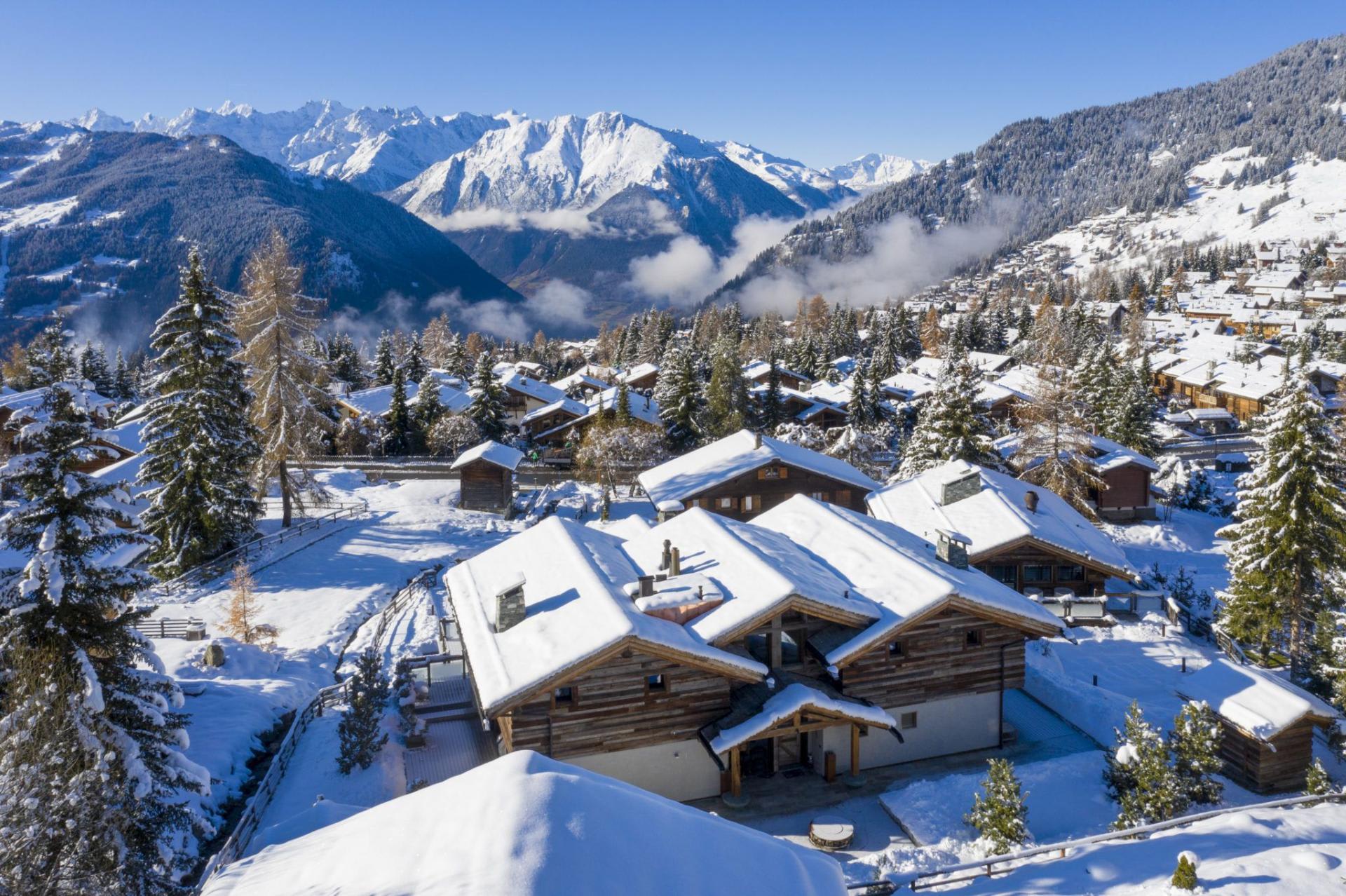
Best for: Strong skiers and mixed groups who want serious terrain paired with a sociable village. Explore Verbier chalets with hot tubs.
Verbier at a Glance
- Altitude: 1,500m (village) — 3,330m (Mont Fort)
- Ski area: 410km (4 Vallees linked)
- Nearest airport: Geneva (2h transfer)
- Season: Late November — mid-April
- Character: Confident, social, freeride-focused
Zermatt: Car-Free Alpine Refinement
Zermatt offers something no other Swiss resort can: a car-free village beneath the most recognisable mountain in the world. The Matterhorn dominates every sightline, and the resort's decision to ban cars (dating to 1947) creates a calm that larger alpine towns lack. Electric taxis and horse-drawn carriages handle transport. The skiing spans 360 kilometres when linked with Cervinia on the Italian side, and the Klein Matterhorn glacier guarantees snow into late spring.
In our current collection of 113 Zermatt properties, the wellness standard is the highest of any Swiss resort: 84% have a hot tub, 82% include a sauna, and 93% offer ski-in or quick-access proximity to the lifts. The property mix is more varied than Verbier — 52 chalets, 25 apartments, and 35 hotel residences — reflecting Zermatt's position as both a traditional mountain village and a sophisticated alpine town.

What Sets Zermatt Apart
The altitude is a decisive advantage. At 1,620 metres, Zermatt is among the highest resort villages in the Alps, and the skiing reaches 3,883 metres — the highest lift-served point in Europe. Snow reliability is exceptional, with glacier skiing available well into summer.
The car-free policy transforms the village experience. Without traffic, the narrow lanes between centuries-old timber chalets become the social stage. Evening strolls to dinner happen at a pace that most ski towns have lost.
Chalet Les Anges exemplifies the Zermatt standard — a seven-bedroom catered chalet for 14 guests, with a hot tub, spa, mountain views, and direct lift proximity.
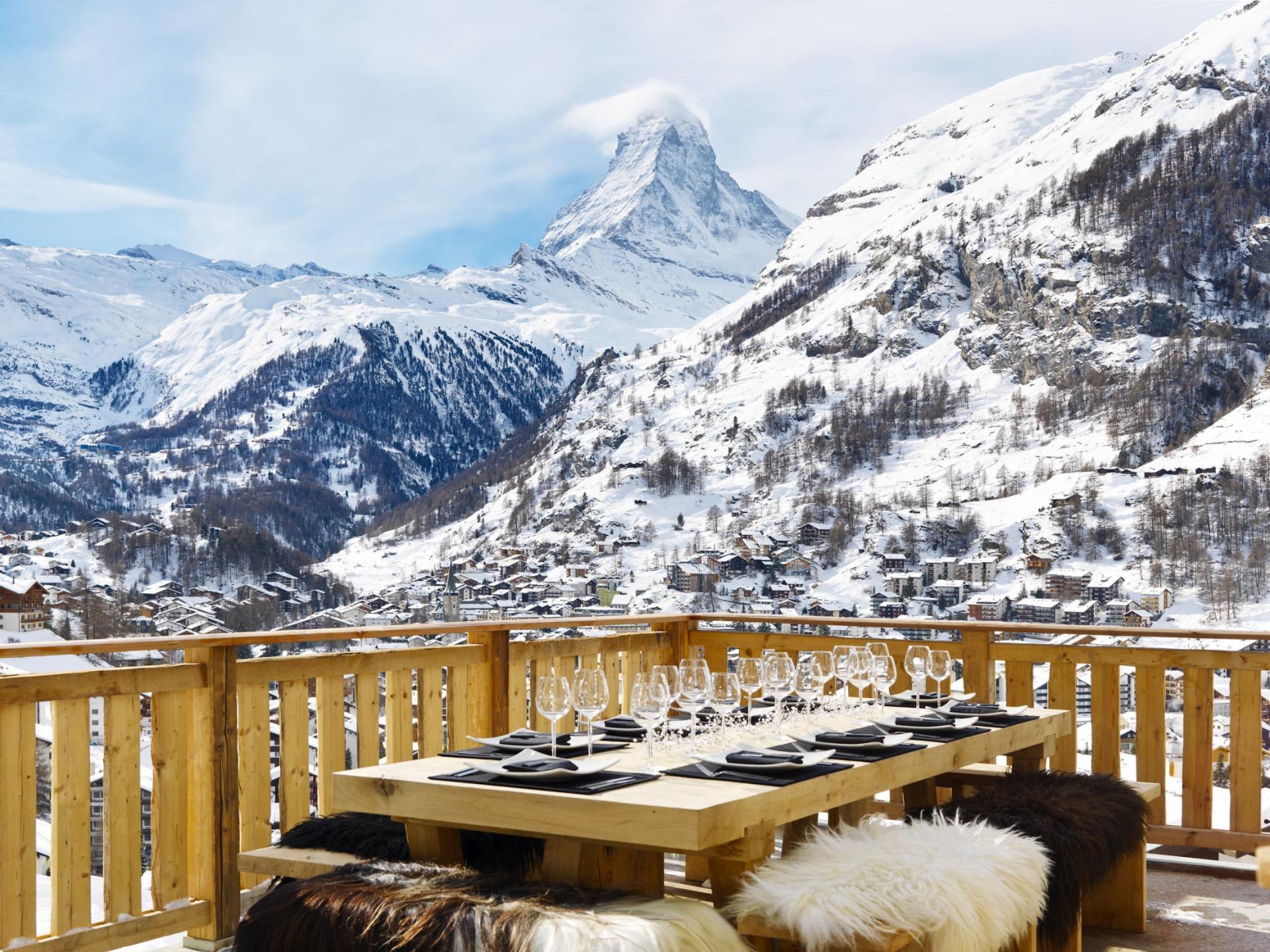
Best for: Couples and small groups who value atmosphere, snow reliability, and a village that works as well off the slopes as on them. Browse Zermatt properties.
Zermatt at a Glance
- Altitude: 1,620m (village) — 3,883m (Klein Matterhorn)
- Ski area: 360km (linked with Cervinia)
- Nearest airport: Geneva (3.5h) or Zurich (3.5h)
- Season: Year-round (glacier); November — April (main)
- Character: Car-free, iconic, quietly sophisticated
St. Moritz: Engadin Glamour
St. Moritz invented the winter holiday. In 1864, hotelier Johannes Badrutt wagered with a group of British summer guests that they would enjoy the Engadin valley in winter. They stayed until spring, and the Alpine ski season was born. That spirit of confident hospitality still defines St. Moritz — a resort that treats luxury not as an indulgence but as a baseline.
Our St. Moritz collection of 35 properties leans heavily toward hotel residences and serviced apartments, reflecting the resort's tradition of managed hospitality. The spa provision is particularly strong: 86% of properties include a spa, 74% have a sauna, and 71% feature a pool. Chef service is available in 23% of the collection — the highest rate of any Swiss resort in our portfolio.
What Sets St. Moritz Apart
The Engadin valley's microclimate delivers an average of 322 days of sunshine per year — a statistic so unlikely for a snow-sport destination that the resort trademarked its sun logo. The light at altitude transforms the frozen lake and surrounding peaks into a landscape that photographers cross continents to capture.
The skiing spans two areas: Corviglia (the main mountain above the town) and the quieter Corvatsch/Furtschellas sector. Together they offer 350 kilometres of pistes. But St. Moritz has always been about more than skiing — the Cresta Run, polo on the frozen lake, and the White Turf horse races define its winter calendar.
The Chesa Laret represents the intimate end of St. Moritz accommodation — a seven-bedroom catered chalet for 12 guests, with a library, garden, and the kind of domestic refinement that the palace hotels cannot replicate.
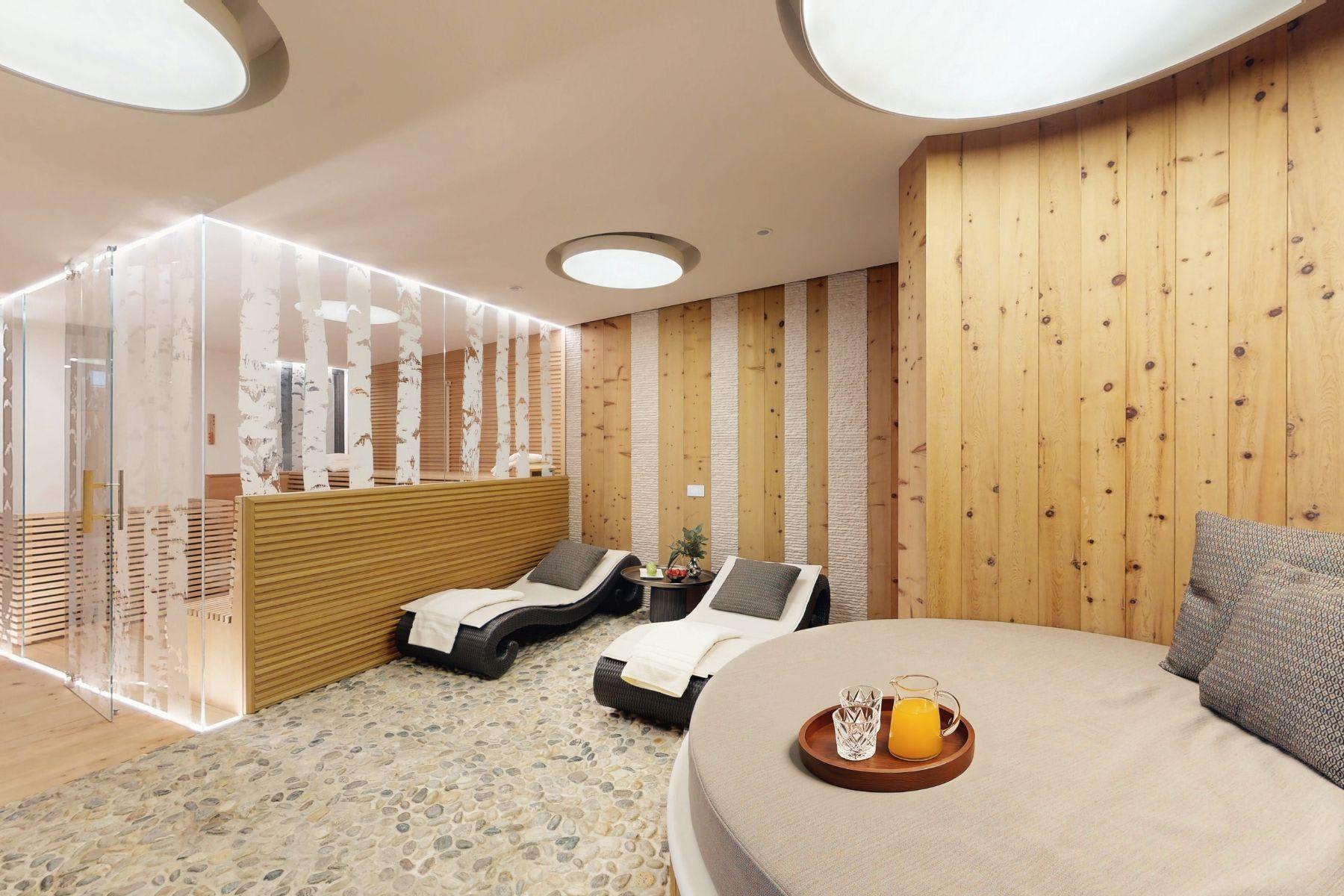
Best for: Those who want a social winter calendar, sunshine, and hotel-level service in a chalet setting. Explore St. Moritz properties.
St. Moritz at a Glance
- Altitude: 1,822m (village) — 3,303m (Corvatsch)
- Ski area: 350km (Corviglia + Corvatsch)
- Nearest airport: Zurich (3h) or Milan (3.5h)
- Season: Late November — mid-April
- Character: Glamorous, social, sun-drenched
Gstaad: Understated Bernese Elegance
Gstaad is the resort that wealth chooses when it wants to disappear. Where St. Moritz announces itself, Gstaad whispers. The village enforces strict building codes — no structure may exceed the height of a typical chalet — and the result is a town that feels unchanged despite hosting some of the world's wealthiest families for over a century.
The skiing is more modest than its neighbours — 250 kilometres across multiple sectors — but Gstaad has never been primarily about the piste map. It is a place where the morning walk to the bakery, the afternoon on cross-country trails, and the evening concert at the Menuhin Festival form the texture of the stay.
In our current collection of 23 Gstaad properties, the wellness provision is remarkable: every single property includes a sauna, every one has a pool, and 87% feature a hot tub. Chef service is available in 26% — the highest proportion in our Swiss portfolio.
What Sets Gstaad Apart
The cultural programme distinguishes Gstaad from every other resort on this list. The Menuhin Festival (classical music), the Gstaad Country Night (country music, improbably), and the Swiss Open tennis tournament mean the town attracts visitors well beyond the ski season. The pedestrianised promenade lined with independent boutiques and galleries reinforces a village character that feels curated without being contrived.
The Ultima Gstaad Promenade captures the Gstaad ethos — a nine-bedroom catered chalet for 16 guests, with a private pool, gym, cinema, and ski room, set in the heart of the village.
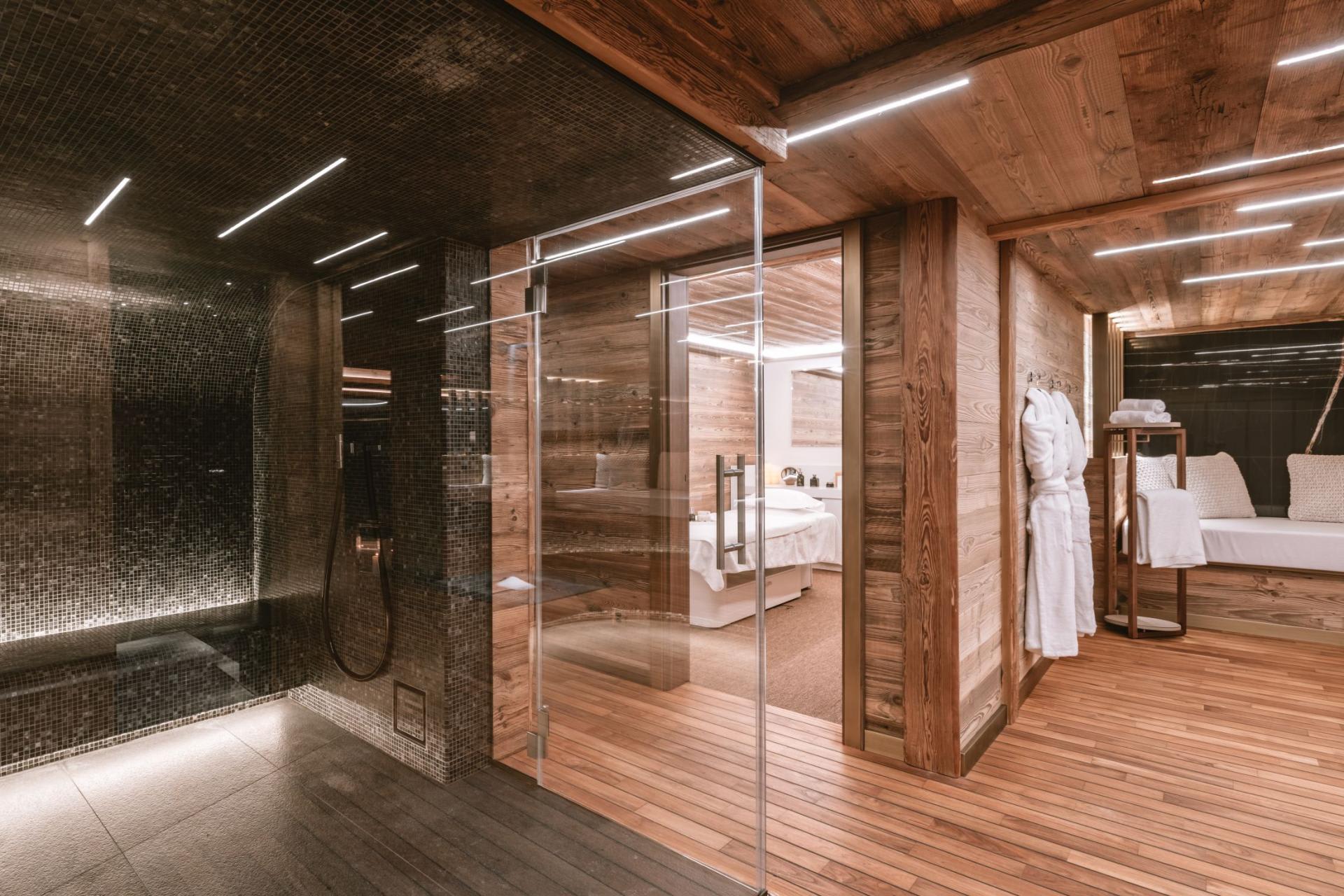
Best for: Families and multi-generational groups who value discretion, cultural depth, and a village where the non-skiing days are as rewarding as the skiing ones. Browse Gstaad properties.
Gstaad at a Glance
- Altitude: 1,050m (village) — 3,000m (Glacier 3000)
- Ski area: 250km (Gstaad Mountain Rides)
- Nearest airport: Geneva (2.5h) or Bern (1.5h)
- Season: Late November — mid-April
- Character: Discreet, cultural, understated wealth
How to Choose Your Swiss Luxury Ski Resort
The right Swiss resort depends less on the skiing and more on what you want from the week. Each of these four delivers a high-quality mountain experience — but the character of that experience differs fundamentally.
| Decision Factor | Verbier | Zermatt | St. Moritz | Gstaad |
|---|---|---|---|---|
| Terrain difficulty | Expert / Advanced | All levels | Intermediate / Advanced | Intermediate |
| Village atmosphere | Social, energetic | Calm, car-free | Glamorous, events-driven | Discreet, cultural |
| Best group size | 8-18 (large chalets) | 4-12 (chalets + apartments) | 4-10 (serviced residences) | 6-16 (family groups) |
| Wellness standard | High (81% hot tub) | Very high (84% hot tub) | Hotel-grade (86% spa) | Exceptional (100% sauna) |
| Non-ski activities | Limited | Moderate | Extensive | Extensive |
| Transfer from Geneva | 2h | 3.5h | 4h+ | 2.5h |
For a group of strong skiers who want the biggest terrain and the liveliest village, Verbier is the clear choice. For couples or small parties who prioritise atmosphere and snow certainty, Zermatt delivers. St. Moritz suits those who want a social winter calendar with events beyond the slopes. And Gstaad rewards families and multi-generational groups who value discretion and cultural depth.
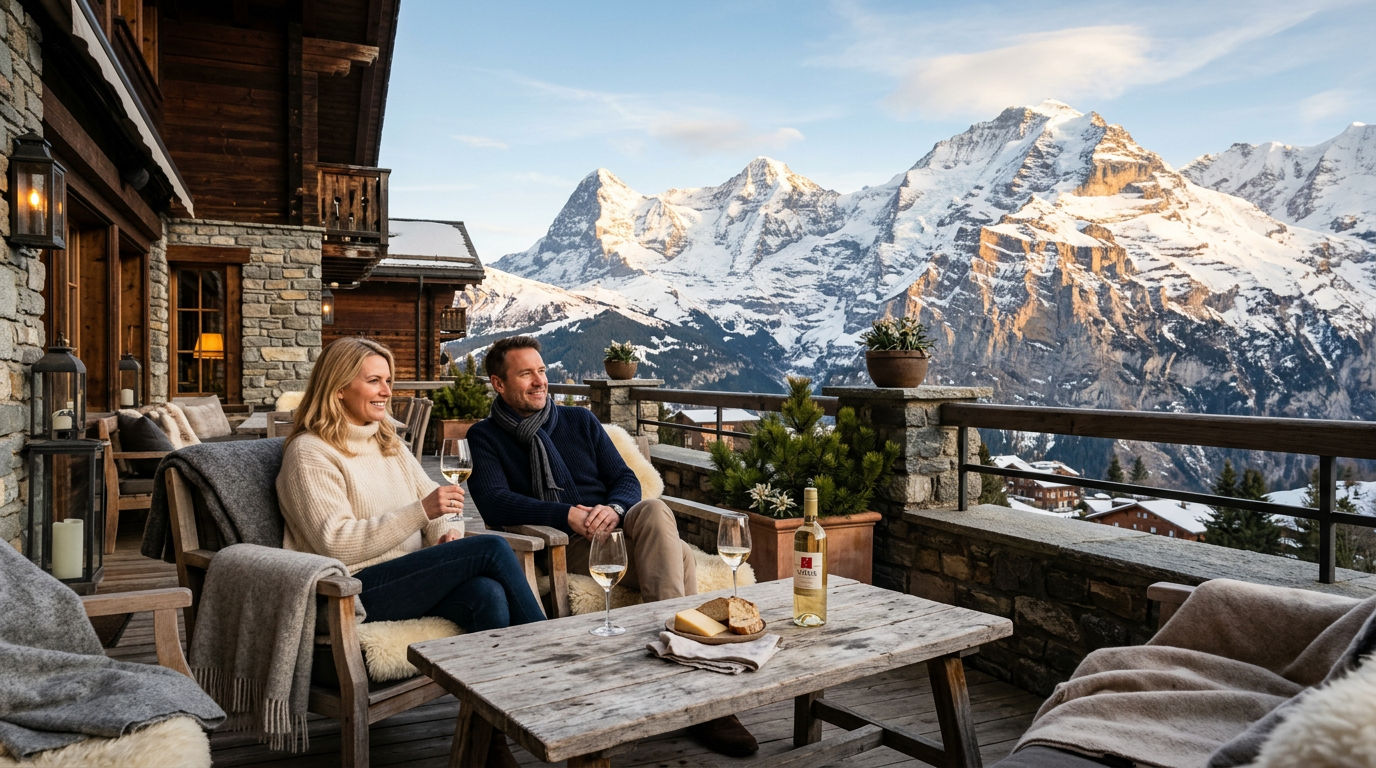
Explore Luxury Ski Properties in Switzerland
Powder Edition brings together the finest luxury ski properties across all four Swiss resorts. Browse our Verbier collection of 123 chalets and residences, explore Zermatt for car-free mountain living, or discover St. Moritz and Gstaad for something quieter. You can also view all Swiss properties side by side.
Frequently Asked Questions
Which Swiss ski resort is the most luxurious?
All four resorts in this guide operate at a luxury level, but St. Moritz has the longest pedigree — it invented the Alpine winter holiday in 1864. Gstaad's accommodation standard is notably high, with 100% of properties in our collection featuring both a sauna and a pool. For sheer concentration of high-end chalets, Verbier leads with 95 standalone chalets in our current portfolio.
Is Verbier or Zermatt better for skiing?
Verbier suits strong skiers seeking steep, technical terrain and extensive off-piste. The 4 Vallees offers 410 kilometres of linked runs with serious itinerary routes off Mont Gele. Zermatt offers a broader spread across 360 kilometres, including glacier skiing to nearly 3,900 metres, and is better suited to mixed-ability groups. Snow reliability favours Zermatt, thanks to its higher base altitude and glacier access.
How far are Swiss ski resorts from Geneva Airport?
Verbier is the closest at approximately 2 hours by car. Gstaad takes around 2.5 hours. Zermatt requires 3.5 hours, partly because the final leg is by train (cars are not permitted in the village). St. Moritz is better reached from Zurich (3 hours) or Milan (3.5 hours) than from Geneva.
What is the best time to visit Swiss luxury ski resorts?
Peak conditions in Switzerland typically run from mid-January through mid-March, when snow depth is greatest and daylight hours are lengthening. The Christmas and New Year period (late December) is the busiest and most expensive. For a balance of good snow and fewer crowds, the first two weeks of January and the last two weeks of March offer the best value. Zermatt's glacier extends the season into summer for those who want to ski in July.
Do Swiss chalets come with chef service?
Chef service availability varies by resort. In our current collection, Gstaad leads at 26%, followed by St. Moritz at 23%, Verbier at 20%, and Zermatt at 17%. Many properties also offer flexible catering — breakfast and dinner service that can be arranged for part or all of the stay. Fully catered chalets typically include a private chef, daily housekeeping, and a dedicated host.
Are Swiss ski resorts family-friendly?
Gstaad and Zermatt are the strongest choices for families. Gstaad's gentle terrain and car-light village create a safe environment for younger children, while the cultural programme keeps older children and non-skiing adults engaged. Zermatt's car-free policy makes the village exceptionally safe for families, and the skiing suits all levels. St. Moritz offers extensive children's programmes through its hotel infrastructure. Verbier's terrain is more suited to confident intermediate and advanced skiers, making it better for families with older, experienced children.