Ski Vacation Packing List: Everything You Need for a Week on the Mountain
Ski Vacation Packing List: Everything You Need for a Week on the Mountain
A well-packed ski trip comes down to layers, not luggage. The difference between a considered packing list and a chaotic one is rarely about forgetting something critical — it is about bringing too much of the wrong thing. This guide covers exactly what to pack for a ski vacation, from technical layers and slope essentials to the apres-ski details most lists overlook.
Whether you are flying to the Alps or driving to the Rockies, the principles are the same: dress in systems, protect your extremities, and leave room in your bag for the things your rental chalet already provides.
Base Layers and Mid Layers: The Foundation of Warmth
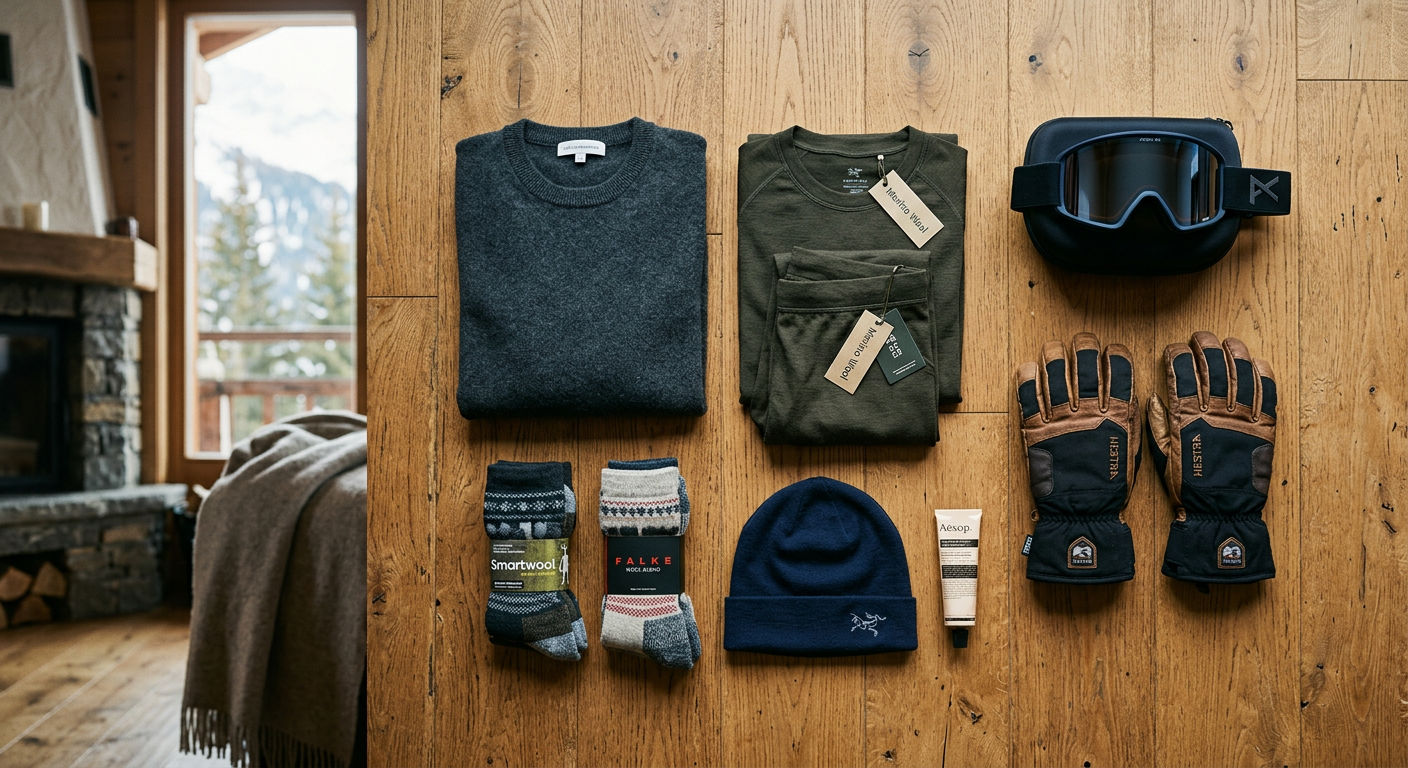
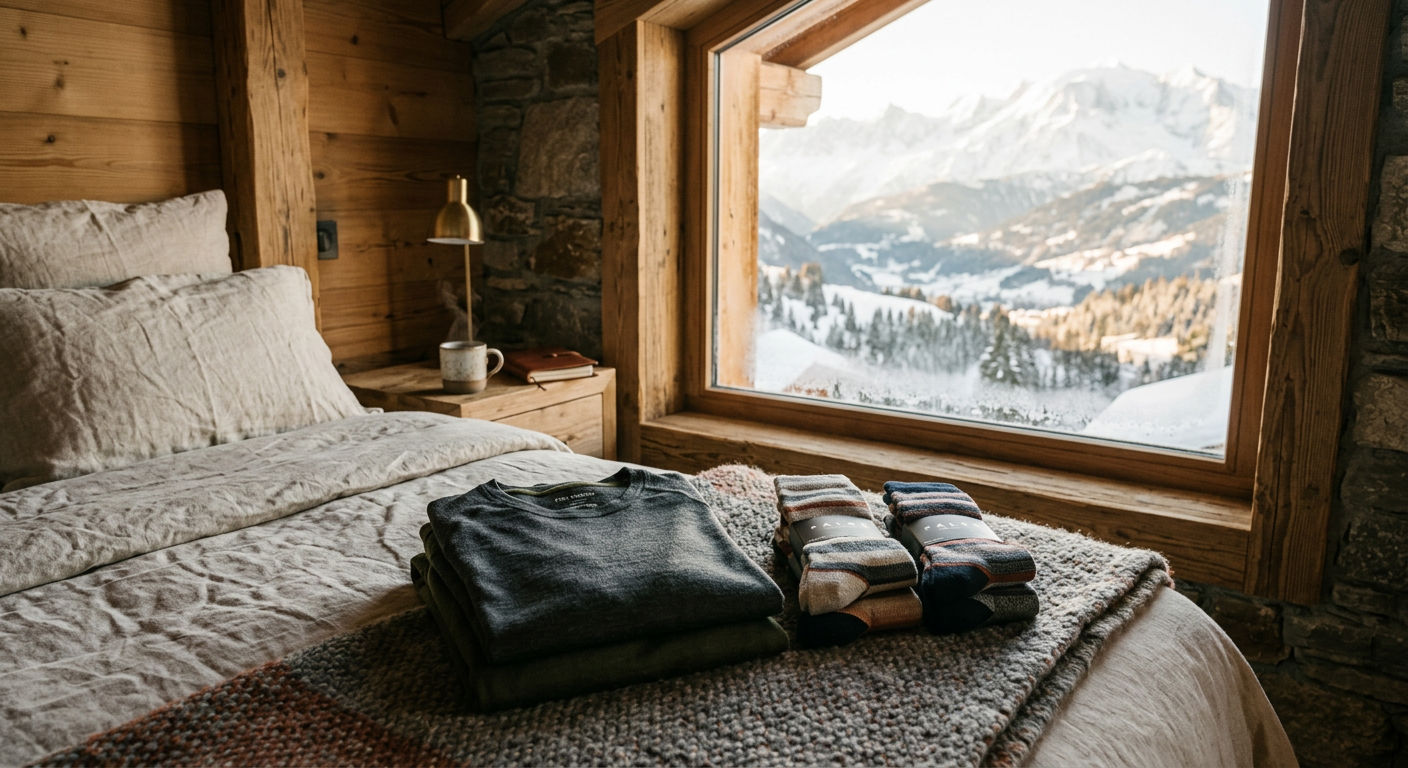
Merino wool base layers outperform synthetics for multi-day ski trips because they regulate temperature and resist odour across several days of wear. Pack two to three sets of base layers — tops and bottoms — and you can rotate through a full week without laundry.
For mid layers, a lightweight fleece or merino zip-neck handles most conditions. Add a packable down jacket for particularly cold days or chairlift-heavy mornings.
Base layer checklist:
| Item | Quantity | Notes |
|---|---|---|
| Merino base layer tops | 2–3 | 200-weight for most conditions |
| Merino base layer bottoms | 2–3 | Avoid cotton at all costs |
| Mid-layer fleece or zip-neck | 2 | One lightweight, one heavier |
| Packable down jacket | 1 | Doubles as apres-ski layer |
| Ski socks (merino blend) | 3–4 pairs | Thin is warmer than thick — tight boots restrict circulation |
A common mistake is packing thick ski socks. Thinner merino socks actually keep feet warmer because they allow boots to fit properly without compressing circulation.
Outer Layers: Jacket, Trousers, and Protection
A ski jacket rated to at least 10,000mm waterproofing and 10,000g breathability handles most resort conditions. Gore-Tex or equivalent membranes are worth the investment for week-long trips where you cannot simply swap to a dry jacket mid-day.
Ski trousers with reinforced hems and integrated gaiters prevent snow from entering boots. Bib-style trousers offer better coverage in deep snow and eliminate the gap between jacket and waistband that lets cold air in during falls.
Outer layer checklist:
- Ski jacket (waterproof, breathable, with hood)
- Ski trousers or bib (waterproof, reinforced hems)
- Neck gaiter or balaclava (merino or fleece)
- Ski gloves (insulated, waterproof) plus liner gloves
- Spare pair of gloves — wet gloves at lunch ruin an afternoon
- Ski helmet (or rent on arrival)
- Goggles with interchangeable lenses (low light and bright sun)
Gloves deserve particular attention. Pack two pairs: a primary insulated pair for skiing and a thinner liner pair for warmer days or as a backup when your main pair gets soaked. Wet gloves are the fastest route to a miserable afternoon on the mountain.
Ski Equipment: Bring It or Rent It
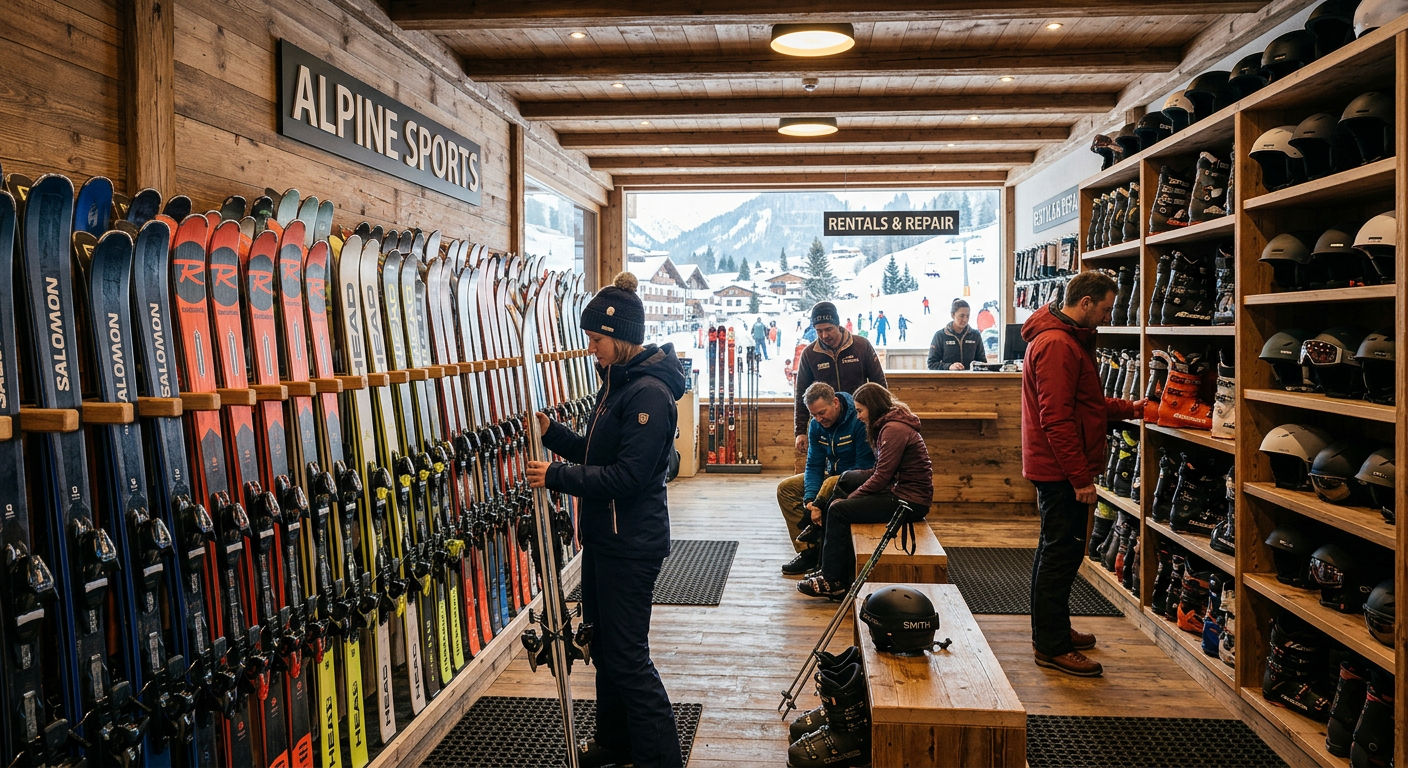
For most week-long ski vacations, renting skis, boots, and poles at the resort makes more sense than hauling your own gear through airports. Rental technology has improved dramatically — demo-level equipment is widely available at resorts across the Alps and the Rockies.
Bring your own equipment if you have custom-fitted boots, rely on specific ski dimensions, or plan more than two trips per season. Otherwise, the convenience of arriving without oversized luggage usually outweighs any marginal performance gain.
If you rent: Reserve online before arrival. Shops in towns like Courchevel and Verbier fill quickly during peak weeks, and pre-booking typically saves 10–20% over walk-in rates.
If you bring your own:
| Item | Packing tip |
|---|---|
| Skis or snowboard | Padded ski bag, wax before travel |
| Boots | Carry-on if possible — never check without a boot bag |
| Poles | Fit inside ski bag |
| Boot bag | Protects boots and doubles as day bag |
| Edge tool and wax kit | For multi-week trips only |
Boots are the single most important piece of equipment. If you own custom-fitted boots, always bring them — rental boots rarely match. Carry them in your hand luggage if flying, since lost checked luggage means lost ski days.
Apres-Ski and Evening Wear
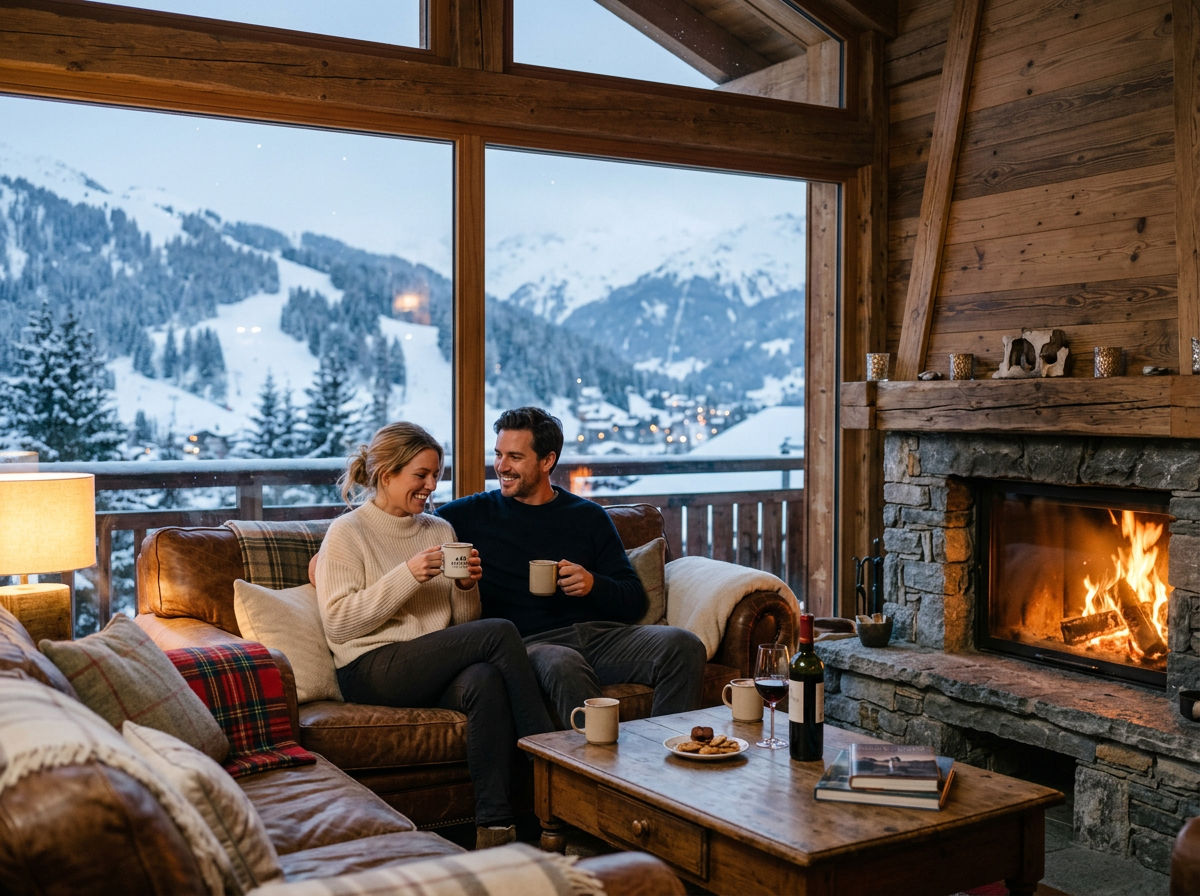
The hours after skiing are half the trip. Most ski towns have a clear but unstated dress code: clean, warm, and a step above athletic wear. A pair of slim-fitting trousers, a cashmere or merino sweater, and waterproof insulated boots cover everything from casual mountain restaurants to hotel bars.
Apres-ski packing list:
- Casual trousers or jeans (dark, slim fit) — 2 pairs
- Merino or cashmere sweater — 2
- Waterproof insulated boots (Sorel, Moon Boot, or similar)
- Down vest or lightweight jacket for village walks
- Swimsuit — many ski chalets in Zermatt and Megeve have hot tubs, pools, or spa access
The swimsuit is the item most often forgotten and most difficult to replace in a mountain village. If your accommodation has any kind of wellness facility, you will want it on the first evening.
Travel Essentials: Getting There Without the Stress
Flying with ski gear requires some planning. Most airlines charge EUR 30–60 per ski bag each way, with weight limits around 23kg. Book baggage allowance when you purchase your ticket — adding it at the airport costs significantly more.
Travel day packing list:
- Passport and travel documents
- Resort lift pass confirmation (most sell online in advance)
- Travel insurance documentation (confirm winter sports coverage)
- Portable charger — cold weather drains phone batteries 30–40% faster
- Sunscreen SPF 50 and lip balm with SPF — UV intensity at altitude is 25% higher per 1,000m
- Reusable water bottle
- Snacks for transfer — mountain transfers from airports like Geneva, Zurich, or Calgary can take 2–4 hours
Sunscreen and lip balm are non-negotiable. At 2,000m altitude, UV radiation is roughly 25% stronger than at sea level, and snow reflects up to 80% of UV rays. A day without protection at altitude causes burns that no amount of moisturiser will fix.
What Your Chalet Probably Provides
One advantage of renting a ski chalet over a hotel room is the space — but also the amenities. Most quality chalets in the Alps and Rockies provide items that first-time renters often over-pack.
Typically provided by your chalet:
- Bath towels and pool towels
- Hairdryer
- Bed linens and extra blankets
- Boot warmers or heated boot racks
- Basic kitchen essentials (coffee, tea, condiments)
- Washing machine and dryer
- Board games and books
Check with your host in advance:
- Ski storage (heated or unheated)
- Hot tub towels and robes
- Baby equipment (cots, high chairs)
- Grocery delivery on arrival
- Transfer arrangements from the airport
Confirming these details before packing eliminates the most common cause of over-packing: uncertainty. A quick message to your host saves a checked bag.
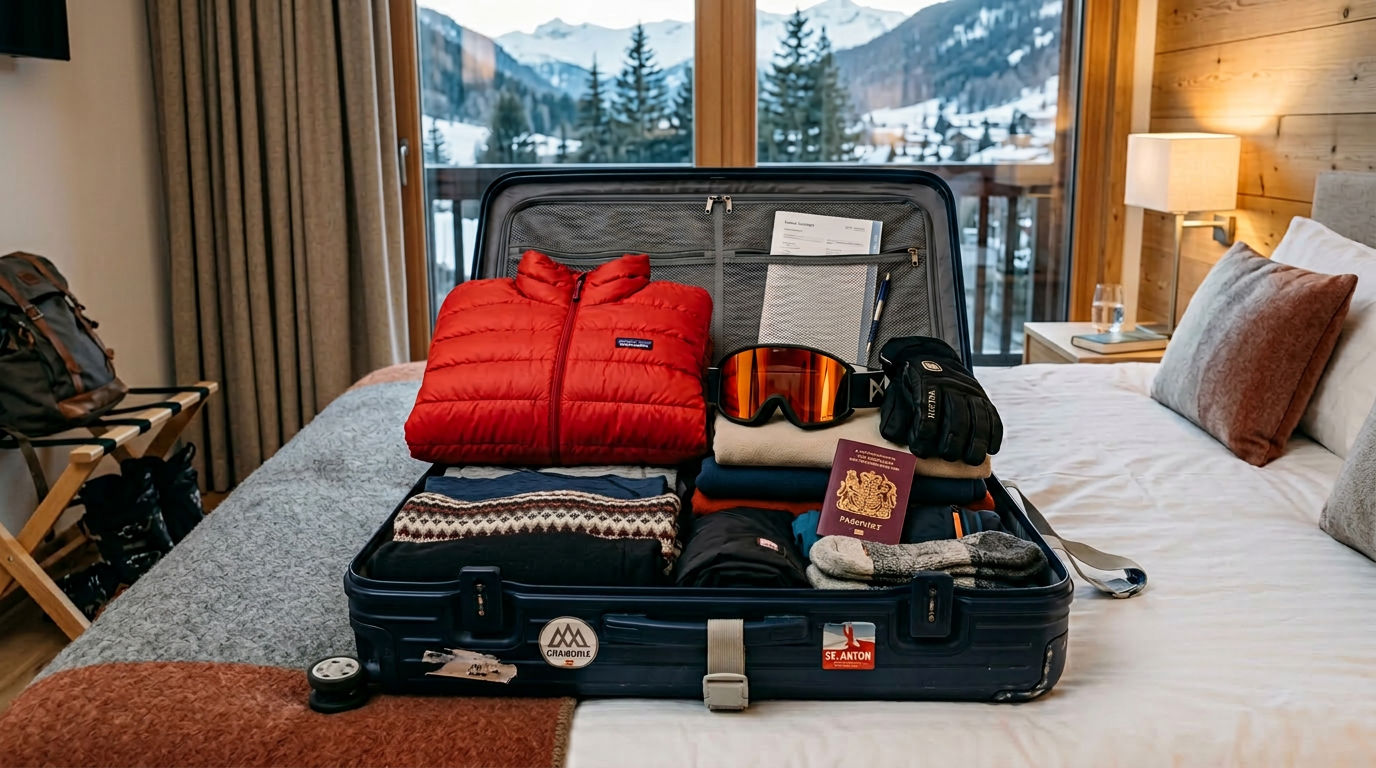
The Complete Ski Vacation Packing Checklist
This consolidated checklist covers a seven-day ski vacation. Adjust quantities for shorter trips, and remove ski equipment if renting at the resort.
On the mountain:
- Ski jacket
- Ski trousers or bib
- Base layers (tops and bottoms) x 2–3
- Mid-layer fleece x 2
- Packable down jacket
- Ski socks x 3–4 pairs
- Ski gloves x 2 pairs
- Neck gaiter or balaclava
- Helmet (or rent)
- Goggles (dual-lens)
- Sunscreen SPF 50 and lip balm SPF
Off the mountain:
- Casual trousers x 2
- Sweaters x 2
- Waterproof insulated boots
- Down vest or light jacket
- Swimsuit
- Underwear and casual socks x 7
Travel and extras:
- Passport and documents
- Travel insurance (winter sports)
- Lift pass confirmation
- Portable charger
- Reusable water bottle
- Sunglasses (UV-rated)
- Small daypack or boot bag
For a week-long trip, this list fits comfortably in one medium suitcase (23kg checked) plus a carry-on. If renting skis and boots, you can manage with carry-on only.
Find Your Mountain Base
Powder Edition curates ski chalets across the Alps and North America — from slope-side apartments to full-service private lodges. Browse chalets in Courchevel, explore Whistler, or search all destinations to find your base for the season.
Frequently Asked Questions
What should I pack for a 7-day ski vacation?
A seven-day ski vacation requires two to three sets of merino base layers, two mid-layers, one ski jacket, ski trousers, three to four pairs of ski socks, two pairs of gloves, goggles, a helmet, and SPF 50 sunscreen. Add two casual outfits for evenings, waterproof boots for the village, and a swimsuit if your accommodation has a hot tub or pool. Most quality ski chalets provide towels, hairdryers, and boot warmers, so check with your host before packing extras.
Should I bring my own skis or rent?
Rent skis unless you have custom-fitted boots or ski more than twice per season. Modern rental shops at major resorts offer demo-level equipment, pre-booking online saves 10–20%, and you avoid airline ski bag fees of EUR 30–60 each way. If you do bring boots, carry them in hand luggage — lost checked baggage means lost ski days.
How do I pack ski gear for a flight?
Use a padded ski bag for skis and poles, staying within the 23kg airline limit. Carry ski boots in your hand luggage or a dedicated boot bag. Book your ski baggage allowance online when purchasing your ticket to avoid higher airport surcharges. Wear your heaviest layers on the plane to save bag weight — a ski jacket and insulated boots can weigh 3–4kg combined.
What do most people forget to pack for skiing?
The three most commonly forgotten items are a swimsuit (for chalet hot tubs and hotel pools), a second pair of ski gloves (wet gloves ruin afternoons), and high-SPF lip balm. UV intensity increases roughly 25% per 1,000m of altitude, and snow reflects up to 80% of UV rays, making sunburn at altitude surprisingly aggressive even on overcast days.
Is it worth packing apres-ski clothes?
Yes — ski towns have a casual but considered dress code for evenings. Two pairs of dark trousers, two merino or cashmere sweaters, and waterproof insulated boots cover everything from mountain restaurants to hotel bars. Avoid bulky formal wear. The goal is clean, warm, and slightly elevated from your ski gear.
Can I do a ski trip with carry-on luggage only?
A carry-on-only ski trip is realistic if you rent all equipment at the resort. Pack merino base layers that compress well, one versatile mid-layer, and limit evening wear to items that double as ski layers. Wear your ski jacket and boots on the plane. The key constraint is ski socks and gloves — these are bulky but essential, so pack them first and build around them.


