St. Anton Austria Skiing: The Complete Guide to the Arlberg (2026)
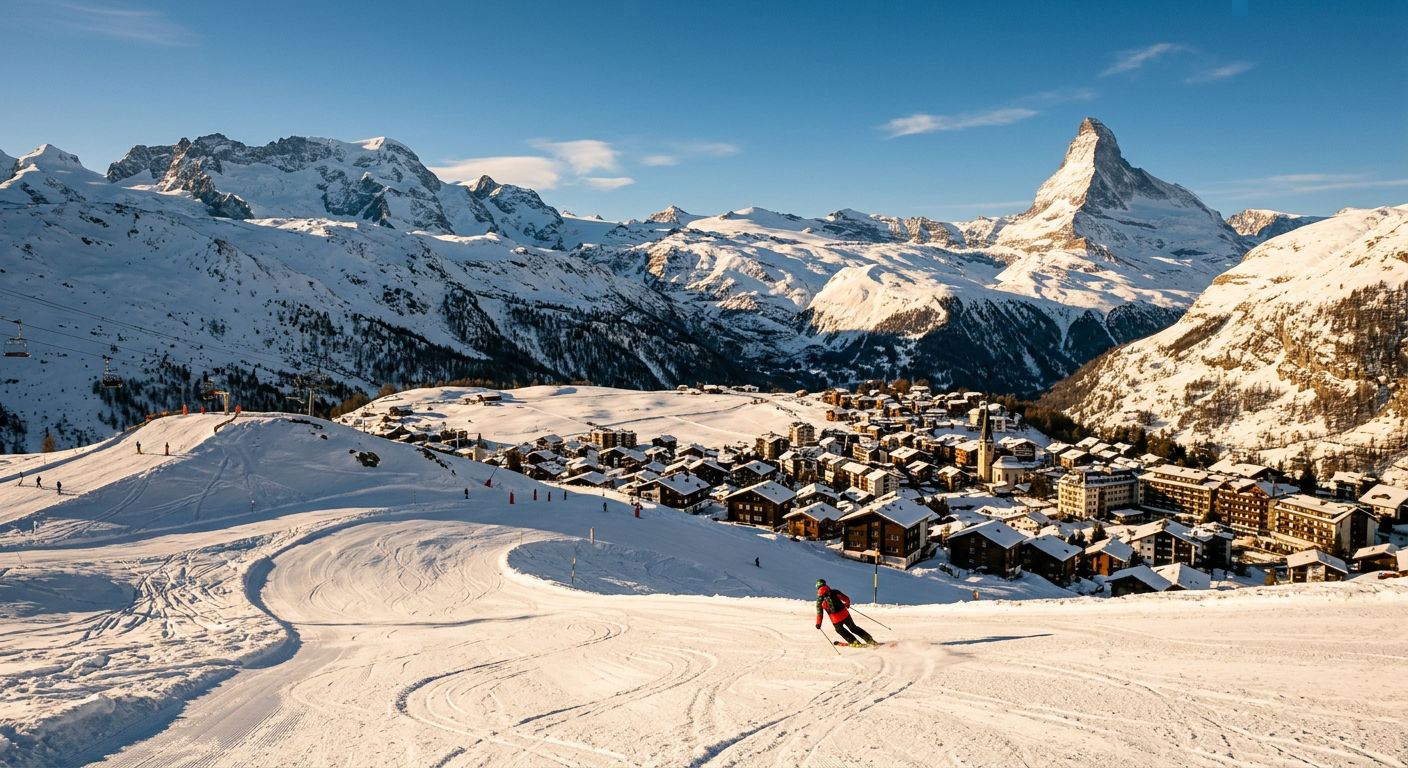
St. Anton am Arlberg is the birthplace of alpine skiing as a sport and remains one of the most demanding and rewarding ski destinations in Austria. Sitting at 1,304 metres with terrain reaching 2,811 metres, the resort anchors the Ski Arlberg area — 305 kilometres of linked runs spanning St. Anton, St. Christoph, Stuben, Lech, Zürs, and Warth-Schröcken. It draws skiers who want steep terrain, reliable snow, and a village that takes both skiing and apres-ski seriously.
In our current collection, we list 83 properties in St. Anton, from intimate apartments to flagship chalets sleeping over 20 guests. Nearly half — 40 properties — offer ski-in ski-out access, and every single property in our portfolio includes a sauna. This guide covers what makes St. Anton distinctive, who it suits best, and what to expect from the accommodation.
| Detail | St. Anton am Arlberg |
|---|---|
| Ski Area | 305 km (Ski Arlberg linked) |
| Village Altitude | 1,304 m |
| Top Altitude | 2,811 m (Valluga) |
| Lifts | 88 across Ski Arlberg |
| Season | Early December – Late April |
| Nearest Airport | Innsbruck (INN), 75 min transfer |
| Snow Record | Average 7m annual snowfall |
| Best For | Advanced skiers, off-piste, apres-ski |
The Terrain: Why Serious Skiers Choose St. Anton
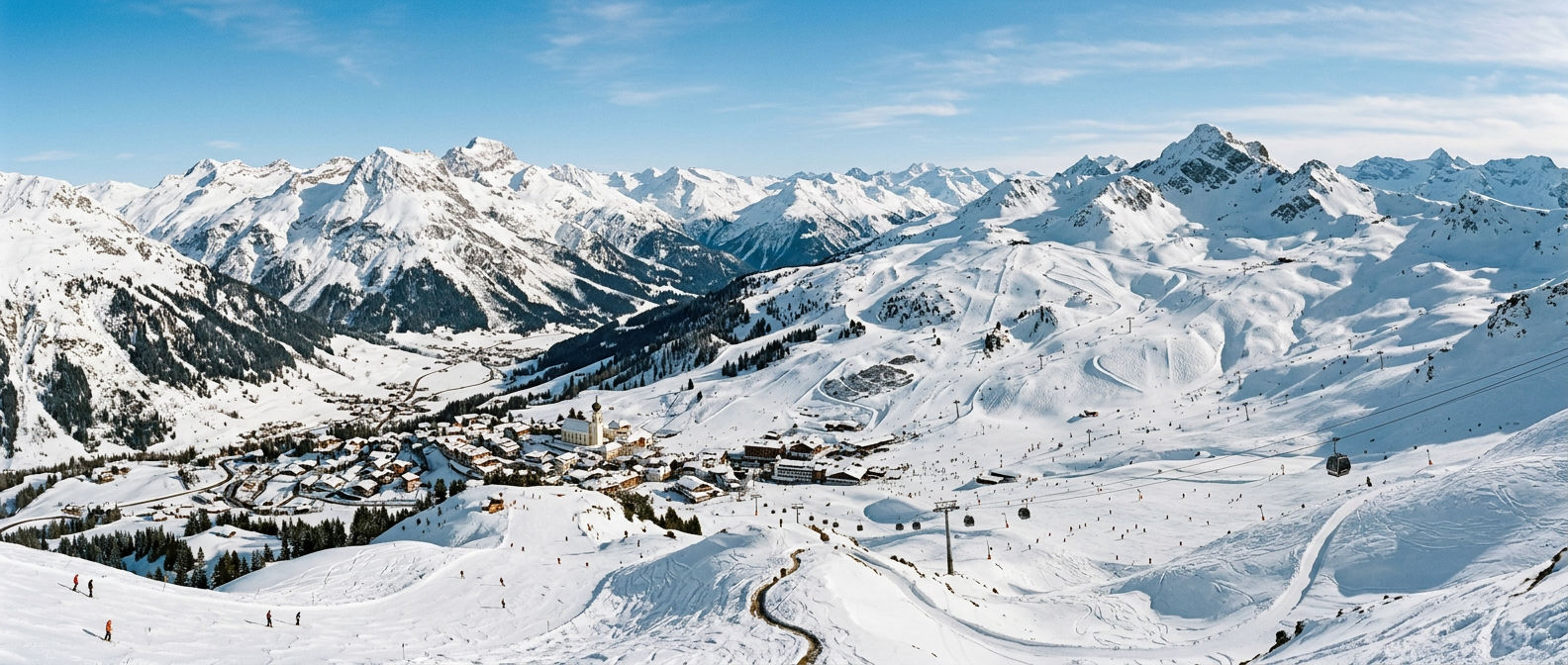
St. Anton's ski area is built around steep, north-facing terrain with some of the most consistent natural snow coverage in the Alps — averaging around seven metres of snowfall per season. The linked Ski Arlberg network ranks as the largest in Austria and one of the five largest in the world.
The resort's signature runs sit on the Valluga (2,811m), Kapall, Galzig, and Rendl sectors. The run from the Valluga summit to St. Anton village delivers over 1,500 metres of vertical descent — one of the longest continuous drops in the Alps. Off-piste, the terrain between St. Anton and Stuben, and the open bowls above Zürs, provide some of the most accessible backcountry skiing in Europe.
For intermediates, the Galzig and Gampen areas offer wide, groomed cruising runs. The link through to Lech and Zürs opens up gentler, less crowded terrain. Beginners, however, should note that St. Anton's nursery areas are limited — the resort's character tilts firmly towards confident skiers.
Off-Piste and Freeride
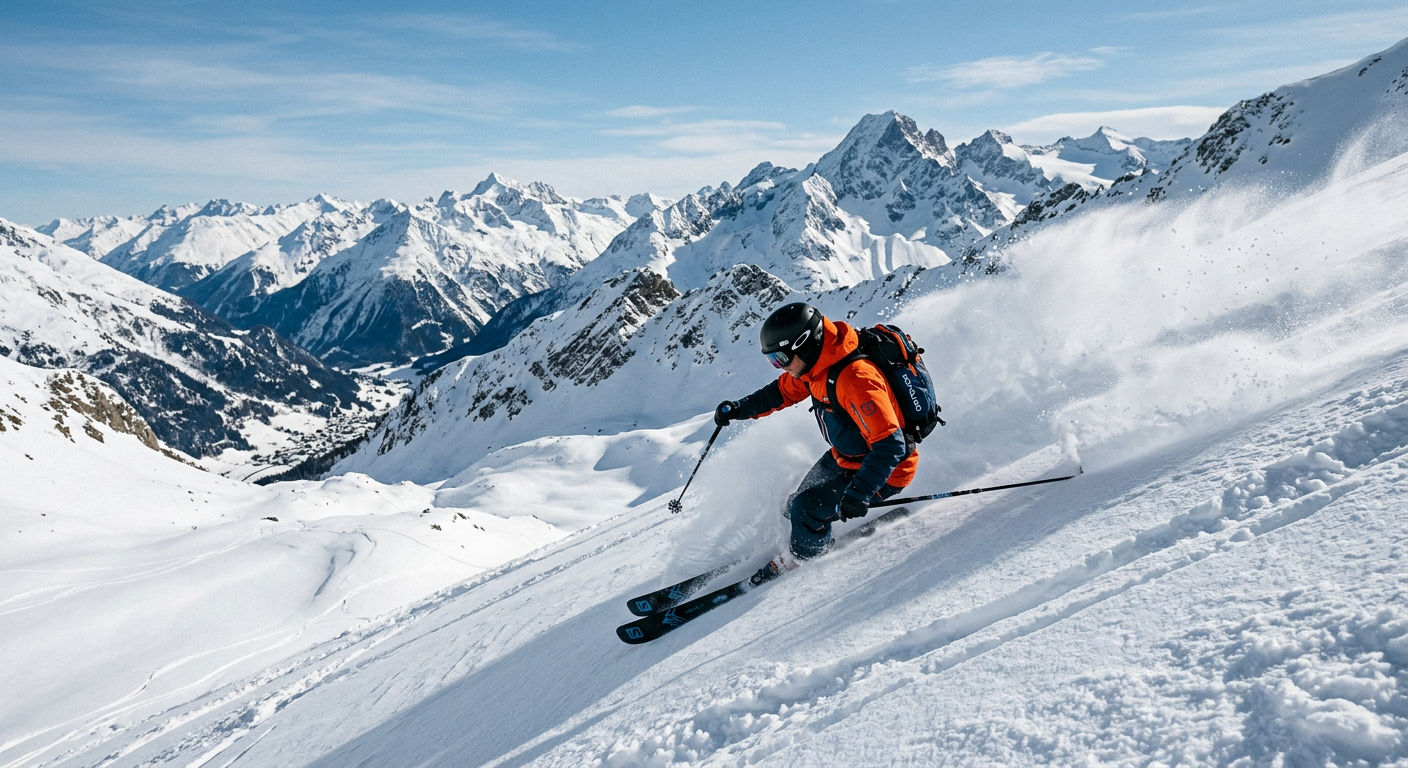
The Arlberg is recognised as one of Europe's premier freeride destinations. The north-facing aspects above St. Anton hold powder well after snowfall, and the resort has invested in avalanche safety infrastructure that makes guided off-piste relatively accessible. Popular routes include the Schindler Kar, the Mattunjoch run to Stuben, and the long descents from the Albona ridge.
Multiple ski schools and guiding operations in the village offer off-piste instruction and guided freeride days — a sensible investment for anyone unfamiliar with the terrain.
The Village: Tyrolean Character With an Edge
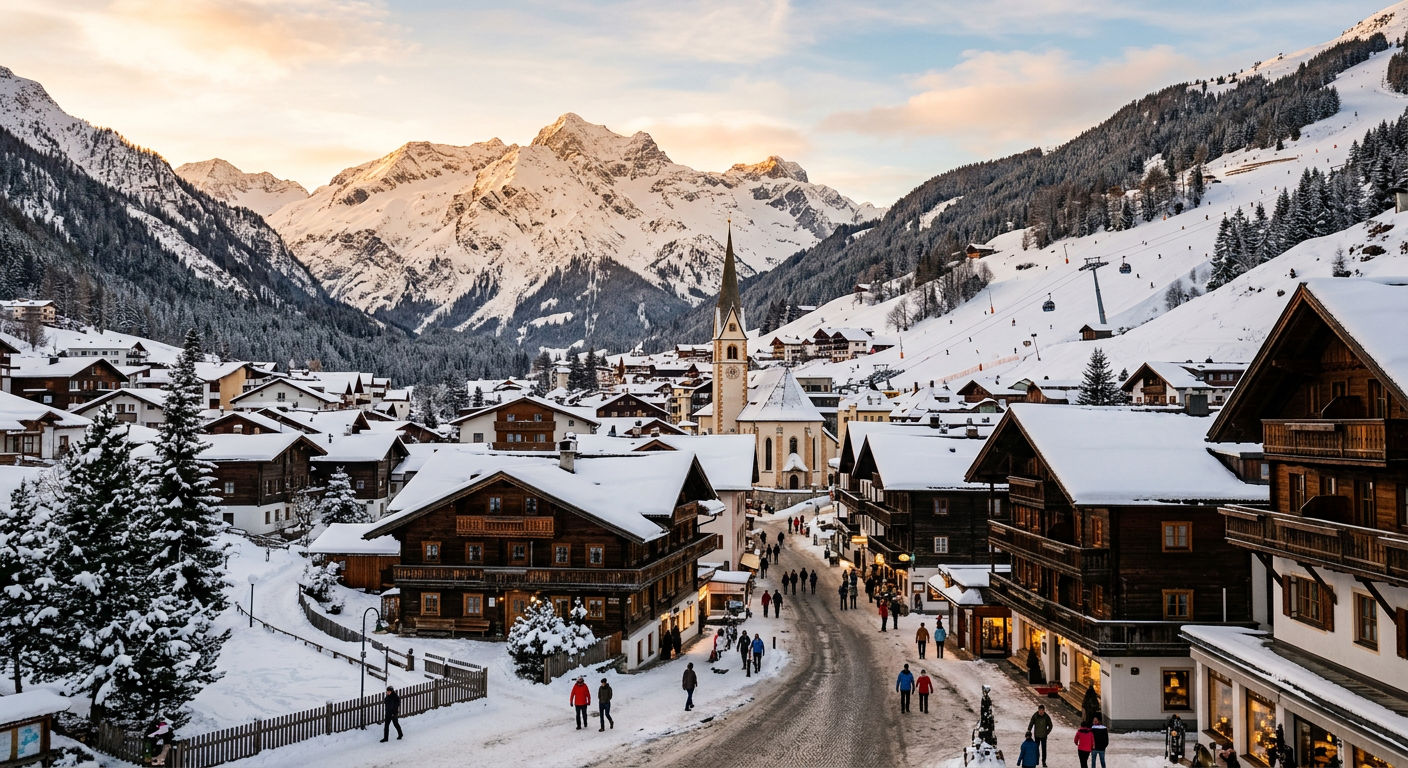
St. Anton's village sits in the narrow Stanzer valley, giving it a compact, walkable feel that larger purpose-built resorts lack. The main pedestrianised street runs from the Galzigbahn base station through the centre, lined with traditional Tyrolean buildings housing restaurants, bars, and equipment shops.
The village divides roughly into three zones. The centre around the pedestrian street and Galzigbahn offers the most energy and convenience. Nasserein, a quieter neighbourhood to the east, sits closer to the Nasserein gondola and suits families. Oberdorf, to the west, provides a more residential atmosphere with easy access to the Rendl area.
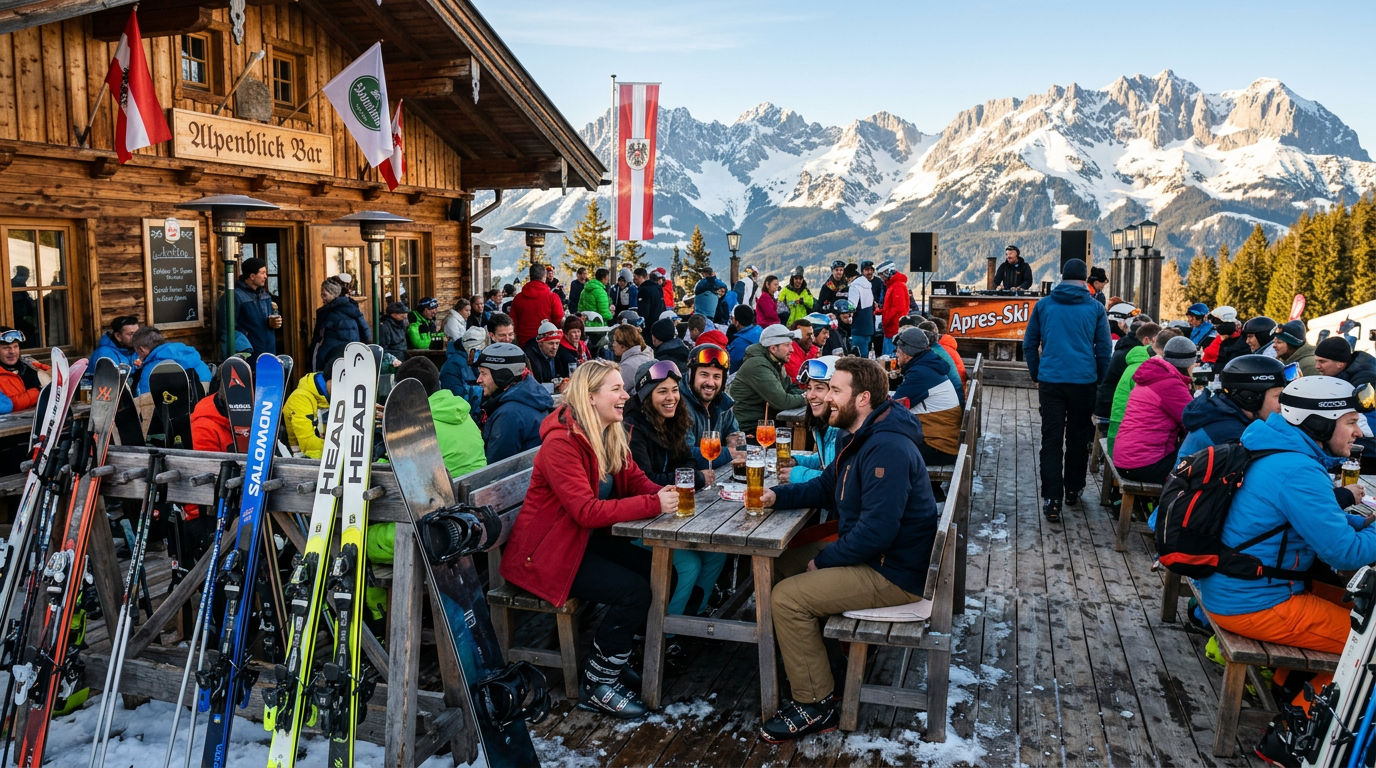
Apres-Ski
St. Anton's apres-ski reputation is deserved and specific. The Mooserwirt and Krazy Kanguruh — both on the ski-down from Galzig to the village — are among the most famous apres-ski venues in the Alps. The scene starts on the slopes in the early afternoon and migrates into the village by evening.
Beyond the headline venues, the village supports a range of options. Basecamp is a more contemporary choice, Sennhütte offers traditional Austrian food with a calmer atmosphere, and the Hospiz Alm in nearby St. Christoph provides a more refined setting. The range is wider than the resort's party reputation suggests.
Accommodation: What Our Collection Shows
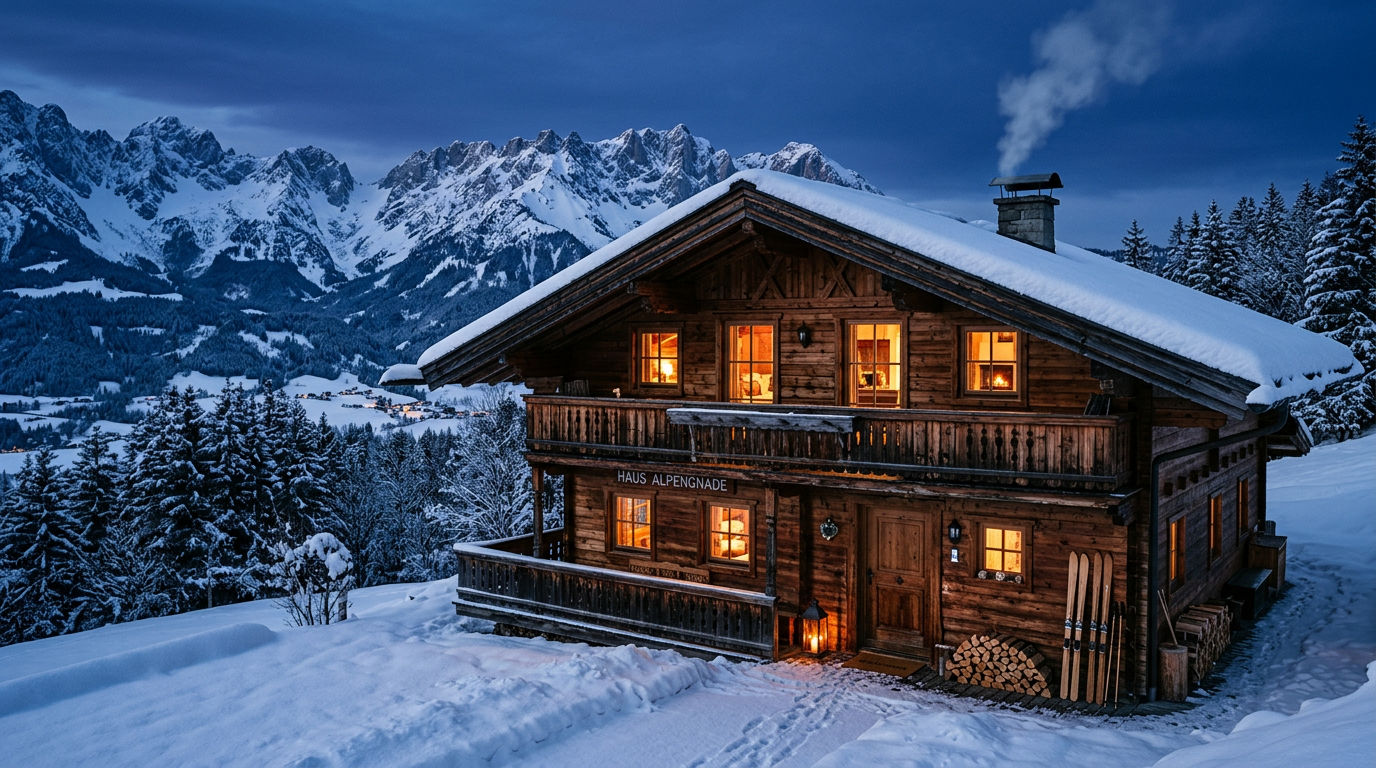
St. Anton's accommodation spans purpose-built hotels, traditional Tyrolean guesthouses, and a growing number of high-specification chalets. In our current portfolio of 83 properties, the mix breaks down into 38 chalets, 27 hotels, 13 apartments, and 5 lodges.
The amenity profile across the collection is striking. Every property includes a sauna — reflecting a Tyrolean wellness tradition that's deeply embedded in the local accommodation culture. Beyond that, 52 properties (63%) offer a pool, 42 (51%) include a hot tub, and 64 (77%) have a fireplace. For entertainment, 30 properties (36%) feature a cinema room and 46 (55%) include a gym.
| Amenity | Properties | % of Collection |
|---|---|---|
| Sauna | 83 | 100% |
| Fireplace | 64 | 77% |
| Spa | 58 | 70% |
| Pool | 52 | 63% |
| Gym | 46 | 55% |
| Hot Tub | 42 | 51% |
| Driver Service | 36 | 43% |
| Cinema Room | 30 | 36% |
| Concierge | 26 | 31% |
Prices range from around €1,100 per week for a compact apartment to €165,000 per week for a flagship chalet with full staff and spa facilities. The median sits at approximately €18,900 per week. For groups, 54 properties (65% of the collection) accommodate 10 or more guests — making St. Anton one of the stronger destinations in our portfolio for large parties.
Explore our St. Anton collection
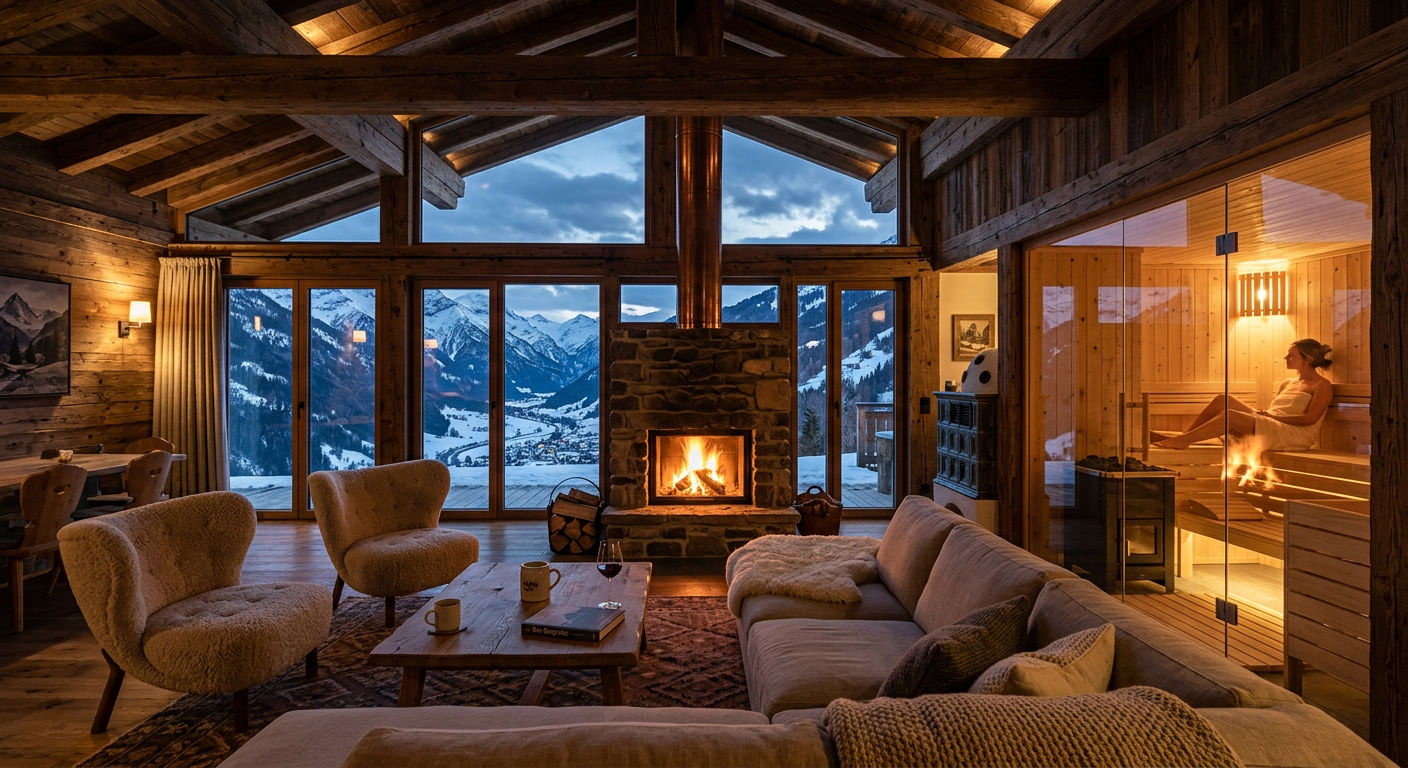
Ski-In Ski-Out Properties
Ski access is one of St. Anton's practical strengths. Of our 83 properties, 40 offer direct ski-in ski-out access — 48% of the portfolio. A further 20 are within a five-minute walk of the nearest lift. This means over 72% of our St. Anton accommodation places you on or very near the snow.
Properties with ski-in ski-out access cluster around the Galzig, Nasserein, and Gampen sectors. Many sit on the lower slopes above the village, allowing you to ski directly to and from the door during the season.
Browse ski-in ski-out properties in St. Anton
Among our ski-in ski-out chalets, Chalet Eden Rock stands out for its combination of scale, amenities, and position. With 10 bedrooms accommodating up to 20 guests, an indoor pool, sauna, steam room, and gym, it represents the upper tier of St. Anton accommodation.
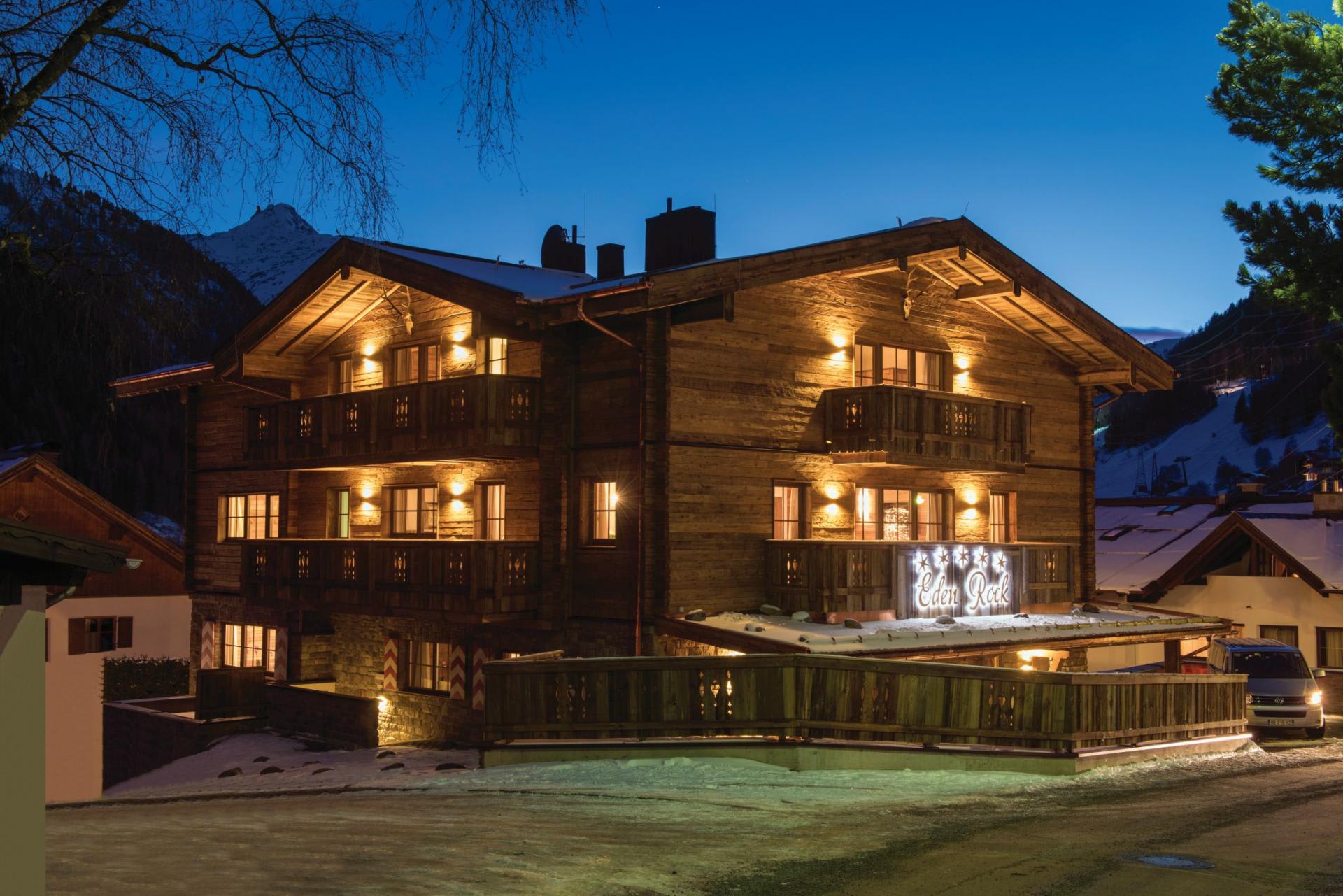
For Groups and Multi-Family Trips
With 65% of properties sleeping 10 or more, St. Anton handles large groups well. Chalet 47 — one of our largest private chalets — accommodates 20 guests across 12 bedrooms, with ski-in ski-out access, a hot tub, cinema room, and dedicated bar area.
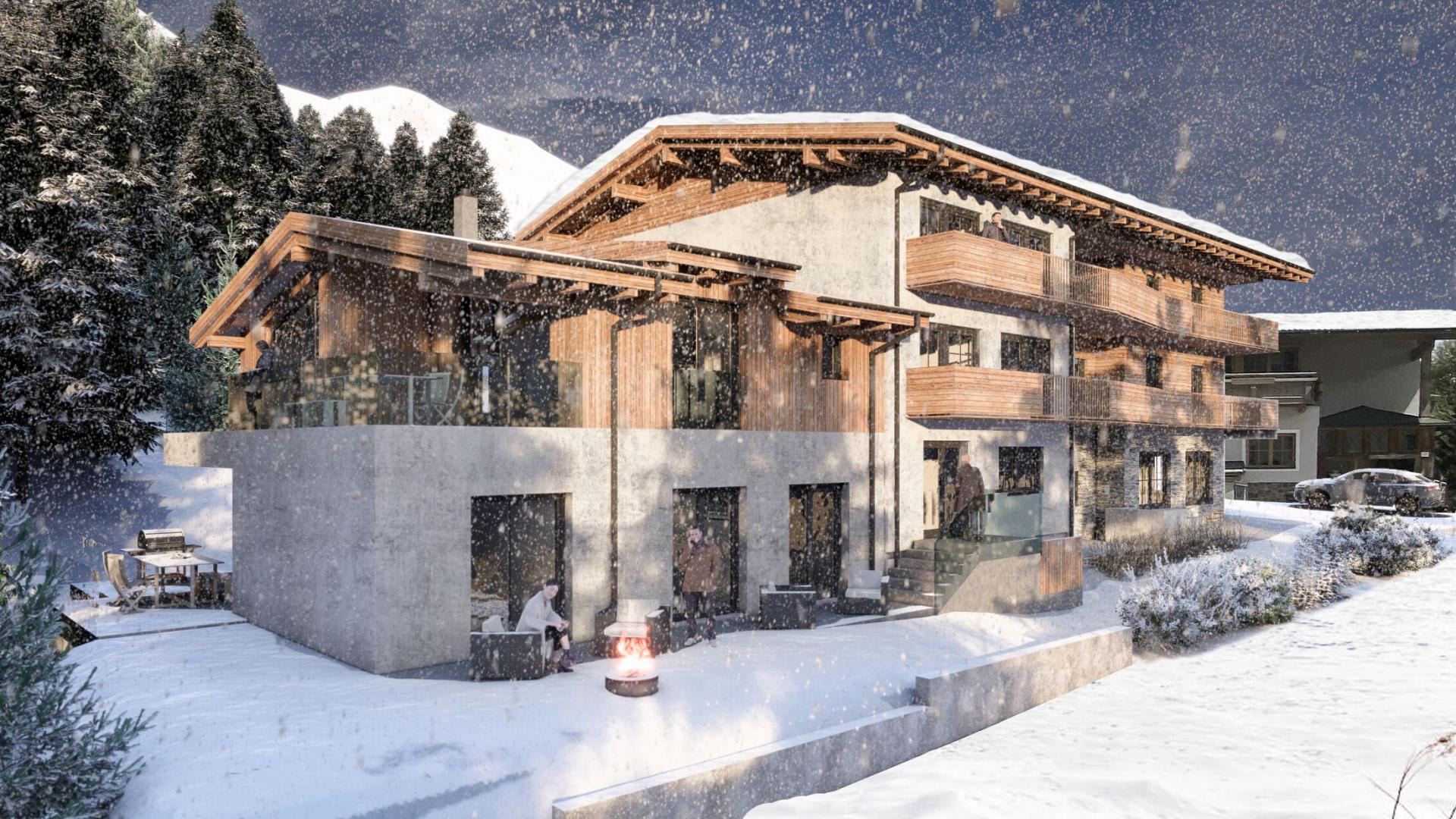
For a more intimate stay that still delivers a full amenity set, Chalet Antoinette sleeps 10 across 5 bedrooms with ski-in ski-out access, a sauna, hammam, and driver service — a considered mid-range option at €28,000 per week.
Accessible Luxury
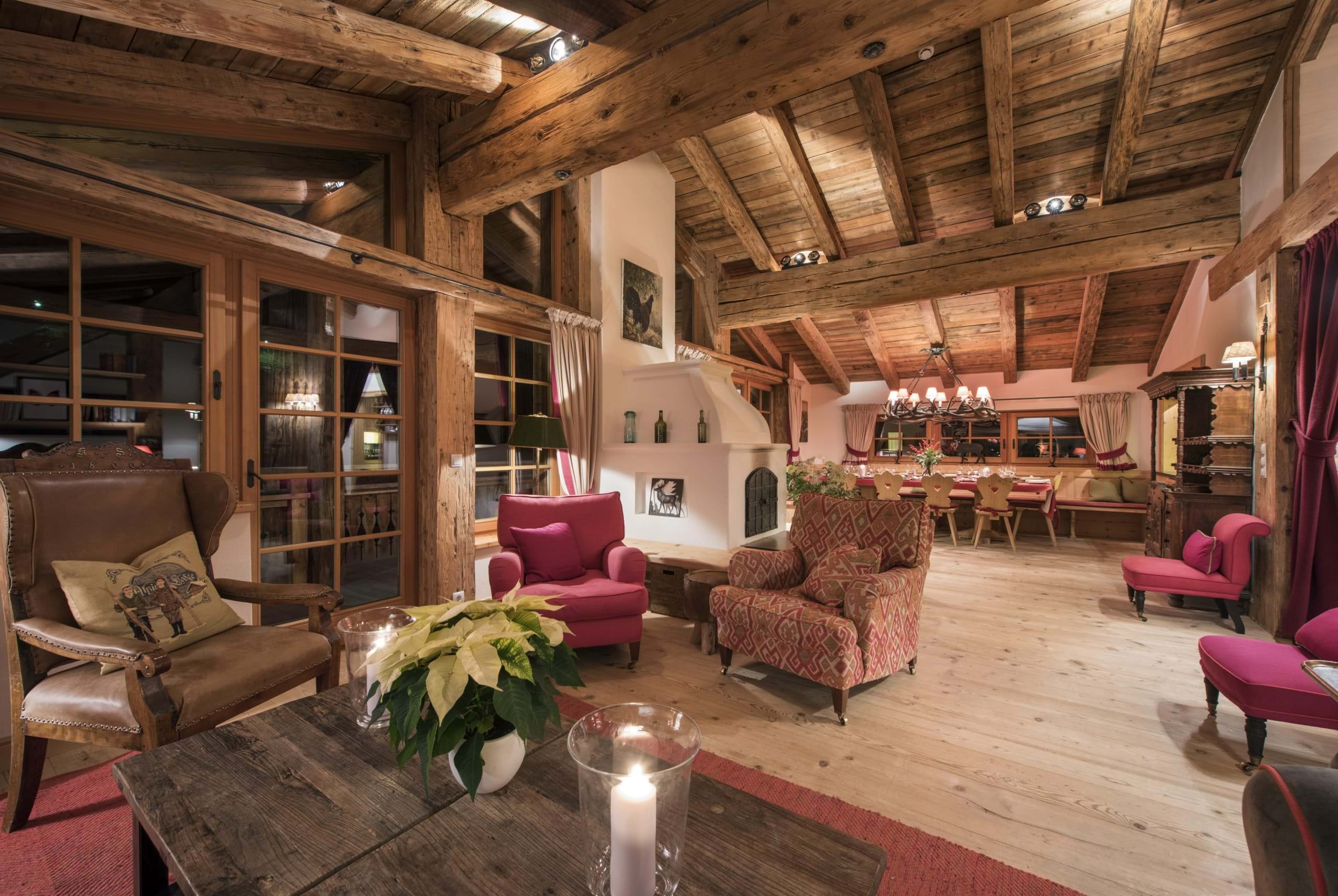
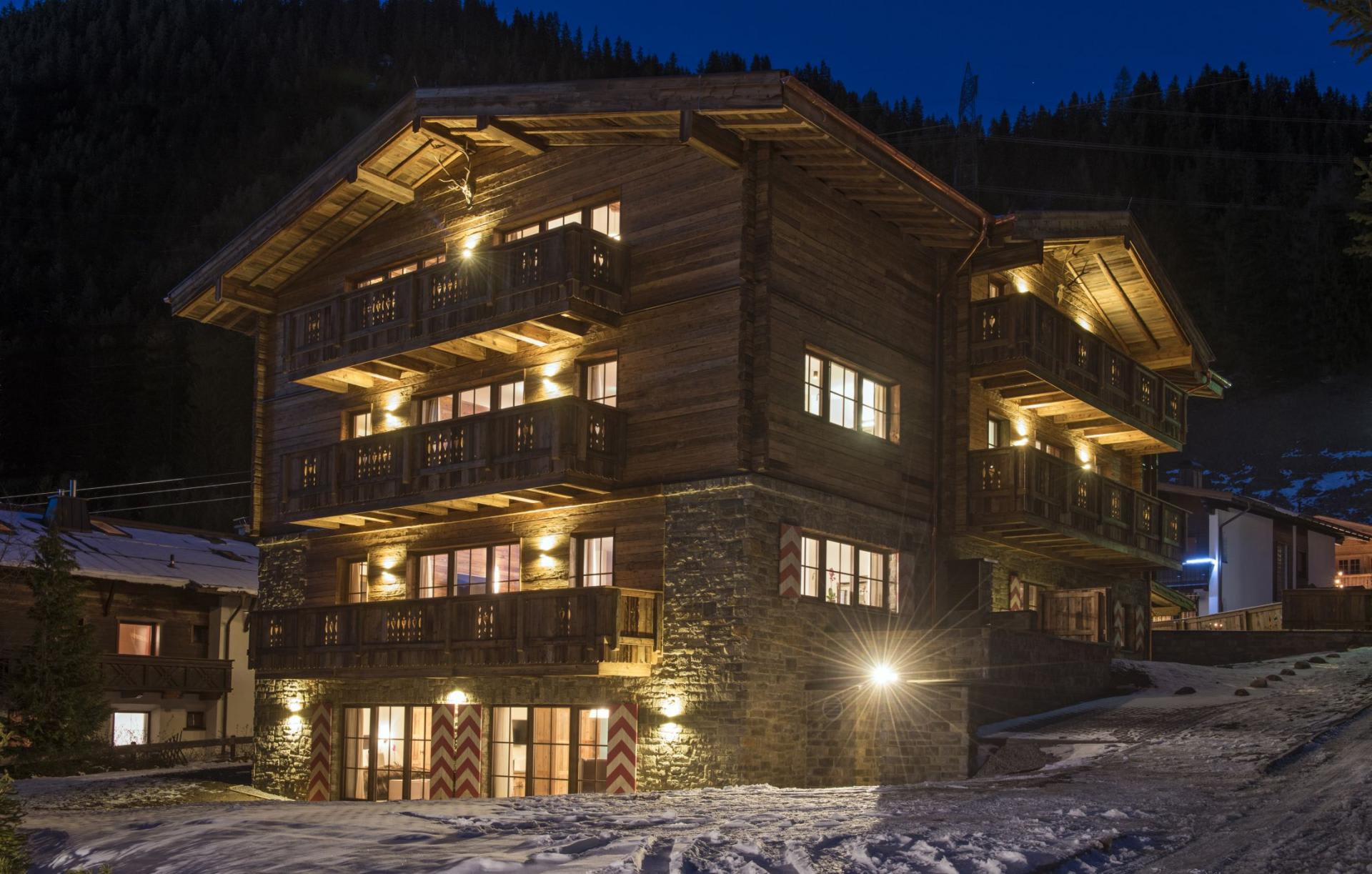
Not every trip to St. Anton requires a six-figure weekly budget. Chalet Ariane accommodates 6 guests in 3 bedrooms with ski-in ski-out access, a sauna, fireplace, and mountain views — at €14,400 per week, it represents one of the most accessible entry points to the Arlberg's ski-in chalet market.
View properties under €20,000 in St. Anton
Getting There: Transfers and Travel
St. Anton is one of the most accessible major ski resorts in the Alps. Innsbruck Airport sits 75 minutes away by road, and Zurich Airport is reachable in approximately 2.5 hours. The village also has its own train station — the Arlberg railway — with direct connections from Innsbruck, Zurich, and Vienna.
The train option is particularly convenient. Services from Innsbruck run roughly hourly and take around 75 minutes. From Zurich, the Railjet service via Feldkirch takes approximately 3.5 hours. The station sits in the village centre, making car-free arrivals straightforward.
| Airport | Transfer Time | Distance |
|---|---|---|
| Innsbruck (INN) | ~75 min | 100 km |
| Zurich (ZRH) | ~2.5 hours | 200 km |
| Munich (MUC) | ~3 hours | 250 km |
| Friedrichshafen (FDH) | ~2 hours | 150 km |
Within the resort, a free ski bus connects the villages of the Arlberg area. Of our 83 properties, 36 (43%) include a driver service — a practical advantage when returning from dinner in St. Christoph or Lech.
When to Visit St. Anton
The Ski Arlberg season typically runs from early December through late April, though the core season — with the full lift network operational and reliable snow cover — spans mid-December to mid-April.
Early season (December–early January): Snow conditions can be variable at lower altitudes, but the high terrain above Galzig and on the Valluga is often in good shape. The village is festive but less crowded than peak weeks.
Peak season (February–March): The most reliable snow conditions coincide with school holiday periods. Expect full lifts on peak mornings, but the Arlberg's size absorbs crowds better than smaller resorts. This is also the best window for off-piste after fresh snowfall.
Late season (April): Spring conditions bring softer snow and longer days. The south-facing Rendl area can become slushy by afternoon, but north-facing runs hold corn snow well. Many properties offer reduced rates.
Beyond the Skiing
St. Anton's winter offering extends beyond the lifts. The Arlberg WellCom centre provides a public pool, sauna complex, and fitness facilities. Cross-country trails run through the valley. Several toboggan runs — including a night-lit run from Gampen — offer an alternative to skiing.
The dining scene is more developed than many Austrian ski villages. The Verwallstube at the top of the Galzigbahn holds a Gault Millau listing. Steakhouse Raffl's and Hazienda are local favourites for dinner. For traditional Tyrolean cooking, the Alte Post and Bodenalpe deliver without pretension.
Explore St. Anton With Powder Edition
Powder Edition brings together 83 properties in St. Anton am Arlberg — from ski-in chalets with private pools to well-appointed apartments steps from the lifts. With 48% of our collection offering ski-in ski-out access and every property including a sauna, the Arlberg's accommodation matches the quality of its terrain. Explore our full St. Anton collection, browse properties with hot tubs, or find chalets for large groups.
Frequently Asked Questions
Is St. Anton good for beginners?
St. Anton's terrain favours intermediate and advanced skiers. Nursery areas exist near the Gampen and Nasserein sectors, but they are limited compared to family-oriented resorts like Courchevel or Lech. Beginners who are part of a mixed-ability group can progress on the gentler runs towards Lech, but pure beginner groups may find the resort intimidating. The nearby village of Lech, accessible on the same lift pass, offers a gentler introduction to Arlberg skiing.
How does St. Anton compare to other Ski Arlberg villages?
St. Anton is the largest and most energetic village in the Ski Arlberg area. Lech and Zürs are quieter, more refined, and generally more expensive. Stuben is a tiny hamlet suited to powder skiers. Warth-Schröcken, at the northern end of the linked area, receives the heaviest snowfall. All share the same 305-kilometre ski area and are accessible on a single Ski Arlberg pass.
What is the apres-ski like in St. Anton?
St. Anton is widely considered one of the top three apres-ski destinations in the Alps, alongside Ischgl and Val d'Isere. The Mooserwirt and Krazy Kanguruh on the slopes above the village are the headline venues, with dancing in ski boots from mid-afternoon. The village centre offers a broader range, from contemporary bars like Basecamp to traditional Austrian restaurants. The scene is lively but not chaotic — it's possible to enjoy St. Anton's evenings without the on-mountain party culture.
When does St. Anton get the most snow?
The Arlberg region averages approximately seven metres of snowfall per season, with the heaviest falls typically in January and February. The north-facing terrain above St. Anton holds snow well, and the resort's relatively high base at 1,304 metres provides better early-season reliability than lower Austrian resorts. Late-season skiing through April is usually possible on the higher terrain.
How far is St. Anton from the airport?
Innsbruck Airport is the nearest major airport at approximately 75 minutes by road (100 km). Zurich Airport is roughly 2.5 hours away (200 km), and Munich Airport takes approximately 3 hours (250 km). St. Anton also has a village train station with direct rail connections from Innsbruck, Zurich, and Vienna — making it one of the most accessible major ski resorts by public transport.
Is St. Anton suitable for families?
St. Anton works well for families with older children who are confident skiers. The terrain is exciting, the village has a genuine Austrian atmosphere, and the link to Lech provides gentler skiing when needed. For families with young children or first-time skiers, Lech — accessible on the same lift pass — offers a more nurturing environment while still providing access to the full Arlberg ski area.