Tignes Skiing: A Complete Guide to France's High-Altitude Alpine Powerhouse
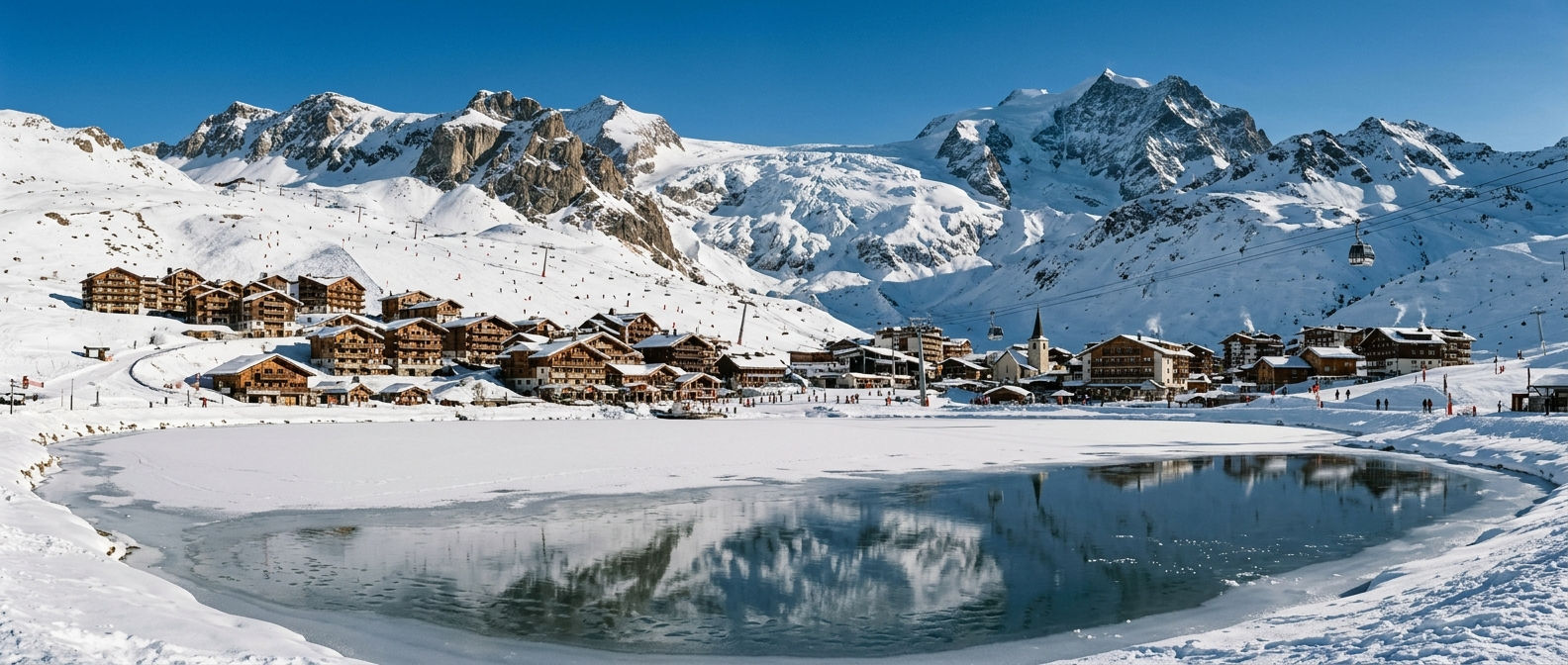
Tignes occupies a rare position among Alpine ski resorts: a base altitude of 2,100 metres, a glacier that extends the season into summer, and a shared ski area with Val d'Isère that totals 300 kilometres of pistes. The resort's five villages span from 1,550m to 2,600m, each with a distinct character. For skiers who prioritise snow reliability and vertical range over picture-postcard charm, Tignes delivers with uncommon consistency.
Why Tignes — The Altitude Advantage
Tignes' base elevation of 2,100 metres at Val Claret makes it one of the highest resort villages in Europe, guaranteeing skiable snow from late November through early May in most seasons. The Grande Motte glacier, peaking at 3,456 metres, extends that window to year-round skiing — one of only a handful of French resorts to offer summer glacier sessions.
This altitude translates to measurable snow reliability. Tignes averages roughly 7 metres of annual snowfall, and the north-facing orientation of many runs preserves conditions well into spring. When lower resorts struggle in lean snow years, Tignes' elevation provides a buffer that few competitors can match.
The resort's purpose-built design — functional rather than traditionally Savoyard — means that nearly every property sits within walking distance of a lift.
The Ski Area — Espace Killy Explained
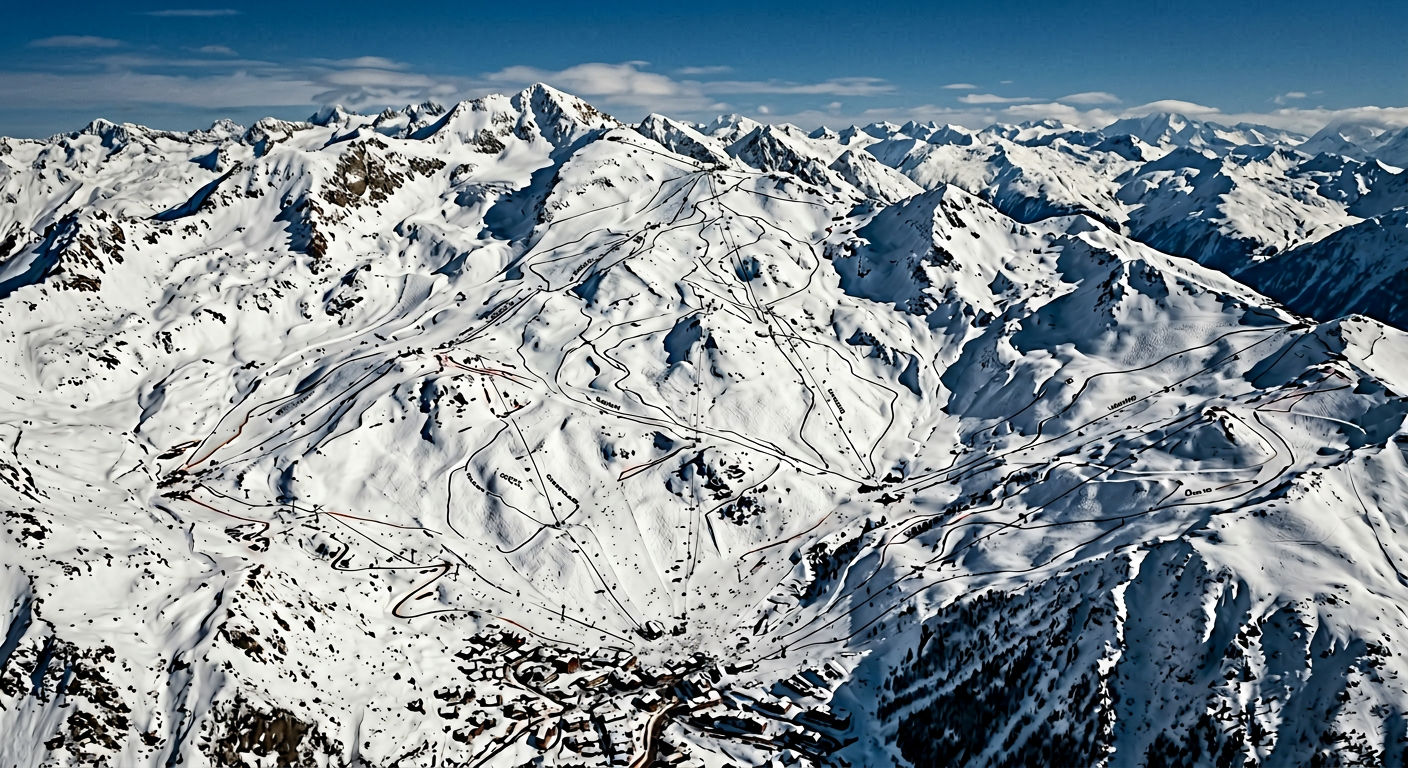
Tignes and Val d'Isère together form Espace Killy, one of France's most respected ski domains. The combined area covers 300 kilometres of marked pistes served by 78 lifts, with terrain split roughly 15% green, 46% blue, 26% red, and 13% black.
| Stat | Detail |
|---|---|
| Total pistes | 300 km across Tignes and Val d'Isère |
| Lifts | 78 (including 2 funiculars, 1 cable car) |
| Summit | 3,456 m (Grande Motte glacier) |
| Base | 1,550 m (Les Brévières) to 2,600 m (Val Claret slopes) |
| Vertical drop | 1,900 m |
| Off-piste | Extensive — notably Vallée Perdue, Chardonnet couloirs |
| Snow park | Tignes terrain park at Val Claret, plus slopestyle area |
| Glacier skiing | Grande Motte, open October–May and June–July |
Terrain Character
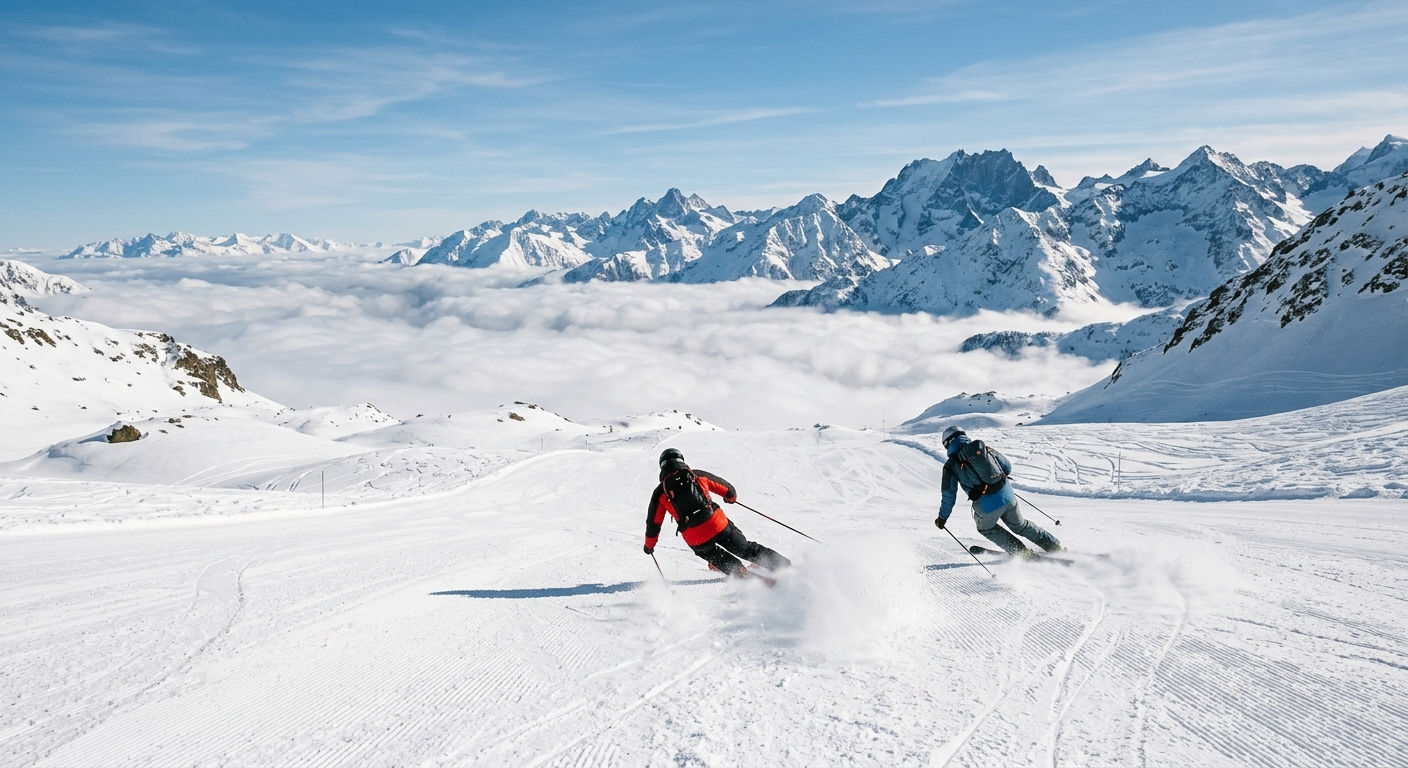
Tignes' own sector favours wide, open bowls and long cruising runs above the treeline. The terrain between Val Claret and the Grande Motte offers sustained intermediate skiing with genuine vertical. Advanced skiers gravitate to the Aiguille Percée area for steeper pitches and the off-piste routes dropping into the Vallée Perdue.
The connection to Val d'Isère opens up the iconic Bellevarde face, the Fornet sector, and the Pissaillas glacier — adding substantial expert terrain. A single Espace Killy lift pass covers both resorts, and the link is efficient enough to ski both sides comfortably in a day.
Lift Pass Pricing (2025/26 Season)
A six-day Espace Killy pass costs approximately €340 for adults, with reduced rates for children under 13 and seniors over 65. Multi-day passes include the Tignes and Val d'Isère sectors. Half-day and single-day options are available for shorter stays.
Tignes' Five Villages — Which One to Choose
Tignes is not a single village but a collection of five settlements at different altitudes, each with a different feel and purpose. Choosing the right one shapes the entire holiday.
Val Claret (2,100m)
The highest and most ski-focused village. Val Claret sits at the foot of the Grande Motte funicular and offers direct access to the glacier and the fastest lifts in the ski area. The architecture is functional — mostly purpose-built residences and hotels from the 1960s and 1970s — but the slopeside convenience is hard to match. This is where competitive and serious recreational skiers tend to base themselves.
Tignes Le Lac (2,100m)
Slightly larger and more varied than Val Claret, Le Lac sits beside a frozen lake that becomes a focal point in winter. It has the widest selection of restaurants, bars, and shops in Tignes. The village connects directly to the Palafour and Bollin lifts. Le Lac strikes the best balance between ski access and evening options.
Le Lavachet (2,100m)
A quieter residential area between Val Claret and Le Lac, Le Lavachet suits families and those who prefer a calmer atmosphere. It lacks its own commercial centre but sits within easy walking distance of both neighbouring villages.
Les Boisses (1,850m)
Below the main resort, Les Boisses offers a more traditional mountain feel with older stone-and-wood buildings. A gondola connects to the main ski area above. The trade-off: a more authentic village atmosphere at the cost of slightly less convenient ski access.
Les Brévières (1,550m)
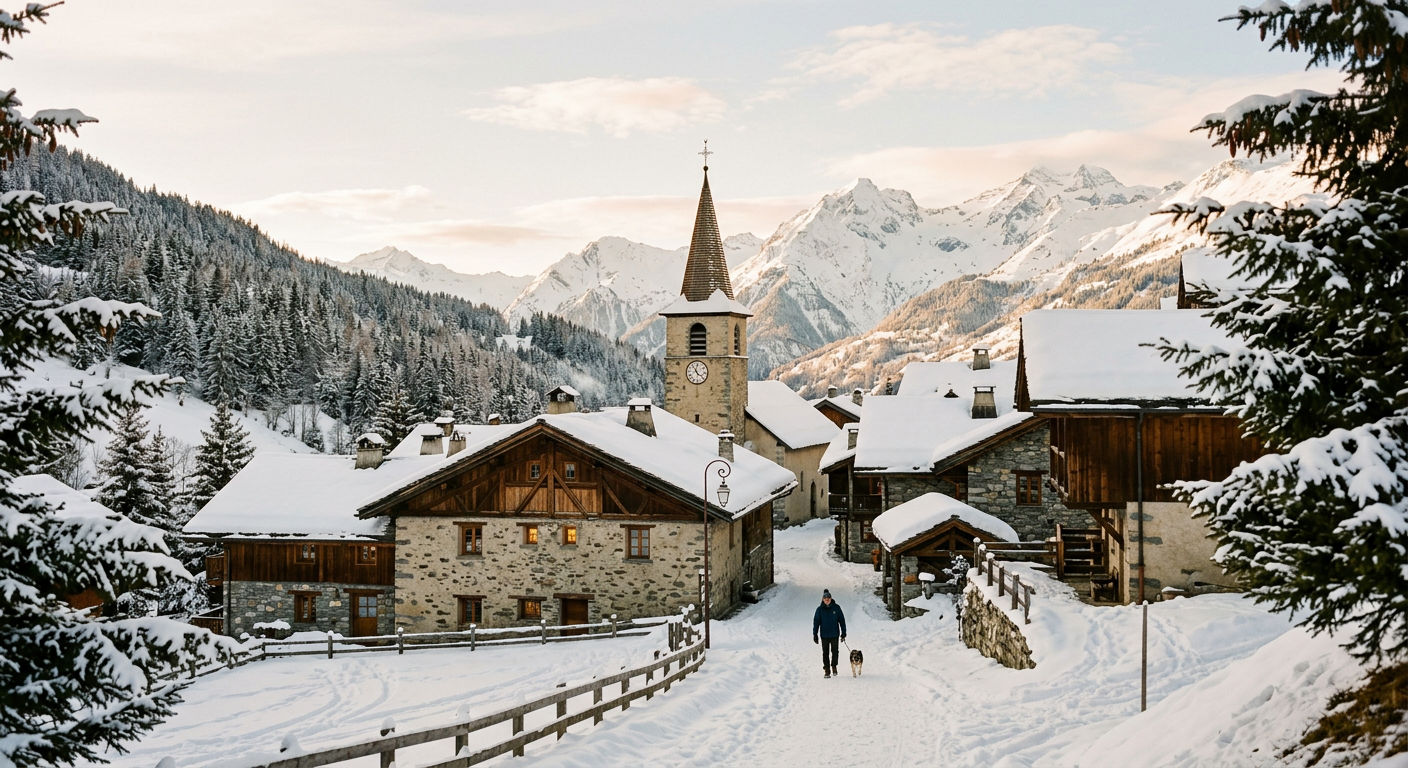
The lowest and most traditional of Tignes' villages, Les Brévières retains genuine Savoyard character with stone farmhouses and a village church. It sits at the base of a steep run from the main ski area and has its own chairlift back up. The village has a small selection of restaurants and is considerably quieter than the higher settlements — a deliberate choice for those who value character over convenience.
When to Ski Tignes — Season Timing and Snow Record
Tignes' season typically runs from late November through early May, with glacier skiing available from mid-October and again in June and July. The resort's high altitude means it is among the first French resorts to open and the last to close.
| Period | Conditions | Best For |
|---|---|---|
| Late Nov–mid Dec | Early season, limited pistes open, good glacier skiing | Keen skiers wanting first tracks |
| Christmas–New Year | Full ski area open, peak pricing, busy lifts | Families on school holidays |
| January | Coldest month, excellent snow, quieter midweek | Serious skiers, value seekers |
| February | French and UK school holidays, full resort animation | Families, social skiers |
| March | Longer days, spring snow conditions beginning, still reliable | All-round best month |
| April–early May | Spring skiing, warm afternoons, some lower lifts close | Sun-seekers, late-season value |
| June–July | Glacier only, limited runs, summer skiing atmosphere | Off-season training, curiosity |
March often represents the sweet spot — longer daylight hours, warmer temperatures for après, and snow conditions that remain dependable at Tignes' altitude.
Where to Stay in Tignes
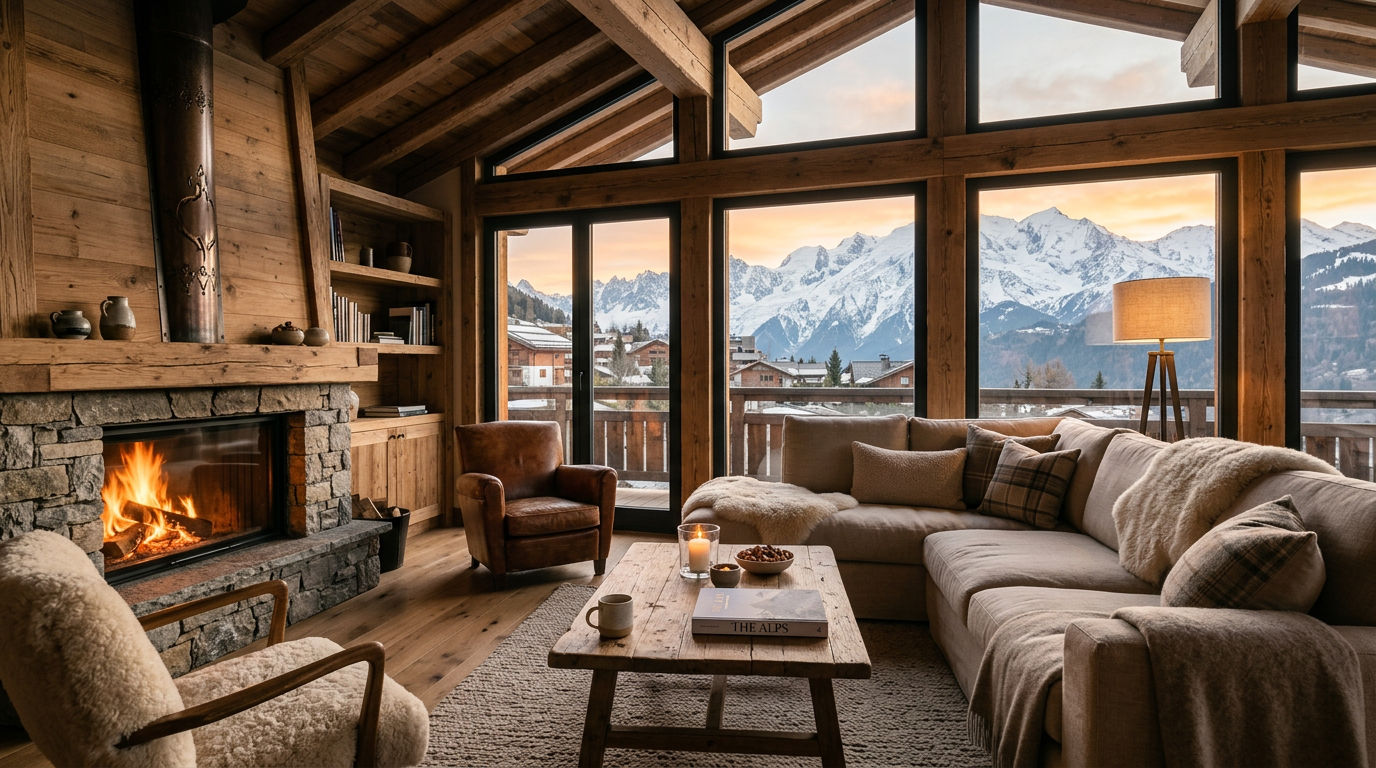
Tignes' accommodation profile differs from traditional Alpine villages. The purpose-built layout means most properties cluster around the main lift stations, with ski-in ski-out access the norm rather than the exception.
The overwhelming majority — 51 out of 54 — include a sauna, while 42 feature a private hot tub and 42 have a pool.
Mid-Range and Self-Catered Options
Self-catered chalets in Tignes typically include full kitchens, ski storage, and the same proximity to lifts as their catered counterparts.
Getting to Tignes — Transfers and Logistics
Tignes is served by three airports, each with a different trade-off between flight options and transfer time.
| Airport | Distance | Transfer Time | Notes |
|---|---|---|---|
| Chambéry (CMF) | 130 km | ~2.5 hours | Closest, limited flight schedule |
| Lyon Saint-Exupéry (LYS) | 220 km | ~3 hours | Best mix of flights and transfer time |
| Geneva (GVA) | 220 km | ~3.5 hours | Most international flights, cross-border transfer |
The final approach to Tignes climbs through the Tarentaise Valley via Bourg-Saint-Maurice, the same route used for Les Arcs and La Rosière. The road is well maintained and kept open throughout the winter season, though snow chains or winter tyres are required by law from November.
Rail Access
The Eurostar ski train runs from London St Pancras to Bourg-Saint-Maurice on winter Saturdays, arriving in the late afternoon. From Bourg-Saint-Maurice, a bus or taxi transfer to Tignes takes approximately 30 minutes — one of the most efficient car-free journeys to any major French ski resort.
Within the Resort
Tignes operates a free shuttle bus connecting all five villages throughout the day and evening. The system runs frequently between Val Claret, Le Lac, and Le Lavachet, with less frequent service to Les Boisses and Les Brévières.
Explore Tignes with Powder Edition
Nearly all offer ski-in ski-out access, reflecting the resort's purpose-built slopeside layout.
Frequently Asked Questions
Is Tignes good for beginners?
Tignes has a reasonable selection of nursery slopes near Val Claret and Le Lac, plus several gentle blue runs on the upper mountain. However, the resort's strength lies in its intermediate and advanced terrain. Beginners will find adequate learning areas, but resorts like Méribel or Les Gets offer more extensive beginner-friendly terrain and a gentler introduction to Alpine skiing.
How does Tignes compare to Val d'Isère?
Tignes and Val d'Isère share the same Espace Killy lift pass and ski area, but the villages differ significantly. Val d'Isère has more traditional Alpine architecture, a livelier après-ski scene, and higher-end dining. Tignes offers more practical ski-in ski-out convenience, better value accommodation, and stronger snow reliability thanks to its higher base altitude. Many returning visitors ski both but base in one — Tignes for convenience, Val d'Isère for atmosphere.
When does Tignes open and close?
The main Tignes season typically runs from late November to early May. The Grande Motte glacier opens in mid-October for early-season skiing and reopens in June and July for summer sessions. Exact dates vary by year and snow conditions.
Is Tignes expensive?
Tignes sits in the mid-to-upper range for French ski resorts — less expensive than Courchevel or Val d'Isère for accommodation, but with similar lift pass pricing across Espace Killy. Self-catered options and early-season bookings can reduce costs considerably.
Can you ski in Tignes in summer?
Yes. The Grande Motte glacier operates a limited number of runs during June and July, typically between 2,600m and 3,456m. Summer skiing is primarily used by racing teams and freestyle skiers for training, though recreational skiers are welcome. The runs are shorter and fewer than in winter, but the novelty of skiing in a t-shirt above 3,000 metres draws a dedicated following.
What is the best village to stay in Tignes?
Le Lac offers the best overall balance of ski access, dining, and evening atmosphere. Val Claret suits skiers who want maximum slopeside convenience and direct glacier access. Les Brévières is the choice for those who prefer traditional Savoyard village character over purpose-built convenience. The free shuttle bus connects all five villages, so the choice is about preference rather than access.