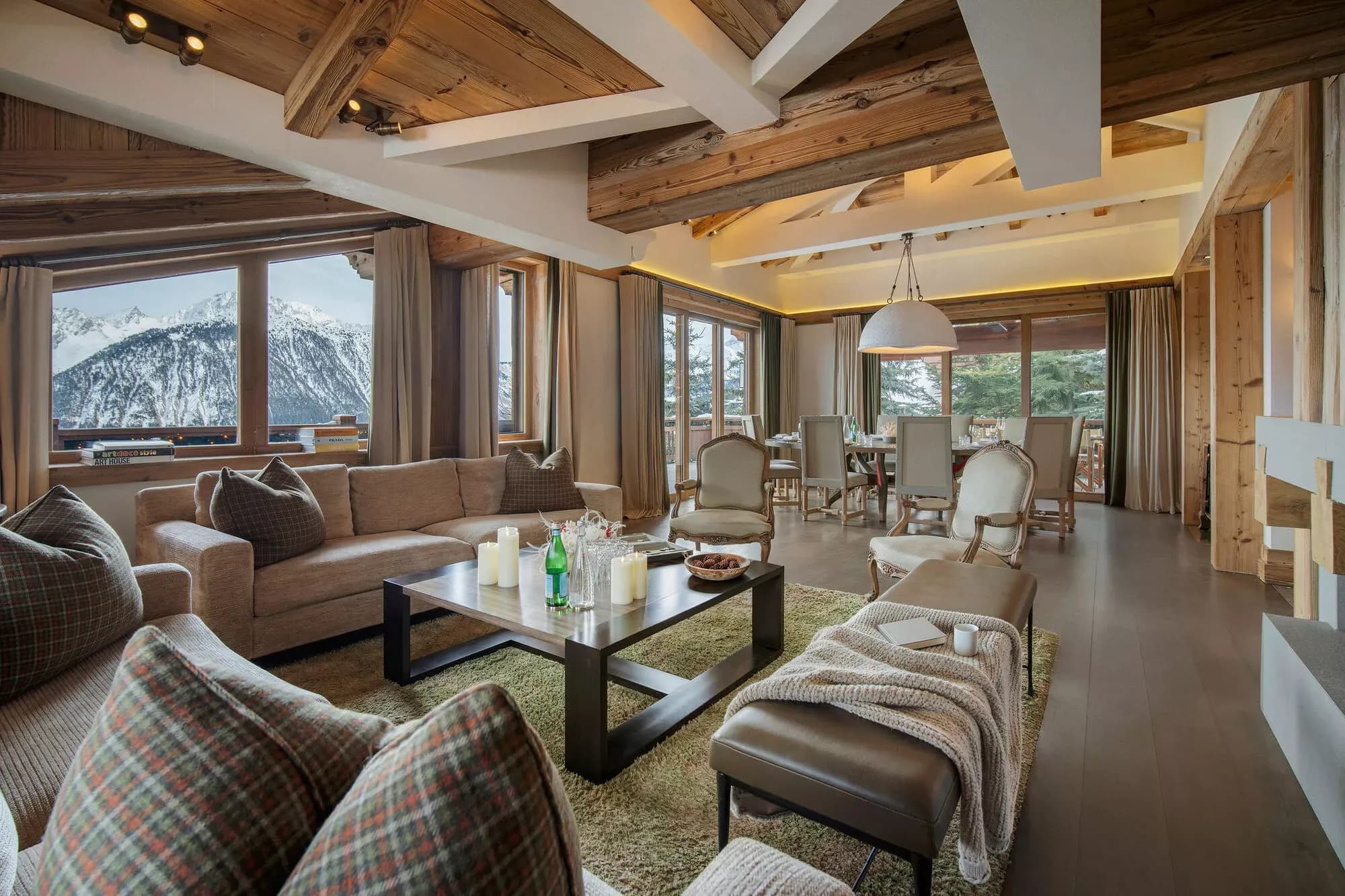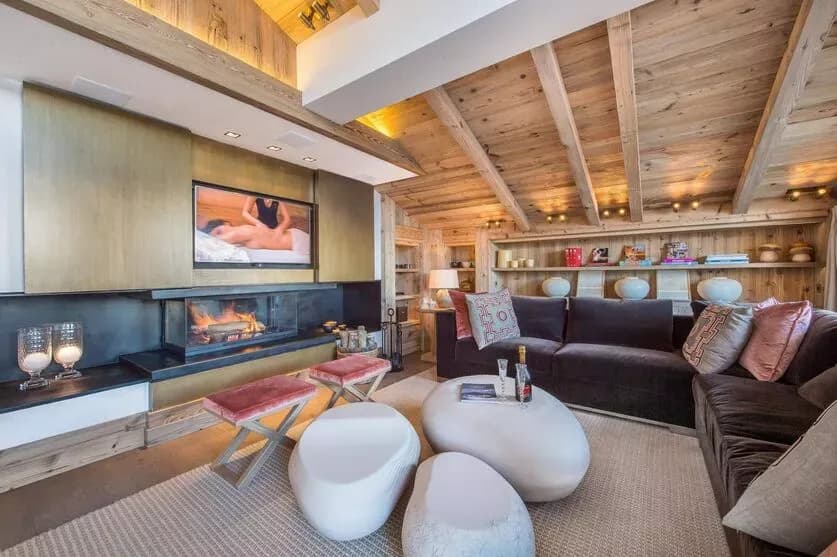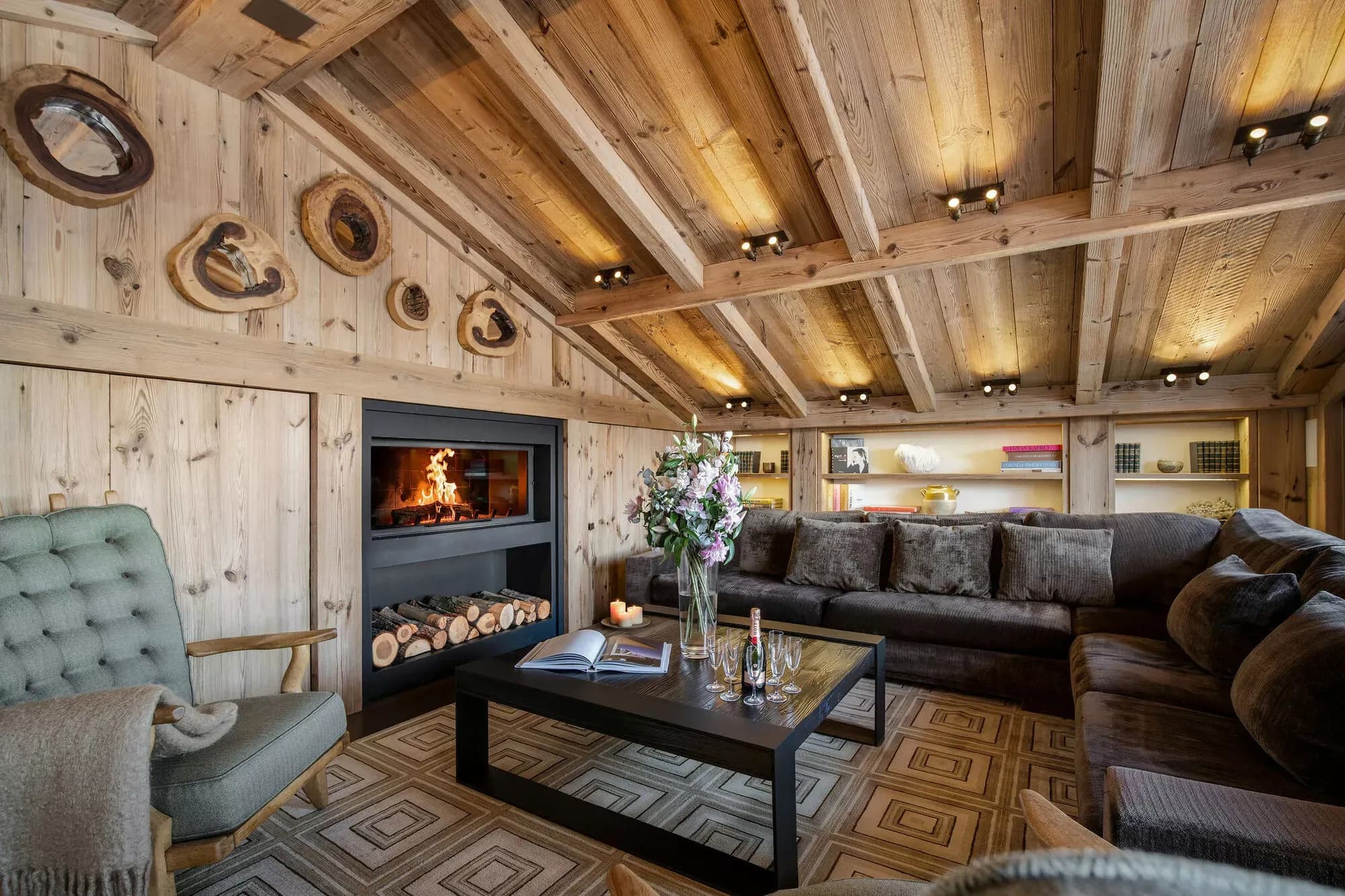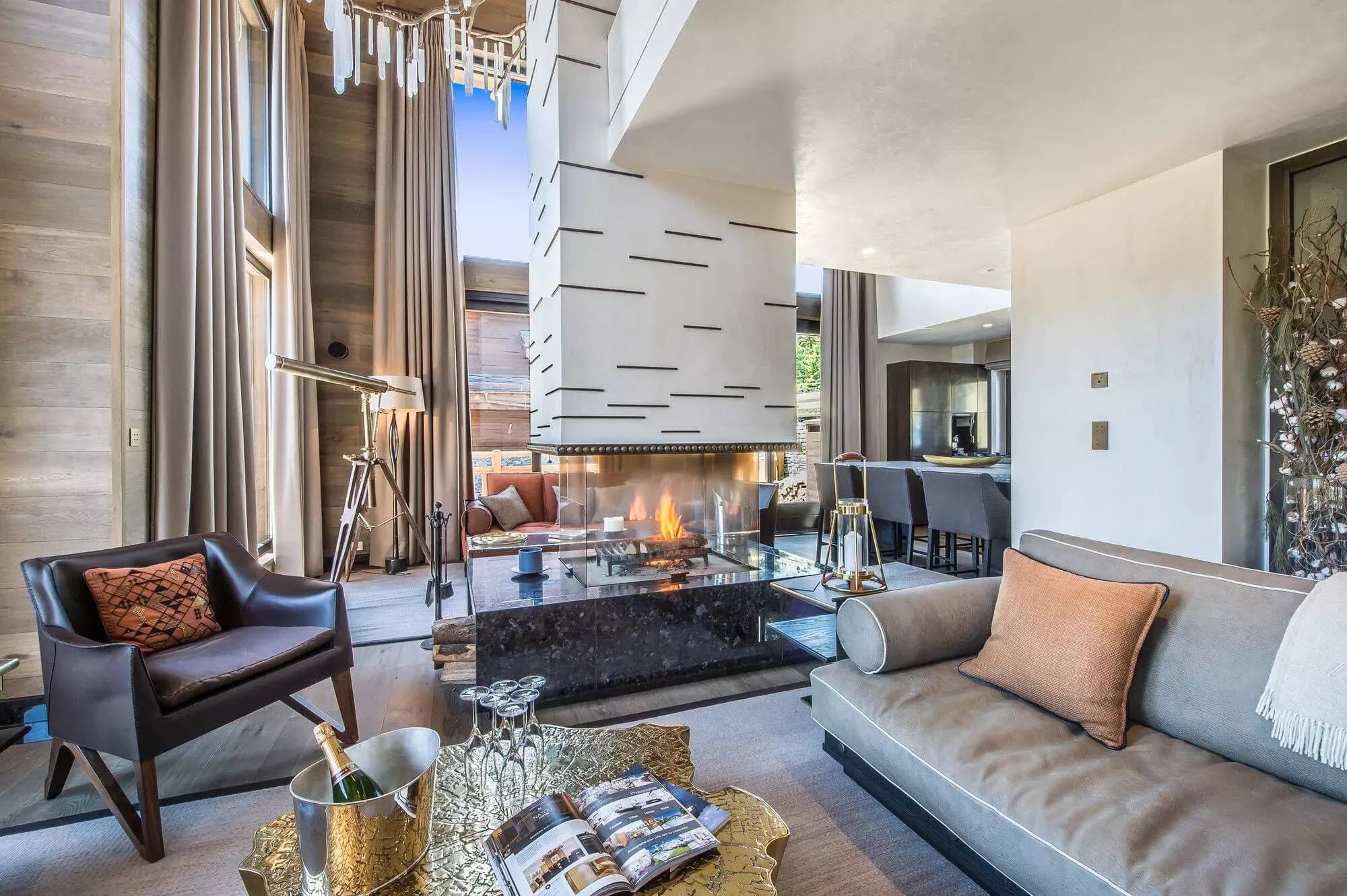
Quick Answer
Two of the Alps' most prestigious resorts, very different in character. Courchevel anchors the premium end with six Michelin-starred restaurants, gentle cruising terrain, and families in mind — 1850 is the flagship, with quieter satellites at Le Praz, 1550, and Moriond 1650. Verbier is the freeride capital of the Alps — Mont Fort, Mont Gelé, and the lively mountain-town atmosphere of the 412km 4 Vallées. Pick Courchevel for fine dining and families; Verbier for off-piste and après-ski.
The Skiing
Courchevel and Verbier both offer world-class skiing, but the character of that skiing differs substantially.
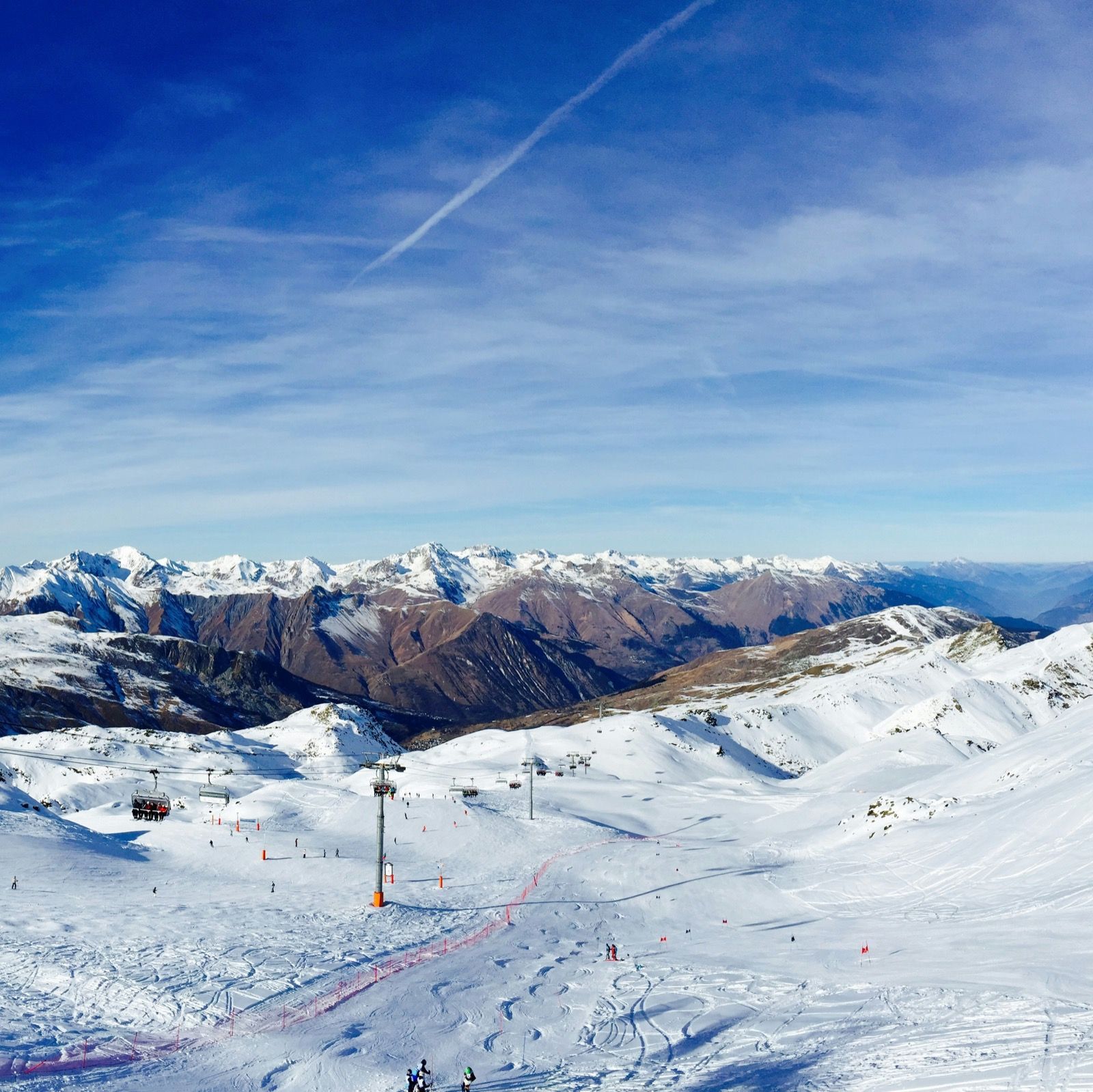
Courchevel sits at the heart of the Three Valleys — the world's largest linked ski area with over 600km of interconnected pistes. Its own domain spans 150km of marked runs, with terrain split roughly 25% beginner, 40% intermediate, and 35% advanced. The pistes are immaculately groomed, wide, and well-marked. If you enjoy cruising long reds with the family and occasionally dropping into a challenging black, Courchevel delivers that experience better than almost anywhere in the Alps.
Verbier is part of the 4 Vallees system (412km of pistes), but its reputation rests on what happens off the marked runs. The Mont Fort glacier at 3,330m opens access to some of Europe's most renowned freeride itineraries, including the famous Mont Gele couloirs. The on-piste skiing is strong — particularly the long runs from Attelas — but intermediates may find the terrain less varied than Courchevel's endless Three Valleys network.
For strong intermediates and advanced skiers who want variety and distance, Courchevel's Three Valleys access is hard to beat. For experts who live for off-piste and don't mind earning their turns, Verbier is the clear choice.
The Village & Apres-Ski
The villages couldn't be more different in personality.
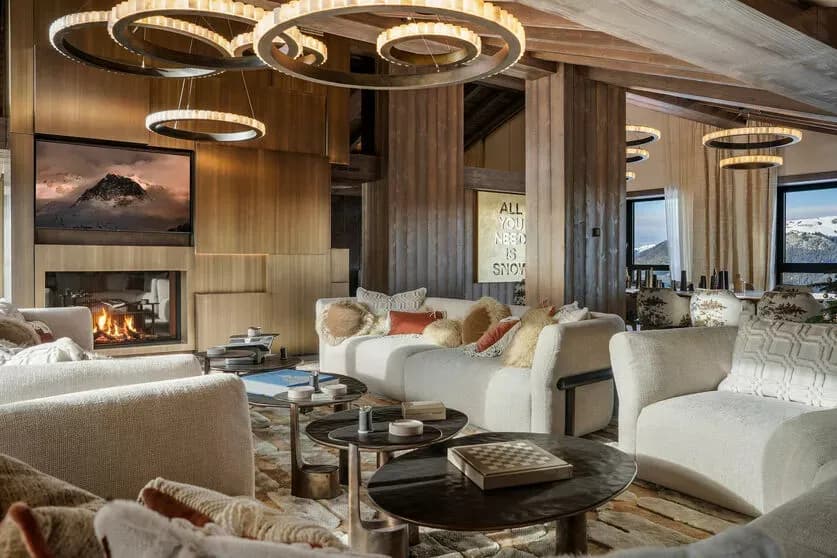
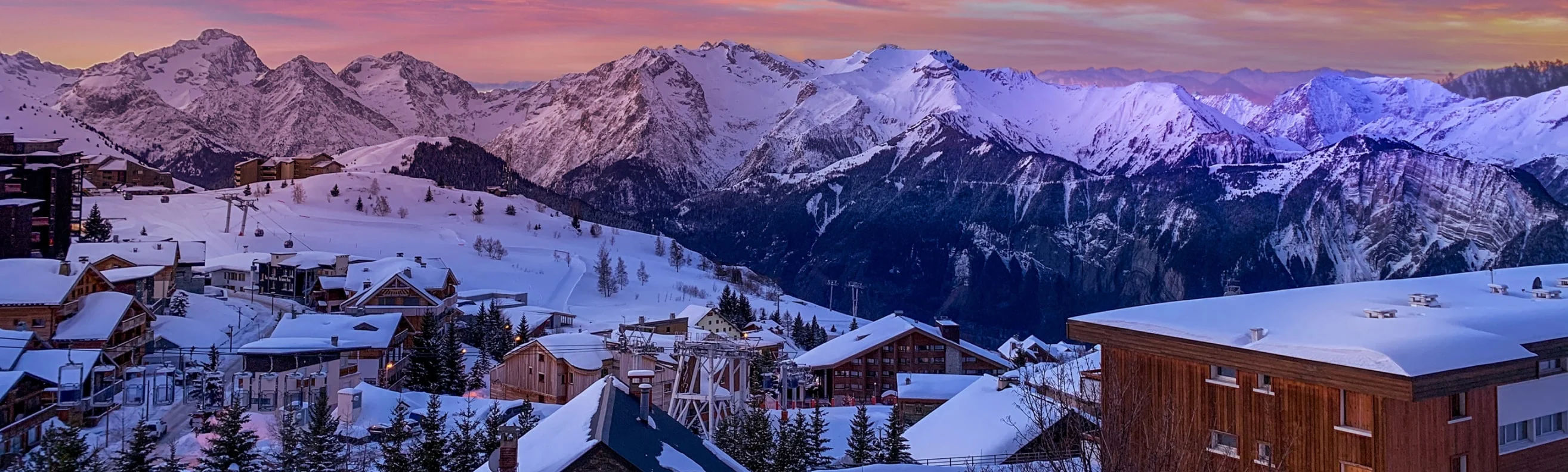
Courchevel 1850 is the flagship village — polished, manicured, and unapologetically luxurious. The Jardin Alpin neighbourhood is home to six-star hotels and flagship boutiques. Apres-ski tends toward champagne bars and hotel terraces rather than raucous pub culture. The lower villages (Moriond, Le Praz, La Tania) offer a more relaxed alternative with genuine Savoyard character, but the gravitational pull of 1850 defines the Courchevel experience.
Verbier has a different energy entirely. It's a genuine mountain town first and a resort second — the streets have character, the bars have soul, and the apres-ski scene (anchored by Pub Mont Fort and the Farinet complex) is among the best in the Alps. There's a youthful, sporty atmosphere that Courchevel deliberately avoids. If you want to ski hard, eat well, and go out without needing a dinner jacket, Verbier is the resort for you.
Getting There
Both resorts are well-connected to Geneva and other major Alpine airports, but the logistics differ.
Courchevel: The nearest major airport is Chambery (1h30 drive), with Lyon (2h30) and Geneva (2h45) as alternatives. Courchevel uniquely has its own altiport — a short mountain runway that accepts private aircraft and helicopter transfers. For those with the budget, it's the fastest door-to-slope experience in the Alps.
Verbier: Geneva airport is the standard gateway at approximately 2 hours by car. The drive is straightforward via the Grand-Saint-Bernard tunnel. Le Chable, at the base of the Verbier cable car, has a train station with direct connections from major Swiss cities — a genuinely convenient option if you're already in Switzerland.
When to Visit
Both resorts share similar season dates — typically early December through late April — but their peak characteristics differ.
Courchevel's sweet spot is January through mid-March, when snow cover is deep and the Three Valleys are fully operational. February half-term is the busiest (and most expensive) period, particularly at 1850. Late March offers surprisingly good skiing at lower prices.
Verbier is at its best from mid-January through March for on-piste, but the freeride season extends into April and even early May on the glacier. The FWT (Freeride World Tour) events in late March bring a particular buzz to the village.
The Verdict
These are two of the finest ski resorts in the world, and neither is a wrong choice. But they serve different desires.
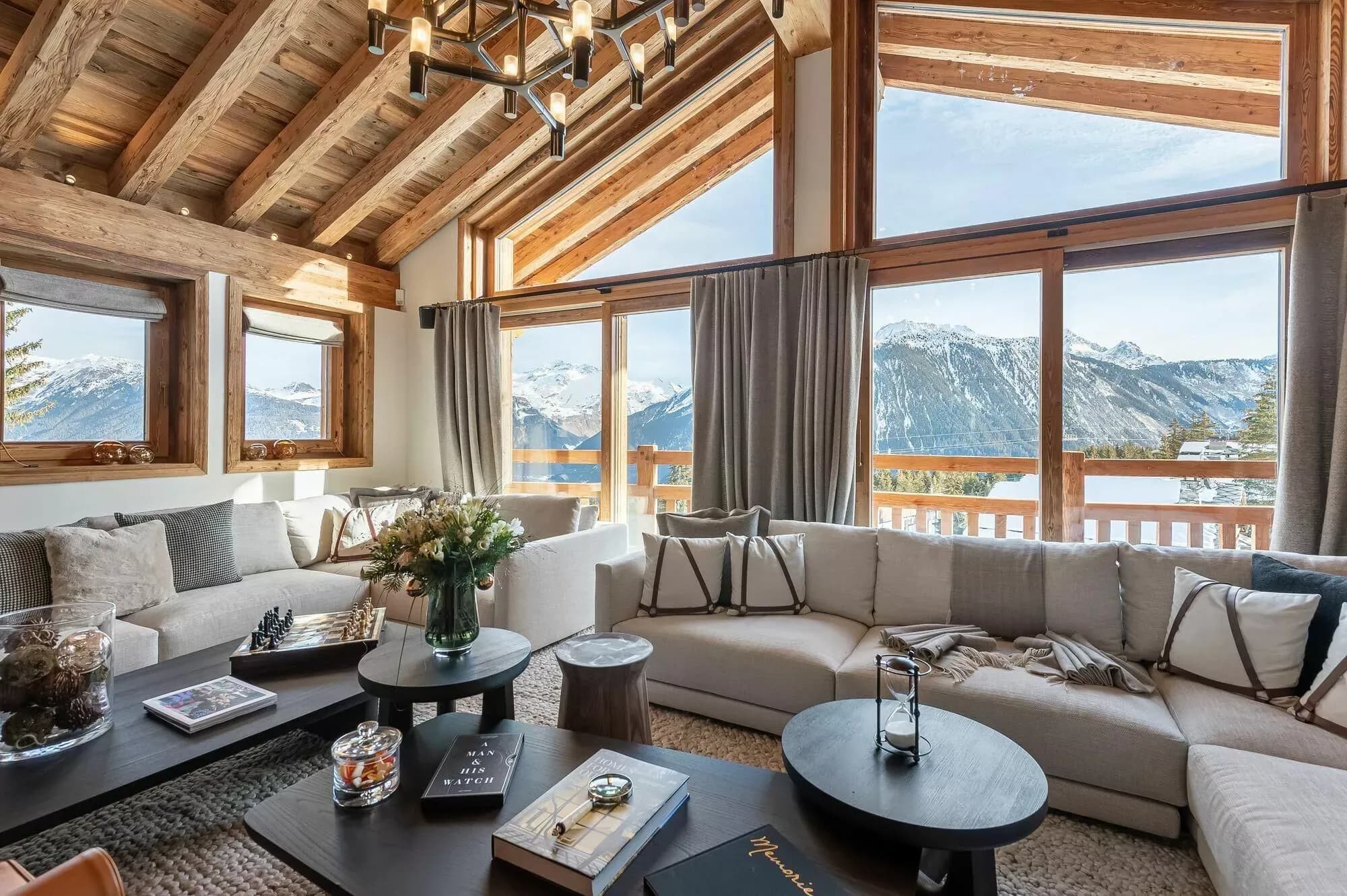
Choose Courchevel if you want: a polished, full-service luxury experience; the largest linked ski area in the world; exceptional family infrastructure; Michelin-starred dining within walking distance of your chalet. Courchevel is the resort where everything is taken care of — you arrive, you ski, you dine, you don't think about logistics.
Choose Verbier if you want: serious skiing with world-class off-piste; a village with genuine Alpine character; a livelier social scene; slightly more accessible pricing across a range of luxury properties. Verbier is the resort where the mountain comes first and everything else follows.
If you're still undecided, consider this: Courchevel is where you go to be comfortable. Verbier is where you go to be challenged. Both will leave you wanting to come back.
Frequently Asked Questions
Is Courchevel better than Verbier for beginners?
Yes, Courchevel is the better choice for beginners. The nursery slopes at 1850 and Moriond are gentle, well-maintained, and free to access. The ESF ski school operates extensive beginner programmes across all five village levels. Verbier's terrain is steeper on average, and the village-level slopes are less sheltered, making progression harder for first-timers.
Which resort has better snow — Courchevel or Verbier?
Verbier has a slight edge on snow reliability due to its higher average altitude and the Mont Fort glacier reaching 3,330m. However, Courchevel compensates with extensive snowmaking covering over 50% of its ski area. In practice, both resorts deliver consistent skiing from December through April.
Is Verbier cheaper than Courchevel?
At the top end, pricing is comparable. But Verbier offers a wider range of luxury accommodation at different price points, whereas Courchevel 1850 pricing starts higher across the board. If you're looking for high-quality chalets in the 10,000-20,000 per week range, Verbier offers more options. Below 1850, Courchevel's lower villages (Moriond, Le Praz) are more competitive.
Can you ski between Courchevel and Verbier?
No, they are in separate ski systems. Courchevel is part of the Three Valleys (France), while Verbier is part of the 4 Vallees (Switzerland). They are approximately 100km apart by road.
Which resort is better for a group ski holiday?
For large groups with mixed abilities, Courchevel is typically the better fit. The Three Valleys' sheer scale means every level of skier can find terrain that suits them, and the village infrastructure (restaurants, shops, activities) keeps non-skiers entertained. Verbier works well for groups of confident skiers who share a passion for the mountain.
Which has better off-piste — Courchevel or Verbier?
Verbier, by a wide margin. It's one of the most celebrated freeride destinations in the world — the Mont Fort itineraries (Col des Mines, Stairway to Heaven, Mont Gelé's north and south faces) define lift-accessed backcountry skiing in Europe. The Freeride World Tour holds its final event here for good reason. Courchevel has respectable off-piste (the couloirs off Saulire, the tree lines to La Tania), but the terrain is more piste-focused overall and the off-piste culture is less embedded. For committed freeriders, Verbier isn't close.
Is Courchevel or Verbier more family-friendly?
Courchevel is the stronger family choice. The nursery slopes in Courchevel 1850 and 1650 are gentle, the ski schools are well-resourced, and many of the large catered chalets come with childcare, babysitting, and kids' tea arrangements built in. Verbier is a livelier mountain town — excellent for families with teenagers or experienced child skiers, but less set up for young beginners. The village layout in Verbier also involves more walking and shuttle use than Courchevel's compact, level centre.