Quick Answer
Both are Alpine giants, but they reward different skiers. Chamonix is the freeride capital beneath Mont Blanc — the Vallée Blanche (a 20km off-piste descent from the Aiguille du Midi), Grands Montets, and endless couloirs define this valley. Zermatt offers 360km of linked skiing with Cervinia in Italy, year-round glacier runs on the Klein Matterhorn (3,883m, Europe's highest lift-served point), and a car-free village beneath the Matterhorn. Pick Chamonix for freeride and French pricing; Zermatt for scale, scenery, and glacier reliability.
The Skiing
These two resorts attract a similar kind of skier — someone drawn to serious mountains rather than manicured piste networks — but the skiing experience differs in important ways.
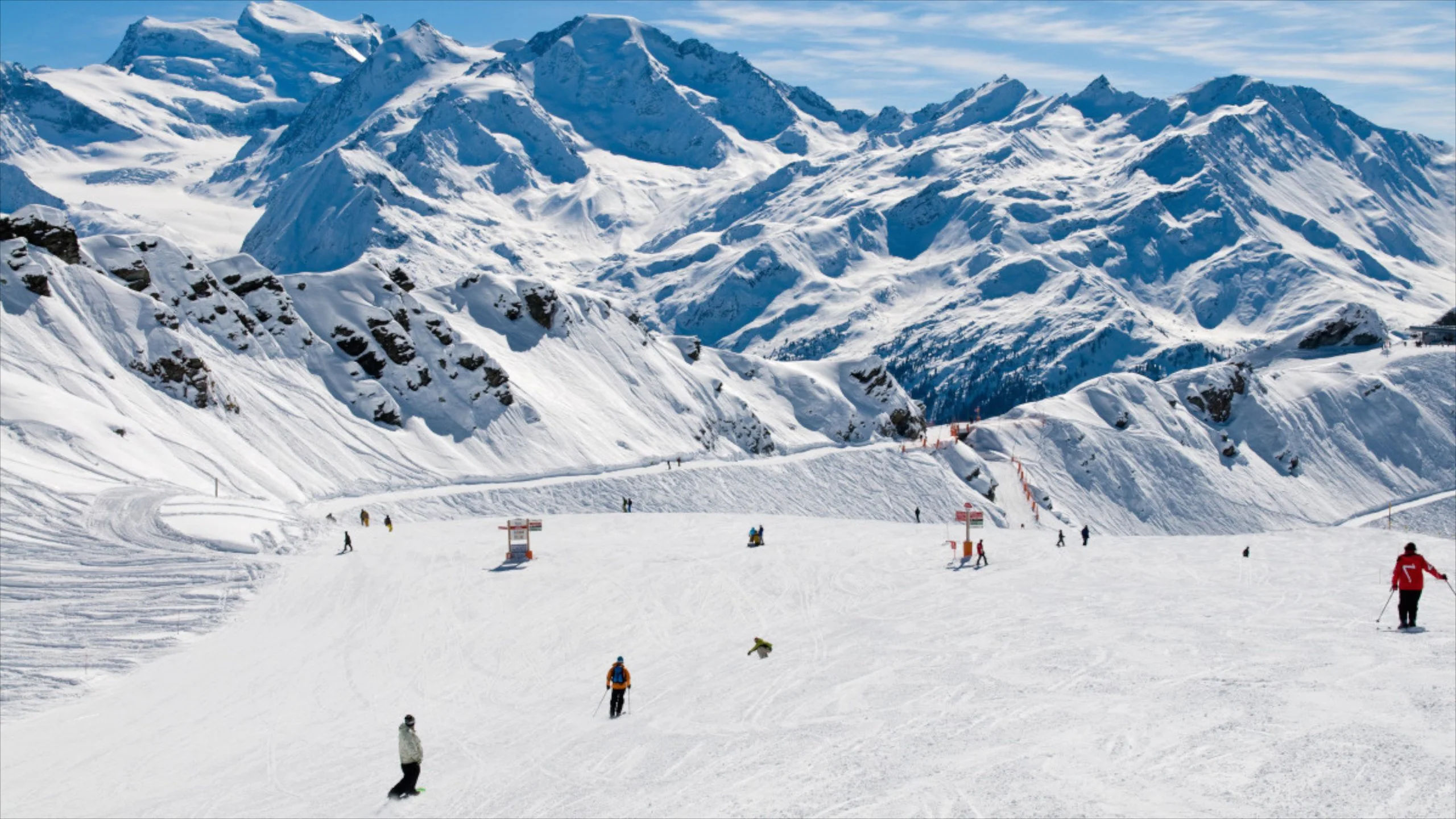
Chamonix is not a single ski area but a collection of separate domains strung along the valley beneath Mont Blanc. The Grands Montets (3,275m) is the jewel — steep, north-facing, and holding snow well into spring. The Brevent-Flegere sector offers stunning panoramic runs with Mont Blanc filling the horizon. And then there's the Vallee Blanche: a 20km off-piste descent from the Aiguille du Midi (3,842m) that remains one of the defining ski experiences in the Alps. Chamonix's marked piste total (around 155km across all domains) understates the resort — this is a place defined by what happens between the markers.
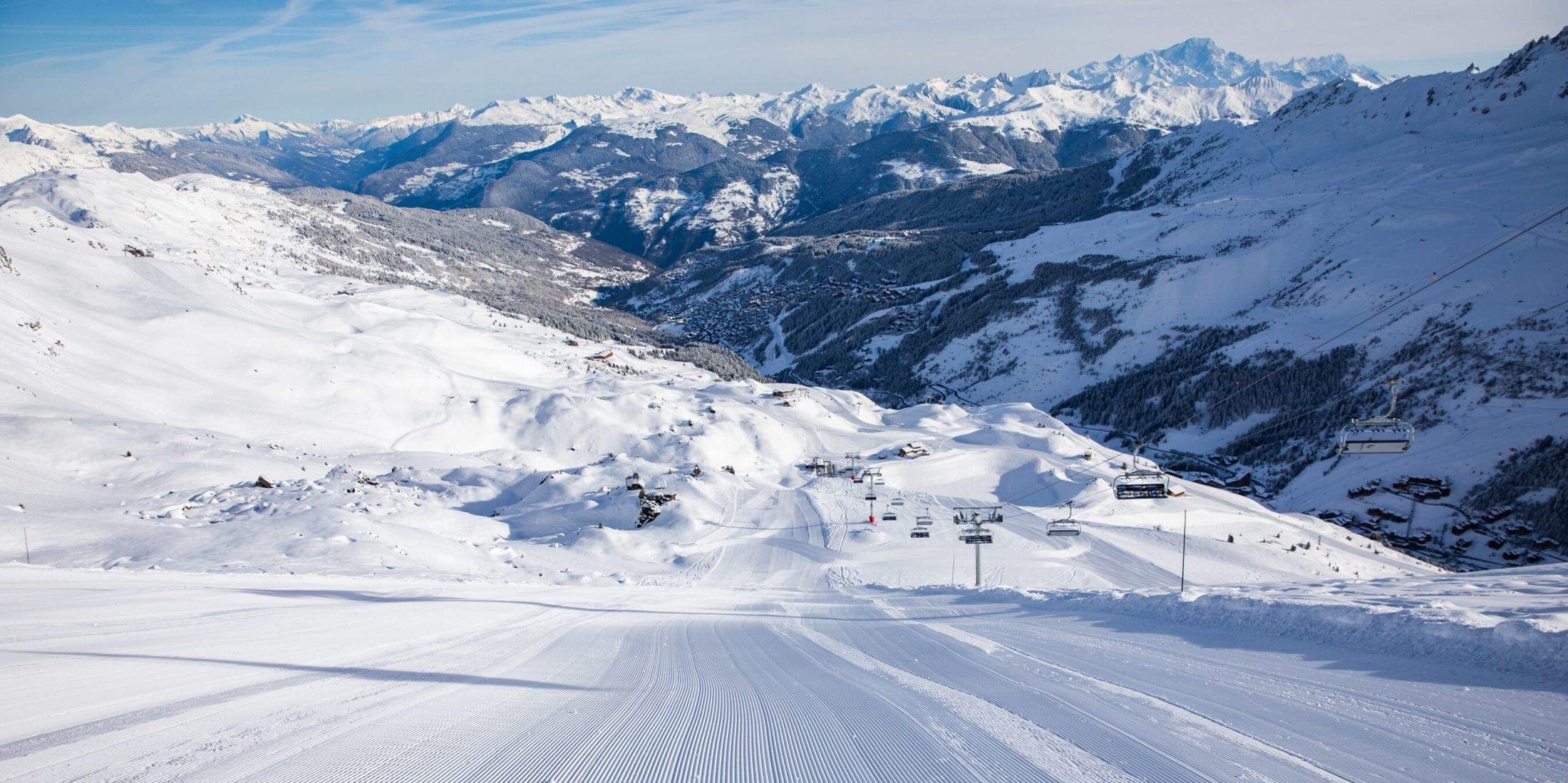
Zermatt offers a more connected and varied ski area. The main domain spans 360km of pistes (when combined with Cervinia across the Italian border), making it one of the largest linked systems in the Alps. The terrain ranges from gentle cruising runs above Sunnegga to the steep mogul fields beneath the Stockhorn. The Klein Matterhorn at 3,883m delivers Europe's highest lift-served skiing and glacier runs that stay reliable when lower resorts are struggling. For strong intermediates who want long, scenic descents — the run from Klein Matterhorn to Valtournenche in Italy covers over 2,000m of vertical.
For committed freeriders and alpinists who want to push boundaries, Chamonix is unrivalled. For those who want world-class skiing with more variety, better connectivity, and the security of glacier-altitude snow, Zermatt is the stronger all-round choice.
The Village & Apres-Ski
Both are genuine year-round mountain towns rather than purpose-built resorts, but the atmosphere is markedly different.
Chamonix is a working Alpine town with an edge. The main street hums with a mix of mountaineers, skiers, trail runners, and locals. Bars like the Chambre Neuf and Moo fill up after skiing with a lively, international crowd — the apres-ski has energy without being performative. The town has genuine depth: independent shops, a vibrant restaurant scene spanning everything from tartiflette in wood-panelled bistros to inventive modern dining at Maison Carrier. There's a democratic spirit to Chamonix — you'll find a mountain guide at the next table in most restaurants.
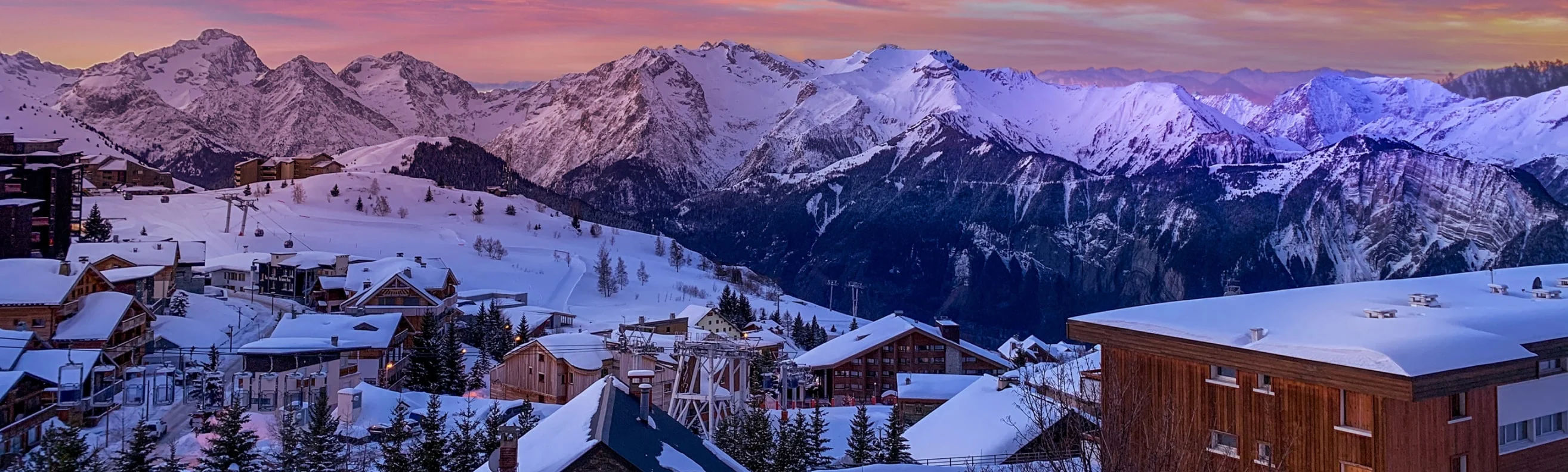
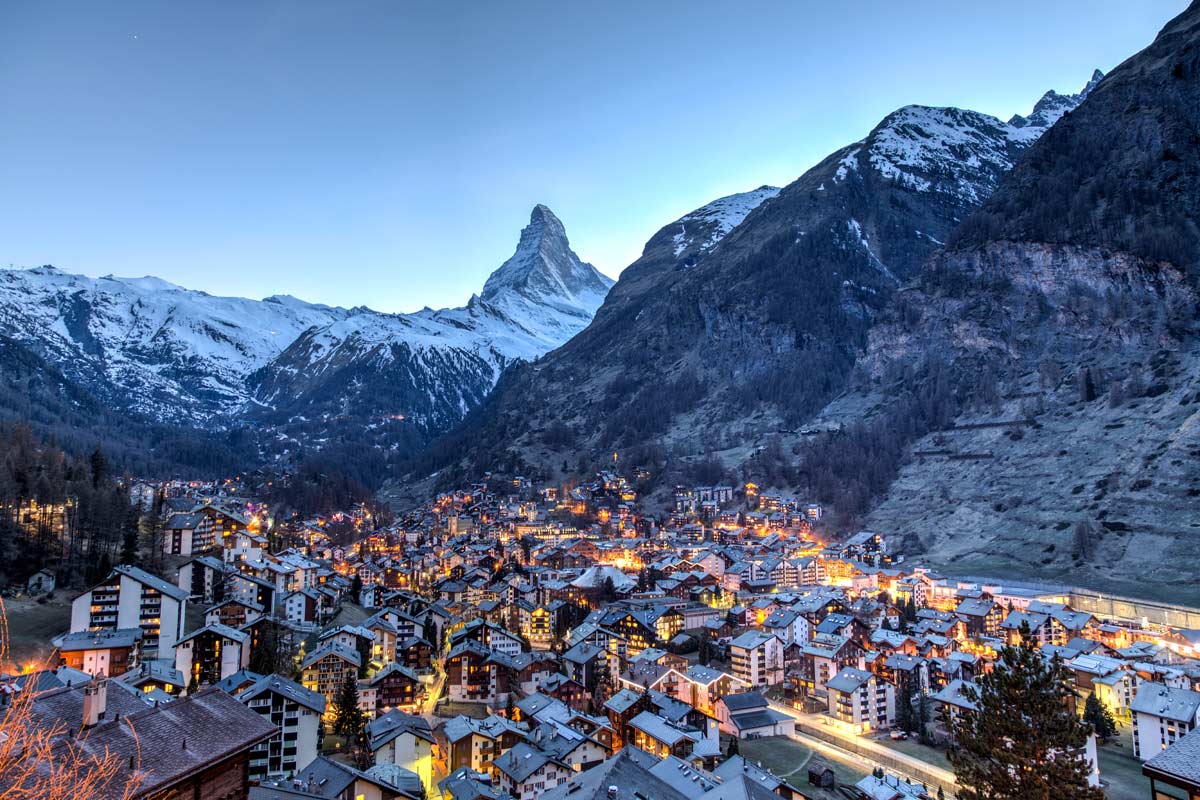
Zermatt has an altogether different register. The car-free village (electric taxis and horse-drawn carriages only) creates an immediate sense of calm. The Matterhorn dominates every sightline, and the village has been carefully preserved — traditional Valais timber chalets line narrow streets. Apres-ski is more refined: the Vernissage cinema-bar, Elsie's wine bar, and the terrace at Chez Vrony up on the mountain set the tone. Dining punches well above expectations for a village this size, with several Michelin-recognised options. Zermatt feels curated in a way that Chamonix deliberately doesn't.
If you want a mountain town with soul and grit, choose Chamonix. If you want beauty, quiet luxury, and a car-free cocoon, choose Zermatt.
Getting There
Access is one of the bigger practical differences between these two resorts.
Chamonix: Geneva airport is the standard gateway at just 1 hour 15 minutes by car — one of the shortest transfers in the Alps. The Mont Blanc tunnel connects directly to Italy, making Chamonix exceptionally well-connected. There's also a direct train from Saint-Gervais with scenic valley views. For those combining destinations, Courmayeur is just 20 minutes through the tunnel.
Zermatt: Getting to Zermatt requires more effort. The nearest airports are Zurich (3h30), Geneva (3h30), or Milan Malpensa (3h). The final stretch must be done by train from Visp or Tasch — no cars enter Zermatt. The Glacier Express train from St Moritz is one of the world's great rail journeys but takes a full day. Helicopter transfers from Sion airport cut the time dramatically for those with the budget. Once you arrive, the car-free environment rewards the longer journey — but it's a factor for families with heavy luggage.
When to Visit
Both resorts offer long seasons, but their peak windows differ.
Chamonix's prime season runs from January through mid-March, when the north-facing Grands Montets sector holds deep snow and the Vallee Blanche is in condition. The resort can receive very heavy snowfalls — the valley floor sits at just 1,035m, so early and late season snow cover at village level is less reliable. Spring skiing (March-April) is excellent at altitude on south-facing slopes.
Zermatt's advantage is consistency. The glacier skiing operates year-round, and the main season runs reliably from late November through late April. February and March are the sweet spot — cold snow at altitude, long days, and the Matterhorn bathed in morning light. Zermatt is also one of the very few resorts worth visiting for summer skiing, with well-groomed glacier runs open through July and August.
The Verdict
Chamonix and Zermatt are two of the most storied mountain destinations on earth. Neither is a compromise, but they appeal to different instincts.
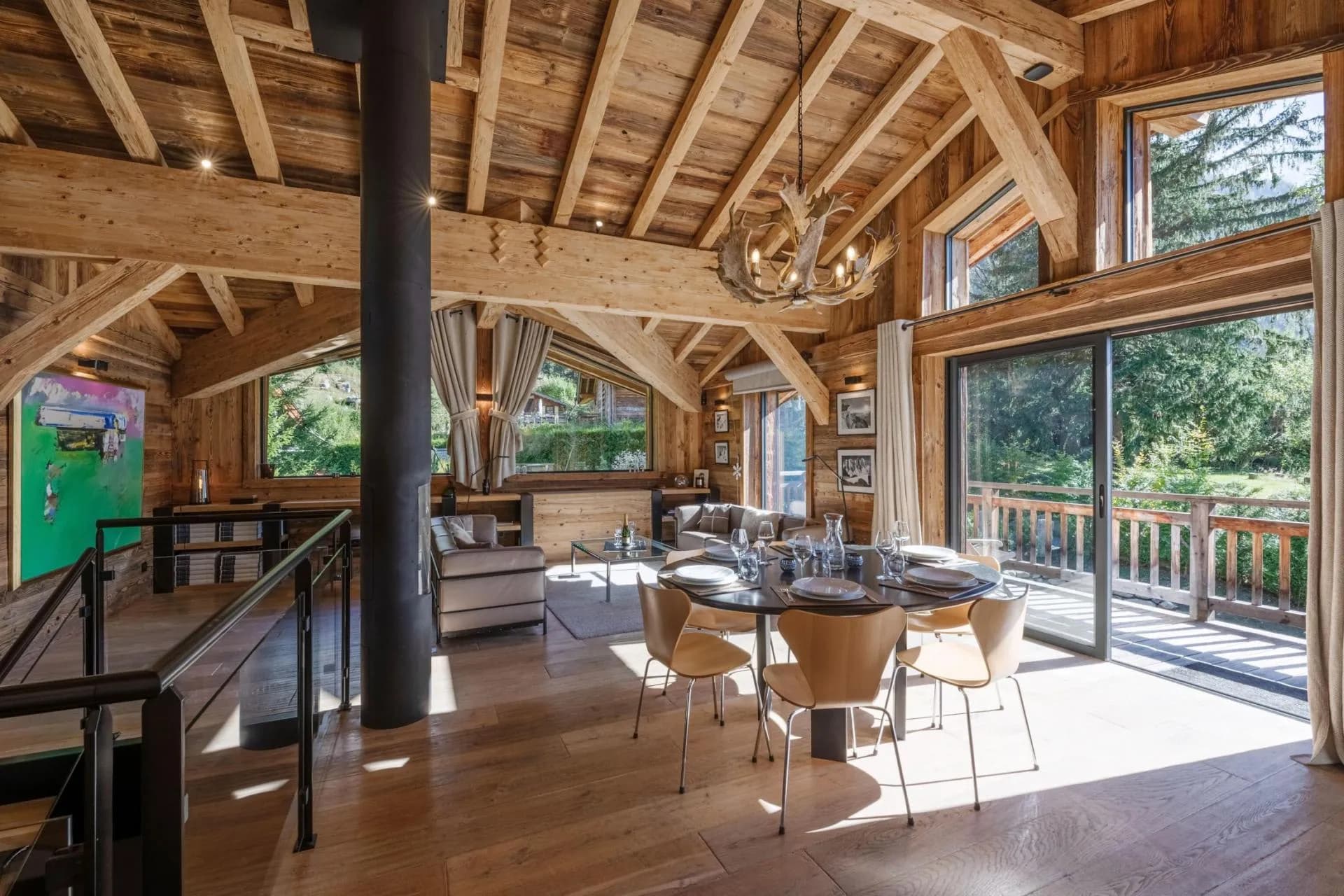
Choose Chamonix if you want: the most serious freeride terrain in the Alps; a town with authentic mountain culture and a buzzing social scene; easy access from Geneva; luxury chalets at French prices. Chamonix is the resort where the mountain is the main event, and everything else supports that.
Choose Zermatt if you want: a vast, well-connected ski area with guaranteed snow; the most iconic mountain vista in the Alps; a car-free village with refined dining and quiet elegance; luxury accommodation in a fairy-tale setting. Zermatt is the resort where the whole experience — mountain, village, and atmosphere — comes together as one seamless thing.
If you're still torn: Chamonix is where mountaineers go to ski. Zermatt is where skiers go to feel like they're in the mountains. The distinction matters more than it sounds.
Frequently Asked Questions
Is Chamonix or Zermatt better for intermediate skiers?
Zermatt is the better choice for intermediates. Its 360km linked ski area (with Cervinia) offers endless long cruising runs, well-groomed pistes, and a natural progression from easy reds to more challenging terrain. Chamonix's separate ski areas are steeper on average, with fewer gentle intermediate runs and more challenging transitions between sectors.
Which resort has more reliable snow — Chamonix or Zermatt?
Zermatt wins on snow reliability thanks to its glacier skiing reaching 3,883m. The upper slopes hold snow from November through May and beyond. Chamonix receives heavier individual snowfalls due to its position near Mont Blanc, but its lower village altitude (1,035m vs Zermatt's 1,620m) means early and late season cover at the base can be inconsistent.
Is Zermatt more expensive than Chamonix?
Yes, significantly. Zermatt is in Switzerland with Swiss franc pricing across the board — lift passes, restaurants, and accommodation all run considerably higher than Chamonix's French pricing. A comparable luxury chalet in Chamonix can cost 30-40% less than its Zermatt equivalent. The gap narrows slightly at the very top end, but for most budgets Chamonix offers better value.
Can you ski from Zermatt to Italy?
Yes. The Zermatt-Cervinia ski area is fully linked, and on a good day you can ski from the Klein Matterhorn glacier all the way down to Valtournenche on the Italian side — a descent of over 2,000 vertical metres. The Italian slopes tend to be sunnier, quieter, and offer significantly cheaper mountain restaurants. It's one of the great cross-border ski experiences in the Alps.
Which resort is better for non-skiers?
Zermatt offers more for non-skiers. The car-free village is a pleasure to walk around, the Gornergrat railway provides a spectacular scenic excursion (no skiing required), and there are well-maintained winter hiking trails with Matterhorn views. Chamonix has the Aiguille du Midi cable car — a jaw-dropping experience for anyone — but the town itself is less pedestrian-friendly and the non-skiing infrastructure is more limited.
Which has better off-piste — Chamonix or Zermatt?
Chamonix, decisively. The Vallée Blanche (a 20km off-piste descent from the 3,842m Aiguille du Midi), Grands Montets' north-facing couloirs, and the Brévent-Flégère backcountry define lift-accessed freeride skiing in Europe. The guiding culture is deep, and the local conditions reward expertise. Zermatt has respectable off-piste (the Stockhorn freeride zone, Triftji couloirs) but the terrain is less committing and the culture less embedded. For freeriders, Chamonix is unrivalled.
Is Chamonix or Zermatt better for a long weekend?
Zermatt is marginally easier logistically for a long weekend. The car-free village means no driving once you arrive, the compact layout means fewer transfers between hotel and lift, and the direct train from Zurich (under 4 hours) avoids mountain driving. Chamonix requires a rental car or pre-booked transfers, and the resort is spread across the valley, which can eat into a short trip. That said, Chamonix is closer to Geneva (1h15) vs Zermatt (3h30) — so if your flight time is tight, Chamonix wins on arrival speed.