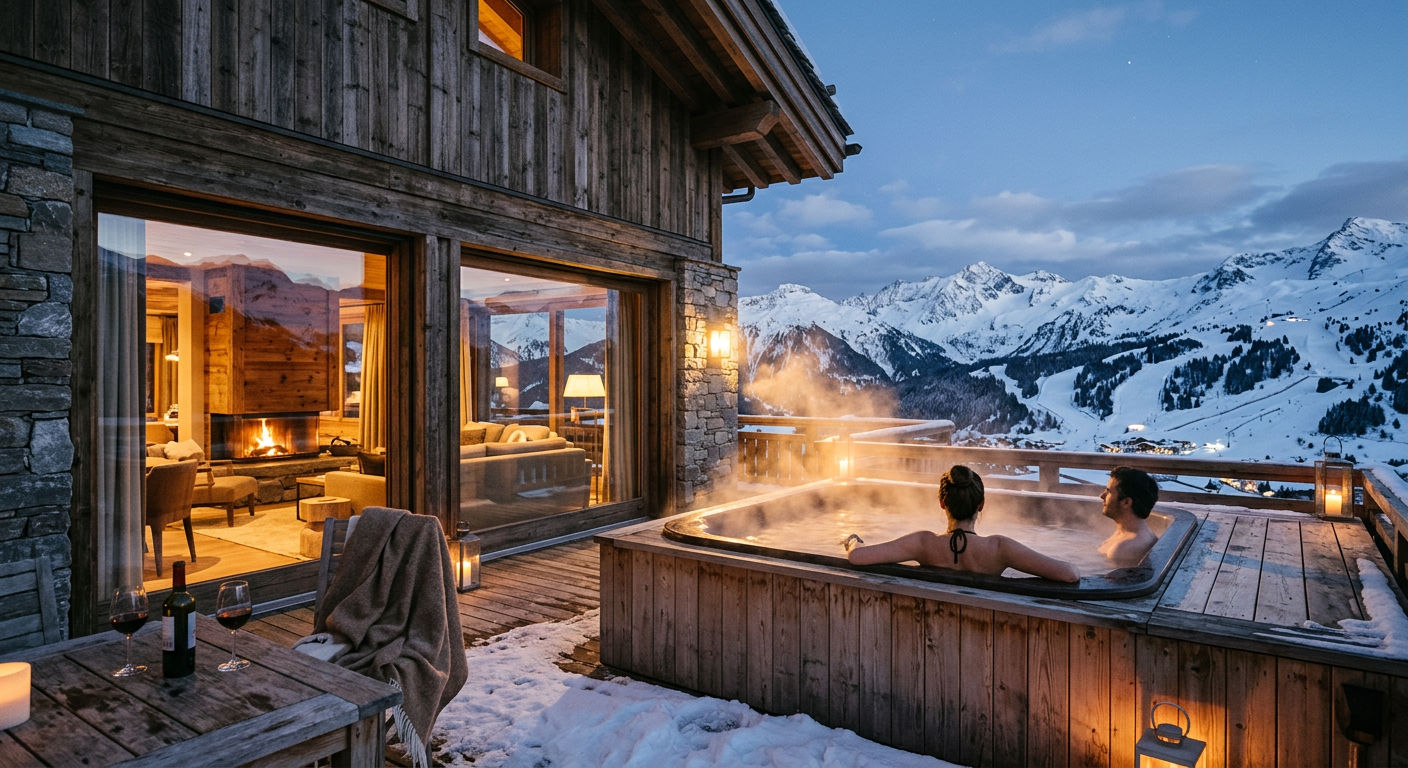
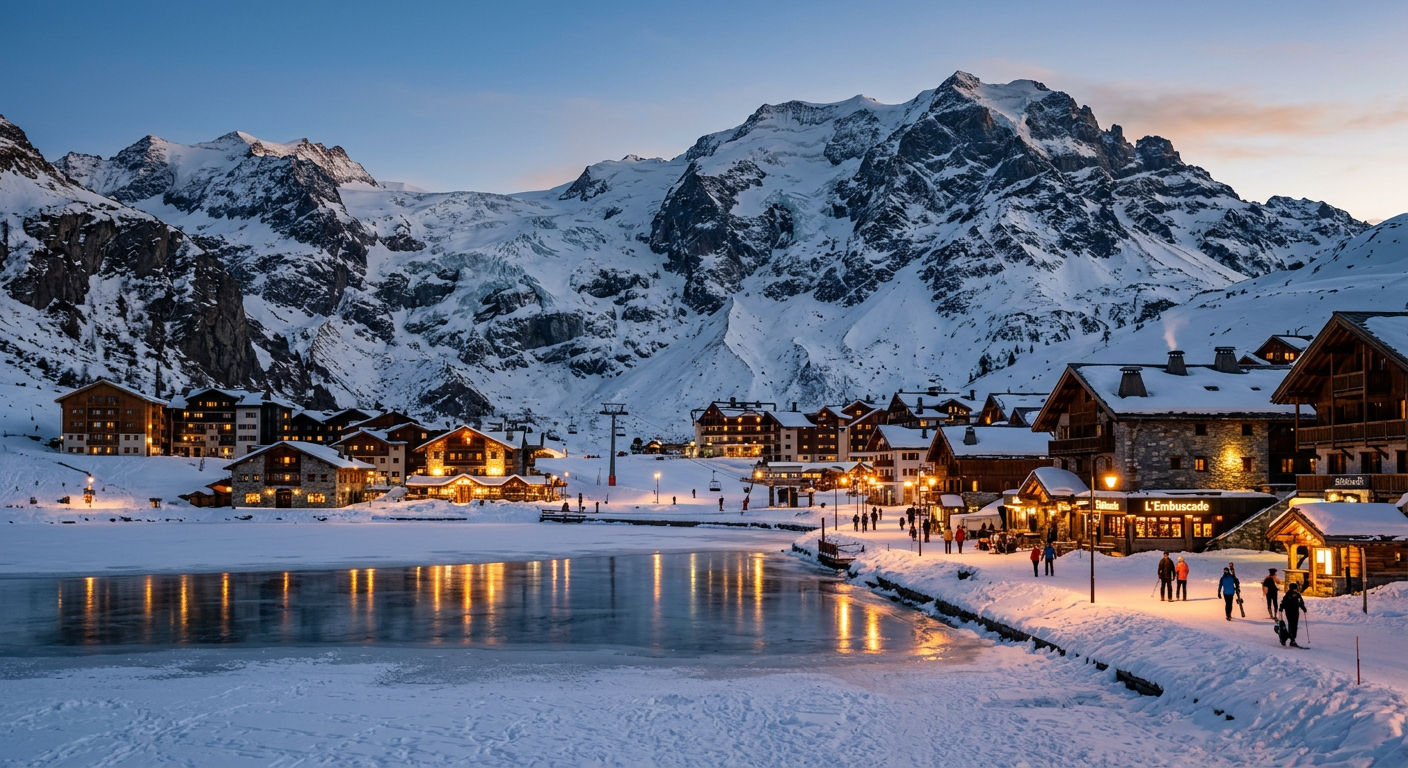
Luxury Chalets in Zermatt: A Rental Guide to Switzerland's Matterhorn Village

Zermatt stands apart from every other Alpine ski resort in one fundamental respect: there are no cars. The village has been car-free since the 1930s, and that single decision shapes everything — the quiet streets, the unobstructed Matterhorn views from almost every vantage point, and a chalet market where location is measured in walking minutes rather than driving distance.
This guide covers what defines a luxury chalet rental in Zermatt, where to look within the village, what amenities and service levels to expect, and how to match your budget and group size to the right property — all grounded in data from our read our Zermatt Skiing guide.
Why Rent a Luxury Chalet in Zermatt
Zermatt offers 360 kilometres of linked pistes across the Matterhorn Ski Paradise — the highest ski area in the Alps, reaching 3,883 metres at the Matterhorn Glacier Paradise — with skiing that connects across the Swiss-Italian border to Cervinia. No other resort in Europe combines this altitude, this scale, and a car-free village at its base.
The village sits at 1,620 metres, high enough for reliable snow from late November through late April, with glacier skiing available year-round. The Matterhorn Ski Paradise's altitude range — 1,620m to 3,883m — means that even in a low-snow season, the upper runs hold their cover when lower resorts struggle.
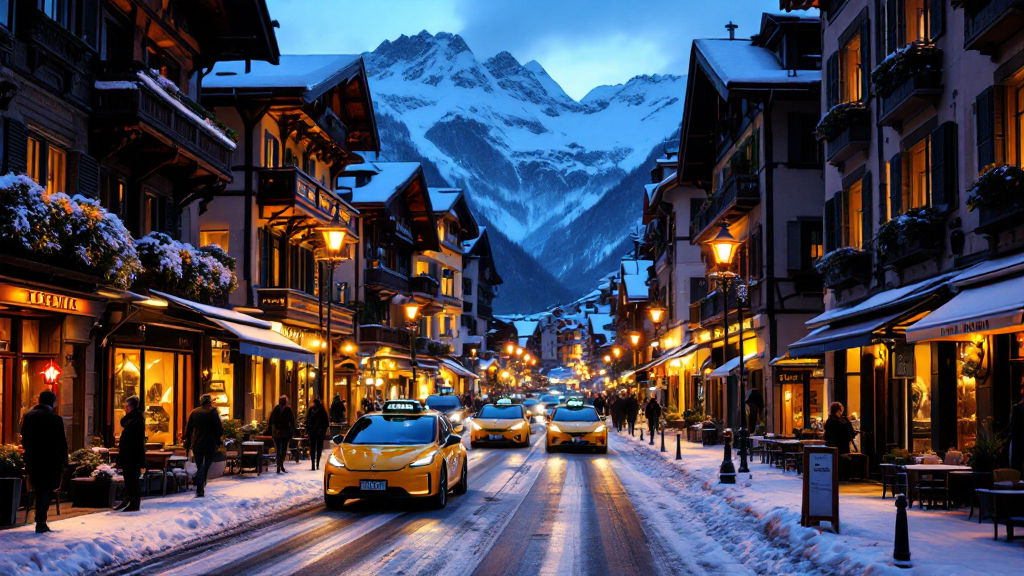
For chalet renters, Zermatt's car-free layout is a genuine advantage. Every property in the village is accessible on foot or by electric taxi. There is no traffic noise, no exhaust, and no jostling for parking. The trade-off is that you cannot drive to your chalet — luggage is transported by electric vehicle from Täsch, the last car-accessible station, 12 minutes away by train. Most chalet operators arrange this seamlessly.
What to Expect: Amenities and Standards
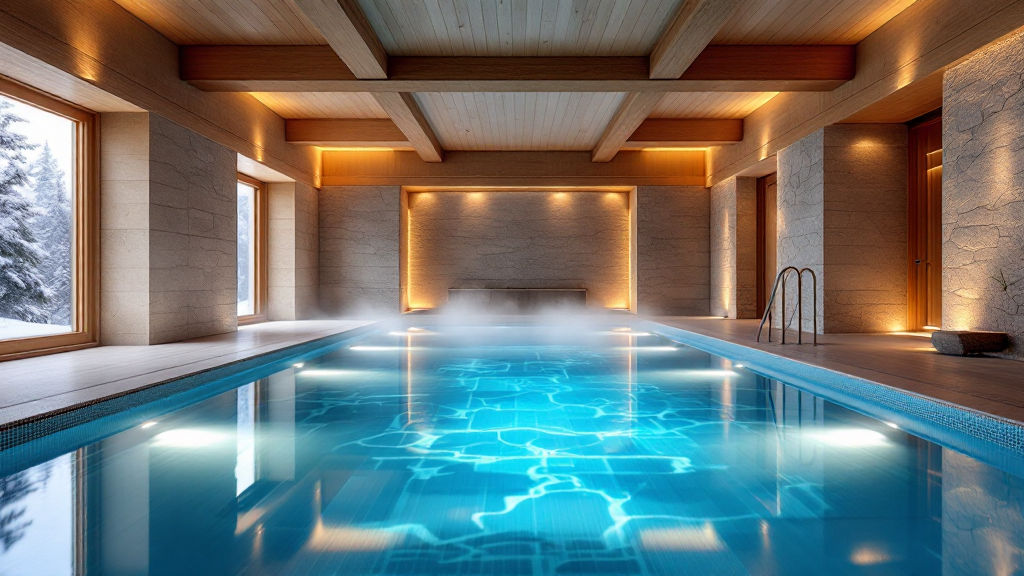
Zermatt's luxury chalet market sets a high baseline for wellness and in-property facilities — higher, in fact, than most comparable Alpine resorts.
For those filtering by specific amenities, read our Zermatt Skiing guide or read our Zermatt Skiing guide to see the current selection.
Where to Rent: Zermatt's Four Neighbourhoods
Zermatt is compact — the entire village is walkable in 20 minutes end to end — but each quarter has a distinct character that affects your rental experience. For a broader overview of the resort's terrain and ski areas, see our Zermatt skiing guide. Here, the focus is on what each neighbourhood means for your chalet.
Village Centre (Bahnhofstrasse and Surrounds)
The commercial heart of Zermatt, running from the train station south along Bahnhofstrasse. Chalets here put you within walking distance of restaurants, shops, and the Gornergrat Bahn rack railway. Properties are typically renovated traditional buildings with contemporary interiors, on tighter plots than the village edges. The Sunnegga funicular and Matterhorn Express gondola are both accessible within five to ten minutes on foot.
Rental advantage: No transport needed for anything — dining, shopping, nightlife, and lift access are all on your doorstep.
Winkelmatten
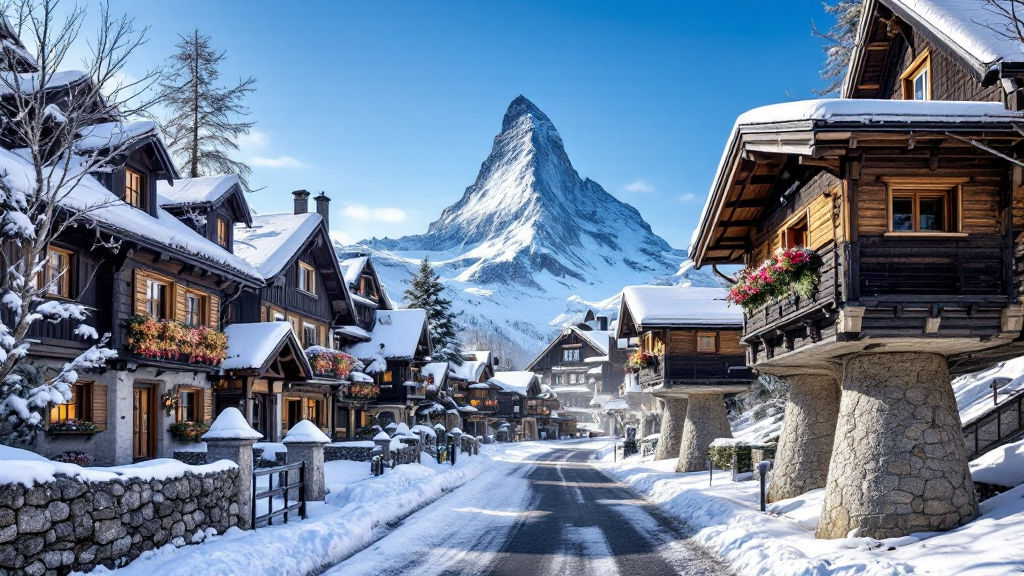
Southeast of the centre, Winkelmatten is the quieter residential quarter that many returning visitors consider the finest address in Zermatt. It offers the most direct Matterhorn sightlines in the village — the peak appears to rise directly above the neighbourhood. Properties here tend to sit on slightly larger plots with garden space. The Sunnegga funicular is a ten-minute walk.
Rental advantage: The best Matterhorn views in the village. Quieter evenings, more outdoor space, strong architectural character.
Steinmatten (Upper Village)
The upper reaches of the village, closest to the Matterhorn Express gondola. Steinmatten properties tend to be newer builds with more integrated wellness facilities — this is where you will find many of the larger chalet-style residences with pools, spas, and cinema rooms. Some properties here offer genuine ski-in access from the Furi pistes.
Rental advantage: Closest lift access for the Matterhorn Glacier Paradise. Newer properties with the most comprehensive amenity packages.
Furi and Findeln (Mountain Hamlets)
A handful of exceptional properties sit above the village at the hamlets of Furi and Findeln — small clusters of traditional buildings accessible by gondola or mountain path. These are among the most distinctive rentals in the Alps: completely removed from the village, with unobstructed panoramic views and genuine ski-in ski-out access. They are not for everyone — evening dining options are limited to the hamlet restaurants — but for groups who want seclusion and atmosphere, few other Alpine rentals match the combination.
Rental advantage: True mountain seclusion with ski-in ski-out access. The most dramatic setting of any Zermatt rental.
Service Levels: Catered, Self-Catered, or Flexible
Zermatt's rental market leans heavily toward flexible and self-catered options, reflecting the village's strong restaurant scene and the Swiss preference for independence.
The village has over 100 restaurants, including several with Michelin recognition, so many guests prefer to dine out rather than commit to in-chalet catering. The flexible model lets you add a private chef for selected evenings without a full-week commitment.
For groups who want that full-service experience, read our Zermatt Skiing guide to see what is currently available.
For self-catered stays, Zermatt's village centre has a Coop supermarket, several bakeries, and a handful of specialist food shops — adequate rather than exceptional. Groups planning significant self-catering may want to stock up in Täsch or Visp before taking the train in.
Chalets for Groups and Large Parties
The car-free village works well for group bookings: there is no need to coordinate cars or parking, and the compact layout means everyone can walk to the same restaurants and lift stations regardless of which neighbourhood the chalet sits in.
read our Zermatt Skiing guide to see the full selection for larger groups.
When to Book and What to Budget
Budget guide by group size:
| Group Size | Typical Weekly Range | Per Person (approx.) |
|---|---|---|
| 2–4 guests | €2,450 – €6,500 | €600 – €1,600 |
| 6–8 guests | €5,000 – €15,000 | €600 – €1,900 |
| 10–14 guests | €10,000 – €95,000 | €700 – €6,800 |
| 16+ guests | €40,000 – €184,000 | €1,200 – €5,400 |
Peak weeks: For the 2026/27 season, Christmas, New Year, and February half-term will again command the highest rates.
Value windows: January (after the New Year rush) and late March through mid-April offer the best combination of good snow, longer daylight, and more accessible pricing. For the current 2025/26 season, late-season availability in March and April still exists — the glacier ensures skiing remains excellent into spring.
Transfer logistics: Zermatt is car-free, so all arrivals pass through Täsch, where cars are parked and a 12-minute shuttle train runs to the village. The nearest airports are Geneva (approximately 3.5 hours by road and rail), Zurich (3.5 hours), and Sion (under 2 hours, with a scenic rail connection). Several chalet operators arrange private transfers from all three airports.
Find Your Zermatt Chalet
read our Zermatt Skiing guide, read our Zermatt Skiing guide, or browse all Swiss Alps destinations.
Frequently Asked Questions
How do you get to a chalet in Zermatt if there are no cars?
All arrivals pass through Täsch, five kilometres north, where a shuttle train departs every 20 minutes for the 12-minute ride to Zermatt station. From there, luggage goes by electric taxi or hotel shuttle to your chalet. Most operators arrange the full transfer as part of the booking, and the system runs smoothly even during peak weeks.
What is the best area in Zermatt for a luxury chalet?
Winkelmatten offers the most prized Matterhorn views and the quietest residential atmosphere, making it the preferred neighbourhood for returning visitors. Steinmatten, in the upper village near the Matterhorn Express gondola, has the newest properties with the most comprehensive wellness facilities. The village centre suits guests who prioritise walking-distance access to restaurants and nightlife. Each has distinct advantages depending on your priorities.
When is the best time to ski in Zermatt?
Zermatt's main season runs from late November to late April, with glacier skiing available year-round. January and February offer the coldest temperatures and most reliable powder, particularly on the higher runs above 3,000 metres. March and April bring longer days, warmer sun terraces, and excellent spring snow on the glacier. The Matterhorn Glacier Paradise — reaching 3,883 metres — holds its cover when lower resorts have closed for the season.
Is Zermatt worth the premium over other Swiss ski resorts?
Zermatt commands higher prices than most Swiss resorts, but it delivers a combination no competitor matches: 360 kilometres of linked pistes, year-round glacier skiing, a car-free village, and the Matterhorn. The practical advantages — no traffic, compact walkability, near-universal lift access on foot — are tangible daily benefits.
What amenities should I expect in a luxury Zermatt chalet?
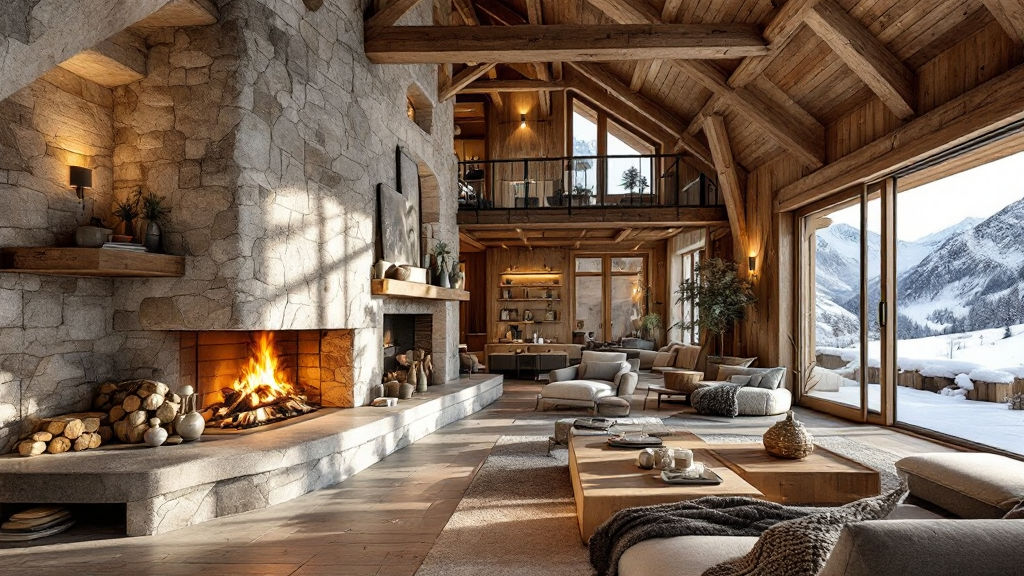
Fireplaces, ski storage, and mountain views are near-universal. Boot warmers, heated ski storage, and hammams are increasingly common in newer builds.
How far in advance should I book a Zermatt chalet?
January weeks and late-season dates (March to April) are typically available with two to three months' notice. Last-minute availability does exist, but the selection narrows significantly, particularly for larger properties and catered options.