The Skiing
Both resorts are spoken of in the same sentence by serious skiers. The terrain underneath that reputation is structurally different.
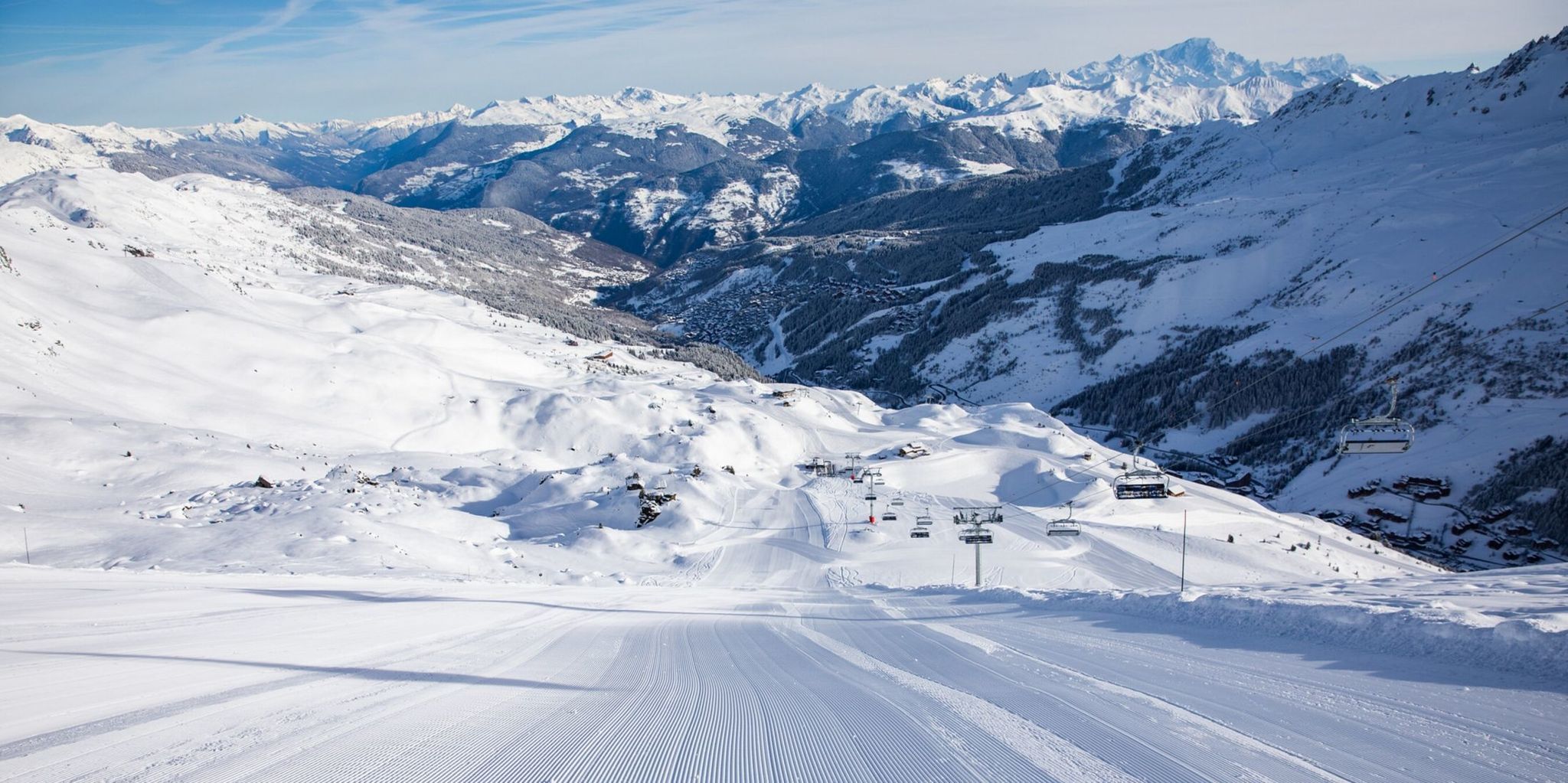
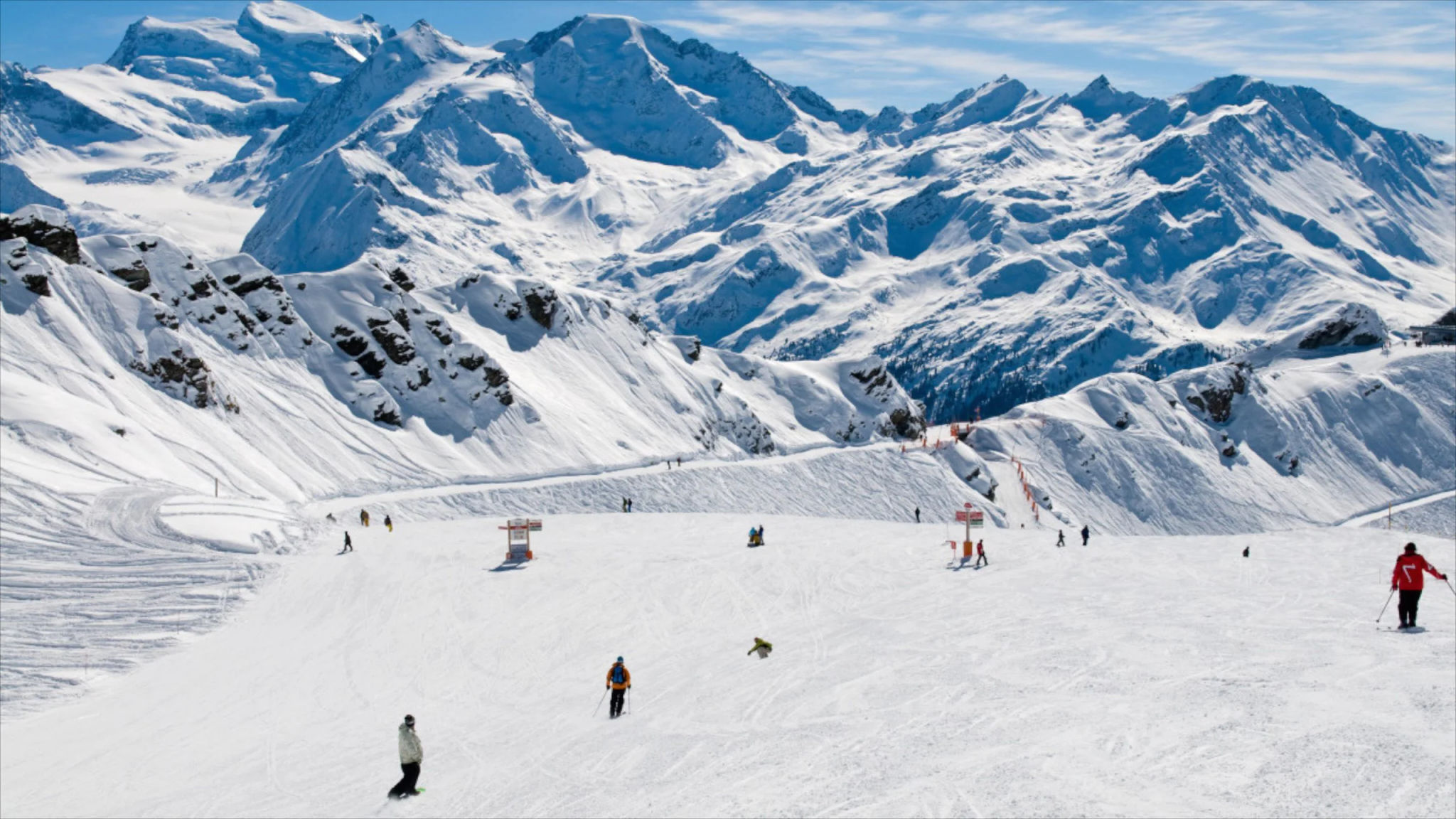
Verbier is a single coherent ski area — 412km of marked pistes across the 4 Vallées, all reachable by lift from one base. It anchors the upper tier of Swiss Alps skiing. The Mont Fort glacier at 3,330m opens access to the Bec des Rosses and Mont Gelé itineraries that defined the Freeride World Tour for over a decade. The terrain is steep, committing, and well-suited to skiers who want world-class off-piste with the safety net of patrolled lift access.
Chamonix is structurally different. Marked piste counts (around 170km) understate it because the resort is really a series of distinct sectors — Brévent-Flégère, Les Houches, Le Tour, and the legendary Grands Montets — that don't link by lift, plus the Aiguille du Midi cable car which is the gateway to the Vallée Blanche and the high-mountain terrain that gives Chamonix its reputation. The vertical drop of 2,807m from the Aiguille du Midi summit is the largest in the Alps. None of this is "resort skiing" in the conventional sense — Chamonix is a mountaineering town that happens to have lifts.
For groups who want to ski hard from a single base with strong infrastructure, Verbier is the more practical mountain. For experts who want access to the most serious terrain in the Alps and don't mind navigating between sectors by car or shuttle, Chamonix delivers what nowhere else can.
The Village & Apres-Ski
This is where the two diverge most clearly.
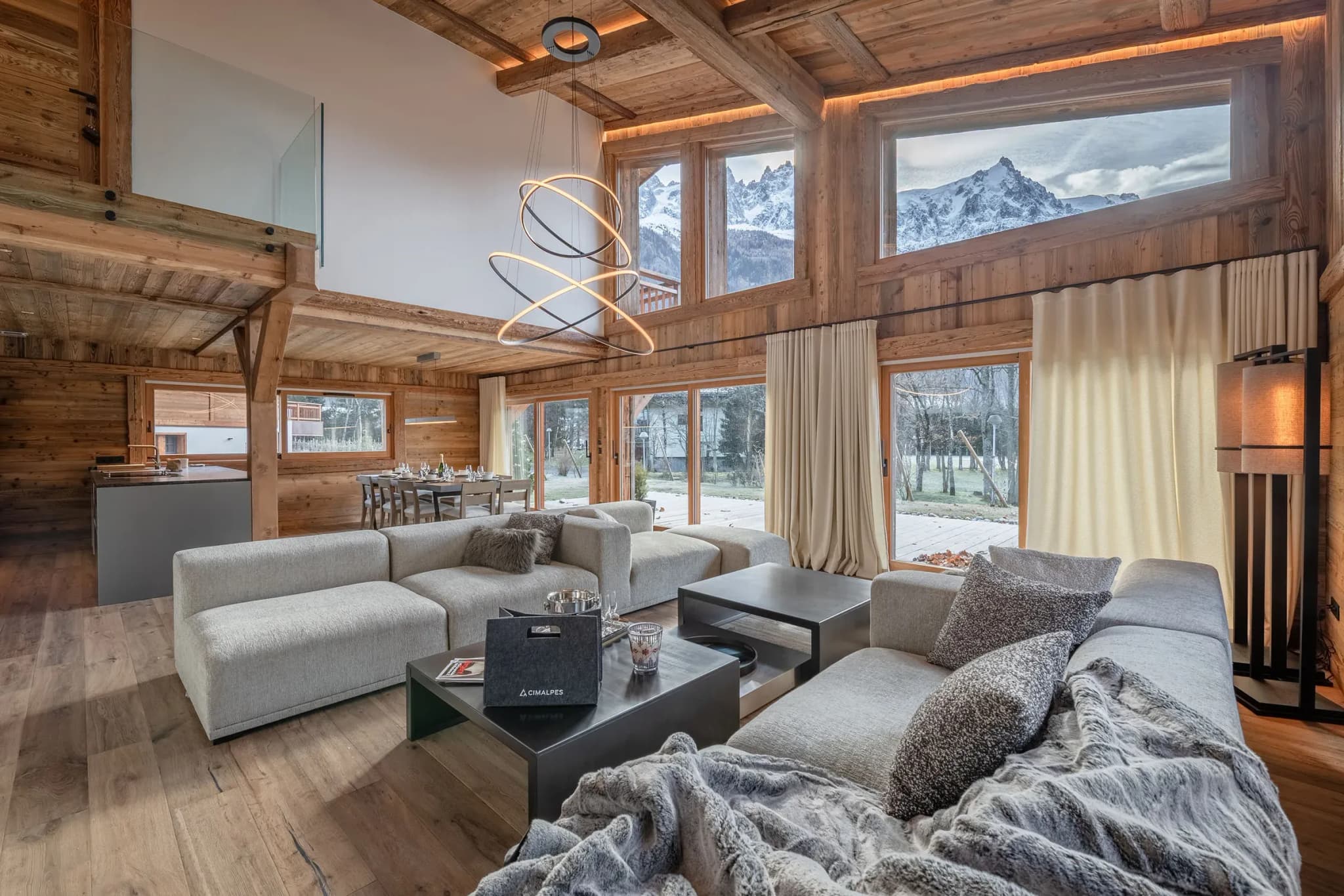
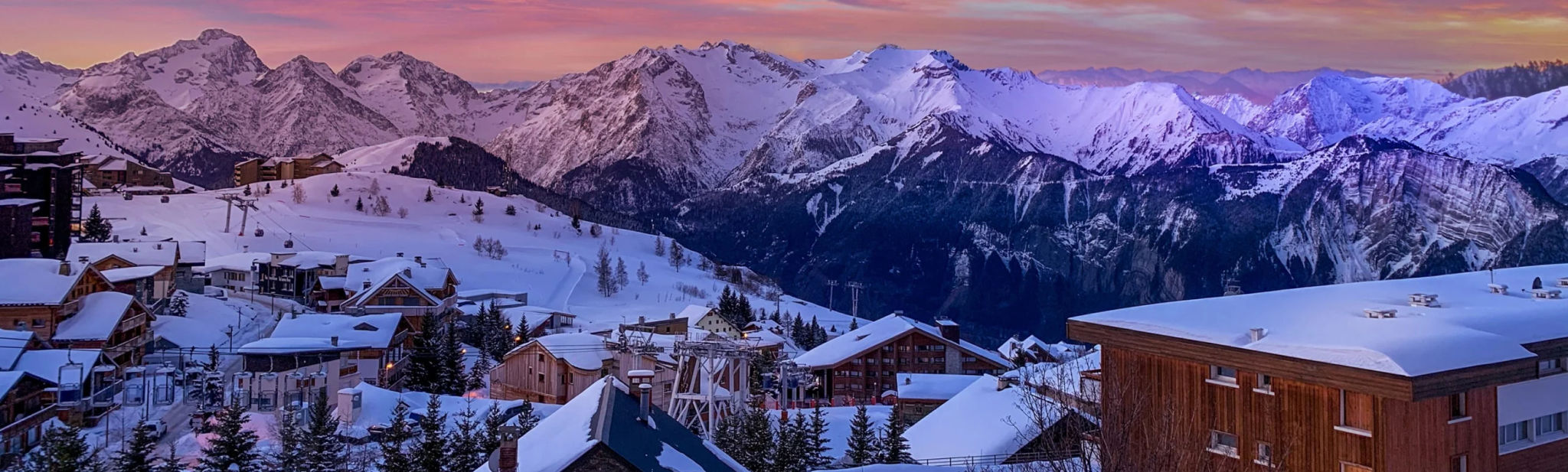
Verbier is a mountain village built for skiing. The architecture is traditional alpine-chalet, the streets are walkable, and the apres-ski anchored by Pub Mont Fort and the Farinet complex is among the liveliest in Switzerland. The market for luxury chalets in Verbier is sleek and contemporary at the top end. There is a youthful, sporty international energy — Verbier attracts a global crowd of seasonaires and serious skiers, and the village reflects that.
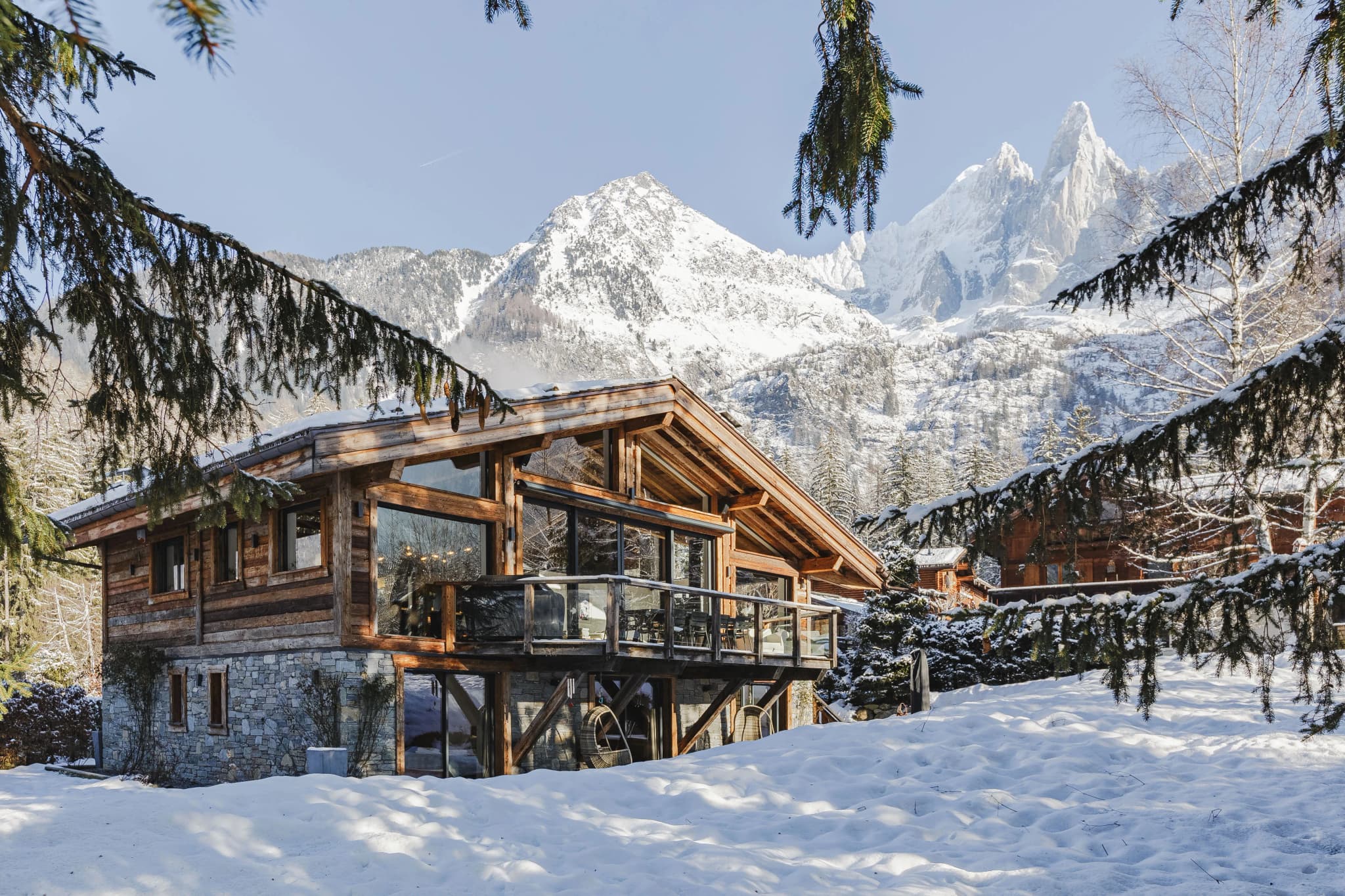
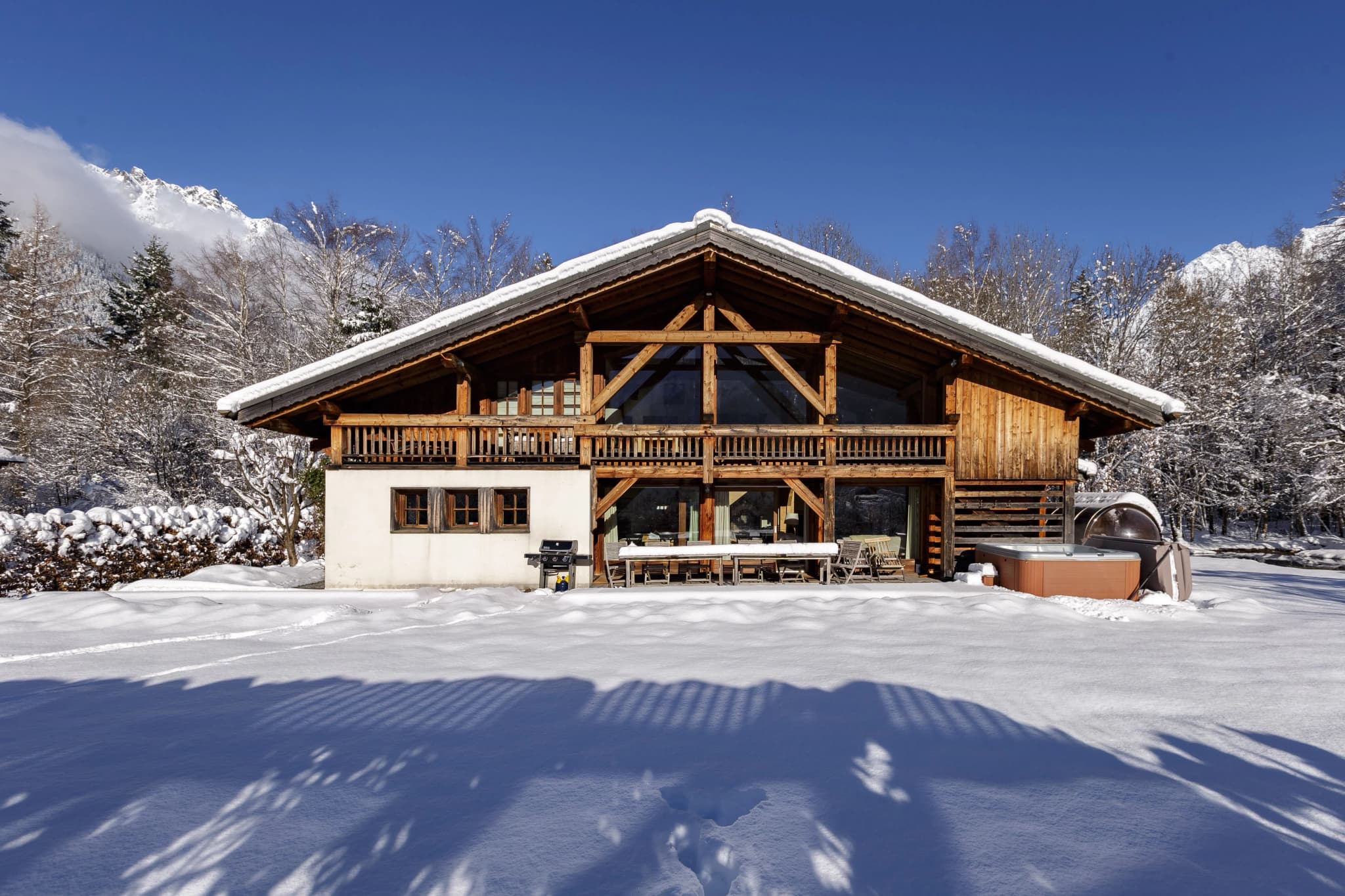
Chamonix is a town. It has a railway station, a working pedestrian centre that operates twelve months a year, restaurants that cater to climbers and trekkers as much as skiers, and a cultural depth that no purpose-built resort can match. The apres-ski scene is more dispersed than Verbier's — there is no single anchor venue, but a deep bench of bars, restaurants, and music venues across the town. The market for luxury chalets in Chamonix leans large and traditional. The mountaineering history is everywhere: the Compagnie des Guides was founded here in 1821, and the town's identity is shaped by alpinism rather than skiing alone.
If you want the resort to feel like a ski destination, Verbier is more focused. If you want the destination to feel like a real place with skiing as one of its dimensions, Chamonix is unmatched.
Getting There
Both resorts are well-served from Geneva.
Verbier: Geneva airport is the standard gateway at approximately 2 hours by car via the motorway. Le Châble, at the base of the Verbier cable car, has a train station with direct connections from Geneva and other major Swiss cities — one of the better rail options in the Alps.
Chamonix: Geneva is the closest major airport at approximately 1 hour by road, the shortest transfer of any premier ski resort. The town also has its own railway station on the SNCF Mont-Blanc Express line, with connections via Saint-Gervais to the wider French network.
Chamonix has the shortest transfer from Geneva of any major Alpine resort — a meaningful advantage for short trips and weekend breaks.
When to Visit
Both resorts share the broad December-to-April season but with different optimal windows.
Verbier is at its best from mid-January through March for on-piste, with the freeride season extending into April. The FWT events in late March bring a particular buzz to the village. Lower elevations can struggle in lean snow years.
Chamonix's altitude buys it a longer high-mountain season — the Vallée Blanche is reliable from January through April, and the Aiguille du Midi remains accessible into late spring. The lower sectors (Brévent-Flégère, Les Houches) can be patchy in early or late season, but the high terrain compensates. Mid-January to mid-March remains the prime window for both.
For high-mountain skiing in spring or early in the season, Chamonix has a genuine altitude advantage.
The Verdict
Both resorts will satisfy serious skiers. The choice is structural.
Choose Verbier if you want: a coherent ski area with 412km of linked terrain reachable from a single base; world-class off-piste with strong patrol infrastructure; a polished mountain-village atmosphere; the deeper bench of luxury chalets. Verbier is the resort where the skiing is integrated into the village experience.
Choose Chamonix if you want: access to the most serious high-mountain terrain in the Alps including the Vallée Blanche and Grands Montets; a real working town with year-round culture and a genuine mountaineering identity; the shortest transfer from Geneva of any premier resort; lower entry costs across most accommodation tiers. Chamonix is the resort where the mountain comes with a town attached.
The shorthand many guides use: Verbier for the most concentrated freeride experience in Europe, Chamonix for the deepest one.
Frequently Asked Questions
Is Chamonix harder than Verbier?
Chamonix's high-mountain terrain — particularly the Vallée Blanche and the Grands Montets off-piste — is more committing and more serious than anything inside Verbier's lift-served terrain. For lift-served off-piste, Verbier and Chamonix are comparable. For mountaineering-grade skiing, Chamonix is in a league of its own.
Which has more linked piste skiing?
Verbier, by a wide margin. The 4 Vallées delivers 412km of marked pistes accessible from one base. Chamonix's roughly 170km is split across separate sectors that don't link by lift — most days require a bus or car to move between them.
Which is better for intermediates?
Verbier. The linked 4 Vallées terrain offers a wider variety of blue and red runs in a single connected system. Chamonix's intermediate terrain is good but fragmented across sectors, and a meaningful proportion of Chamonix's reputation rests on terrain that intermediates can't safely access.
Which has better luxury chalets?
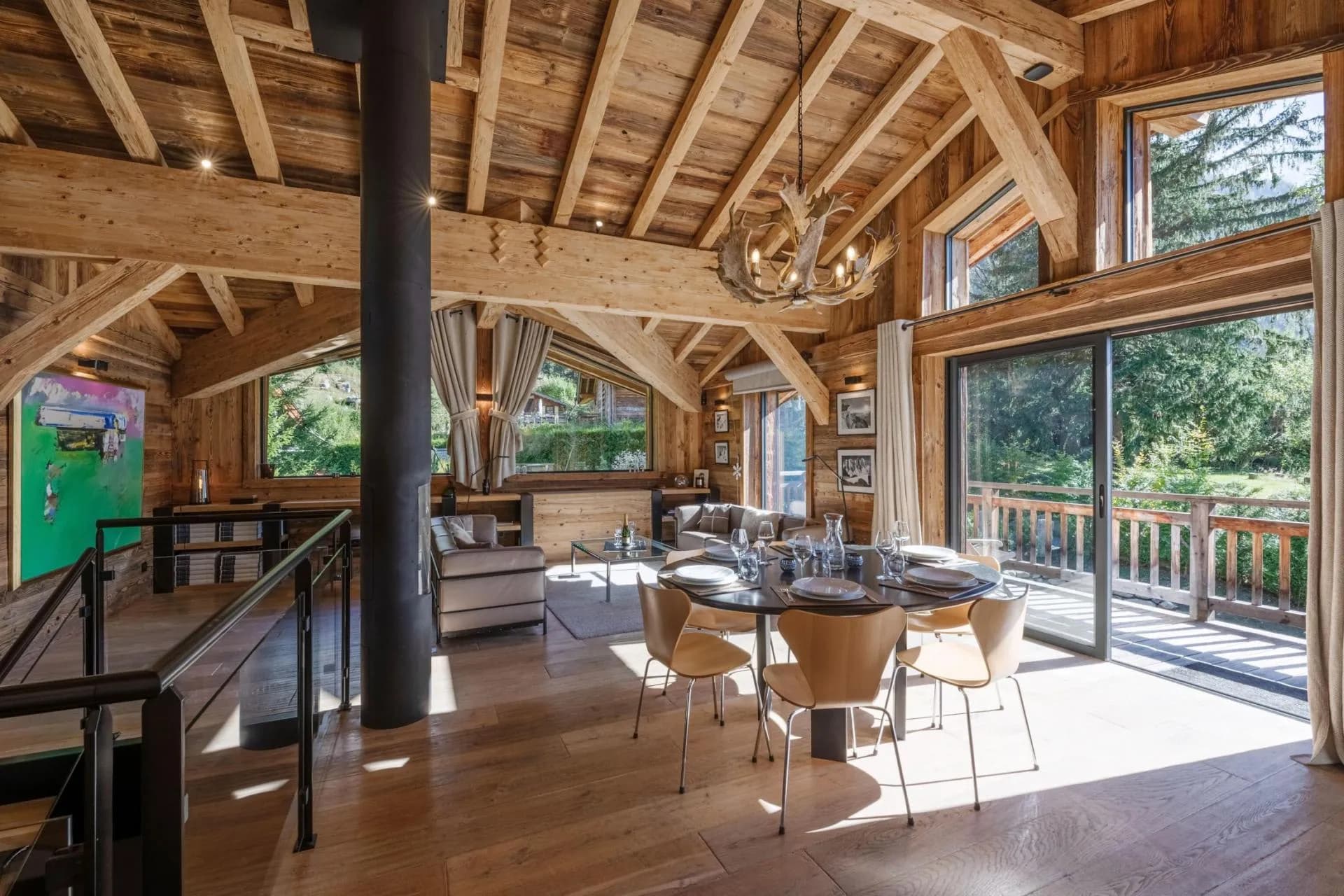
Verbier has the deeper bench of high-end chalet inventory, with sleek modern properties like The Alpine Estate and Chalet Marmottière at the top end. Chamonix has fewer trophy chalets but a strong stock of large traditional properties suited to groups, often at lower price points than equivalent Verbier inventory.
Which is closer to Geneva airport?
Chamonix, by a meaningful margin — approximately 1 hour by road versus 2 hours for Verbier. This makes Chamonix the more practical option for short breaks and weekend trips, particularly for guests flying in late.