Switzerland does luxury skiing better than almost anywhere, and within its borders two resorts have come to define very different versions of it. St. Moritz is the original, the place where Alpine winter tourism was invented in 1864 and where the world's wealthy still come to be photographed. Klosters, just over the mountains in the same canton of Graubünden, has spent decades doing the opposite: keeping its head down, sheltering the British Royal Family and quietly running one of the great Swiss ski domains. Both are extraordinary. Choosing between them is really a question of temperament.
The Skiing
St. Moritz spreads its terrain across three main, non-linked sectors that together offer around 350km of pistes. Corviglia is the sunny intermediate playground above the village, all wide south-facing reds and luxurious mountain restaurants. Corvatsch reaches higher, with north-facing slopes prized for snow quality and a serious freeride pedigree, while Diavolezza and Lagalb deliver the drama: glacier descents, steep advanced pistes and the celebrated unpatrolled wilderness run down to the Morteratsch glacier. The top lift sits at 3,303m, which matters in a warming Alps.
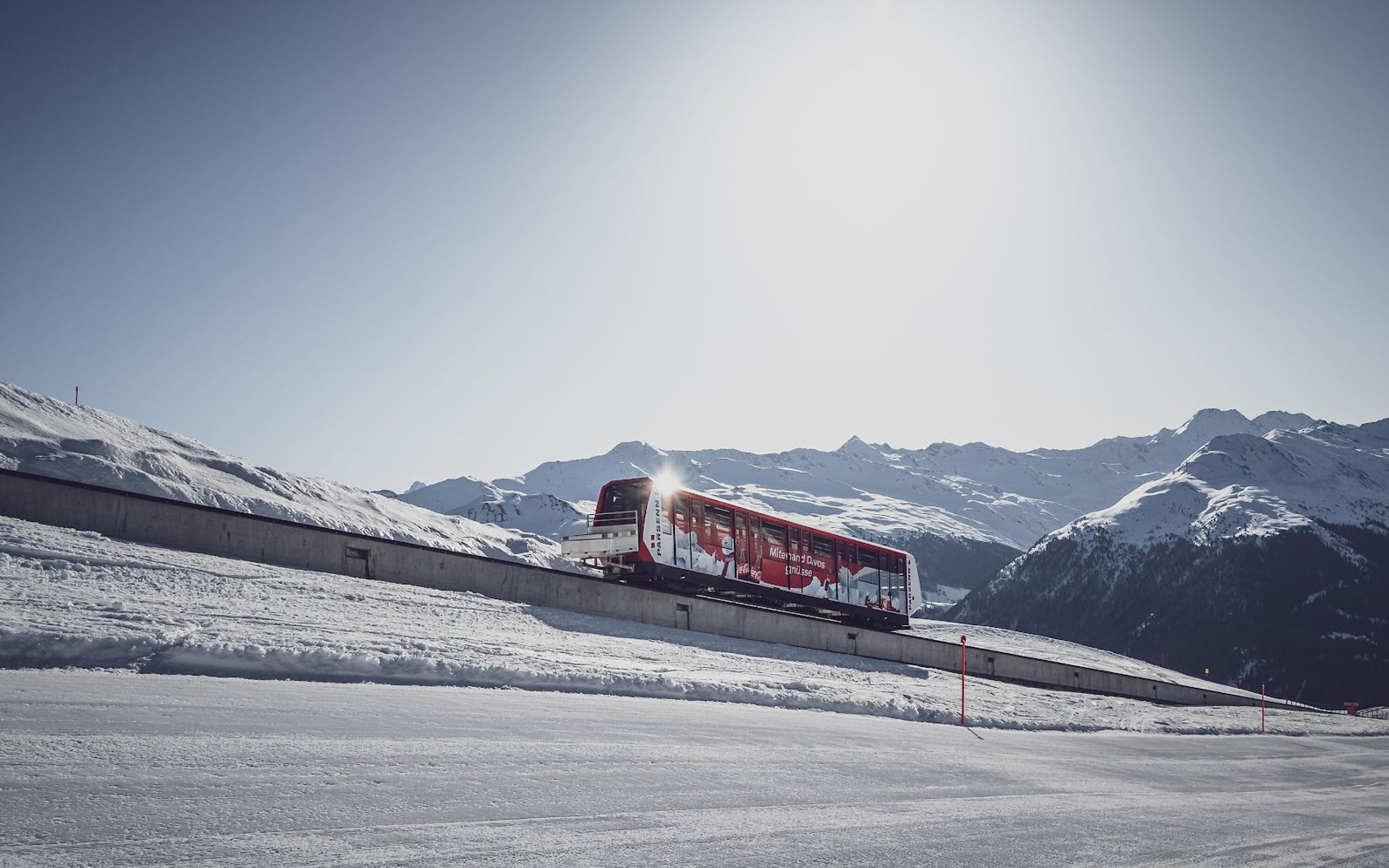
Klosters shares the Davos-Klosters domain, which totals roughly 300km across several largely unlinked mountains. The Gotschnabahn lifts you straight out of the village into the Parsenn, a vast intermediate canvas of long cruising reds, including a celebrated 12km descent towards Küblis that ranks among the great runs in the Alps. Madrisa, reached from Klosters Dorf, is a sunny, gentle mountain built around families and beginners, while the Gotschnagrat itself is known for steep terrain and accessible off-piste powder bowls.
In broad strokes, St. Moritz skis higher, more spectacular and more varied, with stronger freeride credentials at altitude. Klosters skis longer and softer, with a particular gift for intermediates who want to put serious vertical between themselves and the lift queue. Neither is obviously the stronger mountain, but they reward different appetites.
The Village & Apres-Ski
St. Moritz is openly glamorous. Split between Dorf, the elevated village centre of grand hotels and luxury boutiques, and Bad, the spa-heritage valley floor, it is a place of fur coats, Michelin stars and Snow Polo on the frozen lake. Dining ranges from IGNIV by Andreas Caminada inside Badrutt's Palace to the wood-fired pizzas of Pizzeria Heuboden at Chesa Veglia, and après tends to be elegant rather than rowdy, anchored by spots like Hauser's Rooftop Bar and the legendary whisky collection at Devil's Place.
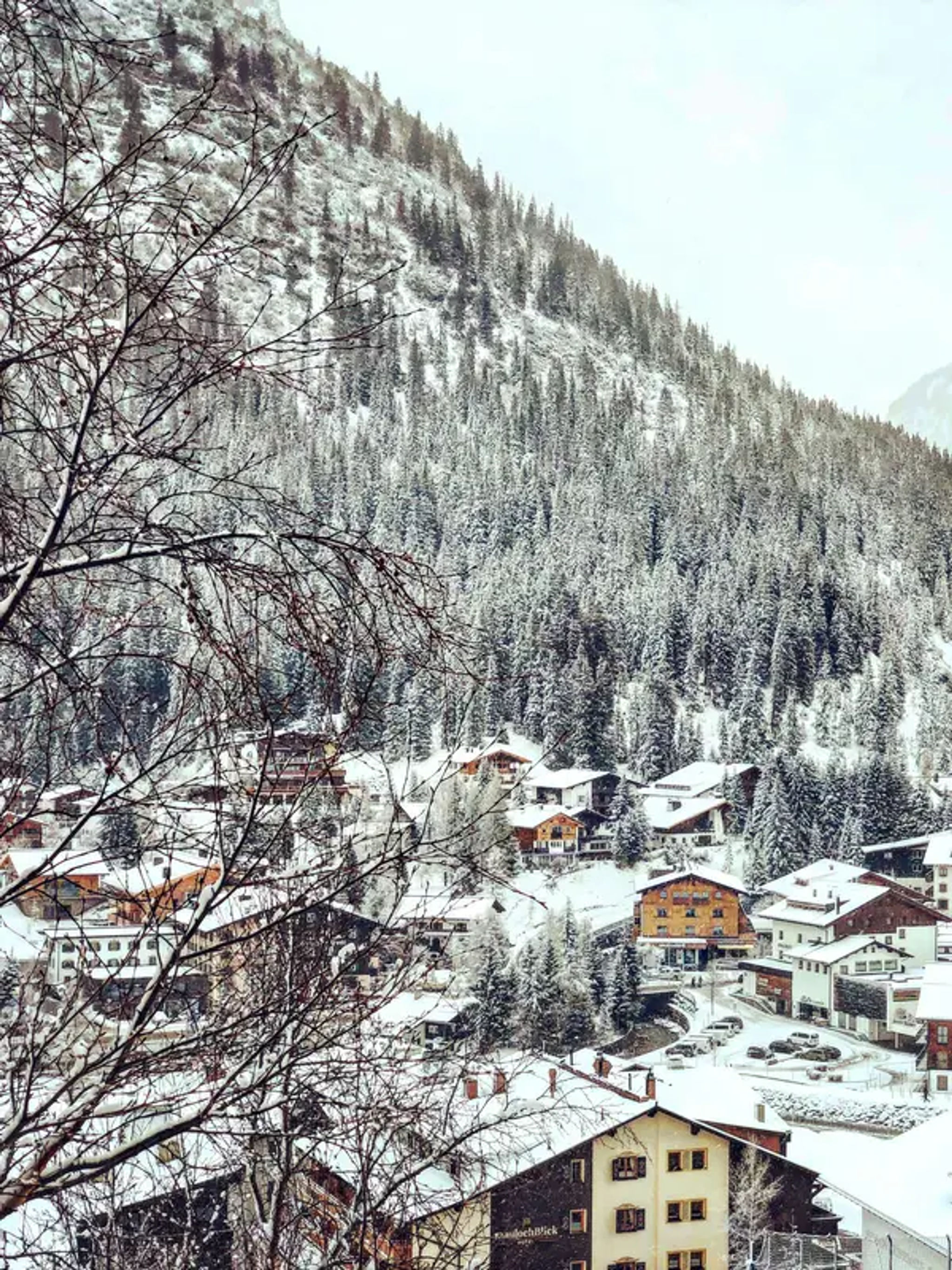
Klosters trades all of that for understatement. The village is a postcard of wooden chalets along the valley floor, with Chesa Grischuna at its heart, a historic boutique hotel and restaurant long favoured by royalty. Mountain dining leans rustic and regional, from Berghaus Alpenrösli's fondue to Prättigauer Hus in a 16th-century Walser house, and the après scene revolves around Gaudy's Graströchni umbrella bar at the base of the Gotschnabahn and the rustic-chic Casa Antica for those who want to push on into the night.
The contrast is real but worth qualifying. Klosters is quieter, not sleepier, and St. Moritz has plenty of cosy corners away from the catwalk. The question is which atmosphere you actually want to come home to at the end of a ski day.
Getting There
St. Moritz sits roughly 210km from Zurich Airport, with transfers around two hours and 45 minutes. The most memorable arrival is by rail: the Rhaetian Railway from Chur is one of the most scenic train journeys in the world, and the resort's own station in the village makes a car genuinely unnecessary.
Klosters is the closer of the two to Zurich at around 140km and a 2h 15min transfer. Direct SBB and RhB trains run into Klosters Platz, the main station, and private luxury transfers are widely available. The shorter journey from the airport is a meaningful advantage for shorter stays or families with young children.
Within both resorts, public transport is excellent and ski passes typically cover local trains and buses. Neither resort requires a hire car, and in St. Moritz village parking is genuinely awkward in winter.
When to Visit
St. Moritz runs a long season from late November to early May, helped by altitude, extensive snowmaking and the famous "champagne climate" of bright, dry sunshine. The shoulders bookend a packed social calendar, with January and February drawing the crowds for events on the frozen lake and the high-altitude Corvatsch and Diavolezza sectors holding snow particularly well into spring.
Klosters has a slightly shorter window, from late November to mid-April, with the lower Madrisa area typically closing earlier than the higher Parsenn. Mid-winter delivers the most reliable conditions across the full domain, while March tends to combine good coverage on the upper mountain with longer, warmer days and quieter pistes.
For both, advance booking matters. St. Moritz operates dynamic "Snow-Deal" pricing on lift passes, with significant discounts for booking 15 days or more ahead, and the Davos-Klosters regional pass rewards early online purchase in much the same way. February half-term fills out chalets in either resort many months in advance.
The Verdict
If you want spectacle, glamour and the highest-altitude skiing of the two, St. Moritz is unmatched. It is a resort that takes itself seriously as a stage, and the skiing across Corviglia, Corvatsch and Diavolezza more than holds its end of the bargain. For travellers who genuinely enjoy dressing for dinner, it is one of the great winter destinations anywhere.
If you want a quieter, more traditional version of Swiss luxury, with shorter transfers and skiing that flatters intermediates and families, Klosters is the more relaxed choice. The royal association is not an accident: this is a place built for people who prefer not to be noticed, with skiing across the Parsenn and Madrisa that quietly rivals anything else in the Alps.
Both share the same canton, the same exceptional rail links and the same Swiss commitment to doing things well. The deciding factor is rarely the mountain. It is the village you want to return to in the late afternoon.
Choose St. Moritz if you want a resort that performs as theatrically as it skis.
Choose Klosters if you want discreet, traditional Alpine luxury with vast intermediate terrain on the doorstep.
Frequently Asked Questions
Is St. Moritz or Klosters better for families?
Klosters is generally the easier family choice. The Madrisa mountain is specifically designed around children and beginners, the village is calmer and walkable, and the shorter transfer from Zurich makes a real difference with younger travellers.
Which resort has better skiing for advanced skiers and freeriders?
St. Moritz has the edge for high-altitude freeriding, with Corvatsch, Diavolezza and Lagalb offering glacier descents and serious off-piste up to 3,303m. Klosters is no slouch, however, with renowned off-piste accessed directly from the Gotschnagrat above the village.
Do I need a hire car for St. Moritz or Klosters?
No. Both resorts have excellent rail access from Zurich and efficient local bus and train networks that are typically covered by the ski pass. Most luxury chalets and hotels in either resort also arrange private transfers.
How do the lift pass areas compare?
St. Moritz offers around 350km of pistes across three main, unlinked sectors. Klosters shares the Davos-Klosters domain of roughly 300km, also spread across several largely unlinked mountains, with the Parsenn directly accessible from the village by cable car.
When is the best time to ski St. Moritz or Klosters?
Mid-January through February delivers the most reliable snow in both resorts, though it is also the busiest and most expensive period. March is often the sweet spot for longer days and quieter pistes, with St. Moritz's higher sectors holding conditions reliably into April and beyond.