Saalbach Skiing: A Complete Guide to Austria's Liveliest Ski Circus
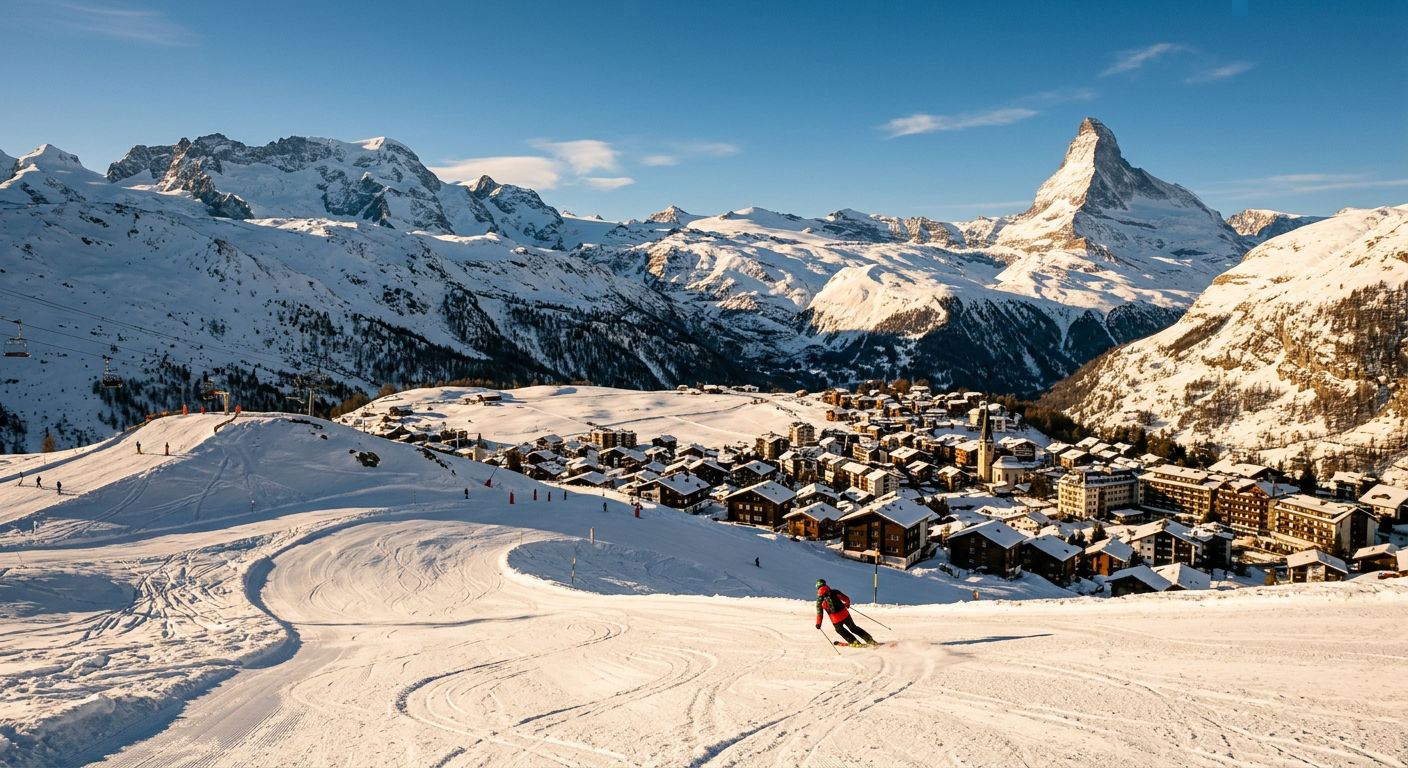
Saalbach-Hinterglemm is the centre of the Skicircus — 270 km of marked pistes connecting four villages in Austria's Salzburg Alps. Where the Arlberg trades on heritage and the Tyrolean resorts lean into alpine severity, Saalbach takes a different approach: wide intermediate runs, reliable snowmaking on over 90% of its terrain, and an apres-ski culture that ranks among the most spirited in Austria. For skiers who want serious terrain variety without the price premium of Switzerland or the crowds of the Three Valleys, the Skicircus delivers consistently.
The Ski Area: 270 km Across Four Villages
The Skicircus Saalbach Hinterglemm Leogang Fieberbrunn comprises 270 km of marked pistes served by 70 lifts, spanning altitudes from 830m at Leogang to 2,096m at the Schattberg summit. The four-village network operates on a single lift pass — no supplements, no confusing zone boundaries.
The terrain skews intermediate, which is the area's defining strength. Wide, well-groomed cruising runs connect the villages in a natural circuit that experienced skiers can complete in a day. Beginners find dedicated nursery areas at both Saalbach and Hinterglemm, while advanced skiers head to the Zwölferkogel and Schattberg sectors for steeper pitches and the designated freeride zones above Fieberbrunn.
| Metric | Detail |
|---|---|
| Total pistes | 270 km |
| Lifts | 70 |
| Summit altitude | 2,096m (Schattberg) |
| Village altitude | 1,003m (Saalbach), 1,060m (Hinterglemm) |
| Snowmaking coverage | Over 90% of pistes |
| Longest run | 7 km (Schattberg to Saalbach) |
| Freeride zones | Fieberbrunn sector |
The 2025 Alpine World Ski Championships, held in Saalbach-Hinterglemm, brought significant infrastructure investment — upgraded lifts, improved snowmaking capacity, and a new event area that now serves as an additional base for accessing the Zwölferkogel sector.
Village Character: Saalbach vs Hinterglemm
Saalbach and Hinterglemm sit roughly three kilometres apart along the same valley, connected by a free ski bus that runs every ten minutes during the season. Though linked by lift pass and geography, each village has a distinct personality.
Saalbach is the livelier of the two. The main street concentrates most of the restaurants, bars, and shops within a compact pedestrian zone. Lifts depart directly from the village centre, and the apres-ski scene starts on-mountain at Hinterhag Alm before migrating into village bars by early evening. Saalbach draws a younger, more social crowd — couples and groups of friends rather than families.
Hinterglemm is quieter and more spread out. The village suits families and those who prefer to ski hard and eat well rather than stay out late. The Reiterkogel gondola provides direct mountain access, and several of the resort's more distinctive wellness hotels cluster here. Hinterglemm also serves as the gateway to the more challenging terrain on the valley's south-facing slopes.
Both villages offer direct slope access, but Saalbach has the edge for convenience. If nightlife matters, stay in Saalbach. If wellness and calm matter more, Hinterglemm is the stronger choice.
Where to Stay in Saalbach-Hinterglemm
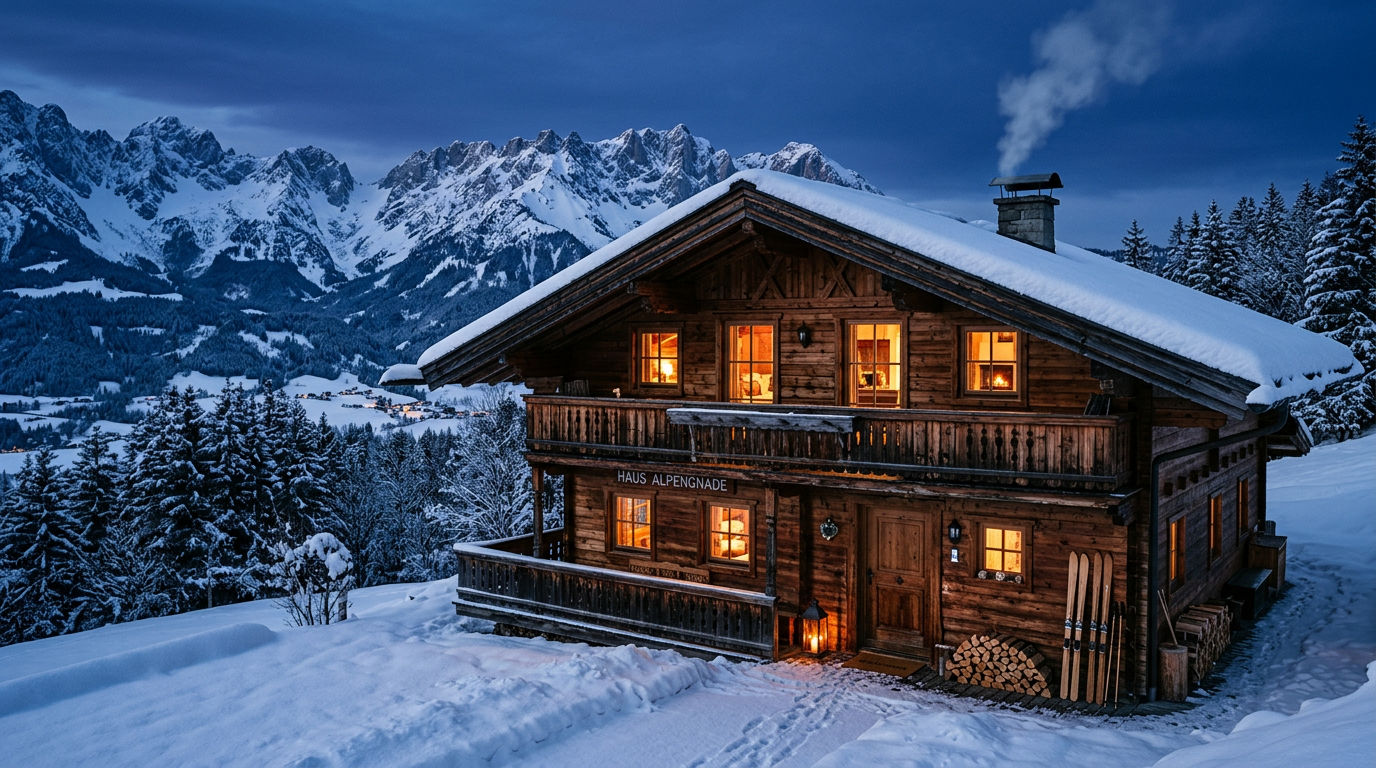
Saalbach-Hinterglemm's accommodation profile is distinctive among Austrian ski destinations: the resort is dominated by full-service hotels rather than self-catered chalets, many with extensive spa and wellness facilities. Eighteen of the 21 have a swimming pool, and 16 feature a hammam or steam room.
This wellness orientation isn't accidental. The Salzburg Alps tradition of hotel-based skiing means the standard of in-house amenities runs higher than in comparable French or Swiss resorts where standalone chalets are the norm.
Apres Ski and Dining
Saalbach's apres-ski scene is among the liveliest in Austria, trailing only St. Anton in reputation and rivalling Ischgl for energy. The ritual begins on-mountain rather than in the village, which gives the scene a distinctly Austrian character.
Hinterhag Alm, halfway down the Bernkogel slope into Saalbach, is the focal point. Live music starts mid-afternoon, and the terrace fills quickly on sunny days. From there, the crowd migrates to Bauer's Schi-Alm at the base of the slopes, then into the village bars — Bobby's Pub and Castello keep things going into the small hours.
Dining in the valley tends toward hearty Austrian fare — Kasnocken (cheese dumplings), Wiener Schnitzel, and Tiroler Gröstl are menu staples. For something more refined, the Hotel Alpine Palace's restaurant offers a multi-course tasting menu, and several mountain huts serve surprisingly accomplished food. Pfefferalm in Hinterglemm is worth booking ahead for its grilled specialities and candlelit atmosphere.
Season Timing and Snow Reliability
Saalbach-Hinterglemm's season typically runs from early December through mid-April, with the most reliable snow conditions falling between January and mid-March. The village altitude of 1,003m is relatively low by Alpine standards, but extensive snowmaking — covering over 90% of pistes — compensates effectively.
| Period | Conditions | Best For |
|---|---|---|
| Early December | Opening weeks, limited terrain | Early-season deals |
| January–February | Peak snow, full terrain open | Reliable conditions, fewer crowds in Jan |
| Late February–March | Good snow, longer days | Families, spring-like afternoons |
| April | Variable, lower slopes thin | Late-season value |
The Schattberg summit at 2,096m holds snow well into spring, and the north-facing slopes above Hinterglemm tend to preserve conditions longest. For the best balance of snow quality and pleasant weather, the second half of February through early March is the window.
Getting There
Saalbach-Hinterglemm benefits from proximity to three major airports, making it one of the more accessible Austrian ski destinations.
| Airport | Distance | Transfer Time |
|---|---|---|
| Salzburg (SZG) | 80 km | ~1 hour 15 min |
| Innsbruck (INN) | 170 km | ~2 hours |
| Munich (MUC) | 200 km | ~2 hours 30 min |
Salzburg is the most practical option — short transfer, good European route network, and several operators run shared shuttle services directly to the resort. Munich offers more long-haul connections and remains a reasonable drive.
The resort itself is car-friendly, with covered parking available at most hotels. A free ski bus connects Saalbach, Hinterglemm, and the surrounding lift bases throughout the day.
Whether you are drawn to the wide-groomed circuits of the Skicircus, the spirited apres-ski scene, or the wellness-focused hotel culture, Saalbach-Hinterglemm offers a ski holiday that balances energy with comfort. read our Best Ski Towns Austria guide, or browse all Austrian ski destinations on Powder Edition.
Frequently Asked Questions
How big is the Saalbach ski area?
The Skicircus Saalbach Hinterglemm Leogang Fieberbrunn covers 270 km of marked pistes served by 70 lifts. The four villages operate on a single lift pass, with skiing ranging from 830m at Leogang to 2,096m at the Schattberg summit. The network is large enough for a full week without repeating runs.
Is Saalbach good for beginners?
Saalbach is well-suited to beginners and intermediates. Dedicated nursery areas operate at both Saalbach and Hinterglemm village bases, and the wide, well-groomed blue and red runs that connect the four villages provide ideal progression terrain. The ski schools in both villages offer English-language instruction.
What is Saalbach apres ski like?
Saalbach has one of the liveliest apres-ski scenes in Austria, starting on-mountain at Hinterhag Alm in the mid-afternoon and continuing into the village at Bauer's Schi-Alm, Bobby's Pub, and Castello. The atmosphere is energetic but less intense than St. Anton — more convivial than chaotic.
How much does a Saalbach ski pass cost?
The Skicircus lift pass for the 2025/26 season costs approximately €340 for a six-day adult pass, with discounts for children, teens, and seniors. The pass covers all four villages — Saalbach, Hinterglemm, Leogang, and Fieberbrunn — with no supplements required.
When is the best time to ski in Saalbach?
The most reliable conditions fall between mid-January and early March, when snow depth is at its peak and all 270 km of pistes are typically open. Late February offers the best balance of good snow, longer daylight hours, and pleasant temperatures. Over 90% snowmaking coverage means early and late season conditions are more consistent than the village altitude might suggest.
How far is Saalbach from Salzburg airport?
Salzburg airport sits approximately 80 km from Saalbach-Hinterglemm, with a transfer time of around one hour and fifteen minutes by road. Shared shuttle services and private transfers operate throughout the ski season. Munich airport (200 km, two and a half hours) offers more international connections.