Ski Vacation in Europe: Where to Go, When to Book, and What to Expect
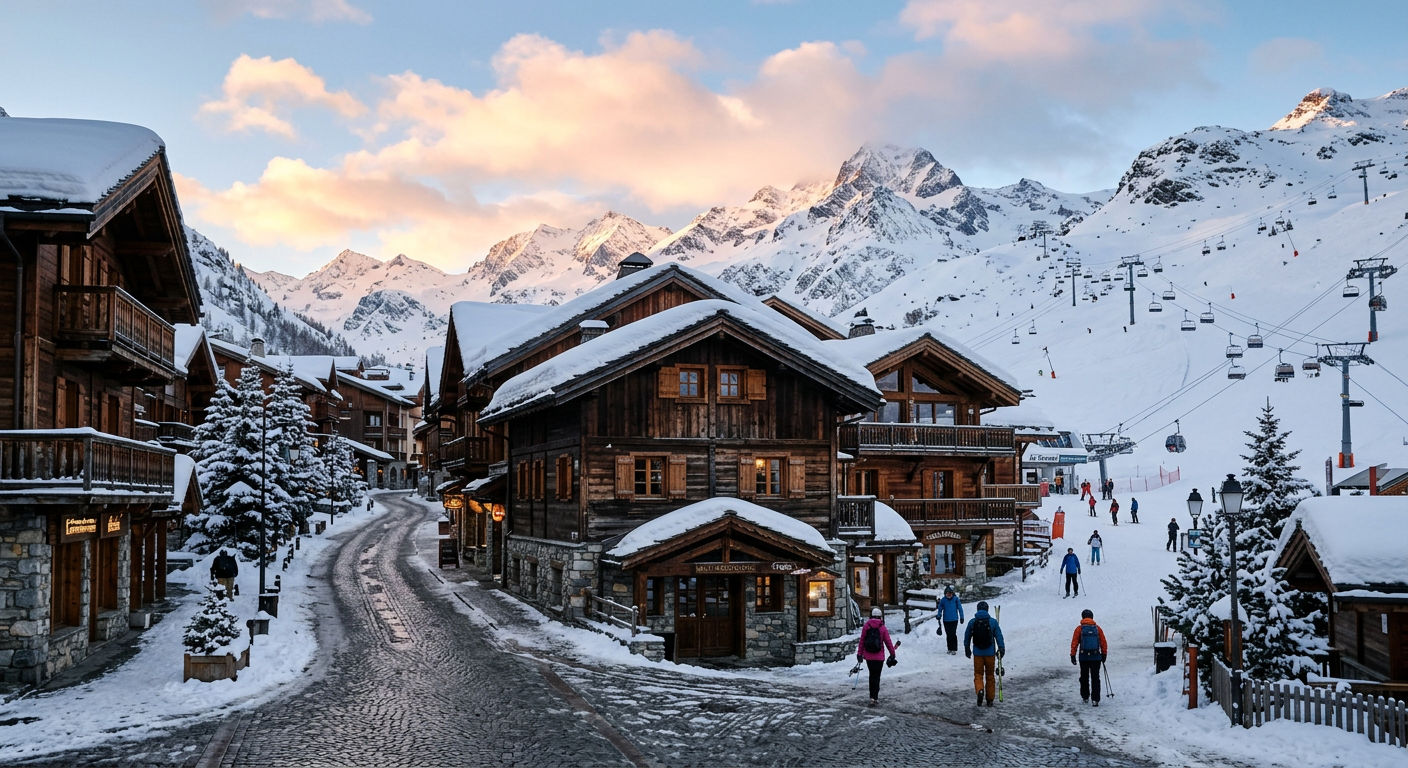
A ski vacation in Europe means skiing some of the most interconnected, well-groomed, and scenically dramatic terrain on the planet — then walking off the mountain into a village with centuries of hospitality behind it. The Alps alone span four countries and hundreds of resorts, which makes the planning both thrilling and overwhelming. This guide narrows the field based on what actually matters: snow reliability, resort character, accommodation quality, and how easily you can get there.
Why Europe for a Ski Vacation
European ski resorts offer something North American mountains rarely can: villages that existed long before the lifts arrived. Towns like Zermatt, Megève, and Kitzbühel were established communities for centuries — the skiing came later, layered onto an existing culture of mountain hospitality. That distinction shapes everything, from the architecture to the dining to the way a ski day unfolds.
The scale is different, too. France's Three Valleys links over 600 kilometres of pistes across Courchevel, Méribel, and Val Thorens. Austria's Ski Arlberg connects St. Anton, Lech, and Zürs across 305 kilometres. A single lift pass often covers an area that would take a week to fully explore.
Then there is the accommodation model. European ski holidays centre on the chalet — a private rental that functions more like a home than a hotel room. The chalet model gives groups and families a fundamentally different experience from the hotel-room standard common in North American resorts.
Best Countries for a European Ski Vacation
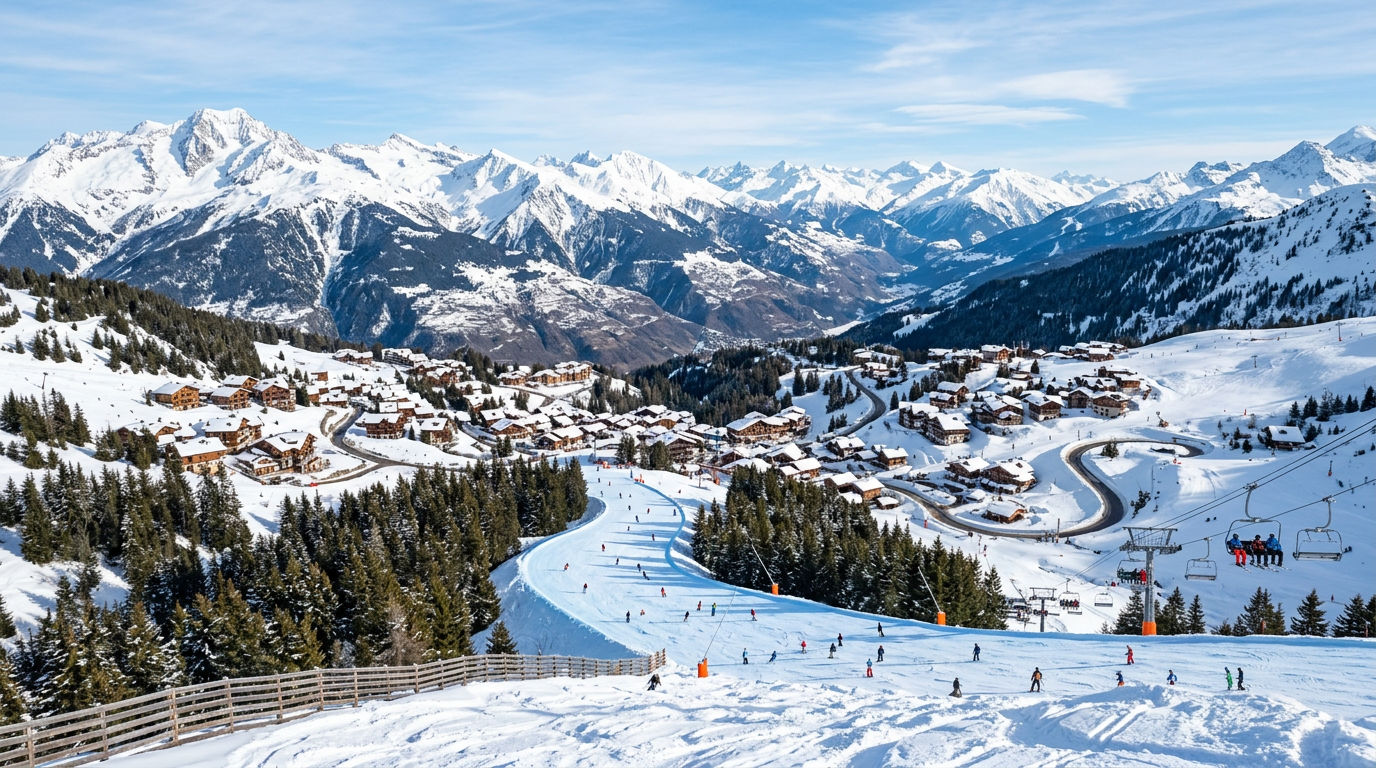
France: The Largest Ski Areas and Deepest Chalet Market
France dominates the European ski landscape in two ways: terrain size and accommodation supply. The Three Valleys, Paradiski, and Portes du Soleil are among the world's largest interconnected ski domains, and the French Alps have the most developed chalet rental market of any European country.
Best French resorts by profile:
- Courchevel 1850 — The benchmark for refined ski holidays. Tree-lined runs, immaculate grooming, and the highest concentration of catered chalets in the Alps. Nearest airport: Chambéry (90 min transfer).
- Val d'Isère — High-altitude terrain (1,850–3,450 m) with reliable snow through April. Strong off-piste and a compact, walkable village. Nearest airport: Chambéry (2.5 hr) or Geneva (3 hr).
- Méribel — The middle valley of the Three Valleys, balancing family-friendly terrain with access to the full 600 km network. Traditional wood-and-stone architecture throughout.
- Chamonix — Not a conventional ski resort but a mountaineering town with five distinct ski areas and the most dramatic scenery in the Alps. For experienced skiers drawn to steep terrain and the Vallée Blanche.
- Megève — Elegant, low-altitude (1,113 m) resort with a pedestrianised village, Michelin-starred restaurants, and a gentler ski profile suited to intermediate skiers and families.
Switzerland: Altitude, Prestige, and Car-Free Villages
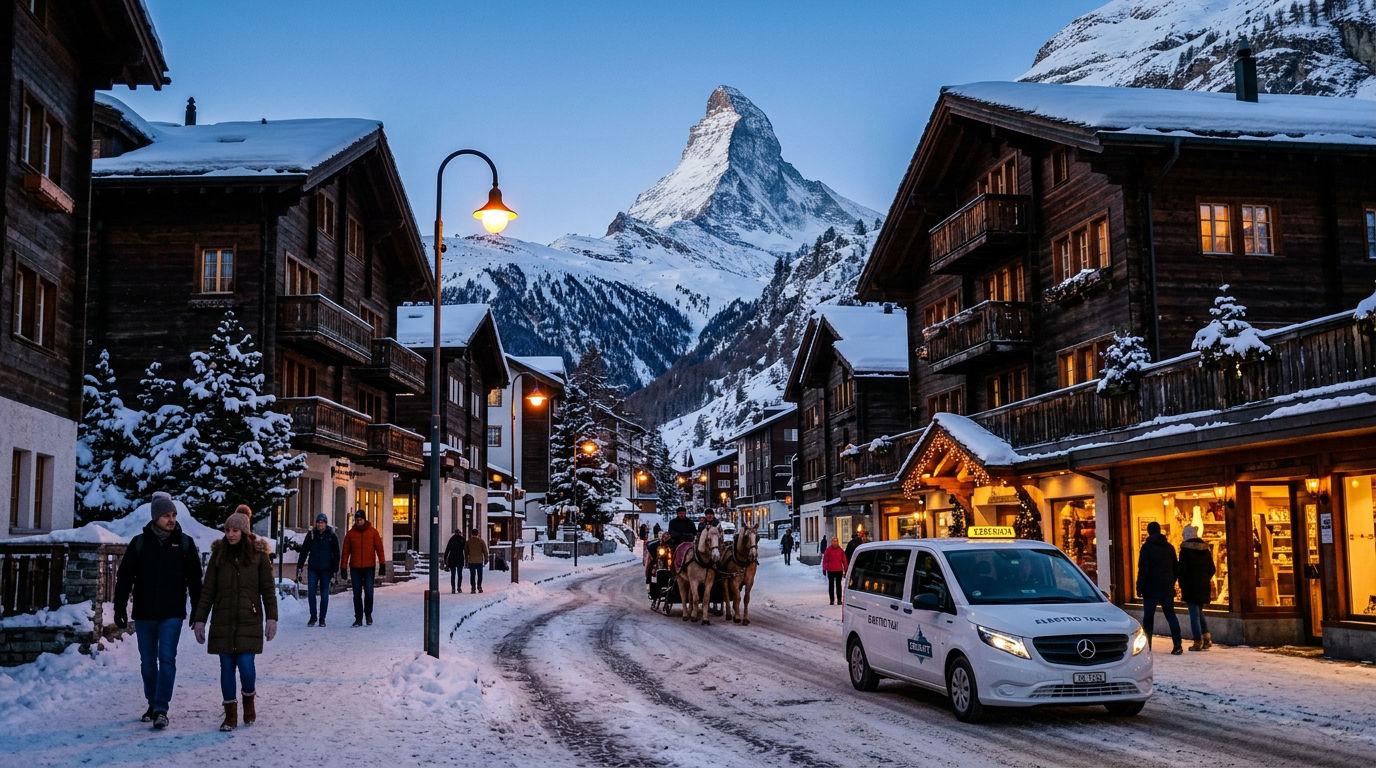
Switzerland's ski resorts sit higher on average than their French neighbours, which translates to more reliable snow and longer seasons. Several Swiss resorts — Zermatt and Saas-Fee among them — offer glacier skiing that extends into summer. The trade-off is price: Swiss lift passes, dining, and accommodation run 20–40% higher than equivalent French options.
Best Swiss resorts by profile:
Austria: Value, Culture, and Legendary Après-Ski
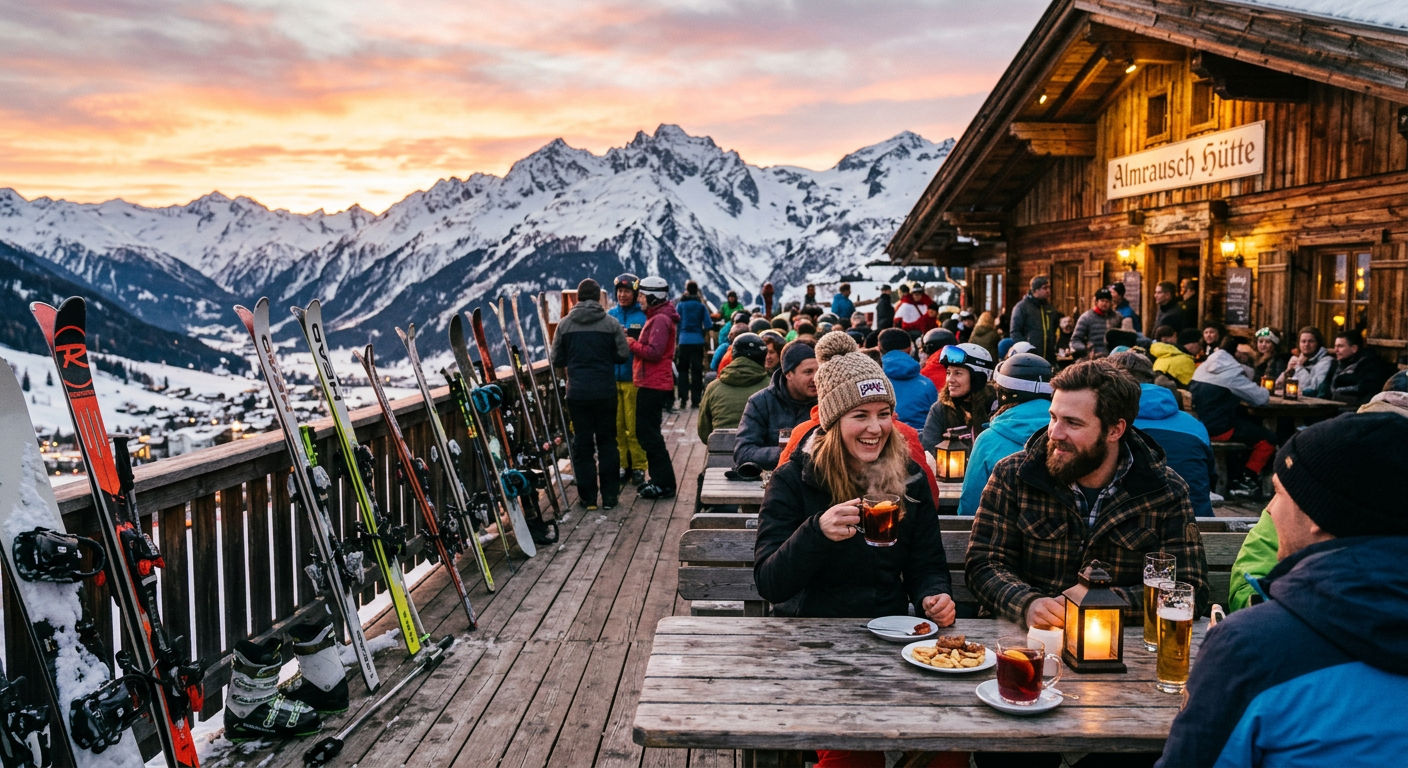
Austria offers the strongest value proposition in Alpine skiing. Lift passes, accommodation, and dining cost significantly less than France or Switzerland, while the terrain and snow conditions compete at the highest level. Austrian resorts also have the most embedded après-ski culture — here, it is a daily ritual rather than an occasional indulgence.
Best Austrian resorts by profile:
- St. Anton am Arlberg — The birthplace of Alpine skiing and still one of the most challenging resorts in Europe. Part of the 305 km Ski Arlberg network, with legendary off-piste and après-ski at the Mooserwirt and Krazy Kanguruh.
- Lech-Zürs — Connected to St. Anton via the Flexenbahn gondola but with a different character: quieter, more refined, and favoured by families and those seeking a less boisterous atmosphere.
- Kitzbühel — A medieval walled town that hosts the Hahnenkamm, the most famous downhill race in the world. The ski area (170 km) is varied and well-groomed, and the town itself is one of the most charming in the Alps.
Italy: Dolomite Drama and Underrated Value
Italy remains the most underrated ski destination in Europe. The Dolomites offer some of the most visually striking terrain anywhere — pale limestone towers rising above groomed runs — while prices for accommodation and dining sit well below the French and Swiss competition. Italian mountain cuisine also deserves mention: a long lunch on a sun terrace with fresh pasta and local wine is part of the culture, not an afterthought.
Cervinia's link to Zermatt across the border creates one of Europe's most dramatic ski connections.
Best Italian resorts by profile:
- Cortina d'Ampezzo — Host of the 2026 Winter Olympics, set in a wide valley surrounded by Dolomite peaks. The most cosmopolitan Italian ski town, with strong intermediate terrain and some of the best mountain restaurants in Europe.
- Cervinia — High-altitude (2,050 m base), snow-reliable, and linked to Zermatt for a cross-border skiing experience. Gentler terrain than its Swiss neighbour, making it ideal for intermediate skiers.
- Courmayeur — Sitting below Mont Blanc on the Italian side, with a compact, stylish village and access to the Skyway Monte Bianco, one of the world's most scenic cable cars.
When to Plan a European Ski Vacation
European ski seasons typically run from early December through mid-April, with significant variation by altitude and region.
| Period | Conditions | Crowds | Price |
|---|---|---|---|
| Early Dec | Limited terrain, lower resorts may lack snow | Low | Low season |
| Christmas–New Year | Good snow at altitude, festive atmosphere | Very high | Peak pricing |
| January | Cold temperatures, excellent snow, full terrain | Moderate | Shoulder season |
| February half-term | Peak family travel period across Europe | Very high | Peak pricing |
| March | Longer days, warm sun, reliable snowpack | Moderate | Shoulder season |
| Late March–April | Spring conditions, corn snow, glacier access | Low | Low season |
The sweet spot is January and March. January offers the best snow conditions with manageable crowds, while March combines warm sunshine, long days, and a mature snowpack — ideal for those who enjoy skiing in a T-shirt by midday.
For the 2026/27 season, book early for Christmas and February half-term weeks — the most desirable chalets in Courchevel, Verbier, and Zermatt typically sell out six to nine months in advance.
How to Choose the Right Accommodation
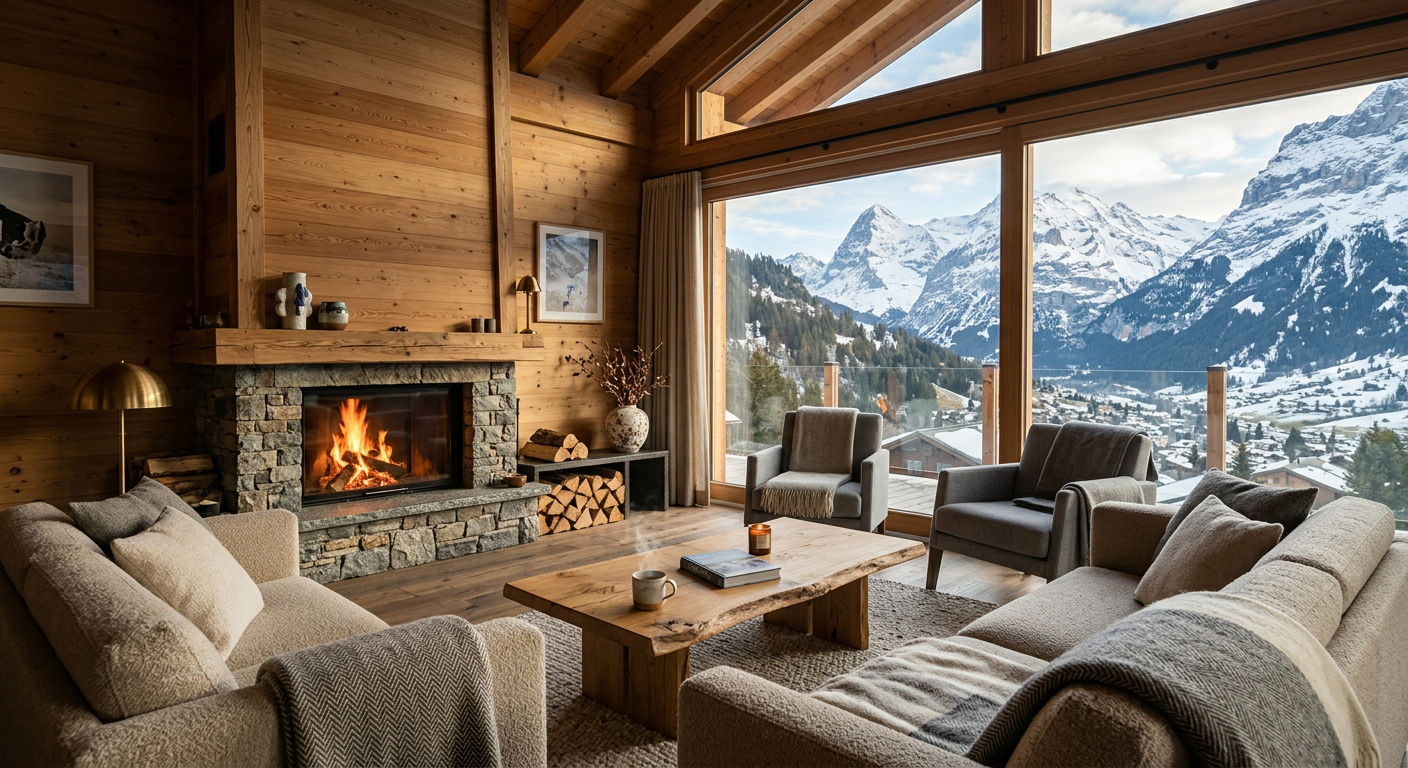
The chalet model dominates European ski vacations, but the term covers a wide range of experiences. Understanding the service levels helps match expectations to budget.
Catered chalets include a host, daily breakfast, afternoon tea, and multi-course dinners with wine — effectively a private boutique hotel. Expect to pay a premium, but the per-person cost often compares favourably to hotel half-board once you account for group sizes.
Self-catered chalets provide the property without staff, giving complete flexibility over schedules and meals.
A 20-person family reunion or a friends' trip becomes straightforward when the chalet is designed for it — something far harder to arrange in the hotel-centric North American model.
Browse properties for large groups across the Alps
Getting There: Flights, Transfers, and Logistics
Most major European ski resorts are accessible within a 2–3 hour transfer from a well-served international airport.
Key airport-to-resort connections:
- Geneva (GVA) — Gateway to the French Alps (Chamonix 1 hr, Morzine 1.5 hr, Megève 1.5 hr, Verbier 2 hr, Val d'Isère 3 hr) and parts of Switzerland
- Chambéry (CMF) — Closest airport to the Three Valleys (Courchevel 1.5 hr, Méribel 1.5 hr) and the Tarentaise valley (Val d'Isère 2.5 hr)
- Lyon (LYS) — Larger hub with more flight options; 2–3 hours to most French resorts
- Zürich (ZRH) — Gateway to eastern Switzerland (St. Moritz 3 hr, Davos 2 hr) and western Austria
- Innsbruck (INN) — The most convenient airport for Austrian skiing (St. Anton 1 hr, Kitzbühel 1.5 hr, Sölden 1 hr), sitting directly in the Alps
- Milan (MXP/LIN) — Best for Italian Dolomites (Cortina 4 hr) and Courmayeur (2.5 hr via the Mont Blanc tunnel)
Transfer options range from private cars to shared shuttles. Most chalet rental agencies can arrange transfers as part of the booking. Train connections are also excellent — the Swiss rail network delivers you to Zermatt's doorstep, and the Eurostar-to-TGV route from London reaches the French Alps in under eight hours.
Lift passes are typically purchased separately from accommodation. Multi-resort passes like the Three Valleys pass (covering Courchevel, Méribel, Les Menuires, and Val Thorens) or the Ski Arlberg pass (St. Anton, Lech, Zürs, Warth-Schröcken) offer exceptional value for skiers who want to explore multiple areas.
Start Planning Your European Ski Vacation
Whether you are drawn to the refined pistes of Courchevel, the Matterhorn views of Zermatt, or the après-ski energy of St. Anton, the collection is built to help you find the right fit. Explore all European ski properties or filter by resort, amenities, and group size to narrow your search.
Frequently Asked Questions
What is the best country in Europe for a ski vacation?
France offers the largest ski areas and deepest accommodation market, making it the most versatile choice for a first European ski trip. The Three Valleys alone spans over 600 km of linked terrain across Courchevel, Méribel, and Val Thorens. Switzerland provides higher altitudes and more reliable snow but at a 20–40% price premium. Austria delivers the best value, with lower costs and a stronger après-ski culture. Italy is the most underrated option, combining Dolomite scenery with excellent food and lower prices.
How far in advance should I book a European ski vacation?
For peak weeks — Christmas, New Year, and February half-term — book six to nine months ahead. The most sought-after chalets in resorts like Courchevel, Verbier, and Zermatt sell out before summer ends. January and March offer more flexibility; booking three to four months ahead is usually sufficient for a good selection.
How much does a ski vacation in Europe cost?
Costs vary significantly by country and service level. Lift passes run €250–€350 per adult for a six-day pass in most major resorts. Budget €50–€100 per person per day for meals and incidentals, less in Austria and Italy, more in Switzerland.
Is it better to stay in a chalet or a hotel for a ski vacation in Europe?
Chalets suit groups, families, and anyone who values privacy and space. Hotels suit solo travellers, couples, or those who prefer not to self-organise. Many European ski hotels also offer spa facilities and ski-in access that smaller chalets may lack.
What is the best time of year to ski in Europe?
January and March offer the best combination of snow quality, manageable crowds, and reasonable pricing. January is coldest with the freshest snow; March brings longer days, warmer temperatures, and a settled snowpack that makes for excellent groomed skiing. Avoid Christmas, New Year, and February half-term unless you specifically want the festive atmosphere — these are the busiest and most expensive weeks.
Do I need to speak the local language to ski in Europe?
English is widely spoken in all major European ski resorts, particularly in Switzerland, Austria, and the international hubs of the French Alps. Resort staff, ski schools, lift operators, and restaurant workers in destinations like Verbier, Zermatt, St. Anton, and Courchevel routinely operate in English. Italian resorts have slightly less English proficiency, but tourist-facing services are generally bilingual.


