
The Skiing
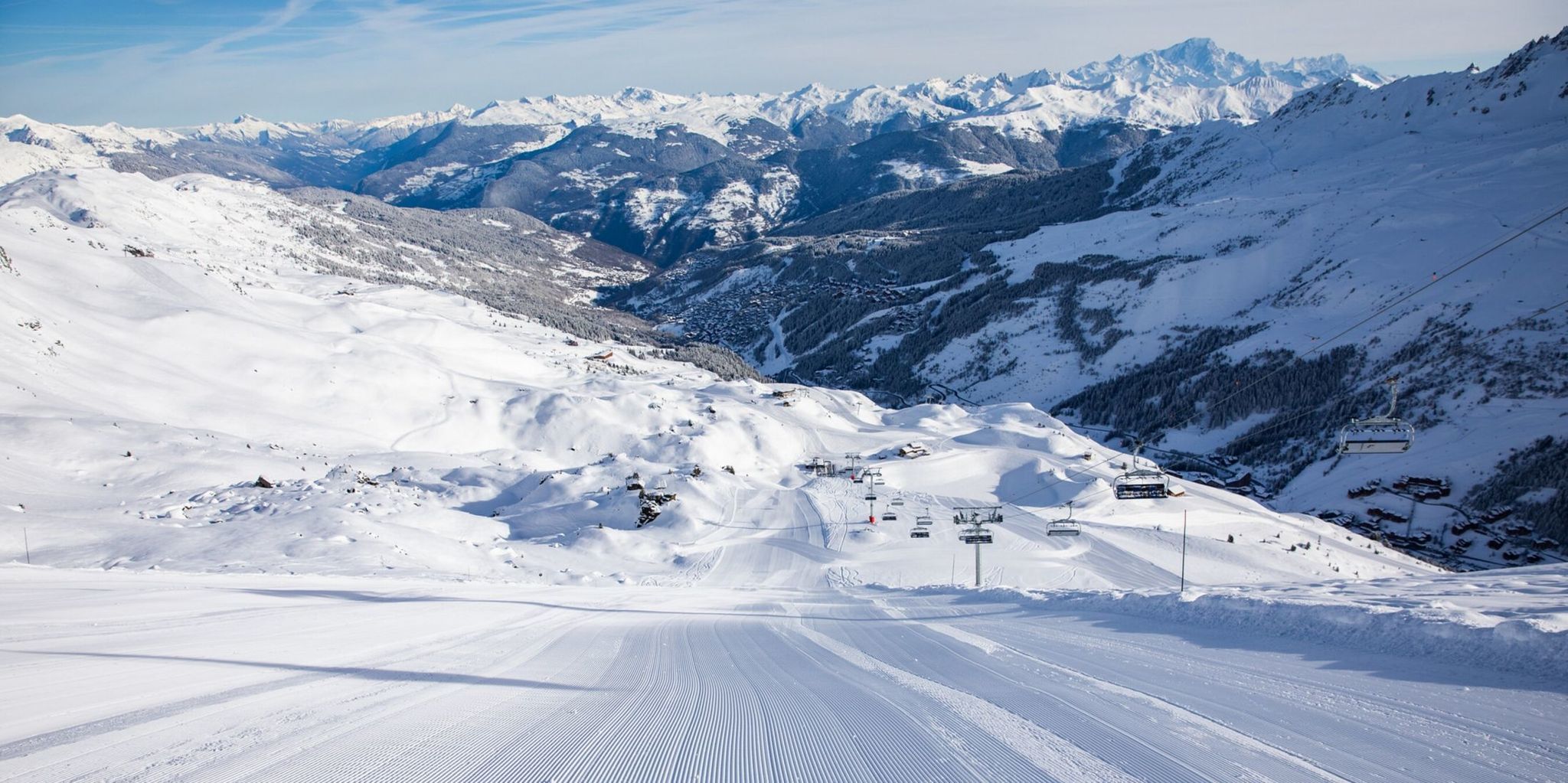
Courchevel and Val Thorens sit at opposite ends of the Three Valleys — the largest linked ski area in the world, with over 600km of pistes. Both resorts give you access to the full system, but your daily skiing experience will feel very different depending on which village you wake up in.
Courchevel's home terrain is exceptionally well groomed and suits intermediates and families beautifully. Wide, rolling pistes descend through the trees from the Saulire summit (2,738m) and the Vizelle sector, with a network of blues and reds that make progression natural and enjoyable. The runs above 1850 are among the best-maintained in the Alps — immaculate corduroy from first lift. Advanced skiers can find challenge in the Couloirs de la Saulire and on the steeper blacks off the Creux Noirs, but Courchevel's reputation is built on the quality of its grooming, not its gradient. The sub-villages — Le Praz (1,300m), Courchevel Village (1,550m), and Moriond (1,650m) — each have their own gentle nursery areas and local lifts.
Val Thorens occupies the highest ground in the Three Valleys, with the village at 2,300m and skiing reaching the Cime de Caron at 3,230m. This altitude defines the experience: long, wide-open runs above the treeline, consistent snow coverage from late November into early May, and a scale that feels almost glacial. The Cime de Caron itself offers one of the great descents in the Alps — a sustained 1,500m vertical drop with off-piste options in every direction. The terrain is varied enough to keep strong intermediates engaged, but Val Thorens rewards confident skiers more than Courchevel's home domain does. The link south to Orelle adds a quieter sector with genuine off-piste potential.
Both resorts connect into the full Three Valleys circuit via Meribel in the central valley. The difference is practical: Courchevel is a one-valley hop from Meribel, while Val Thorens sits at the far end, requiring more travel time to reach the Courchevel side. If you want to explore the entire system regularly, a base in Meribel is more central — but both Courchevel and Val Thorens deliver outstanding home skiing that most groups rarely need to leave.
The Village & Apres-Ski
The contrast between these two villages is as stark as any in the Alps, and it usually decides the choice for repeat visitors.
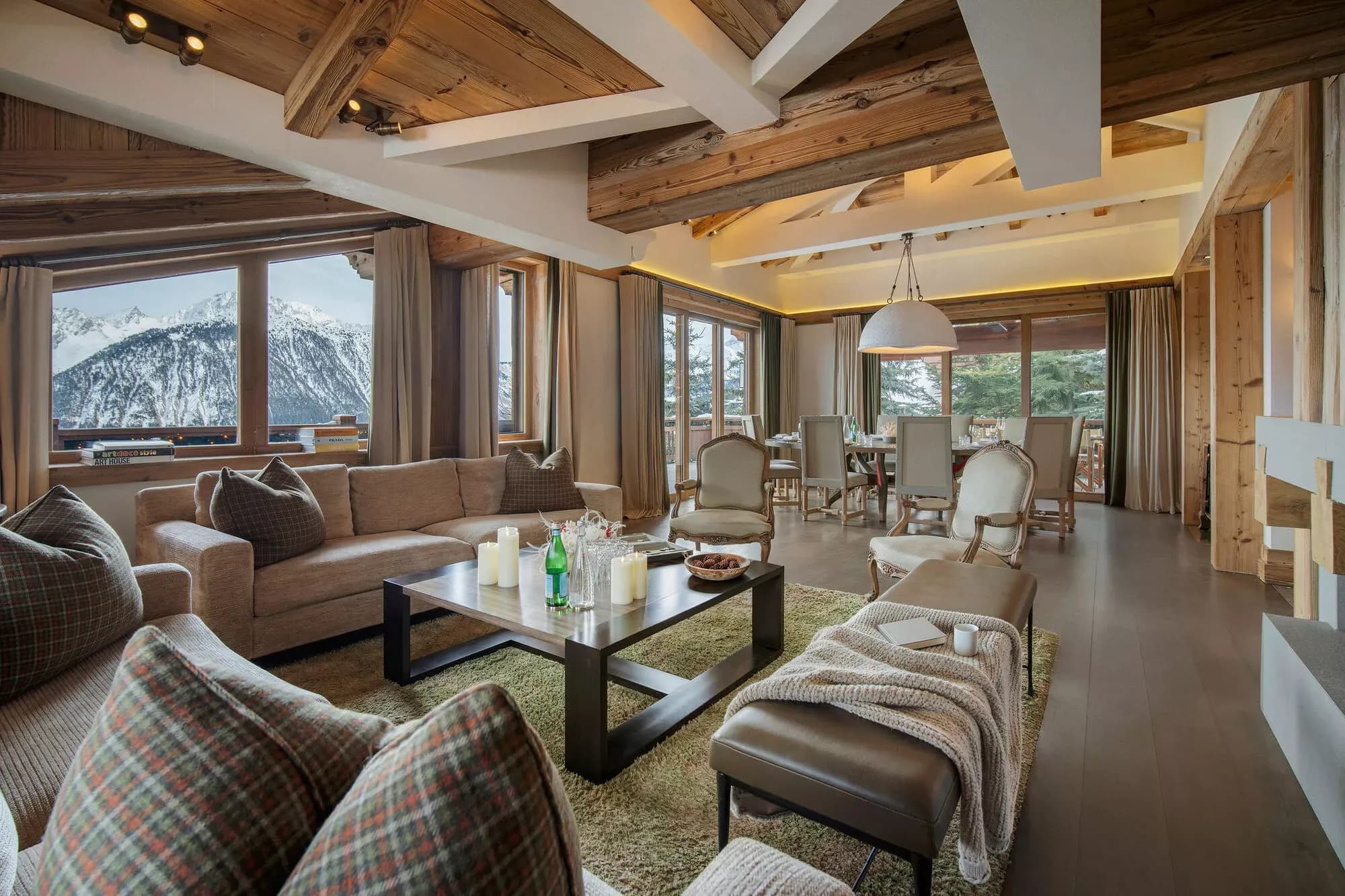
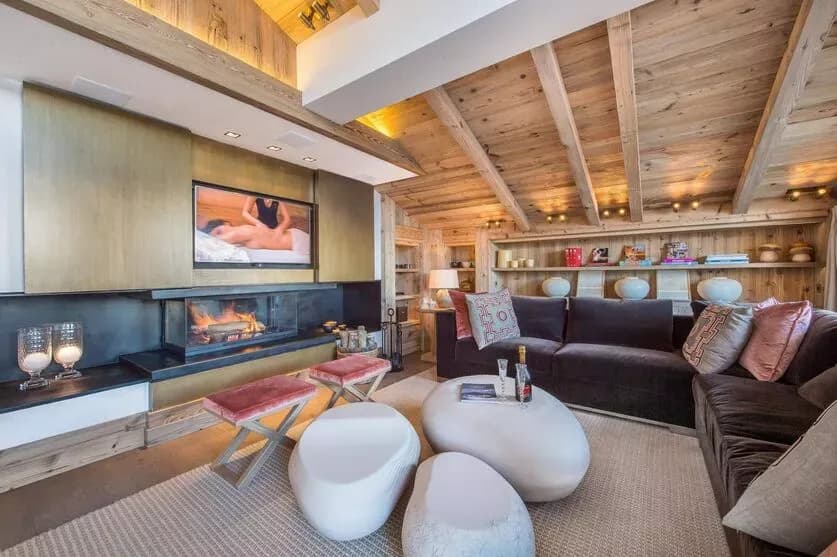
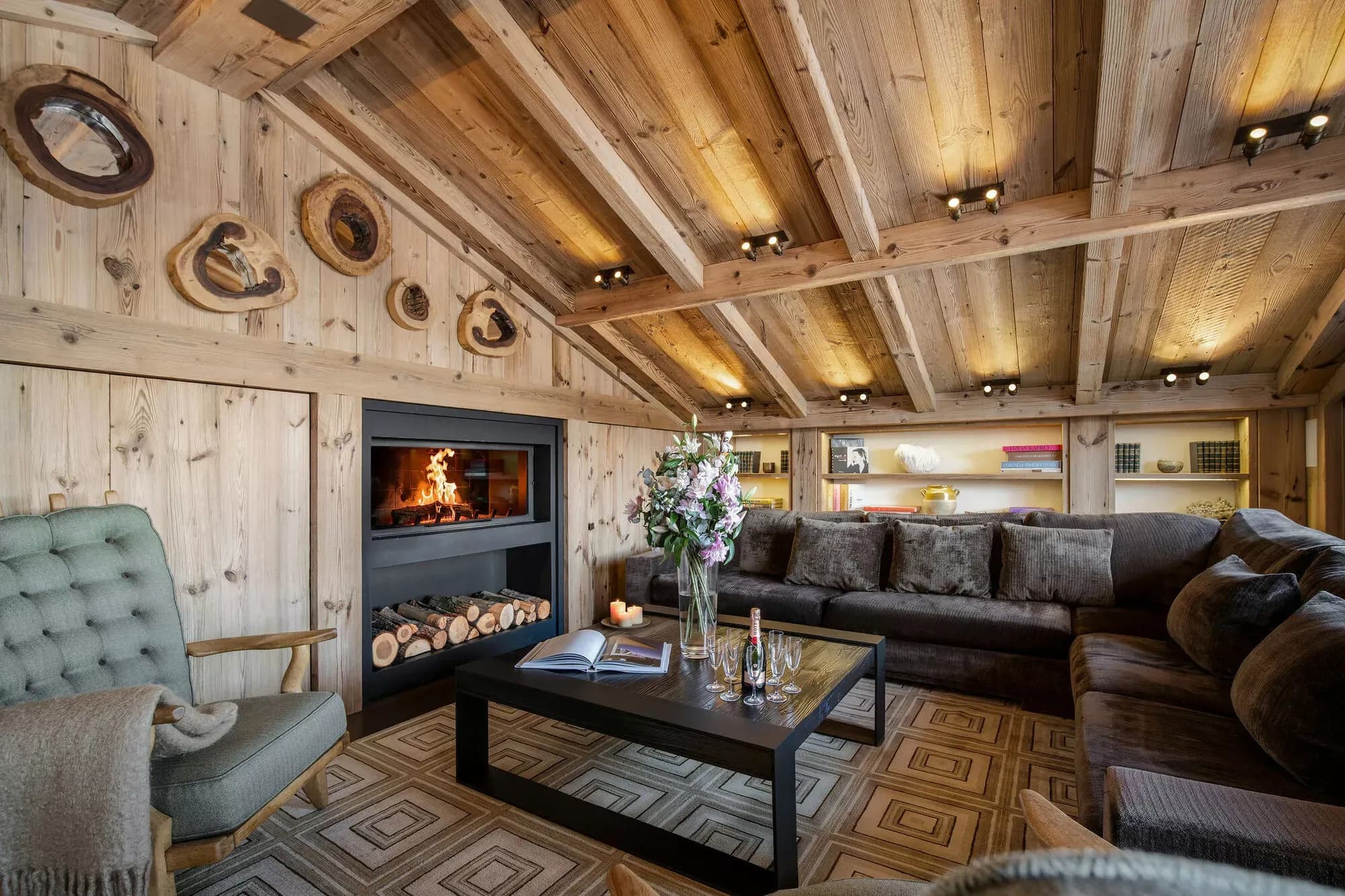
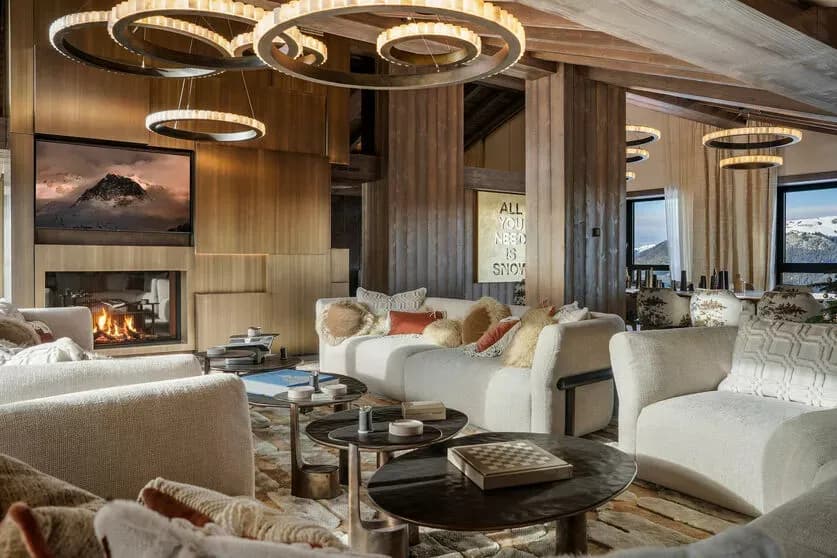
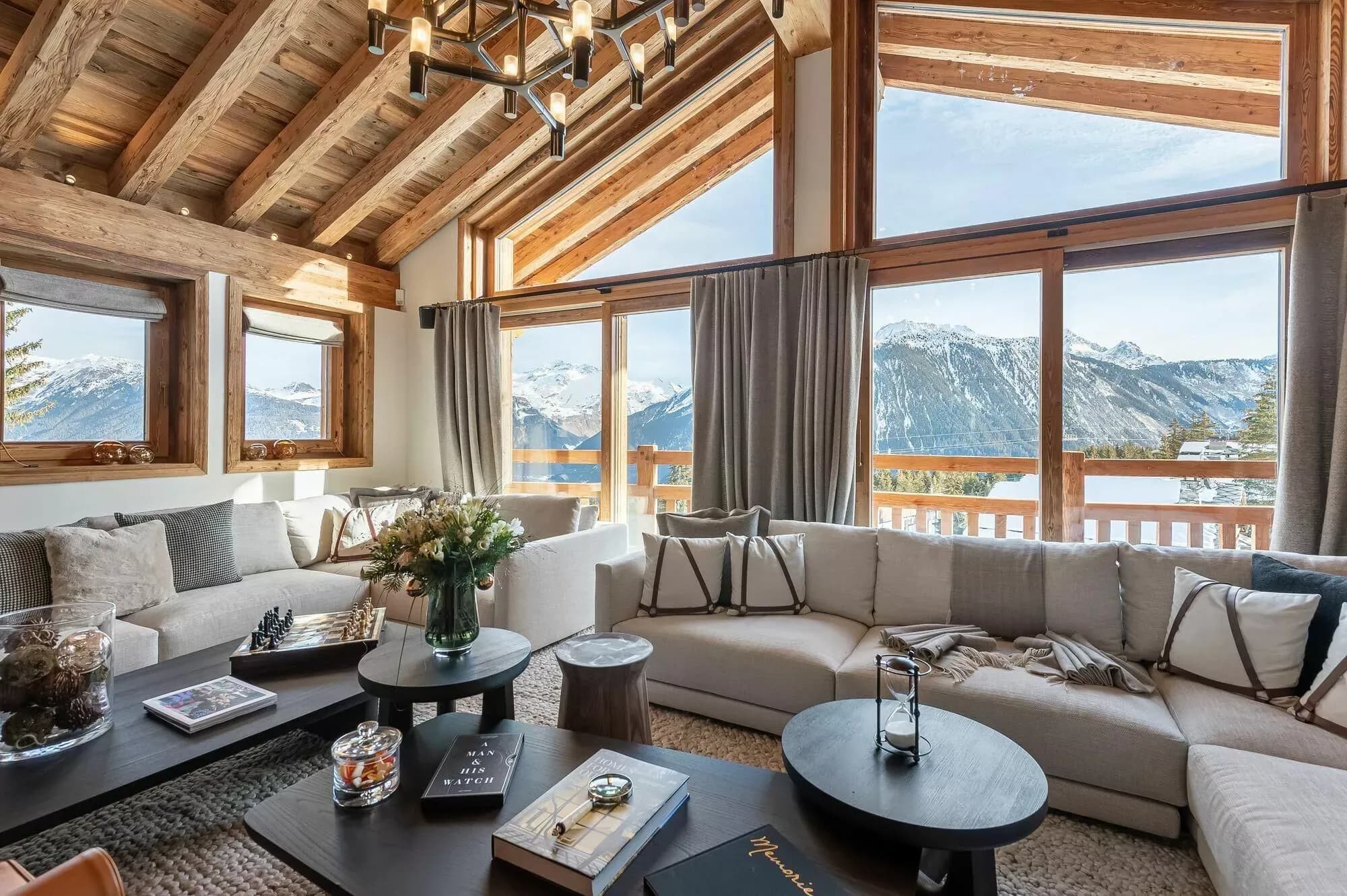
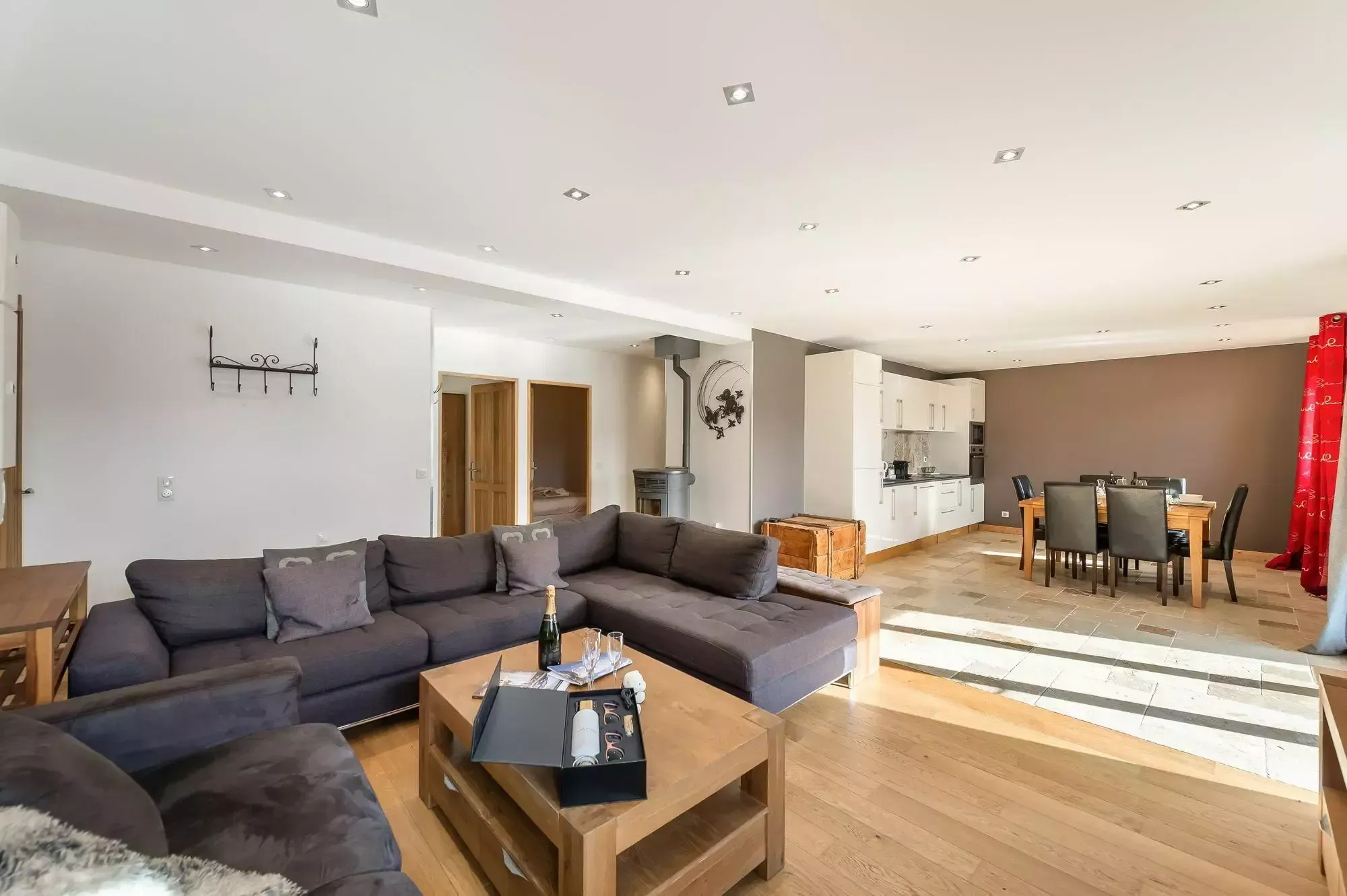
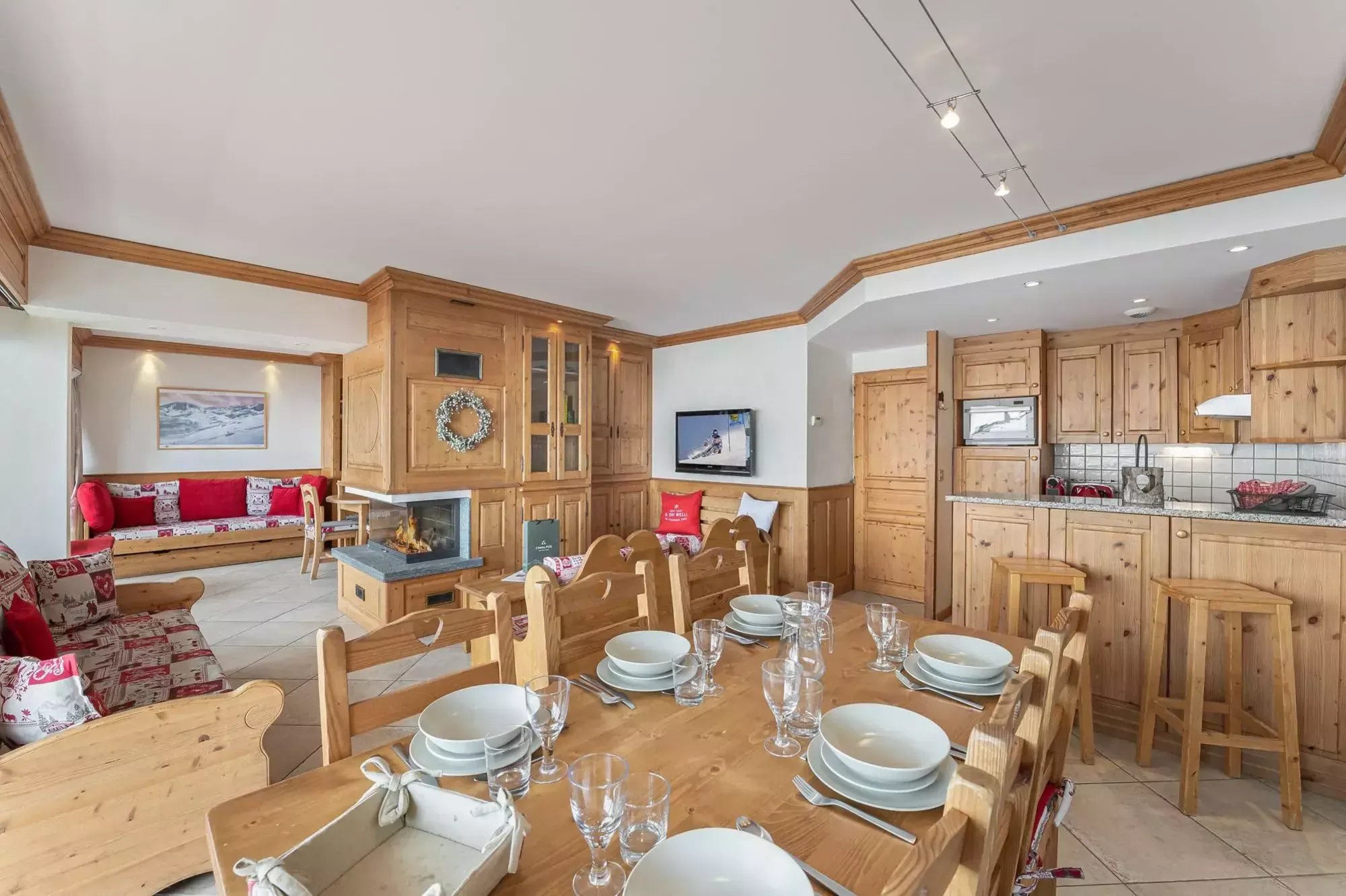
Courchevel 1850 is the most glamorous ski resort in the world — and it carries that reputation deliberately. The village is lined with luxury boutiques (Chanel, Louis Vuitton, Dior), palace-grade hotels (Les Airelles, Cheval Blanc, L'Apogee), and six Michelin-starred restaurants including Le 1947 at Cheval Blanc, which holds two stars and is considered one of the finest mountain restaurants in Europe. The clientele is international and wealthy. Prices reflect this: a vin chaud on a sun terrace here costs more than a full meal in many Alpine villages. Apres-ski is refined rather than raucous — champagne bars, cigar lounges, and private members' clubs set the tone. For families, the lower villages offer a different atmosphere entirely. Le Praz is a genuine Savoyard village with stone farmhouses and a quieter pace; Village 1550 and Moriond are more affordable and relaxed. Luxury chalets in Courchevel tend toward the spectacular — full spa facilities, private chefs, cinema rooms — and the concentration of high-end accommodation is unmatched anywhere in the ski world.
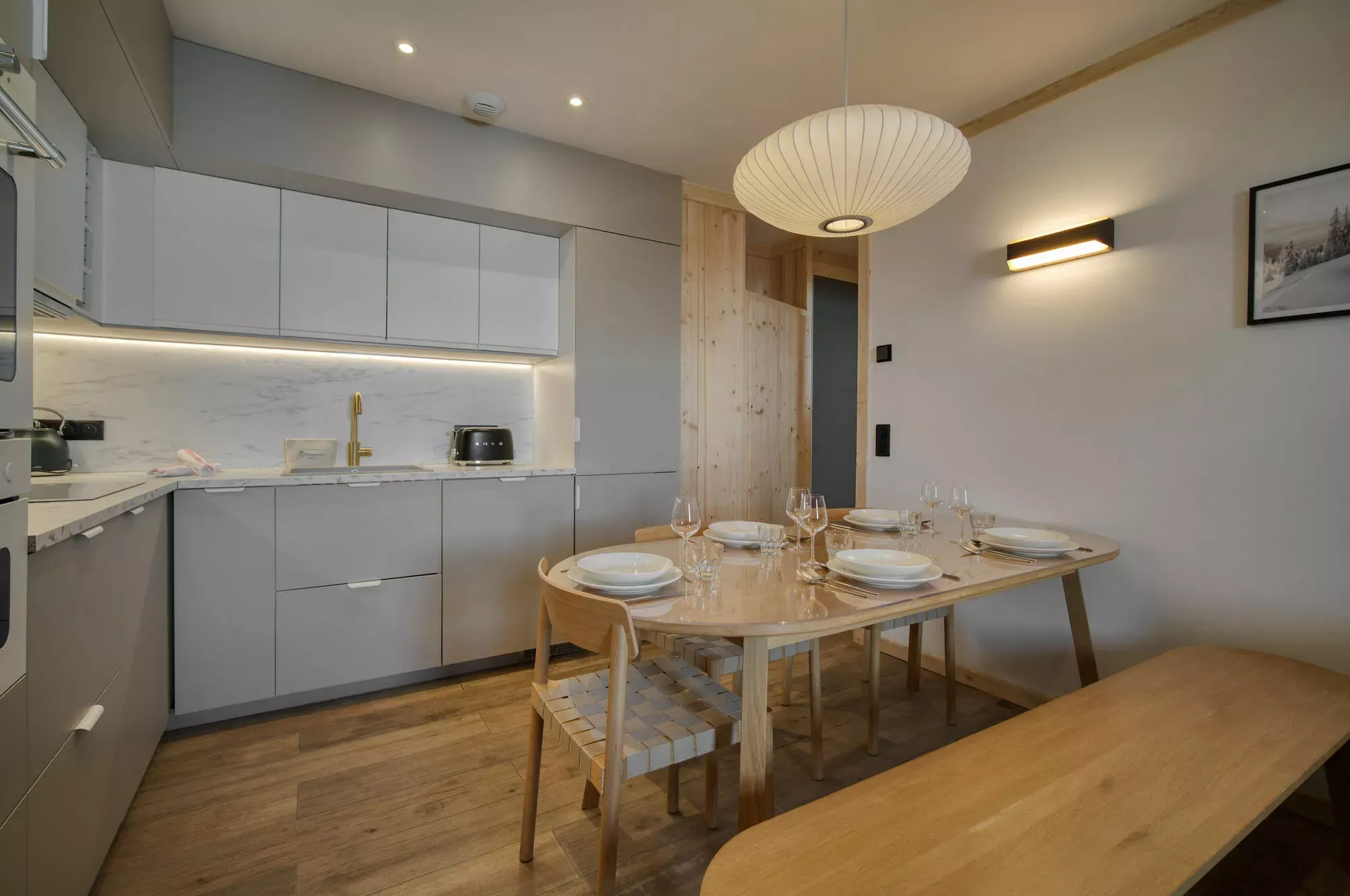
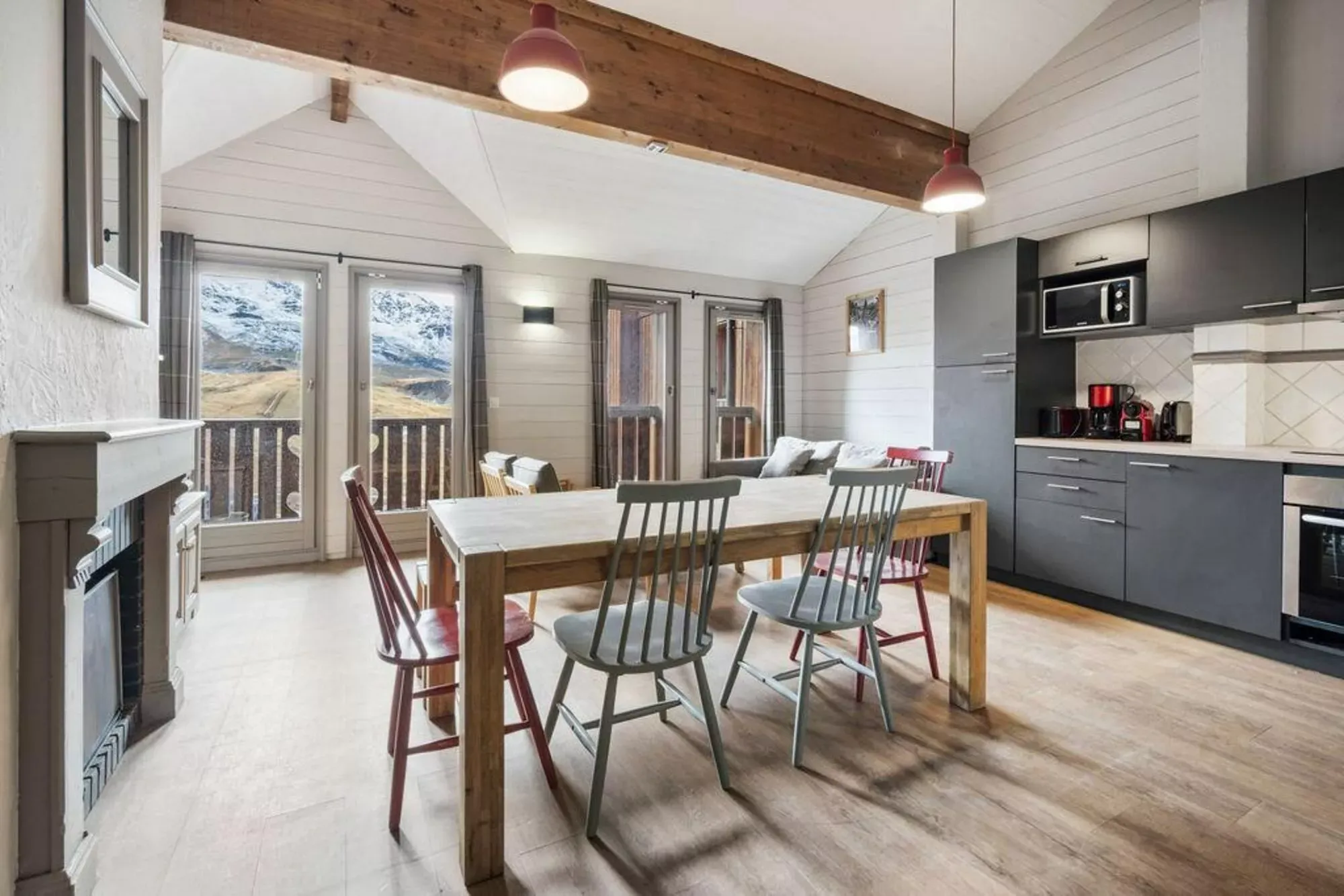
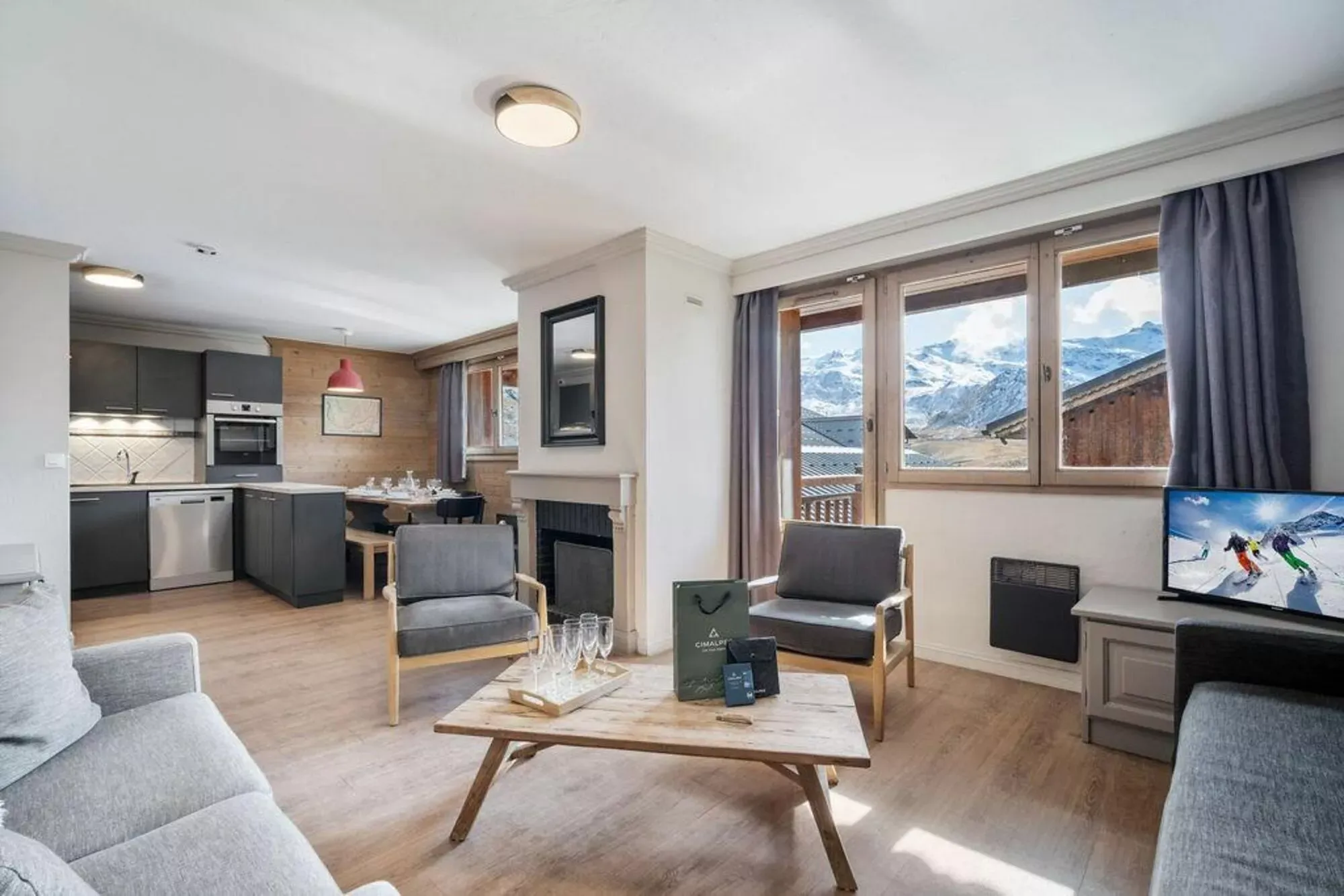
Val Thorens is purpose-built and makes no apology for it. The architecture is functional 1970s concrete — apartment blocks and residences clustered around a compact, pedestrianised centre at 2,300m. What it lacks in aesthetic charm, it compensates for with sheer convenience: everything is walkable, lifts depart from the village edge, and the altitude means you ski back to your door on natural snow. The crowd is younger and more international than Courchevel's — groups of friends, university ski trips, and sporty couples in their twenties and thirties. Apres-ski is lively and accessible: La Folie Douce Val Thorens is the original and arguably the best in the chain (live music, DJs, dancing in ski boots from mid-afternoon), and the village picks up from there with Malaysia bar, the Frog and Roastbeef, and a string of affordable venues. Dining is honest rather than refined — good Savoyard restaurants, pizza places, and burger joints rather than tasting menus. Accommodation is predominantly apartments and smaller residences rather than large luxury chalets.
If you want a ski holiday that feels like an event — fine dining, exceptional accommodation, and a polished atmosphere — Courchevel is in a class of its own. If you want a ski holiday that revolves around skiing first and socialising second, with minimal fuss and maximum altitude, Val Thorens delivers.
Getting There
Both resorts are in the Tarentaise valley in Savoie, sharing the same approach road until the final climb diverges.
Courchevel: The fastest route is via Chambery airport, with a transfer of approximately 1 hour 45 minutes. Lyon Saint-Exupery is around 2 hours 45 minutes, and Geneva is also viable at roughly 2 hours 45 minutes. The drive from the valley floor at Moutiers takes about 25 minutes on a good, well-maintained road. Moutiers has a train station with TGV connections from Paris in under five hours, and the SNCF bus link to the resort is reliable. The Courchevel altiport — a short runway cut into the mountainside above 1850 — accepts private helicopter and small aircraft transfers for those who prefer to skip the road entirely.
Val Thorens: Chambery is the closest airport at around 2 hours 15 minutes. Geneva takes approximately 3 hours, and Lyon around 3 hours. The drive from Moutiers is longer than Courchevel's — roughly 40 minutes — because the road continues past Les Menuires up to 2,300m. This final section can be slow in heavy snowfall, though it is well-maintained and chains are rarely needed. The same Moutiers TGV station serves Val Thorens, with shuttle buses running throughout the season. Budget an extra 20-30 minutes of transfer time compared to Courchevel.
When to Visit
The shared Three Valleys system means both resorts benefit from the same weather patterns, but altitude makes a meaningful difference to the seasonal window.
Val Thorens has the clear advantage for early and late season skiing. At 2,300m, the village sits above the snowline from late November, and the Cime de Caron sector at 3,230m holds snow well into May. If you are booking an early December trip or a late April week, Val Thorens is the safer bet by a significant margin. The resort typically opens in mid-November and closes in early May — one of the longest seasons in the Alps.
Courchevel 1850 sits at a comfortable altitude but is lower at 1,850m, with the sub-villages ranging down to 1,300m at Le Praz. Early December and late April snow at village level can be inconsistent, though extensive snowmaking covers the main descents. The prime window is late December through late March. February half-term is the busiest and most expensive week — Courchevel is a favourite of British, Russian, and Middle Eastern families during school holidays. January and March offer better value and thinner crowds while conditions are typically excellent.
For the best balance of snow quality, weather, and value, January is hard to beat in either resort. March brings longer days and warmer terraces — particularly enjoyable in Val Thorens, where the south-facing village benefits from strong spring sunshine.
The Verdict
These two resorts share the same ski area but deliver profoundly different holidays. The choice is less about skiing ability and more about what you want your week to feel like.
Choose Courchevel if you want: the finest luxury accommodation in any ski resort; Michelin-starred dining as part of the experience; a polished, exclusive atmosphere; excellent family skiing with gentle nursery slopes in the sub-villages; a village that rewards time off the mountain as much as time on it. Courchevel is where skiing meets five-star hospitality — and the combination, at its best, is extraordinary.
Choose Val Thorens if you want: the most reliable snow in Europe; a resort that prioritises skiing above everything else; a younger, more social atmosphere with vibrant apres-ski; straightforward access to the full Three Valleys from the highest point; and a holiday where the budget goes further. Val Thorens is the resort for skiers who want altitude, access, and energy — without the price tag.
The honest truth: these two resorts complement each other perfectly, and many Three Valleys regulars have skied both. They share 600km of terrain but almost nothing else — and that is precisely what makes the choice interesting.
Frequently Asked Questions
Can you ski from Courchevel to Val Thorens?
Yes. Both resorts are part of the Three Valleys linked ski area, and you can ski between them on lifts and pistes via Meribel and Les Menuires. The journey takes roughly 60-90 minutes each way depending on conditions and lift queues, so it is realistic as an occasional day trip rather than a daily routine. Most skiers find that either resort's home terrain — plus the adjacent valleys — provides more than enough variety for a week.
Which resort is better for beginners — Courchevel or Val Thorens?
Courchevel is the better choice for first-timers. The nursery slopes above Le Praz and at Village 1550 are gentle, sheltered, and well-served by ski schools. Progression to easy blues is natural and well-signposted. Val Thorens has a dedicated beginner area near the village, but the surrounding terrain is predominantly above the treeline — wide and exposed in poor weather, which can be intimidating for new skiers. Courchevel's tree-lined lower slopes offer more protection and a more forgiving learning environment.
Is Val Thorens good for families?
Val Thorens works well for families with older children who are already competent skiers and will appreciate the snow reliability and the convenience of a compact, car-free village centre. For families with young children or beginners, Courchevel's sub-villages (Le Praz, Village 1550) are generally a better fit — they offer a quieter atmosphere, easier terrain, and a wider range of family-oriented services including childcare and beginner ski schools. Val Thorens' altitude and above-treeline exposure can be challenging for very young skiers in cold or windy weather.
How much more expensive is Courchevel than Val Thorens?
The lift pass is the same — both resorts use the Three Valleys pass, so that cost is identical. The difference lies in accommodation, dining, and general living costs. Courchevel 1850 is significantly more expensive: luxury chalets can cost three to five times more per week than equivalent apartment accommodation in Val Thorens. Restaurant prices in 1850 are among the highest in the Alps. However, Courchevel's lower villages (Le Praz, Moriond) are more moderately priced and offer genuine value within the same ski domain. Val Thorens is one of the better-value high-altitude resorts in France, with a wide range of apartments and self-catered options.
Which resort has better snow — Courchevel or Val Thorens?
Val Thorens wins on snow reliability. Its village at 2,300m is the highest in Europe, and the skiing reaches 3,230m at the Cime de Caron — meaning natural snow coverage is deeper and lasts longer. Courchevel's top lifts reach 2,738m, which is respectable, but the lower villages (down to 1,300m at Le Praz) rely more heavily on snowmaking in lean years. In a strong snow season, both resorts ski beautifully. In a poor one, Val Thorens is the safer choice.