Switzerland does not do ski resorts by halves, and few pairings illustrate the country's range quite like Gstaad and Verbier. Both wear a luxury badge with confidence, both attract international guests with deep wardrobes and deeper expectations, and yet they could not feel more different on the snow or in the evening. One is a quiet, chalet-bound retreat in the Bernese Oberland; the other is a sun-drenched terrace looking out over the 4 Vallées, with a reputation forged in powder and late nights. Here is how to choose between them.
The Skiing
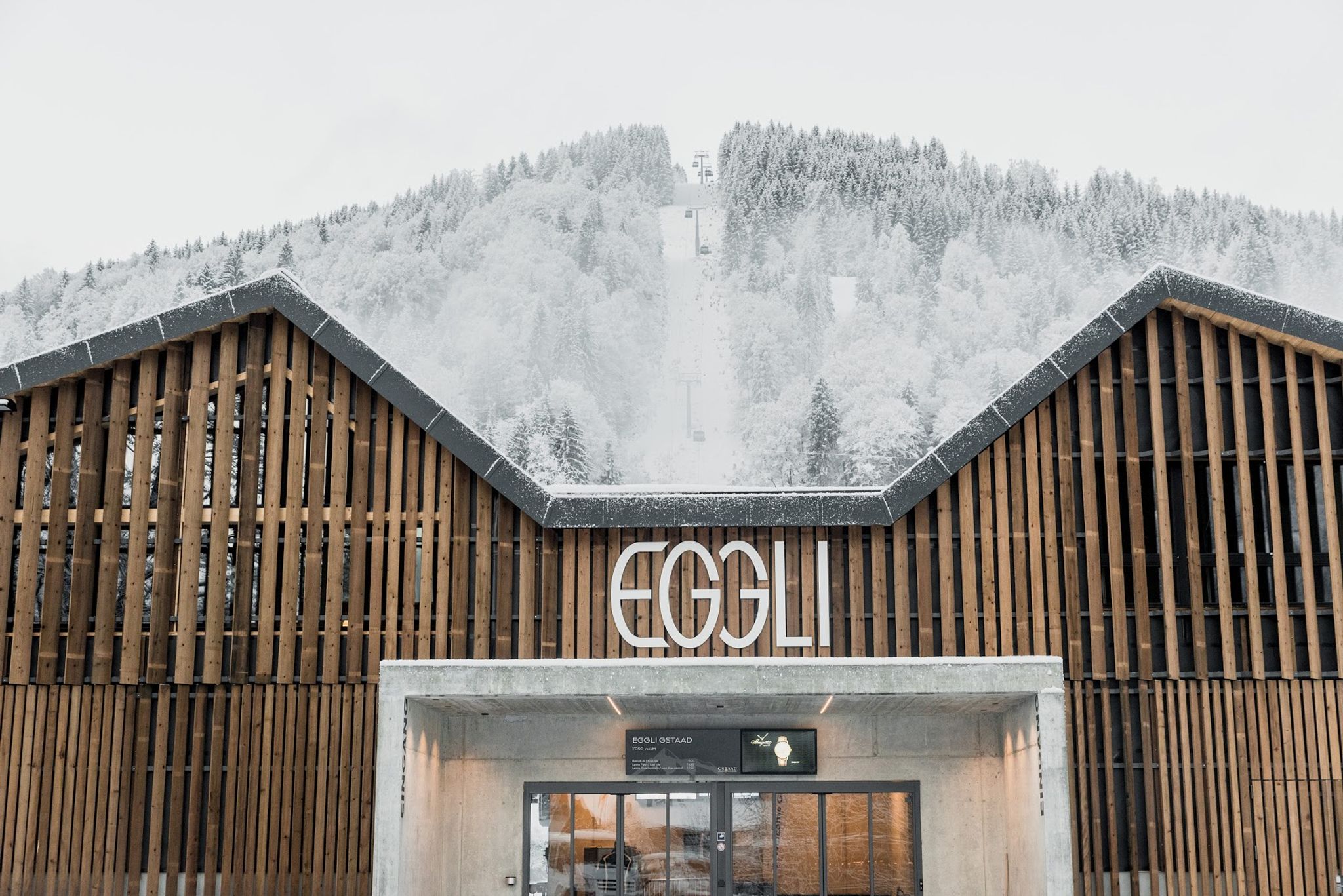
Gstaad's skiing is spread across several distinct, mostly unconnected sectors linked by an efficient bus and train network, all covered by a single lift pass. The terrain leans heavily towards intermediates, with long, rolling, tree-lined cruisers, gentle family slopes on Wispile, and longer descents off Eggli and La Videmanette. For high-altitude snow security, Glacier 3000 sits above the rest of the region and stays open well beyond the main season. The Tiger Run on Wasserngrat throws in a genuine challenge for stronger skiers, but Gstaad is rarely chosen for steeps alone.
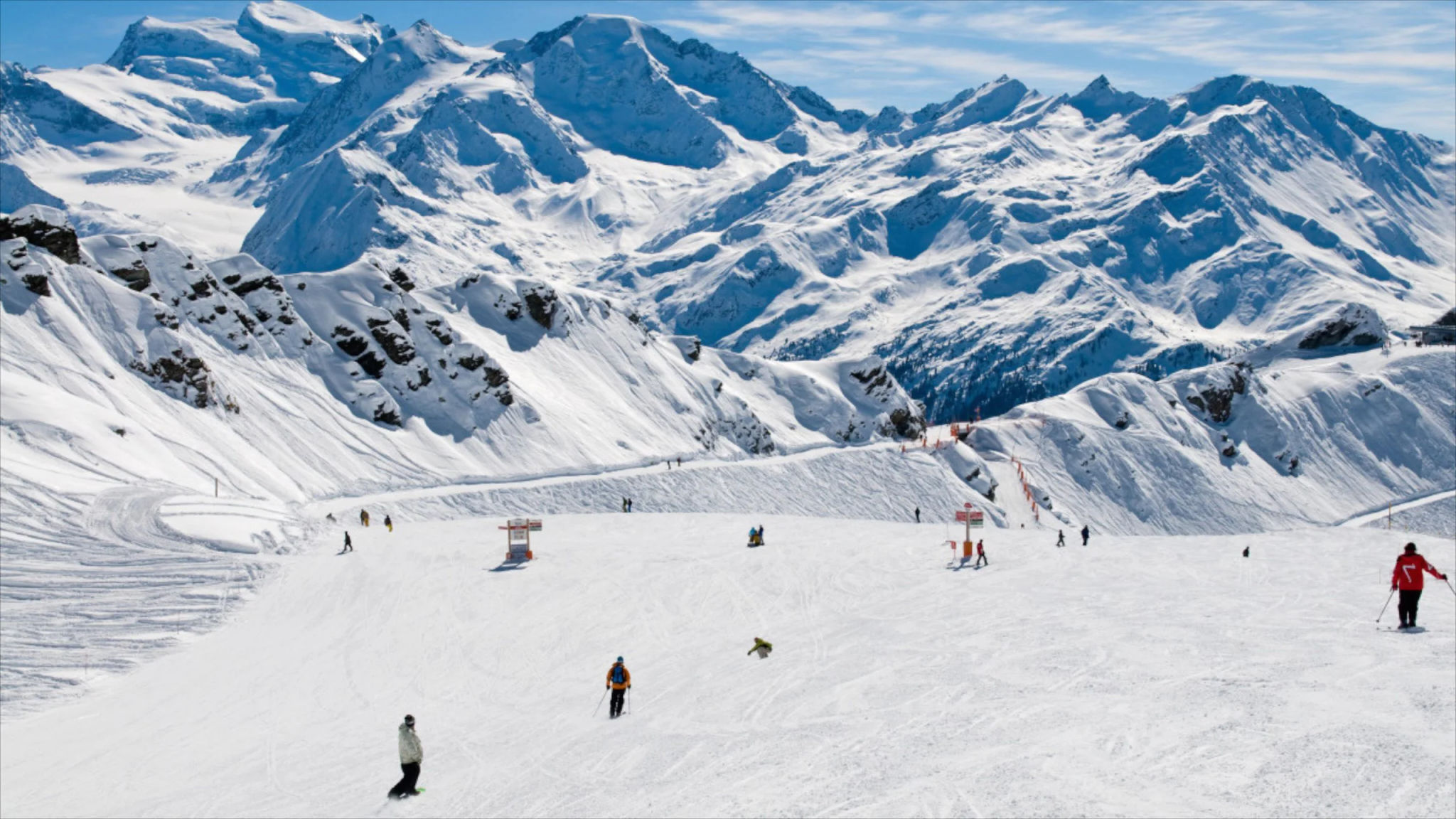
Verbier plays an entirely different game. The resort sits on the edge of the wider 4 Vallées domain, with Mont Fort rising to 3,330m and over 410km of pistes feeding off the network. The on-piste menu covers everything from beginner-friendly slopes in Savoleyres to thigh-burning reds and blacks across the main sector, but the resort's true reputation is built off the marked runs. Verbier is one of the most celebrated off-piste destinations in the Alps, with steep couloirs, broad powder bowls and itineraries that have anchored the Freeride World Tour for years.
The simplest way to read the contrast: Gstaad rewards skiers who want scenic, sociable days at a relaxed pace, while Verbier rewards those chasing vertical, variety and the option to disappear into the backcountry with a guide. Families and mixed-ability groups can be happy in either, but the centre of gravity in each resort points in clearly different directions.
The Village & Apres-Ski
Gstaad's village is one of the most photogenic in the Alps. Strict building codes have preserved the traditional wooden chalet style throughout, and the pedestrianised promenade is lined with boutiques, fine dining and grand hotels. Après tends to be elegant rather than rowdy: a cocktail in the Lobby Bar at Gstaad Palace, a glass of something cold at the Alpina Lounge, or a sundowner at Rialto Bar in the village. Dinner is a serious affair, with Michelin-starred rooms and intimate Swiss restaurants competing for your evening.
Verbier wears its glamour differently. The village is still recognisably alpine and largely traditional, but the energy is louder and the nightlife is part of the draw. Pub Mont Fort, just behind the Medran lift station, has been a freeride staple for decades; Farinet Lounge Bar runs from afternoon cocktails into DJ-led nights; and the Farm Club has held its status as the village's most exclusive late-night room for more than fifty years. Mountain venues such as Le Rouge and Bar 1936 stretch the après day out across the hillside.
If your idea of a perfect evening is a sauna, a tasting menu and an early night, Gstaad will feel tailor-made. If it involves last lifts, several bars and a slow walk home as the village wakes up again, Verbier is the call.
Getting There
Gstaad is roughly 150km from Geneva Airport, with private transfers and taxis taking around two hours in normal conditions. The scenic GoldenPass train from Montreux is a journey worth doing for its own sake, and the village has its own station, making train arrivals genuinely practical. Once in resort, the local bus and MOB train network ties the unconnected ski sectors together and is included with your pass.
Verbier sits about 170km from Geneva, with transfer times of under two hours on a clear day. For guests arriving by private jet, Sion is only 45km away. Rail travellers can take a direct train from Geneva via Martigny to Le Châble at the valley floor, then a gondola or short bus ride up to the village itself. A car is more useful here than in Gstaad if you intend to explore the wider Val de Bagnes, though the free resort bus covers the village comfortably.
Both resorts are well within reach of a long weekend from the UK, but Gstaad has the slight edge for travellers who prefer to step off a train into the village, while Verbier suits those flying private into Sion or driving down from Geneva.
When to Visit
Gstaad's main season runs from mid-December to early April, with Glacier 3000 extending the calendar at altitude. The resort's lower village sits at 1,050m, so peak conditions on the lower slopes generally rely on January and February cold, while the glacier holds reliable snow far longer. Snowmaking and the spread of altitudes across the sectors keep the experience consistent through the heart of winter.
Verbier's 2025/26 season runs from early December to late April, with sectors opening on staggered dates. The village's 1,500m base and access to Mont Fort at 3,330m give it a clear snow-reliability advantage in shoulder months, and the long season makes late-March and April trips genuinely tempting for those chasing sunny terrace lunches and softer afternoon snow.
For peak luxury atmosphere, Christmas, New Year and February half-term remain the marquee weeks in both resorts. For value and quieter slopes, mid-January and the back end of March tend to be the sweet spots, particularly in Verbier where the higher terrain holds form well.
The Verdict
Gstaad and Verbier are both unmistakably Swiss, both unmistakably luxurious, and both worth the journey. But they ask different questions of their guests. Gstaad asks how you like to spend your afternoons, whether you value a quiet promenade and a long lunch as much as the skiing itself. Verbier asks where you want to be at 4pm, on the lift up for one more run or at the bar with a beer in hand.
For travellers who think of a ski trip as a complete winter experience, with spa afternoons, dinners that linger, and skiing that flatters rather than punishes, Gstaad is hard to beat. The village setting, the dining scene and the breadth of non-skiing options make it a natural choice for multigenerational groups, couples and anyone bringing non-skiers along.
For travellers who plan their week around the snow, who want big vertical, off-piste adventures and a nightlife scene that matches the ambition of the skiing, Verbier is the obvious answer. Its 4 Vallées access, glacier terrain and freeride pedigree give it a ceiling few resorts can match, and the village delivers on the evenings to match.
Choose Gstaad for refined chalet living, intermediate cruising and quiet glamour. Choose Verbier for legendary terrain, long days on the hill and a village that knows how to celebrate them.
Frequently Asked Questions
Is Gstaad or Verbier better for advanced skiers?
Verbier is the stronger choice for advanced and expert skiers, with extensive off-piste terrain, steep couloirs and glacier access at Mont Fort. Gstaad has challenging runs, most notably the Tiger Run on Wasserngrat, but its terrain mix is weighted towards intermediates.
Which resort is more suitable for non-skiers?
Gstaad is generally the easier sell for non-skiers, with its pedestrianised promenade, boutique shopping, extensive winter walking trails and a strong line-up of luxury spas. Verbier has excellent wellness options and good village amenities, but the village energy revolves more closely around the skiing itself.
How do the après-ski scenes compare?
Gstaad's après is elegant and hotel-led, with cocktail bars, fine dining and quieter late nights. Verbier is one of the most famous nightlife resorts in the Alps, with venues such as Pub Mont Fort, Farinet Lounge Bar and the Farm Club running from mid-afternoon into the early hours.
Which resort has more reliable snow?
Verbier has the edge on snow reliability thanks to its higher village altitude of 1,500m and access to Mont Fort at 3,330m. Gstaad's main village sits lower, but Glacier 3000 provides snow-sure high-altitude skiing and the resort's snowmaking helps maintain consistent mid-winter coverage.
Can you ski both resorts in one trip?
It is possible, as both are within reach of Geneva Airport and the Swiss rail network connects them via Montreux and Martigny. However, given the distinct character of each, most travellers prefer to choose one base for a full week and return for the other another season.

