The Skiing
These are two of North America's most respected ski destinations, but the structure of the skiing is fundamentally different.
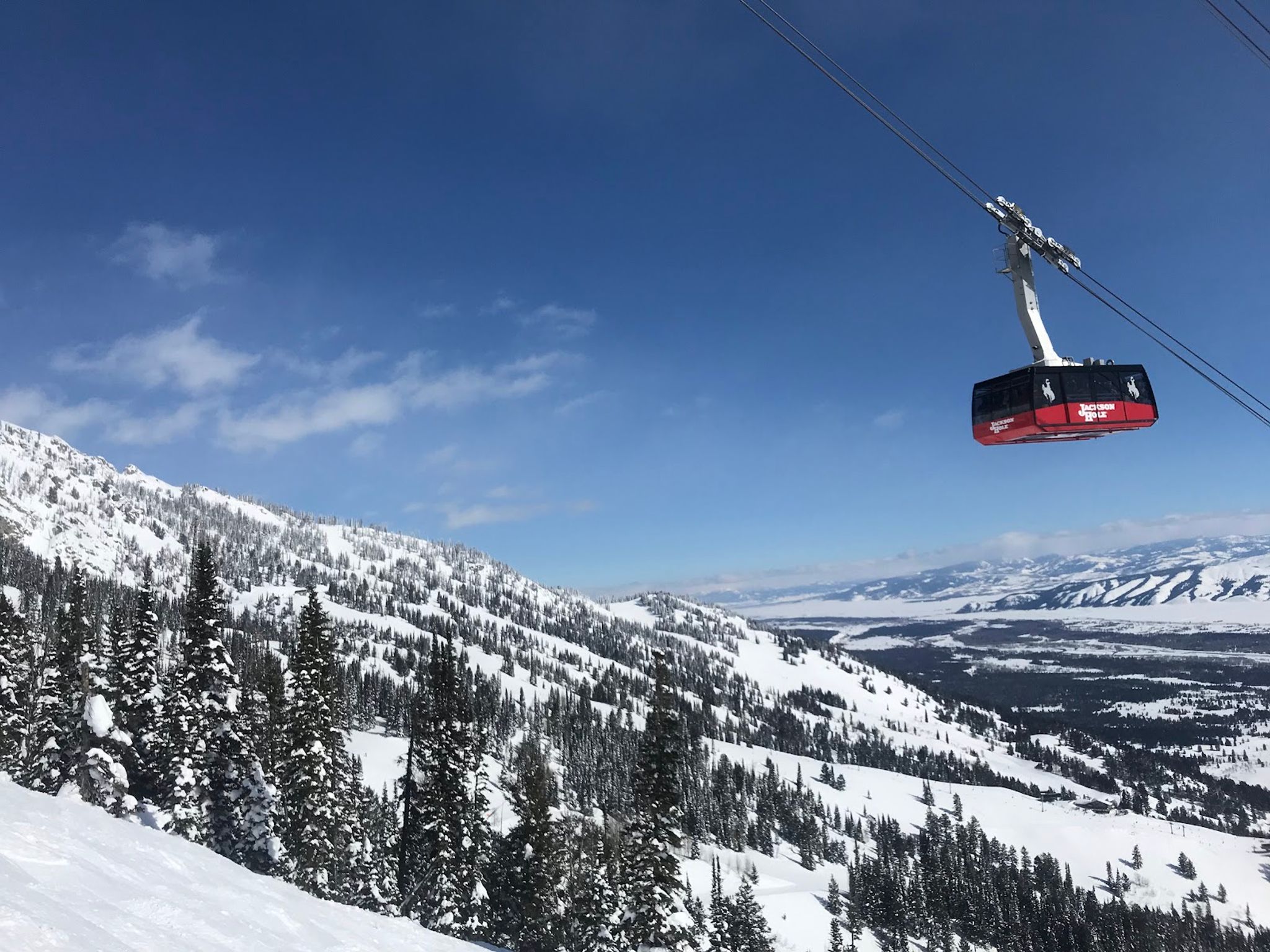
Jackson Hole's reputation rests on the most demanding lift-served terrain in North America. The 116km of marked pistes is small by major-resort standards, but the trail mix is exceptionally serious — 30% advanced, 20% expert. The Aerial Tram from Teton Village to Rendezvous Mountain at 3,185m opens access to terrain that defines the upper end of inbounds skiing in America: Corbet's Couloir, the Hobacks, the Cirque, S&S Couloir. The vertical drop is 1,261m. Snowfall averages 11.6m per season — among the deepest in the Rockies.
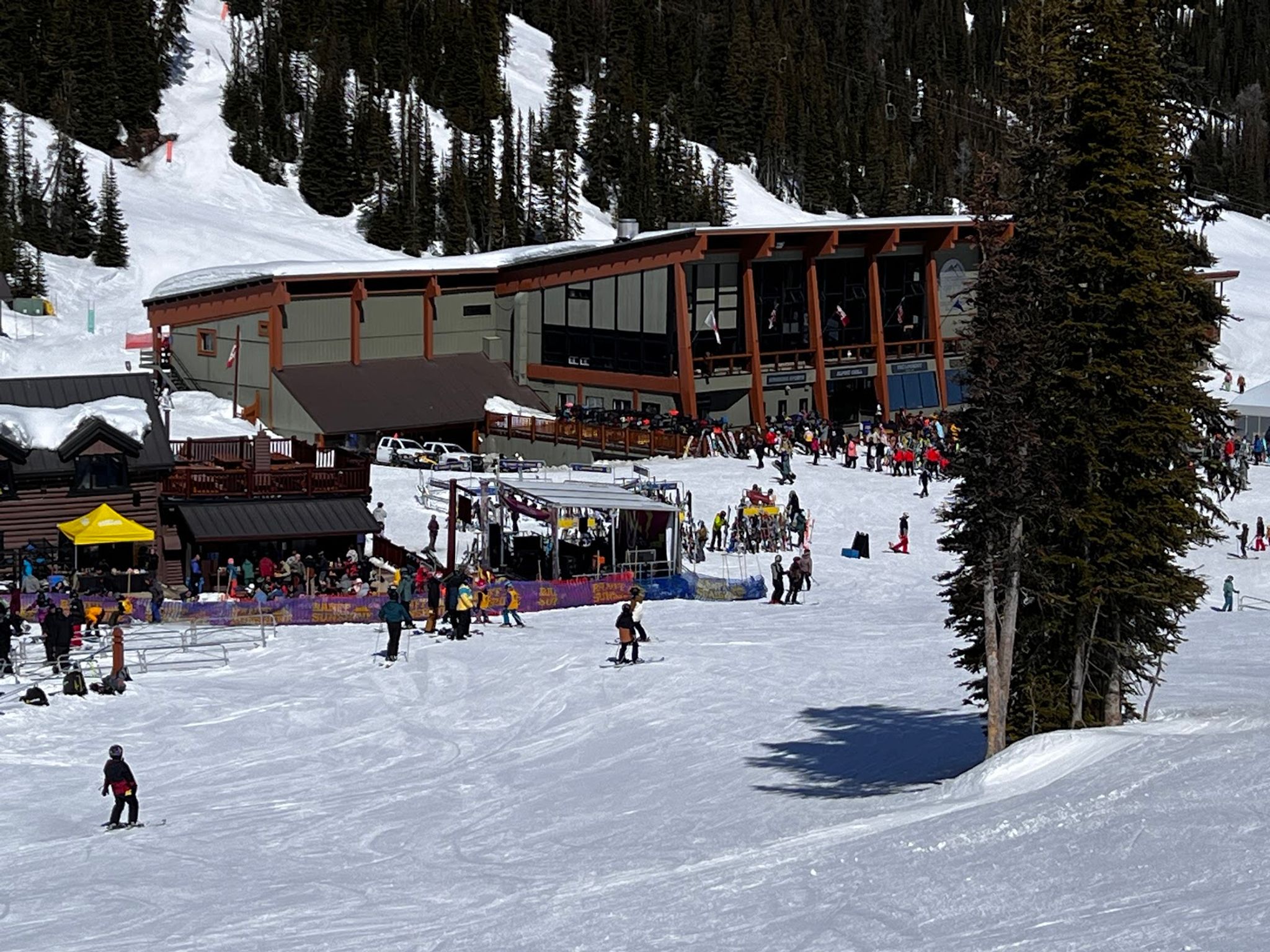
Banff isn't a single resort — it's a region with three ski areas inside Banff National Park (Canada's first, established in 1885). Banff Sunshine offers 3,358 acres at altitude with reliable snow, Lake Louise delivers 4,200 acres of varied terrain on three faces, and Mt Norquay provides night skiing and a quieter alternative. Together the SkiBig3 pass covers 334km of terrain. The highest lift reaches 2,730m, the vertical drop is 991m, and snowfall averages 9m per season.
For the most demanding terrain in a single mountain that defines extreme inbounds skiing, Jackson Hole is in a class of one. For three distinct ski areas inside one of the world's most spectacular national parks, Banff is unmatched.
The Village & Apres-Ski
Both destinations have real towns inside or adjacent to national parks — but the character differs significantly.
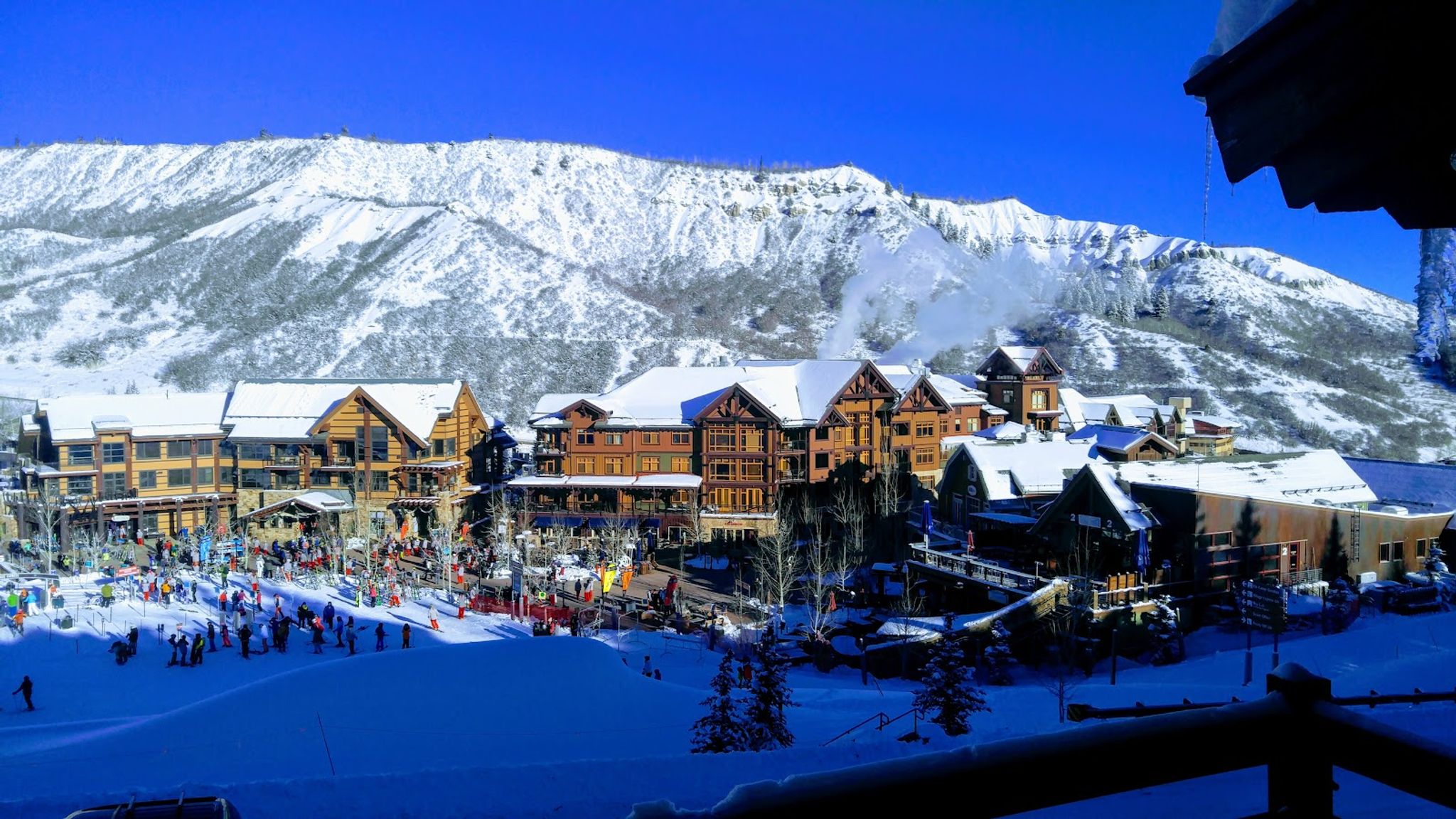
Jackson Hole skiing is based at Teton Village, a relatively compact resort base that sits about 20 minutes from the actual town of Jackson. The resort base is functional and increasingly upscale (the Four Seasons Jackson Hole anchored a major luxury push from the early 2000s), but the genuine cultural and social centre of the area is the town of Jackson itself — a real Western town with the Million Dollar Cowboy Bar, the National Museum of Wildlife Art, and the Town Square's elk antler arches that anchor the Jackson identity.
Banff is a real Canadian town inside a national park — the population is capped by parks legislation, the architecture follows national-park design standards, and the surrounding wilderness shapes the town's identity. The town centres on Banff Avenue with the iconic Cascade Mountain backdrop, and the dining scene is broader than most North American ski towns thanks to Banff's year-round tourist economy. The Fairmont Banff Springs, opened in 1888, anchors a luxury heritage that's distinctively Canadian. The wilderness — wildlife, hot springs, the surrounding peaks — is the genuine emblem of the destination.
For rugged Western character anchored by a real working town, Jackson Hole is unmatched. For a national-park-controlled town with deeper Canadian heritage and broader luxury infrastructure, Banff wins.
Getting There
Both resorts have notable airport options.
Jackson Hole: Jackson Hole Airport is approximately 25 minutes from Teton Village — the only major commercial airport located inside a US national park (Grand Teton National Park). The airport offers seasonal direct service from major hubs including Newark, Chicago, and Atlanta. For private aircraft, Jackson Hole is one of the most accessible major resorts.
Banff: Calgary International Airport is approximately 1h30 by car via the Trans-Canada Highway. Calgary offers direct service from London Heathrow and a strong North American network. The drive into Banff National Park is itself part of the experience.
For commercial flying from international hubs, Banff's Calgary access via direct LHR service is meaningfully easier than Jackson's North American hub-and-spoke routing. For in-resort airport convenience, Jackson Hole has the edge.
When to Visit
Both resorts share the broad North American ski season but with different snow patterns.
Jackson Hole's prime window is January through March, when the deep Teton snowpack is most reliable. The early-season conditions can be variable — Jackson's terrain needs meaningful snowpack to open fully — and the resort closes in early April, earlier than most peer resorts. The mid-winter peak delivers the deepest powder days in the Rockies.
Banff's altitude and northern latitude give it one of North America's longest reliable seasons — typically mid-November through late May. Lake Louise opens early and closes late. The mid-winter window of January through mid-March delivers the best snow conditions. Late season at Banff is exceptional for spring skiing without the crowds of US peer resorts.
For the deepest powder days and most demanding terrain in peak conditions, Jackson Hole is unmatched. For a longer reliable season, Banff's altitude and latitude are decisive.
The Verdict
Both resorts are top-tier choices, but they answer fundamentally different questions.
Choose Jackson Hole if you want: the most demanding inbounds terrain in North America; the deepest Rocky Mountain powder snowfall; a rugged Western town with genuine character; an in-park airport that delivers private and commercial access. Jackson Hole is the resort that defines serious American skiing.
Choose Banff if you want: three distinct ski areas inside Canada's first national park; a longer reliable ski season; the unmatched wilderness setting with a real town anchored by the Fairmont Banff Springs; meaningfully better value than Jackson at most accommodation tiers. Banff is the resort destination where the setting carries the experience.
The shorthand most North American advisors use: Jackson for travellers who care most about the mountain itself, Banff for travellers who want the most spectacular setting and broadest variety in a single trip.
Frequently Asked Questions
Is Jackson Hole or Banff harder to ski?
Jackson Hole, by a meaningful margin. The trail mix at Jackson skews dramatically toward expert terrain (50% advanced/expert combined), and signature runs like Corbet's Couloir define the upper limit of inbounds skiing in America. Banff's three resorts together offer demanding terrain but nothing matches Jackson's tram-served extreme skiing.
Are Jackson Hole and Banff on the same lift pass?
Both are on the Mountain Collective and Ikon Pass networks for limited days. Jackson Hole has its own pass; Banff is covered by the SkiBig3 pass. The Ikon Pass provides limited days at both for travellers wanting to ski multiple Ikon resorts.
Which is closer to a major airport?
Both have notable airport access. Jackson Hole Airport is 25 minutes from Teton Village (in-park airport). Banff is 1h30 from Calgary International. Calgary's direct service from London is a meaningful advantage for UK travellers.
Which has better luxury accommodation?
Both have meaningful luxury portfolios. Banff is anchored by the heritage Fairmont properties (Banff Springs, Chateau Lake Louise) and modern boutique additions. Jackson Hole's luxury includes the Four Seasons Jackson Hole, Amangani, Hotel Jackson, and the Snake River Lodge. Banff's depth and heritage give it the edge for traditional luxury; Jackson's newer luxury delivers a more contemporary experience.
Which is better for non-skiers?
Both are excellent. Banff offers Banff National Park access, the Fairmont Banff Springs spa, the hot springs, and broader cultural infrastructure year-round. Jackson Hole offers Grand Teton National Park access, the National Museum of Wildlife Art, and the genuine Western town experience. For natural park access and wildlife viewing, both are unmatched in North American skiing.