
Quick Answer
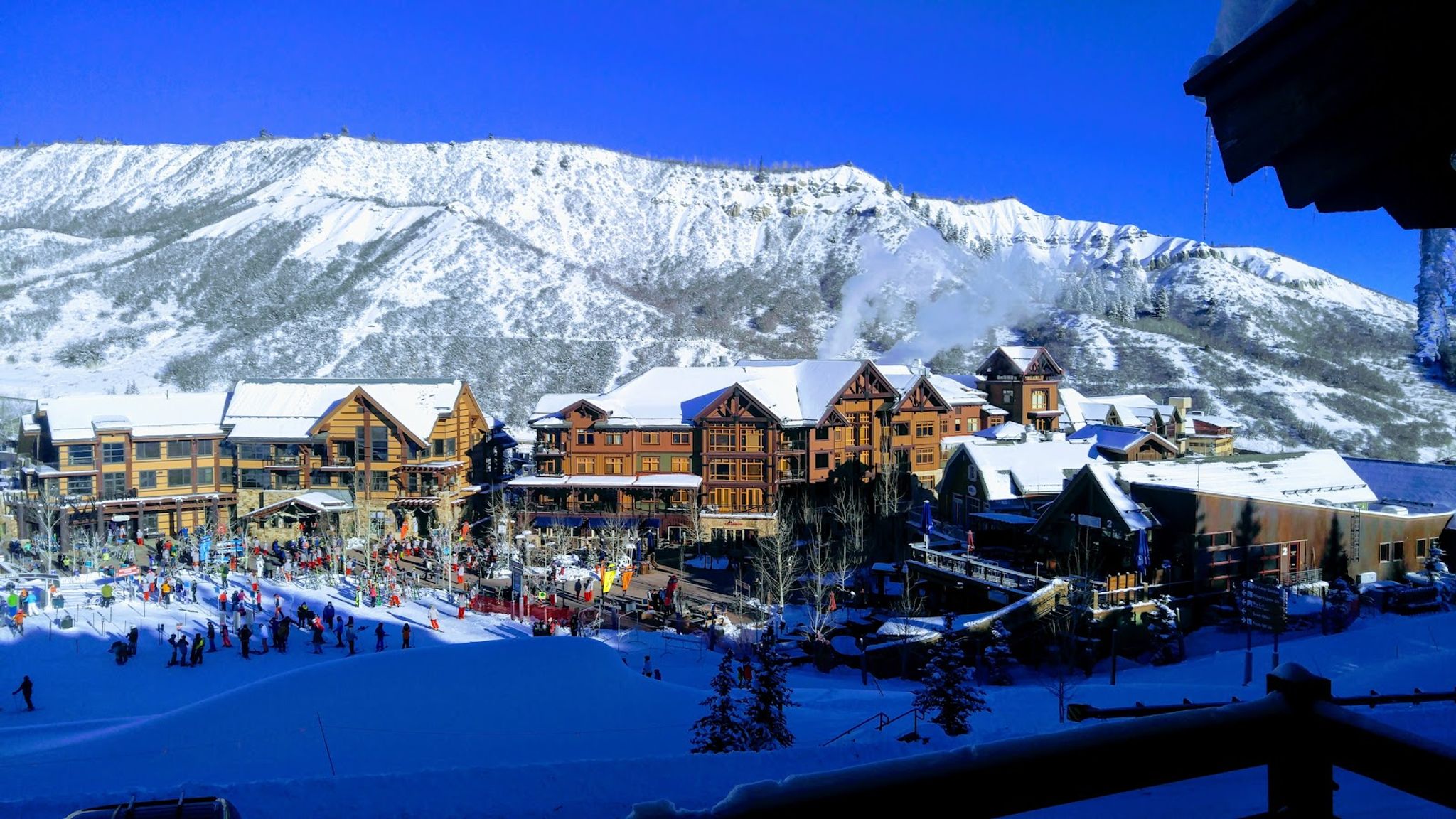
Both are Sierra Nevada resorts averaging around 9 to 10m of snow a season, but they suit different trips. Mammoth has California's highest lift-served peak at 3,369m, a balanced 3,500-acre ski area, long-established terrain parks and seasons that often run from November into June. Palisades Tahoe, formerly Squaw Valley, hosted the 1960 Winter Olympics, is linked with Alpine Meadows and skis steeper overall, notably in the KT-22 sector, beside Lake Tahoe. Pick Mammoth for season length and parks; Palisades Tahoe for steeper terrain, Olympic history and the lake.
The Skiing
Both resorts are California ski destinations, but they sit at different latitudes within the state with meaningfully different terrain characters.
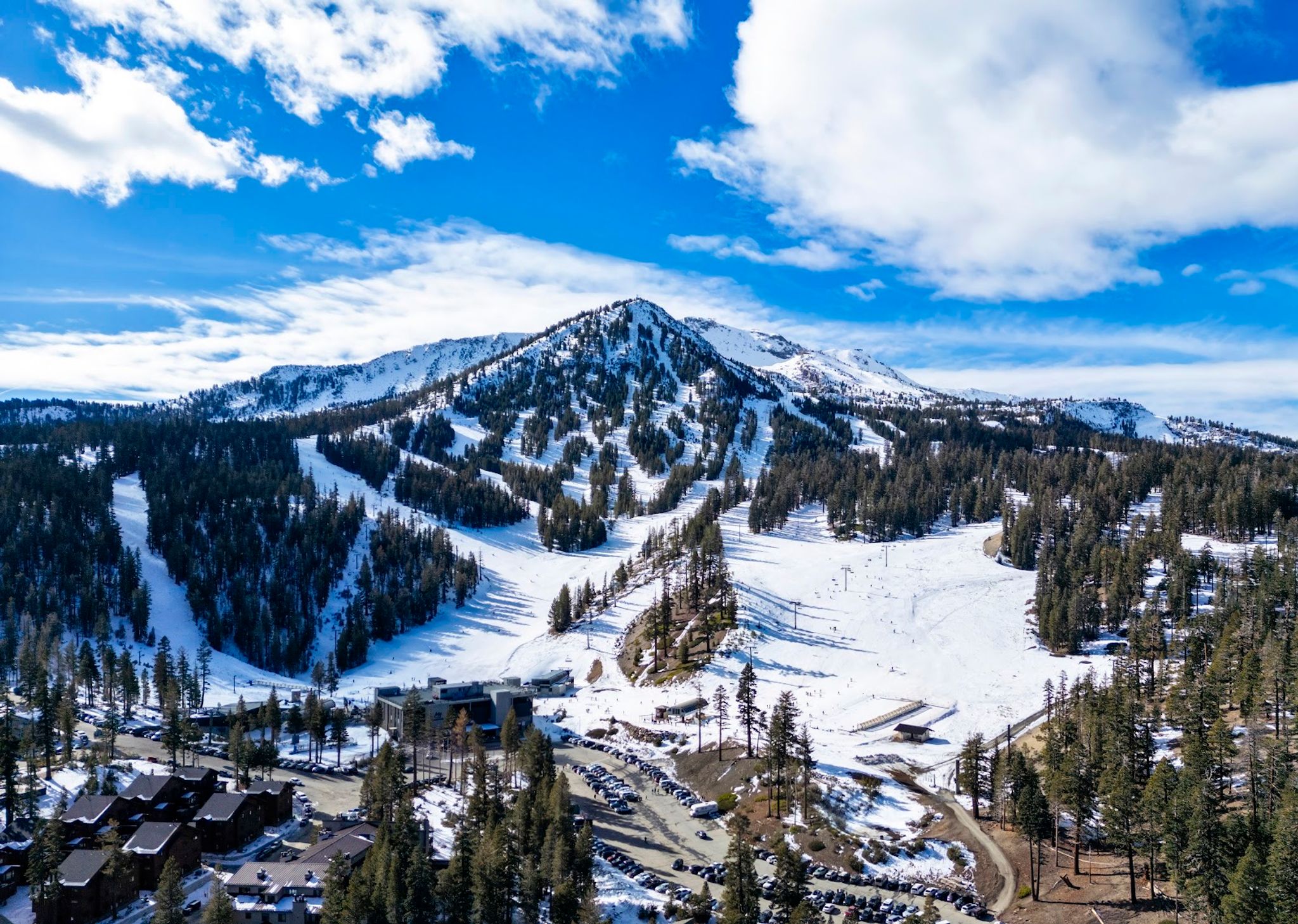
Mammoth Mountain anchors a 3,500-acre ski area on California's highest lift-served peak — the gondola reaches 3,369m. The vertical drop is 945m, the trail mix is genuinely balanced (25 beginner, 40 intermediate, 20 advanced, 15 expert), and snowfall averages 8.9m per season. The mountain is famous for two things: legendary terrain park infrastructure (Mammoth's Unbound parks have been on the global freestyle map for decades) and exceptionally long seasons — the resort frequently operates from November through June, with the latest closing dates of any major US resort.
Palisades Tahoe (renamed in 2021 from Squaw Valley) hosted the 1960 Winter Olympics and remains the most historic ski venue in California. The Base to Base Gondola, opened in 2022, linked the two resorts into a 2,428-hectare combined complex. The highest lift reaches 2,758m, the vertical drop is 868m, and snowfall averages 10m per season. The terrain skews steeper and more advanced than Mammoth's overall, with the KT-22 sector remaining one of the most respected expert lift-served terrains in California.
For the highest skiable terrain in California and the longest season, Mammoth wins. For Olympic heritage, Lake Tahoe views, and a more demanding terrain mix, Palisades Tahoe is the more historically resonant destination.
The Village & Apres-Ski
Both resorts have meaningful villages, but the surrounding settings are very different.
Mammoth Lakes is a year-round mountain town with a permanent population — the largest town in Mono County and a real Eastern Sierra base. The Village at Mammoth is a pedestrian core developed in the early 2000s, with the older town centre and the airport area providing additional dining and lodging. The town's identity blends ski culture with strong summer fishing, hiking, and music festival programming. Apres-ski centres on Mammoth Brewing Company, Toomey's, and the Yodler Pub.
Palisades Tahoe sits in Olympic Valley, on Lake Tahoe's North Shore. The Village at Palisades Tahoe is a compact pedestrian centre at the resort base, but the broader Lake Tahoe destination — North Lake Tahoe specifically — is the real cultural context. Truckee, Tahoe City, and the lakefront communities provide deeper dining, retail, and cultural infrastructure than Mammoth's standalone town. The lake itself is the emblem and the year-round draw.
For a self-contained mountain-town experience with deep summer programming, Mammoth is unmatched. For Lake Tahoe's broader destination context with the Olympic legacy, Palisades Tahoe is the more iconic California resort.
Getting There
Both resorts have practical airport options but with different scales.
Mammoth: Mammoth Yosemite Airport is around 15 minutes from town, with seasonal semi-private Advanced Air flights from Hawthorne and Carlsbad in Southern California; United's commercial flights land at Bishop, 45 miles south. Reno-Tahoe International is approximately 2h30 by car. The combination of in-town airport service and a long winter season makes Mammoth more accessible than its remote location suggests.
Palisades Tahoe: Reno-Tahoe International Airport is approximately 50 minutes by car. Sacramento International is approximately 2 hours. The Reno airport is the more practical option for most travellers and offers strong direct service from major US hubs.
Mammoth's in-town airport is more convenient than Palisades' Reno transfer for travellers from served hubs. For broader connectivity, Reno-Tahoe is the better airport.
When to Visit
Both resorts share California's Sierra Nevada season but with different windows.
Mammoth's altitude and famously long season give it a unique calendar — the resort can open in early November and stay open through June or even July in strong years. The mid-winter window of January through March delivers the most snow and the heaviest crowds. April and May offer exceptional spring skiing with light crowds. The summer skiing experience is unique among major US resorts.
Palisades Tahoe's prime window is January through mid-March, with the season typically running from mid-November through May depending on conditions. President's Day weekend is the busiest period. Late season delivers strong spring skiing with the Lake Tahoe backdrop at its most beautiful.
For the longest season and reliable late-spring or early-summer skiing, Mammoth is unmatched. For peak season at a lake-anchored resort, Palisades Tahoe delivers a distinctive California experience.
The Verdict
Both resorts are top-tier California choices, but they answer different questions.
Choose Mammoth if you want: California's highest skiable terrain with the longest reliable season; world-class terrain park infrastructure; a real year-round mountain town in the Eastern Sierra; seasonal flights from Southern California into its own airport. Mammoth is the resort that delivers the longest, most consistent California ski experience.
Choose Palisades Tahoe if you want: Olympic heritage at the 1960 Winter Games site; the unmatched Lake Tahoe setting and broader destination context; demanding lift-served terrain in the KT-22 sector; the combined Palisades-Alpine Meadows complex on a single pass. Palisades Tahoe is the resort that delivers the most historically resonant and visually iconic California experience.
The shorthand most California advisors use: Mammoth for travellers who prioritise season length and terrain park culture, Palisades Tahoe for travellers who want the lake setting and Olympic legacy.
Frequently Asked Questions
Are Mammoth and Palisades Tahoe on the same lift pass?
Both resorts are owned by Alterra Mountain Company and both are on the Ikon Pass — making the Ikon Pass an excellent choice for skiing both California destinations on a single pass. Each also offers its own resort-specific season passes.
Which has more snow?
Both average around 9 to 10m per season. Pacific moisture and the Sierra Nevada deliver consistent snowfall to both. Mammoth's altitude gives it a longer season at the top end, while Palisades Tahoe's lake-effect amplifies certain storm systems.
Which is better for terrain parks?
Mammoth, comfortably. The Unbound parks have been a fixture of the freestyle scene for decades, and Mammoth has hosted the U.S. Grand Prix, an Olympic qualifier, many times. Palisades Tahoe has good park infrastructure but Mammoth's depth and ambition is in a different category.
Which is closer to Los Angeles?
Mammoth, by a meaningful margin. Mammoth is approximately 5 hours by car from Los Angeles via Highway 395; Palisades Tahoe is approximately 8 hours. Mammoth's seasonal flights from Hawthorne, near LAX, make it dramatically more accessible from Southern California for short trips.
Which has better luxury accommodation?
Both resorts have meaningful but limited luxury accommodation portfolios. The Westin Monache Resort and Juniper Springs Resort anchor Mammoth's higher tier; Everline Resort & Spa (formerly the Resort at Squaw Creek) anchors Palisades Tahoe. Neither resort matches the luxury depth of Aspen, Vail, or Park City — both are genuine ski destinations rather than luxury enclaves.