
The Skiing
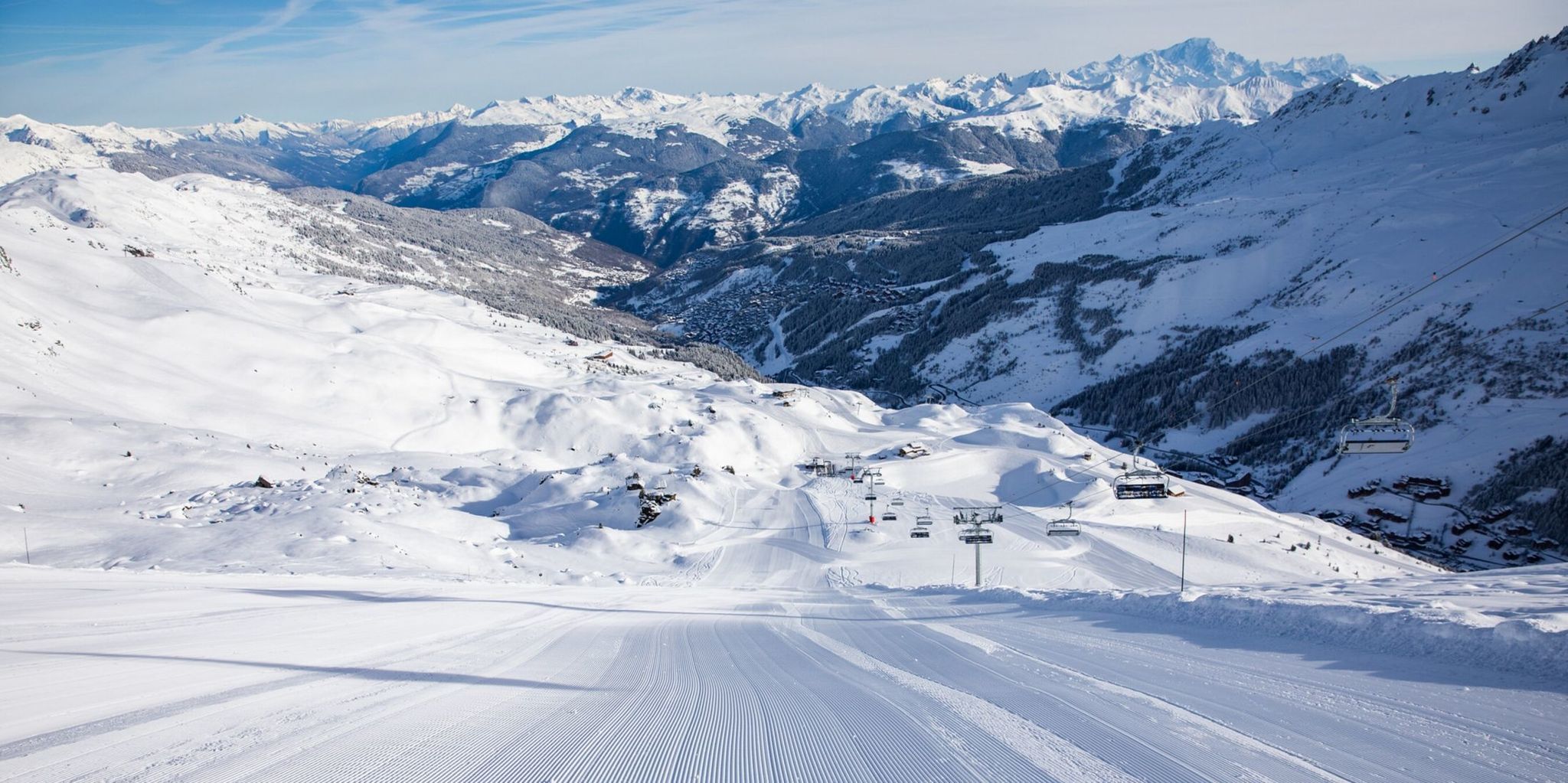
Both resorts sit within the Three Valleys — the largest linked ski area in the world — but their positions within it produce very different skiing days.
Meribel occupies the central valley, which is its defining advantage. From the village, you can ski west to Courchevel, east to Les Menuires and Val Thorens, or stay in Meribel's own 150km domain. The local terrain is strongest for intermediates — long, varied reds through the trees above Mottaret, with the Saulire summit (2,738m) offering steeper options. The Olympic women's downhill course from the 1992 Games adds genuine challenge. For mixed-ability groups, Meribel's hub position means everyone can find terrain that suits them without long traverses.
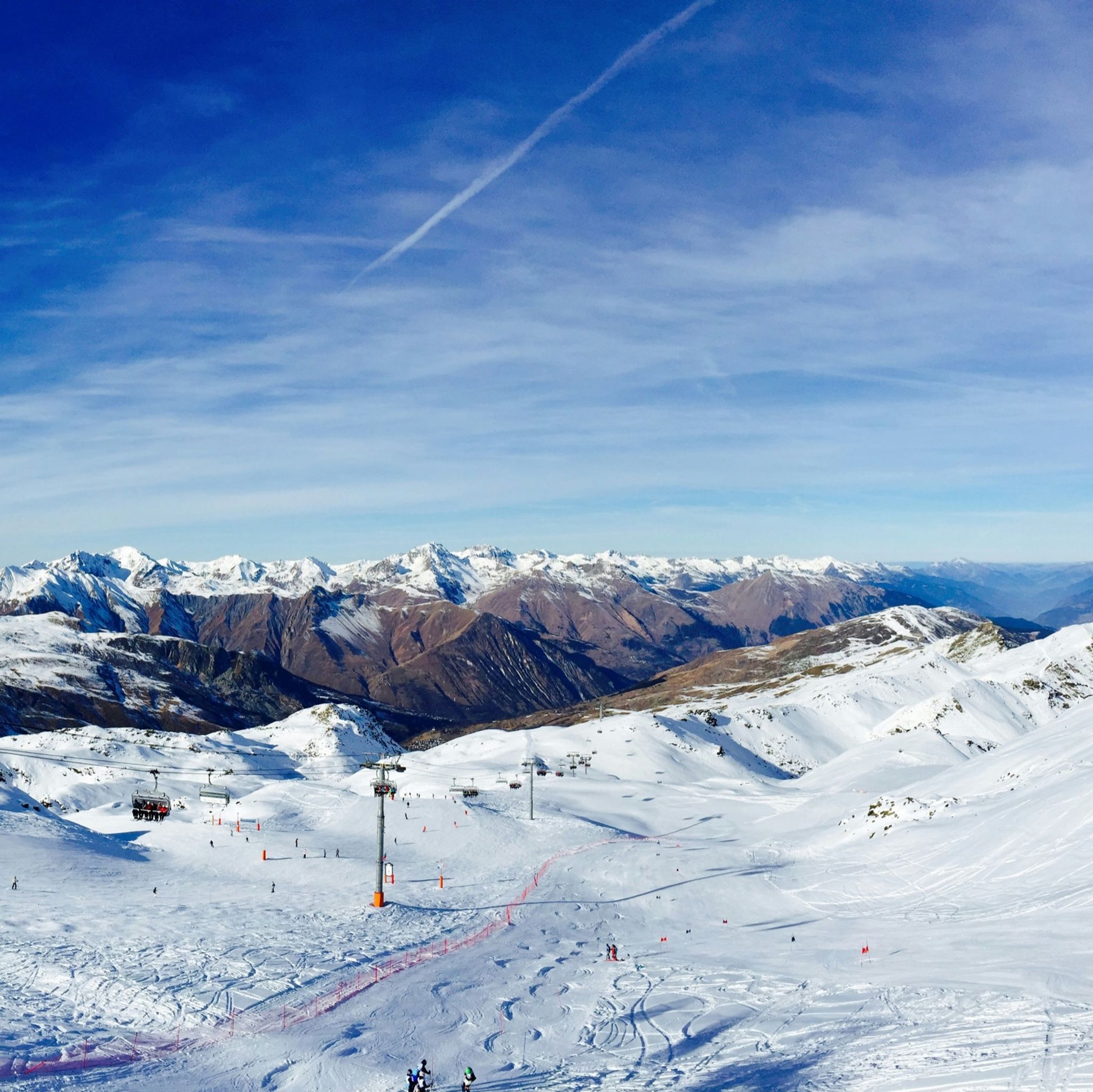
Val Thorens sits at the head of the Belleville valley at 2,300m — the highest resort in Europe. The skiing is characterised by wide, open bowls above the treeline, with the Cime de Caron (3,230m) providing the system's most dramatic summit panorama and some of its most demanding descents. The local terrain is excellent for intermediates and advanced skiers alike: long, fast reds off the Peclet glacier, genuine black runs down from Cime de Caron, and off-piste couloirs that attract serious freeriders. The high-altitude terrain means snow conditions are consistently better here than anywhere else in the Three Valleys.
The trade-off is straightforward. Meribel gives you central access to everything — the ideal base for exploring all 600km. Val Thorens gives you the best snow and the most consistently skiable home terrain, though reaching Courchevel from here involves a longer journey across the system.
The Village & Apres-Ski
This is where the two resorts diverge most sharply, and for many visitors, it is the deciding factor.
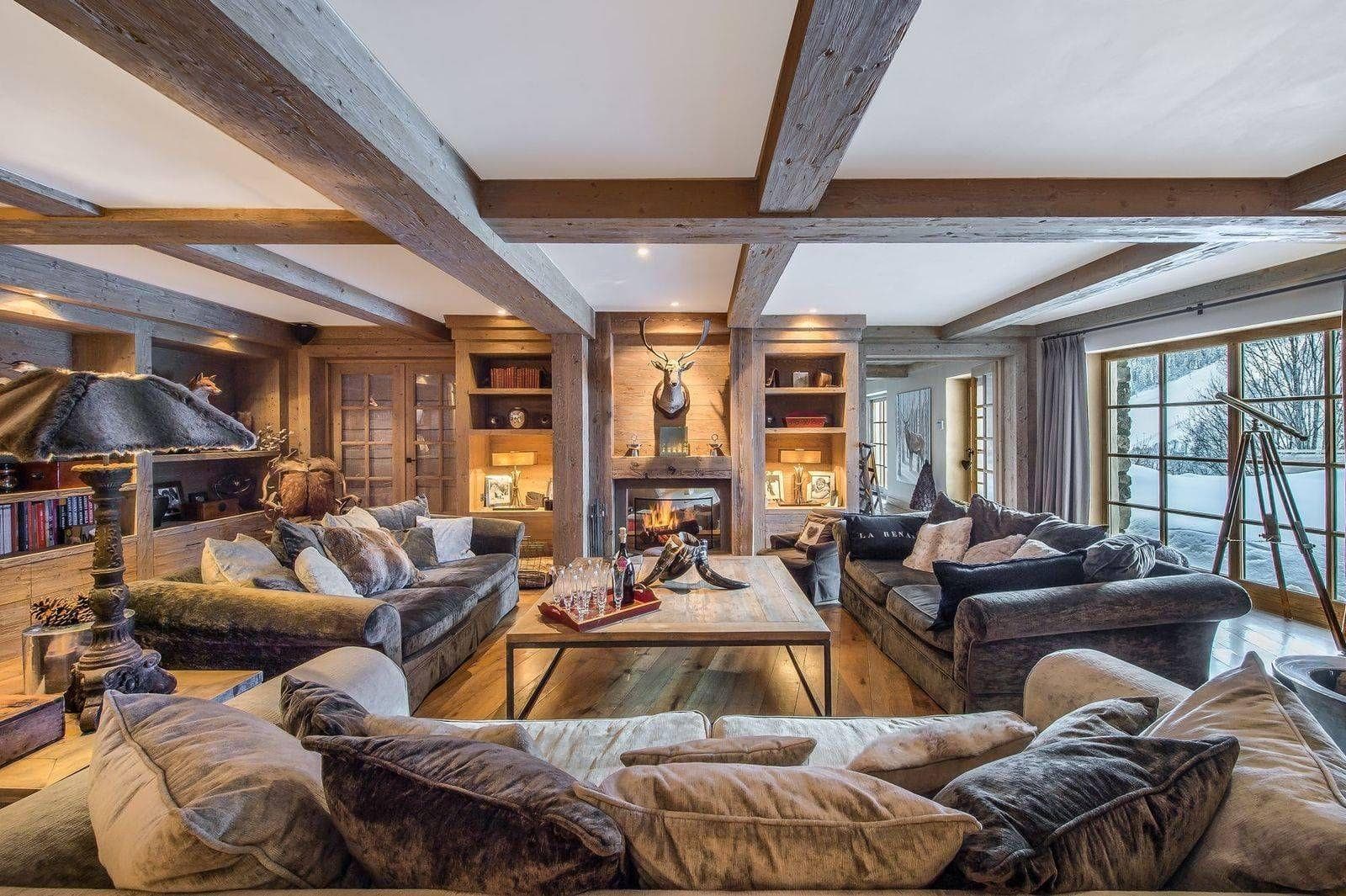
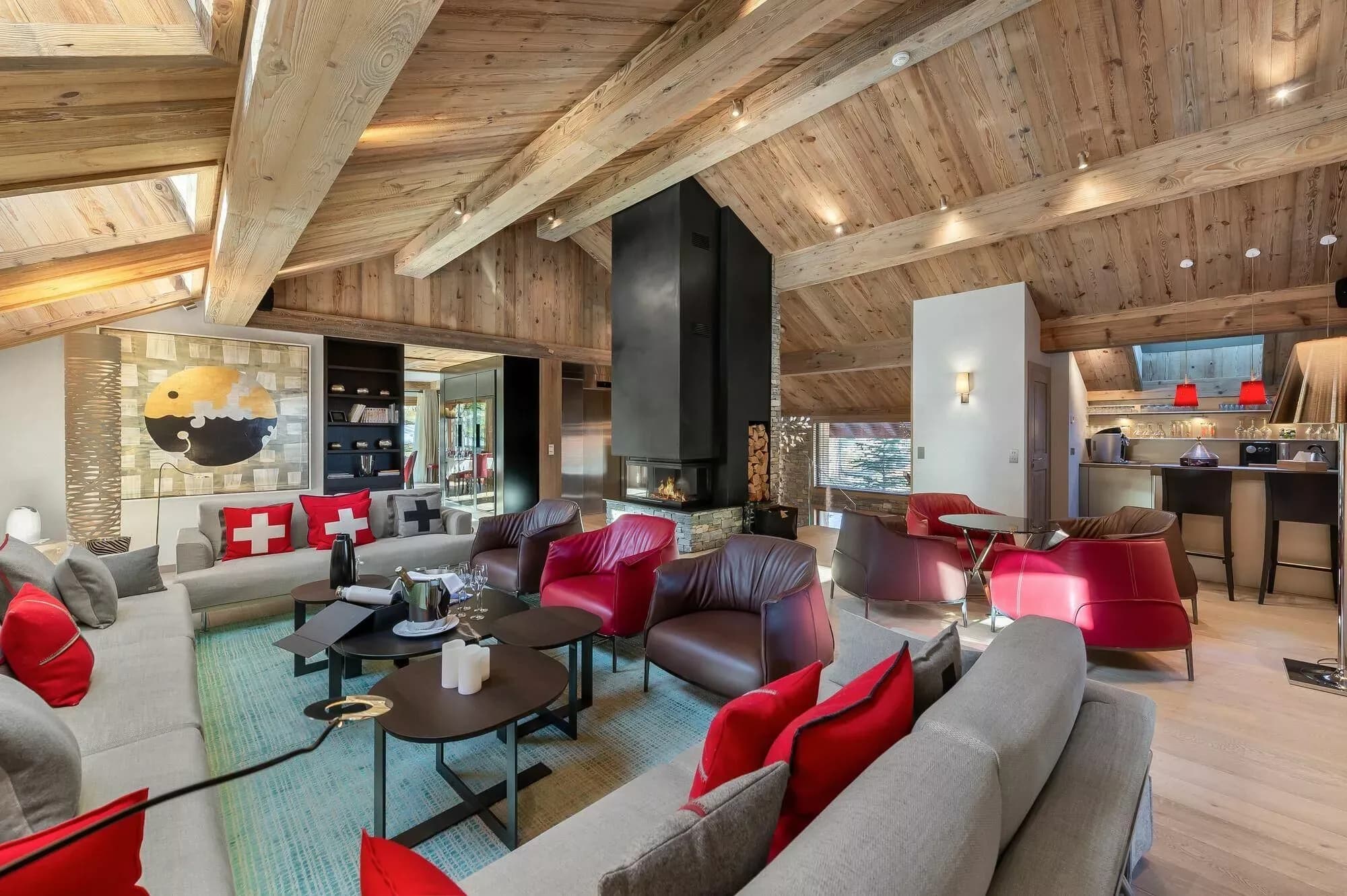
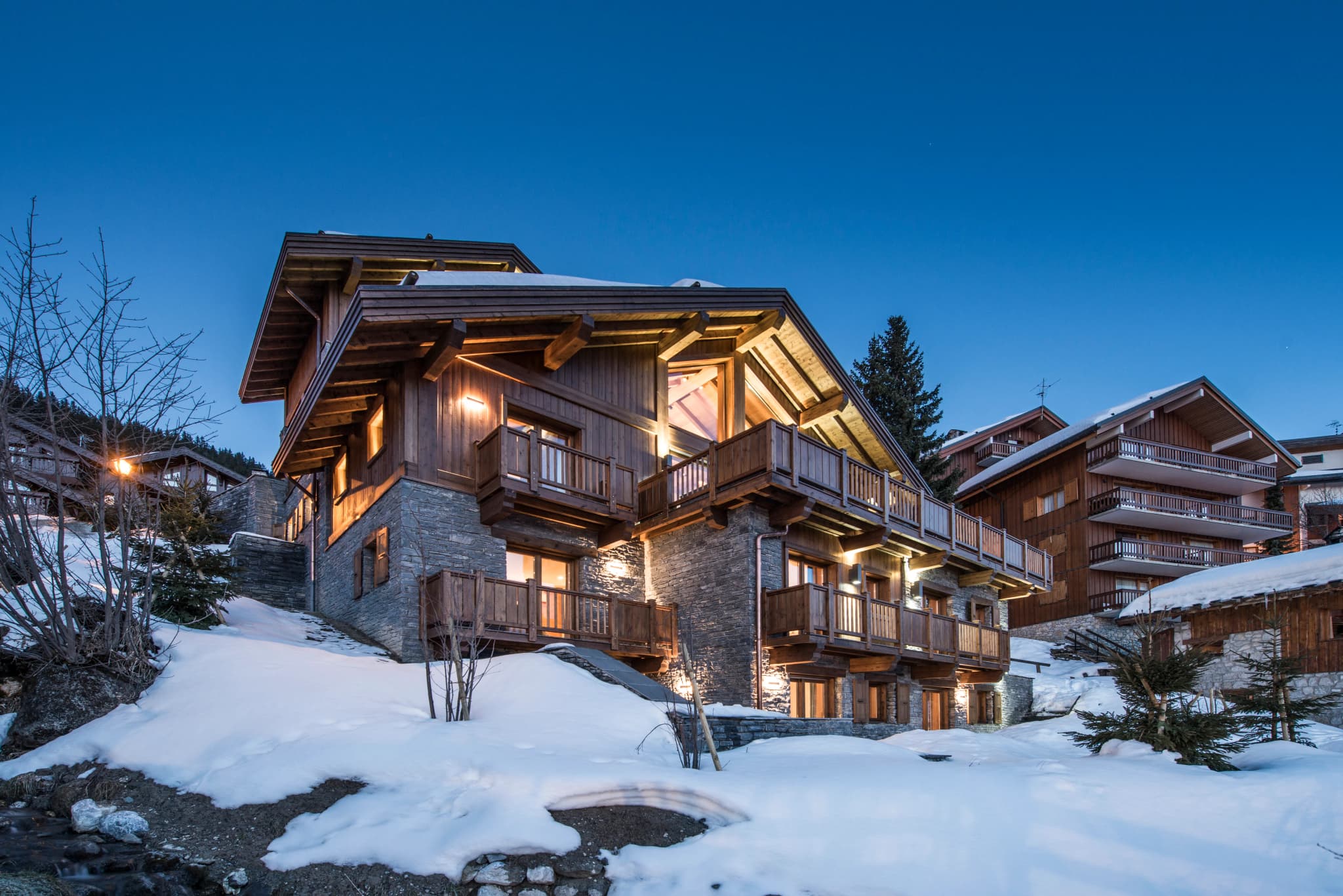
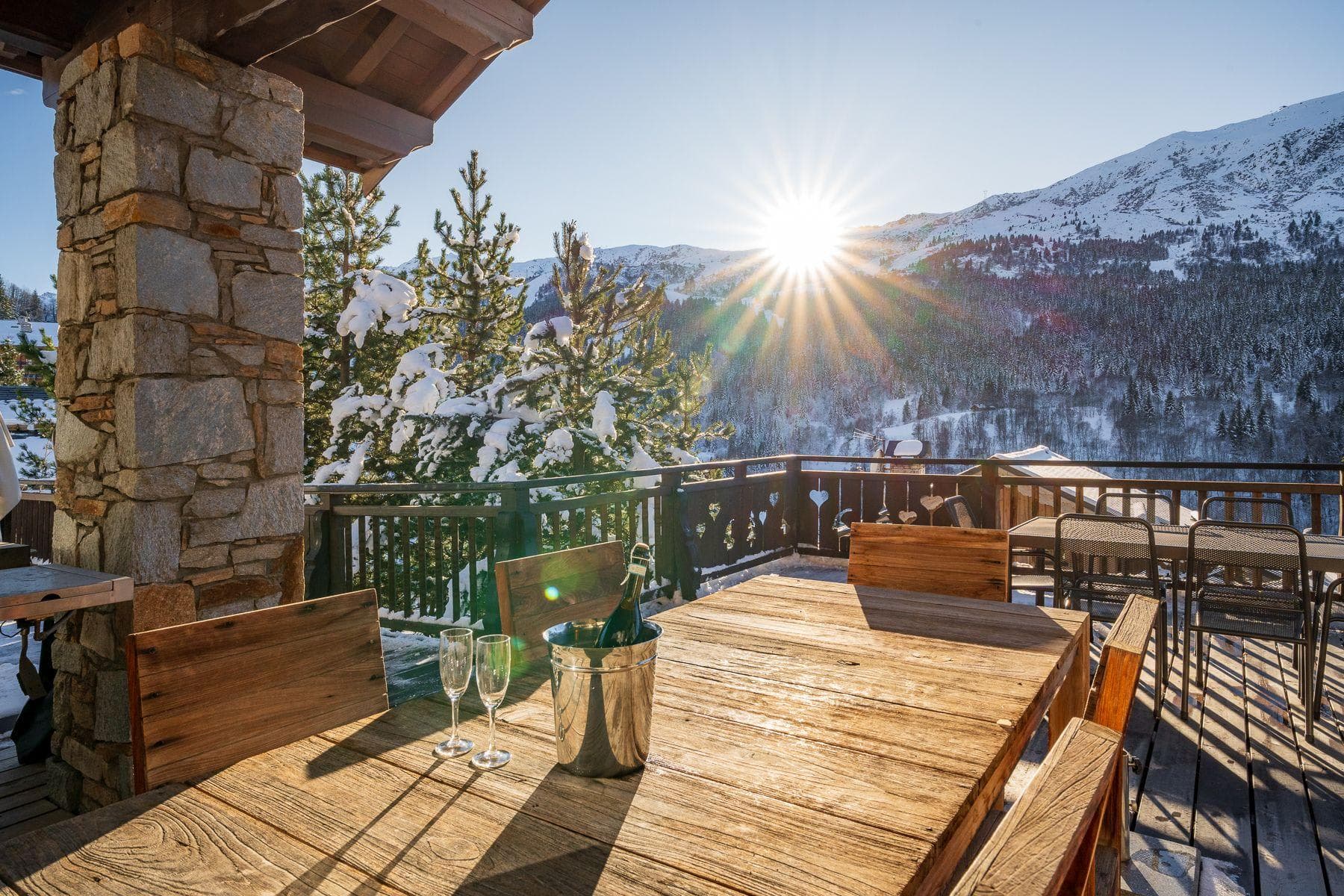
Meribel was developed in the 1930s under a planning rule that required all buildings to use local stone and timber. The result is the most attractive purpose-built resort in the French Alps — warm, chalet-style architecture winding along a valley road through the trees. The village operates on two levels: Meribel Centre (1,450m) has the shops, restaurants, and social life; Mottaret (1,750m) above is quieter but offers better ski-in/ski-out access. The atmosphere is convivial and distinctly British-influenced — catered chalets are a local specialty, and the resort has been a favourite of British families for decades. Apres-ski is pleasant rather than riotous: the Rond Point remains the iconic on-mountain stop, and the growing collection of wine bars in the centre makes for agreeable evenings. Luxury chalets in Meribel run large, staffed, and well-suited to multi-family groups.
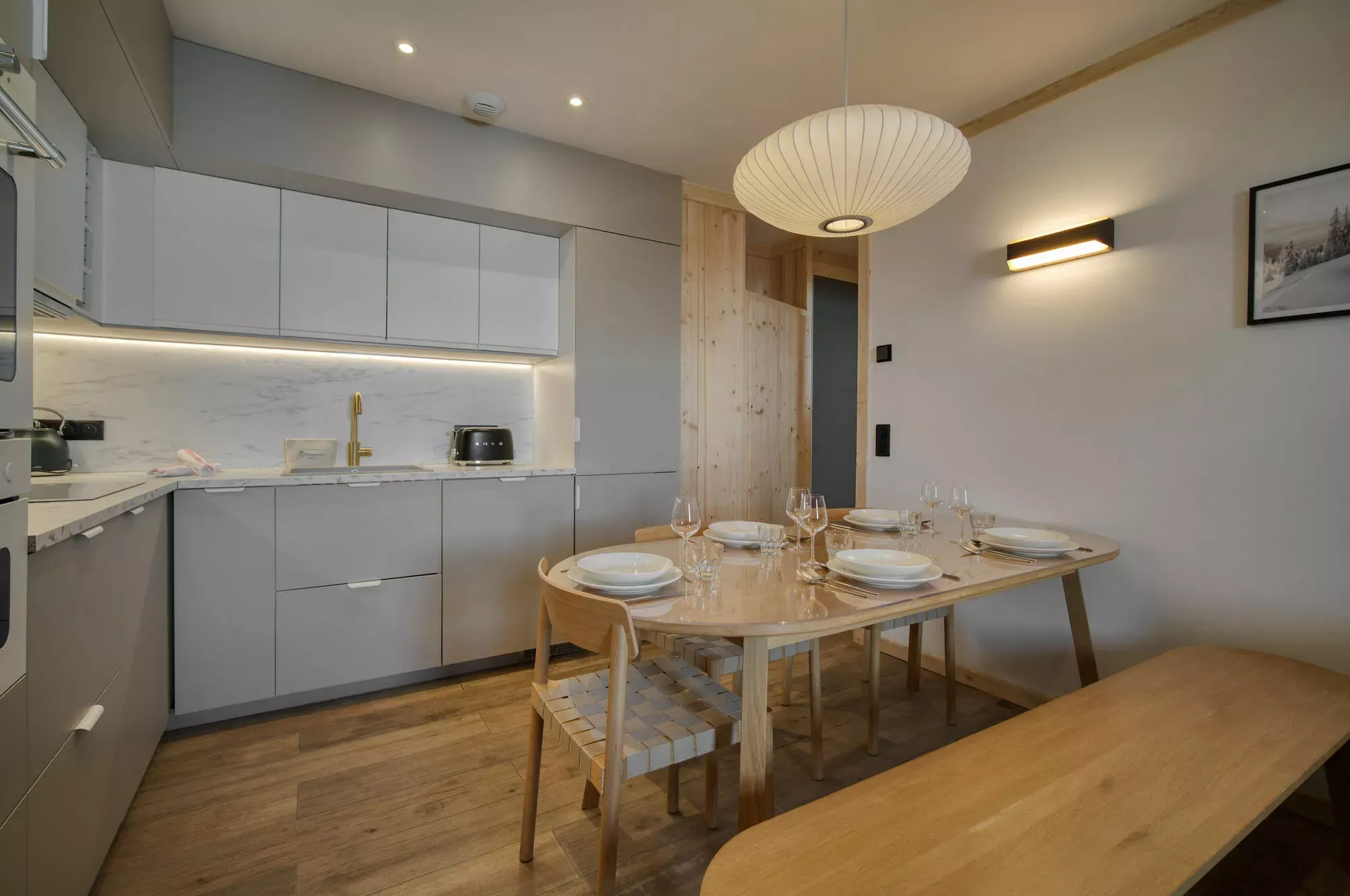
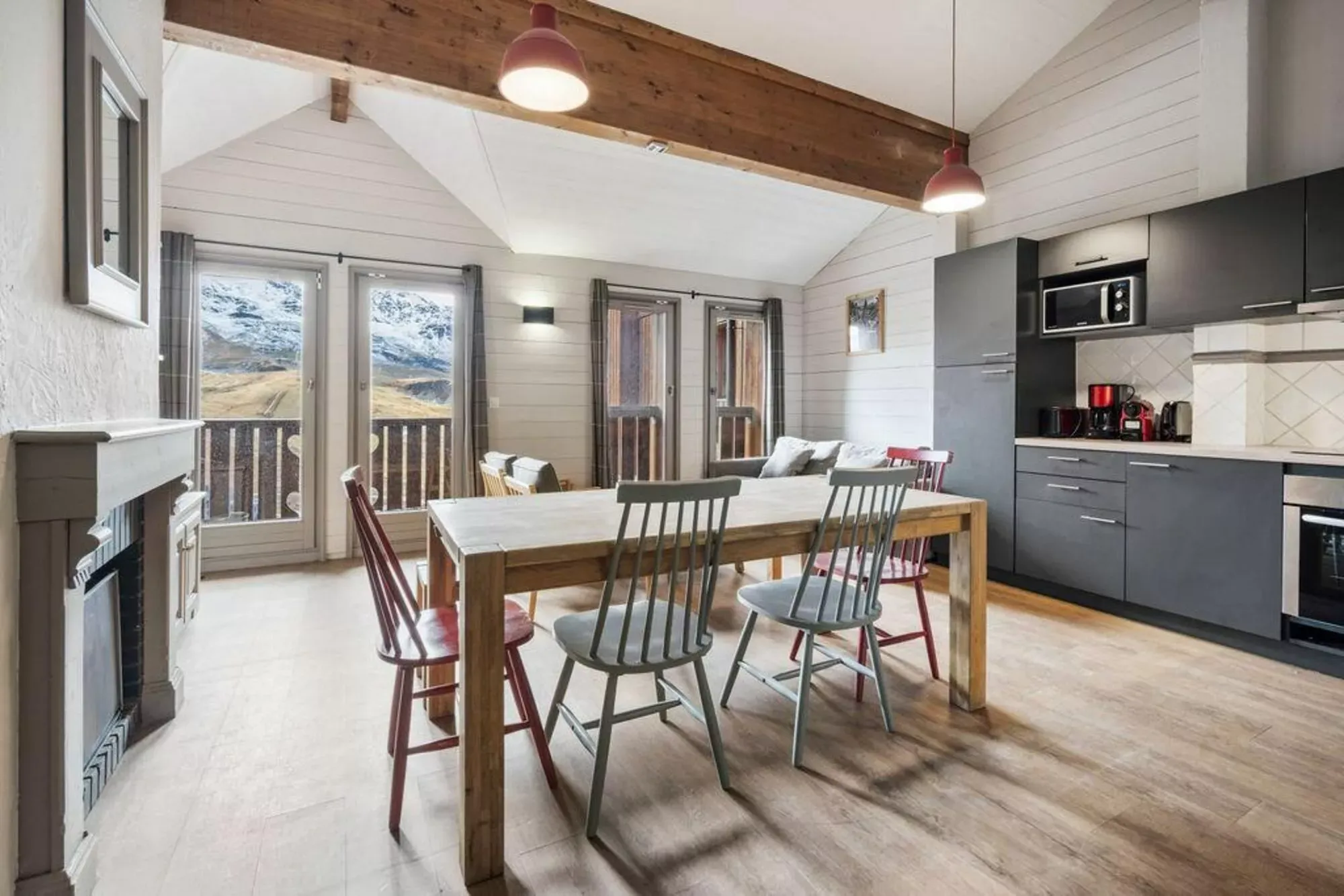
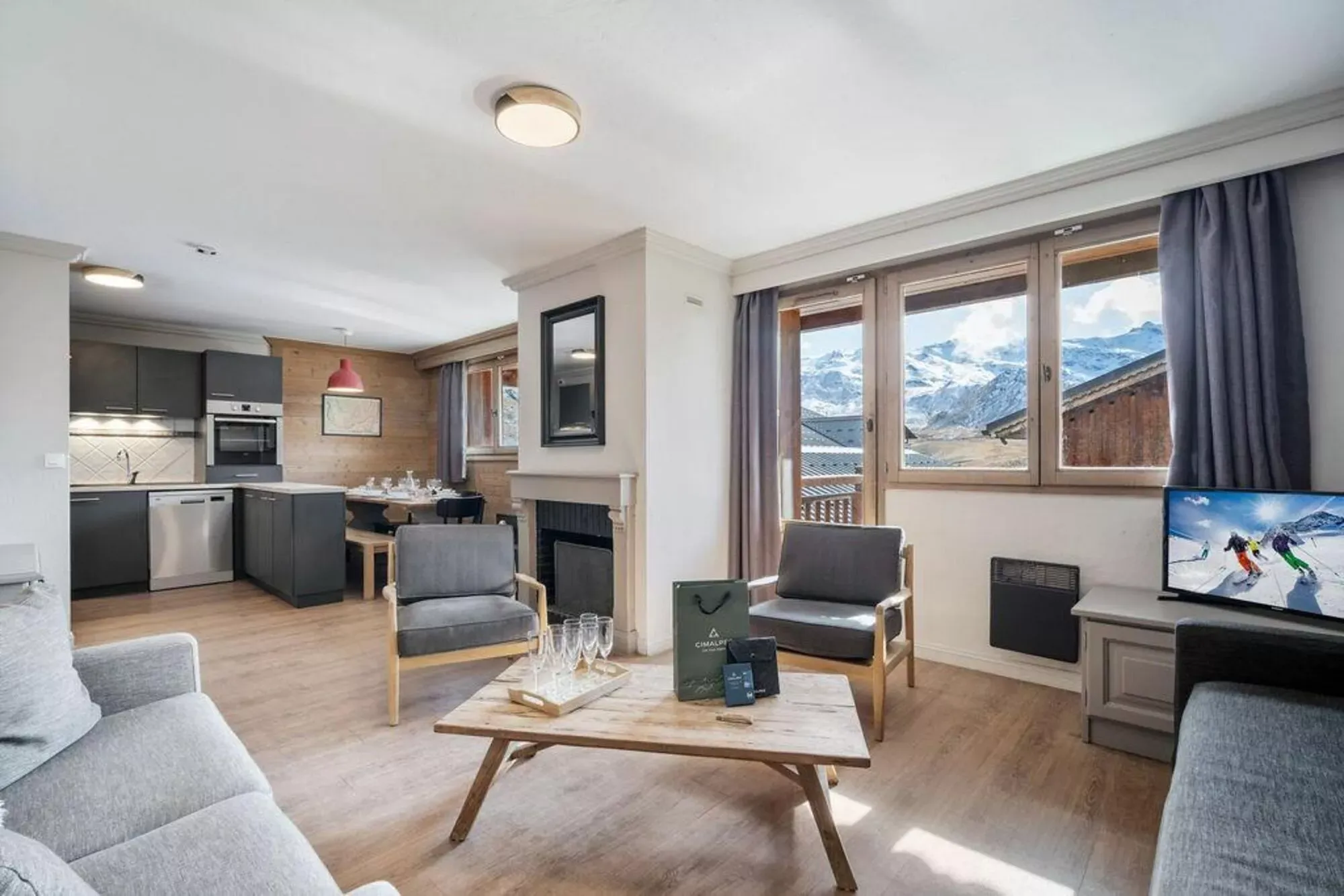
Val Thorens is purpose-built 1970s architecture at high altitude — functional, compact, and gradually improving. Recent developments have softened the edges, but nobody visits Val Thorens for the streetscape. What the village lacks in charm, it compensates for in energy. This is the Three Valleys' party base: La Folie Douce on the mountain starts the chaos from mid-afternoon with live music and dancing in ski boots, and the Malaysia bar in the village picks up seamlessly from there. The compact layout means you are never more than a few minutes' walk from everything — a genuine advantage after a long day at altitude. Dining has improved considerably, and the resort's younger, sportier crowd gives the place an infectious enthusiasm. Accommodation leans toward apartments and aparthotels rather than traditional chalets.
If you want warmth, beauty, and a village you enjoy simply being in, Meribel is the clear choice. If you want a compact, high-energy base where the skiing and the nightlife share the same relentless pace, Val Thorens delivers.
Getting There
Both resorts are in the Tarentaise valley in Savoie, but Val Thorens sits higher and deeper into the mountains, which adds meaningful transfer time.
Meribel: Chambery airport is the closest option at around 1 hour 45 minutes. Geneva is viable at approximately 2 hours 30 minutes. The drive from the valley floor at Moutiers takes about 30 minutes on a well-maintained road. Moutiers has a train station with TGV connections from Paris (under 5 hours), making Meribel one of the more accessible high-altitude French resorts by rail.
Val Thorens: Chambery takes around 2 hours 15 minutes; Geneva approximately 3 hours. The transfer from Moutiers is longer than Meribel's — roughly 45 minutes to an hour — because you must pass through Les Menuires and continue climbing to 2,300m. This is the longest transfer of any Three Valleys resort, and in heavy snowfall the final road can slow further. Budget an additional 30-45 minutes compared to Meribel from any starting point.
For groups arriving on Saturday changeover days, when the Tarentaise valley is at its busiest, Meribel's shorter transfer is a tangible advantage.
When to Visit
Snow reliability is perhaps the single strongest argument in Val Thorens' favour, and it shapes the ideal visiting windows for each resort.
Meribel's village at 1,450m is the lowest major base in the Three Valleys. In a good snow year, coverage at resort level is excellent from mid-December through mid-April. In a lean year, the lower slopes can suffer — particularly early December and late April. The sweet spot is January through mid-March. February half-term is extremely busy (and expensive) given Meribel's popularity with British families.
Val Thorens at 2,300m has the most reliable snow of any major French resort. The season typically runs late November to early May, and village-level coverage is almost always deep. Late season — March through April — is arguably Val Thorens at its very best: warm sunshine, spring snow that stays firm at altitude, and thinner crowds once the school holidays end. For skiers worried about conditions, Val Thorens is the safest bet in the Alps.
Both resorts share Three Valleys access, so on any given day you can chase the best conditions across the system. But if you are booking months ahead and want the highest probability of good snow, Val Thorens offers a measurably wider window.
The Verdict
This is a comparison between two fundamentally different philosophies of a ski holiday, and both deliver an outstanding week within the same ski area.
Choose Meribel if you want: the prettiest village in the Three Valleys; central hub access to all 600km of linked pistes; a deep culture of catered chalets suited to families and groups; tree-lined skiing that feels sheltered and varied; a convivial, relaxed atmosphere where the village itself is part of the pleasure. Meribel is the resort that makes everyone in the group happy — beginners, intermediates, teenagers, grandparents — and that ability to please a mixed party is not a trivial thing.
Choose Val Thorens if you want: guaranteed snow from November to May; wide-open, above-treeline skiing with genuine altitude; the most energetic apres-ski in the Three Valleys; a compact, car-free base where everything is on your doorstep; a younger, sportier crowd that matches your pace. Val Thorens is the resort for skiers who prioritise conditions and kilometres over village aesthetics — and who want the evenings to match the intensity of the days.
The honest answer: they are 20 minutes apart on skis. Many Three Valleys regulars base themselves in Meribel and ski Val Thorens on the big snow days — or stay in Val Thorens and enjoy the fact that the entire system is beneath them. Either way, you are skiing in the best-connected resort area in the world.
Frequently Asked Questions
Is Meribel or Val Thorens better for beginners?
Meribel is the stronger choice for beginners. The Altiport nursery area above the centre is gentle and sheltered, and the progression to easy blues through the trees is natural and well-signposted. Val Thorens has a dedicated beginner zone near the village, but the exposed, above-treeline terrain can be intimidating for first-timers — high winds and flat light at 2,300m are more common than at Meribel's lower, tree-protected slopes.
Which resort has better snow — Meribel or Val Thorens?
Val Thorens, comfortably. Its village sits at 2,300m — 850m higher than Meribel Centre — and its skiing reaches 3,230m on the Cime de Caron. Snow falls more frequently, lies deeper, and lasts longer at this altitude. Meribel's lower slopes can thin out in warm spells, though the resort compensates with extensive snowmaking and access to Val Thorens via the Three Valleys link. If snow reliability is your primary concern, Val Thorens is the strongest option in the French Alps.
Can you ski between Meribel and Val Thorens?
Yes. Both resorts are part of the Three Valleys, and you can ski from one to the other and back in a single day. The connection runs through Les Menuires via a series of lifts and pistes. From Meribel, reaching Val Thorens takes roughly 45 minutes to an hour of relaxed skiing. A single Three Valleys lift pass covers both resorts and the entire linked area.
Is Val Thorens good for families?
Val Thorens can work for families, but Meribel is generally the better fit. Val Thorens' compact, car-free village is convenient, and the Funland area provides decent beginner terrain. However, the purpose-built architecture lacks the warmth of Meribel, accommodation is predominantly apartments rather than family-friendly catered chalets, and the resort's nightlife-oriented culture skews younger. Families who prioritise snow conditions above all else will be well served, but those seeking a comfortable, characterful base will prefer Meribel.
Which Three Valleys resort should I choose for a first visit?
For a first visit to the Three Valleys, Meribel is the most logical base. Its central position gives you the easiest access to the full ski area — you can ski to Courchevel, Les Menuires, and Val Thorens without long traverses. The village is welcoming, the chalet infrastructure is excellent, and the terrain around Meribel itself suits most ability levels. Once you know the system, you can make an informed choice about whether Val Thorens' altitude or Courchevel's luxury better suits your next trip.