The Skiing
These are two of Utah's premier resorts, and although they sit only minutes apart, the skiing experience is structurally different.
Park City is the largest lift-served ski resort in the United States — 250km of terrain across two combined mountains since the 2015 merger of Park City Mountain Resort and Canyons Resort linked them with the Quicksilver Gondola. The highest lift reaches 3,049m, the vertical drop is 946m, and the terrain is genuinely varied: 28 beginner runs, 146 intermediate, 115 advanced, and 59 expert. Park City sits on the Epic Pass.
Deer Valley is meaningfully smaller — 103km of terrain — but the experience inside that footprint is highly polished. The mountain is famously skiers-only (no snowboards permitted), the grooming standard is among the highest in North America, and the operation is deliberately designed around service: ski valets, bag handlers at the gondola, and a daily lift cap that prevents the over-crowding common at larger resorts. The trail mix favours intermediates strongly. Deer Valley has been ranked America's number-one luxury ski experience by readers of multiple travel magazines for over a decade. The 2024-25 expansion added approximately 3,700 acres of new terrain, significantly increasing scale.
For pure scale, terrain variety, and snowboarders, Park City wins. For grooming, service, and a polished skiers-only experience, Deer Valley is unmatched.
The Village & Apres-Ski
This is where the two resorts make their distinct cases.
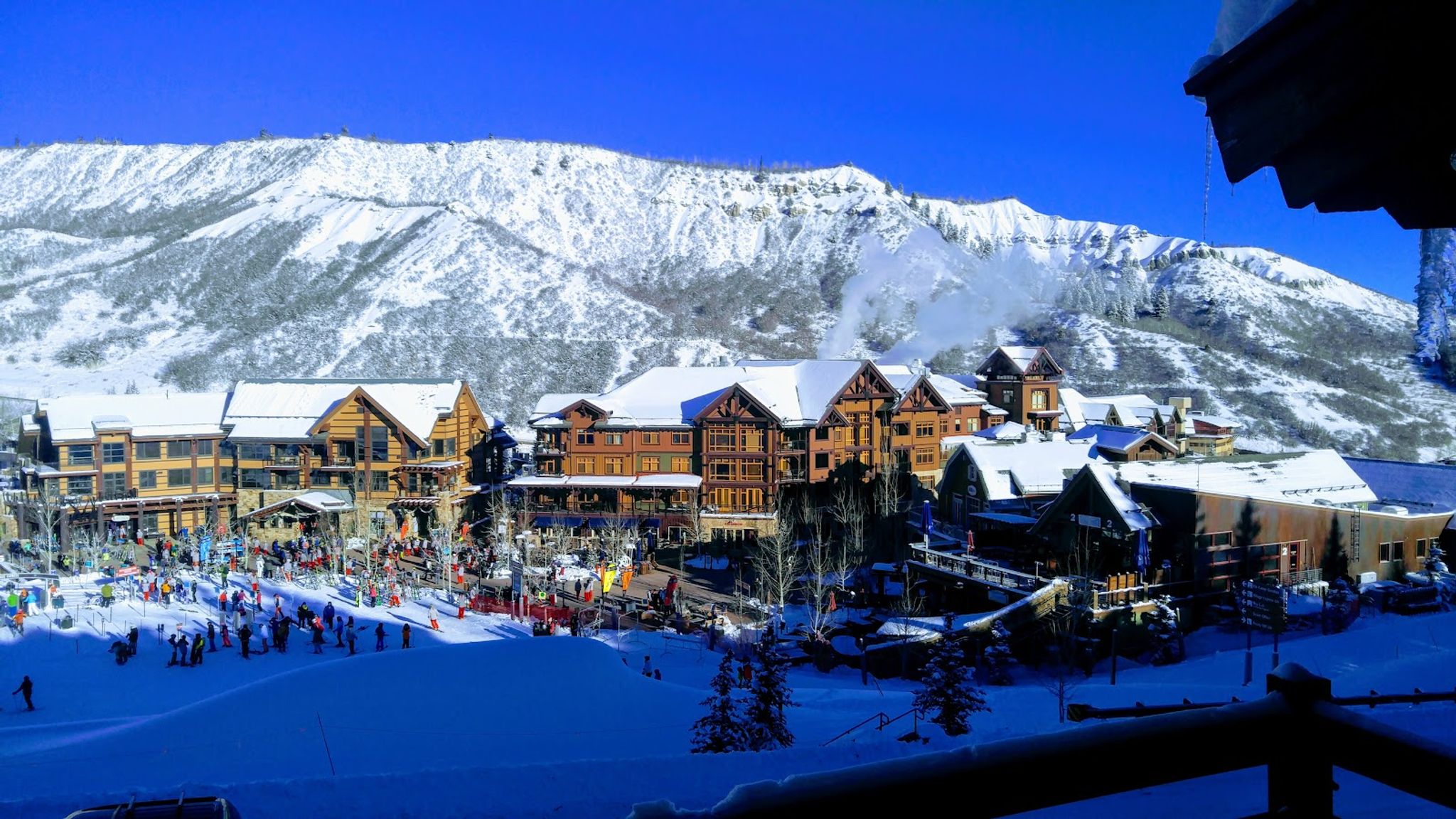
Park City is a real town. The Old Town along Main Street is a National Historic District of nineteenth-century mining buildings, restored and converted into one of the most walkable resort cores in North America. The Sundance Film Festival each January transforms the town into a major cultural moment. Apres and dining range from refined (Riverhorse on Main, the Mariposa) to relaxed (No Name Saloon, High West Distillery). Park City operates as a genuine year-round destination, and the town feels lived-in rather than constructed.
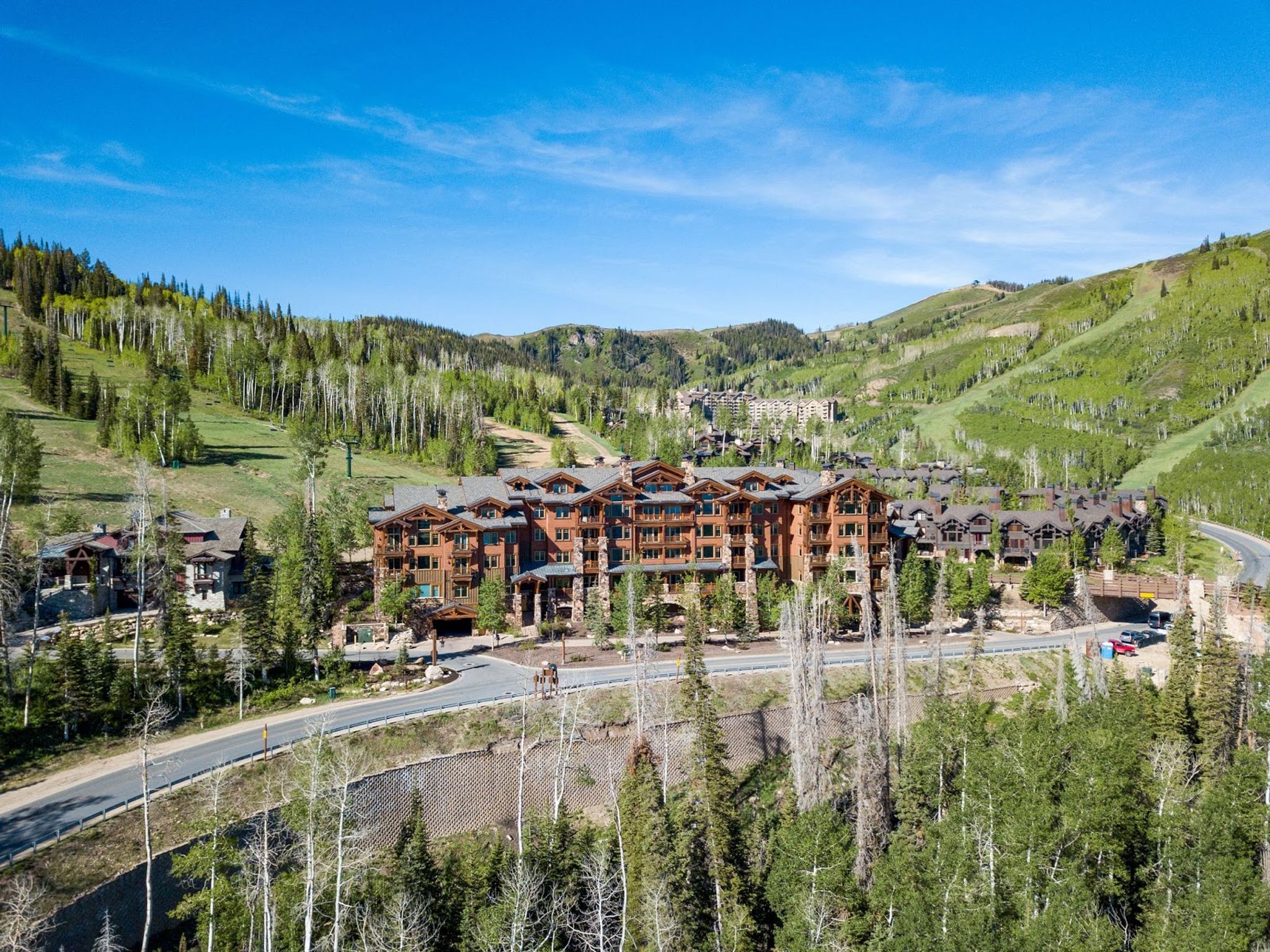
Deer Valley has no real village in the Park City sense. The resort is structured around three primary base areas — Snow Park, Silver Lake, and Empire Pass — each with their own collection of lodges and chalets. The dining scene is excellent and concentrated within the resort properties, with the Glitretind at Stein Eriksen Lodge and Mariposa at Silver Lake among the most consistent fine-dining rooms in the Rockies. Apres-ski is restrained by design — Deer Valley is the antithesis of a party resort.
For a town experience and broader cultural depth, Park City is in a different category. For a refined, service-driven base where everything is taken care of within the resort, Deer Valley is unmatched.
Getting There
Both resorts are reached via Salt Lake City International Airport — one of the best resort airports in North America.
Park City: SLC is approximately 35 minutes by car. The drive is straightforward via I-80 east, and the airport offers strong direct service from London Heathrow plus a deep network of US connections. Park City's transfer experience is among the most efficient of any major resort in North America.
Deer Valley: SLC is approximately 40 minutes by car. The drive is essentially the same as for Park City — Deer Valley's base areas sit immediately adjacent to Park City. Private transfers are well-established and affordable.
Both resorts share the same airport advantage. The transfer experience is one of the strongest in North American skiing.
When to Visit
Both resorts share Utah's reliable winter window.
Park City's prime window is January through mid-March, when snow depth peaks. The Sundance Film Festival in mid-to-late January brings energy to the town but also crowds and elevated lodging prices. President's Day weekend is the most expensive period. Late season — late March and early April — delivers excellent spring skiing.
Deer Valley follows the same calendar but the daily lift cap means even peak weeks feel meaningfully less crowded than Park City. The resort opens early December and runs through mid-April. The expanded terrain from the 2024-25 lift project gives Deer Valley significantly more capacity than in previous seasons without changing its low-density character.
For peak season, both deliver. For Sundance, Park City is the obvious choice; for crowd-averse skiers in any week, Deer Valley.
The Verdict
Both resorts are excellent Utah choices, but they answer different questions.
Choose Park City if you want: the largest lift-served ski terrain in the United States; a real walkable historic town with deep cultural depth; the Epic Pass; significantly broader options for snowboarders, families, and travellers who want a town experience alongside the skiing. Park City is the resort where the town and the mountain are equal partners.
Choose Deer Valley if you want: the most service-driven, polished skiing experience in North America; immaculate grooming and a lift cap that keeps the mountain uncrowded; a skiers-only environment; refined dining within the resort properties without the need to engage the wider town. Deer Valley is the resort where the experience is engineered for guests who want everything taken care of.
The shorthand most Utah advisors use: Park City for travellers who want a real ski town with serious skiing attached, Deer Valley for travellers who want the most refined skiing experience in America without compromise.
Frequently Asked Questions
Can you ski snowboard at Deer Valley?
No. Deer Valley remains one of only three US ski resorts that does not allow snowboarding (Alta and Mad River Glen are the others). Snowboarders need to ski Park City or another nearby resort. This policy is well-known and unlikely to change.
Are Park City and Deer Valley on the same lift pass?
No. Park City is on the Epic Pass (Vail Resorts). Deer Valley has its own pass and is part of the Ikon Pass network for limited days. The two resorts share a county but operate completely separately.
Which is closer to Salt Lake City airport?
Both are roughly 35-40 minutes from SLC International. The transfer to Park City is marginally faster but the difference is negligible.
Which has more luxury accommodation?
Deer Valley has the deeper bench of true luxury accommodation, with the Stein Eriksen Lodge, Montage Deer Valley, and St. Regis Deer Valley all rated five-star. Park City has strong luxury inventory too — the Waldorf Astoria Park City, the Pendry, and the Lodges at Deer Valley spill across both resorts — but Deer Valley's average accommodation tier sits higher.
Which has better skiing for intermediates?
Both are excellent for intermediates, but Deer Valley's grooming and trail mix are more consistently optimised for the intermediate experience. Park City offers more variety and more challenging terrain alongside the intermediate skiing.