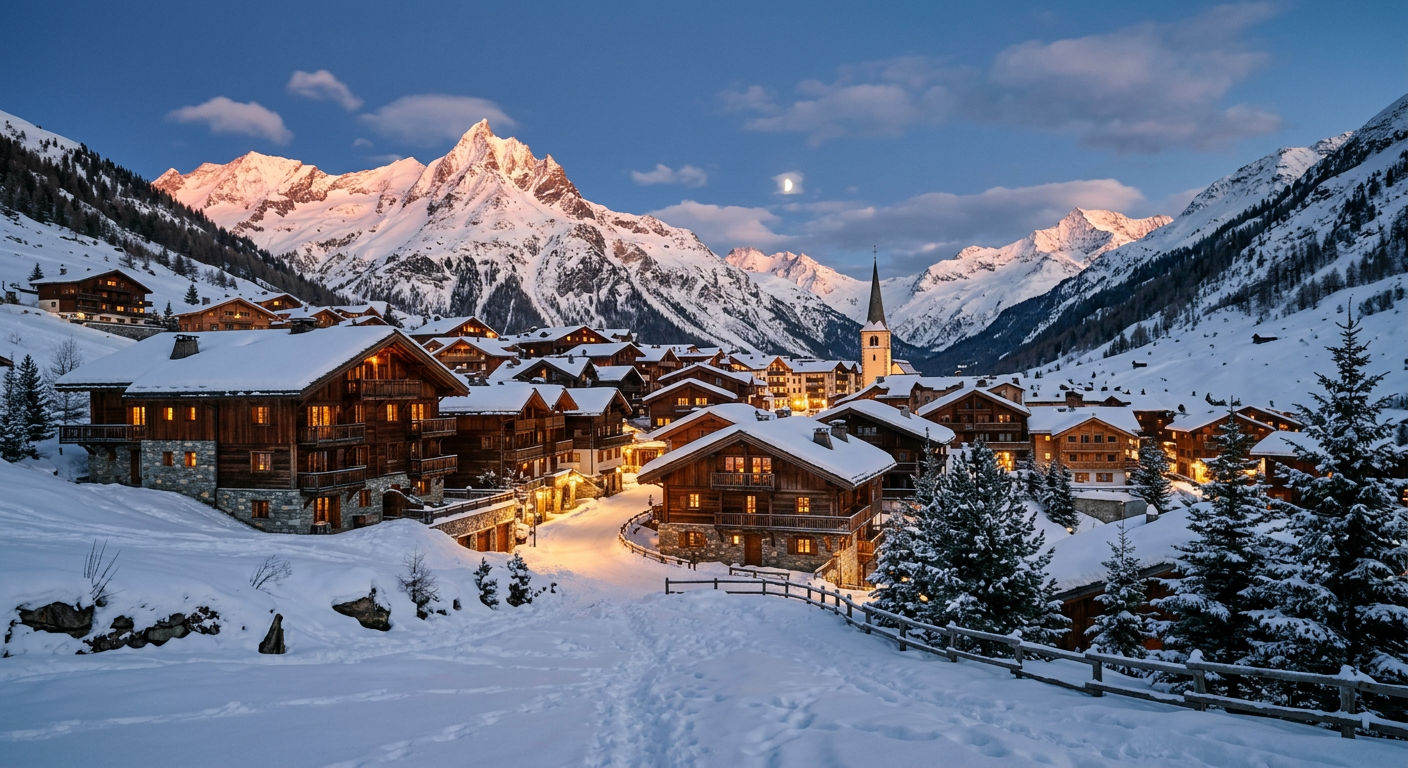
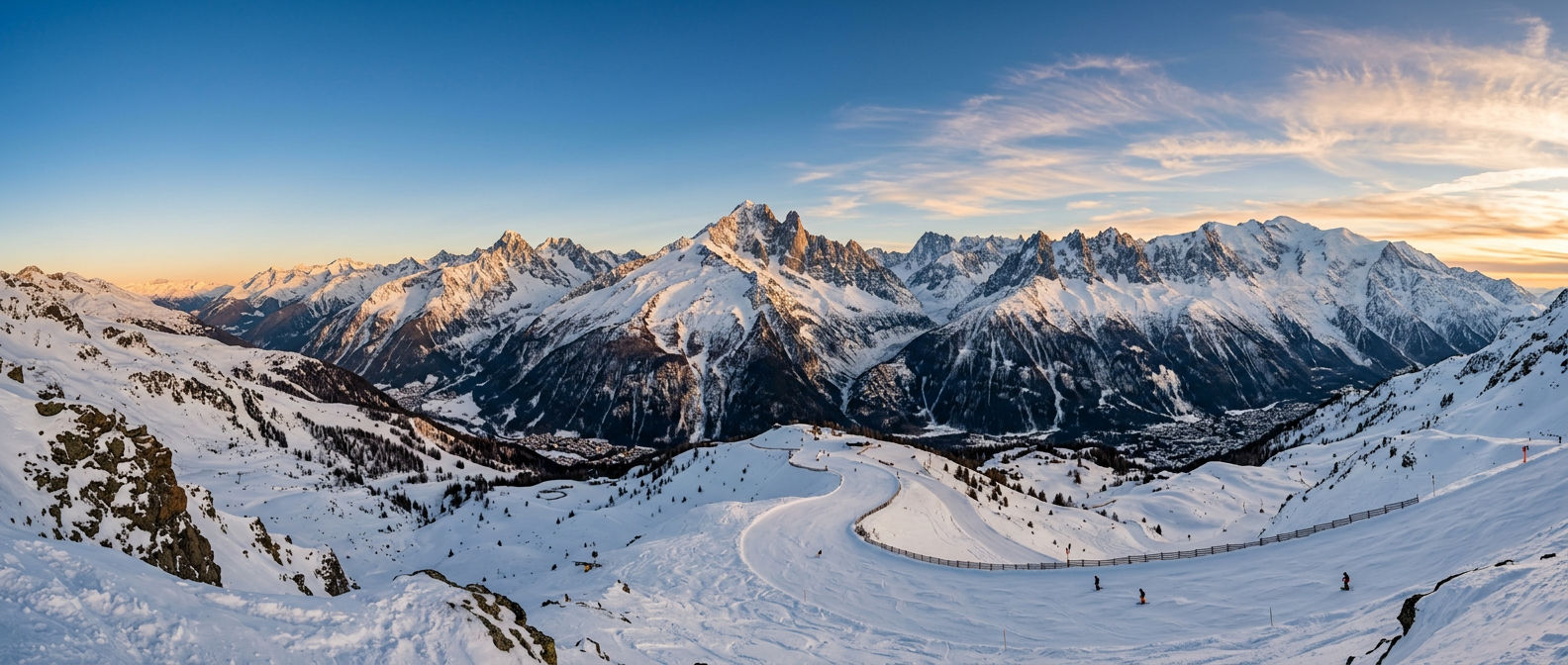
Most Exclusive Ski Resorts: 8 Mountains Where Discretion Meets Deep Snow
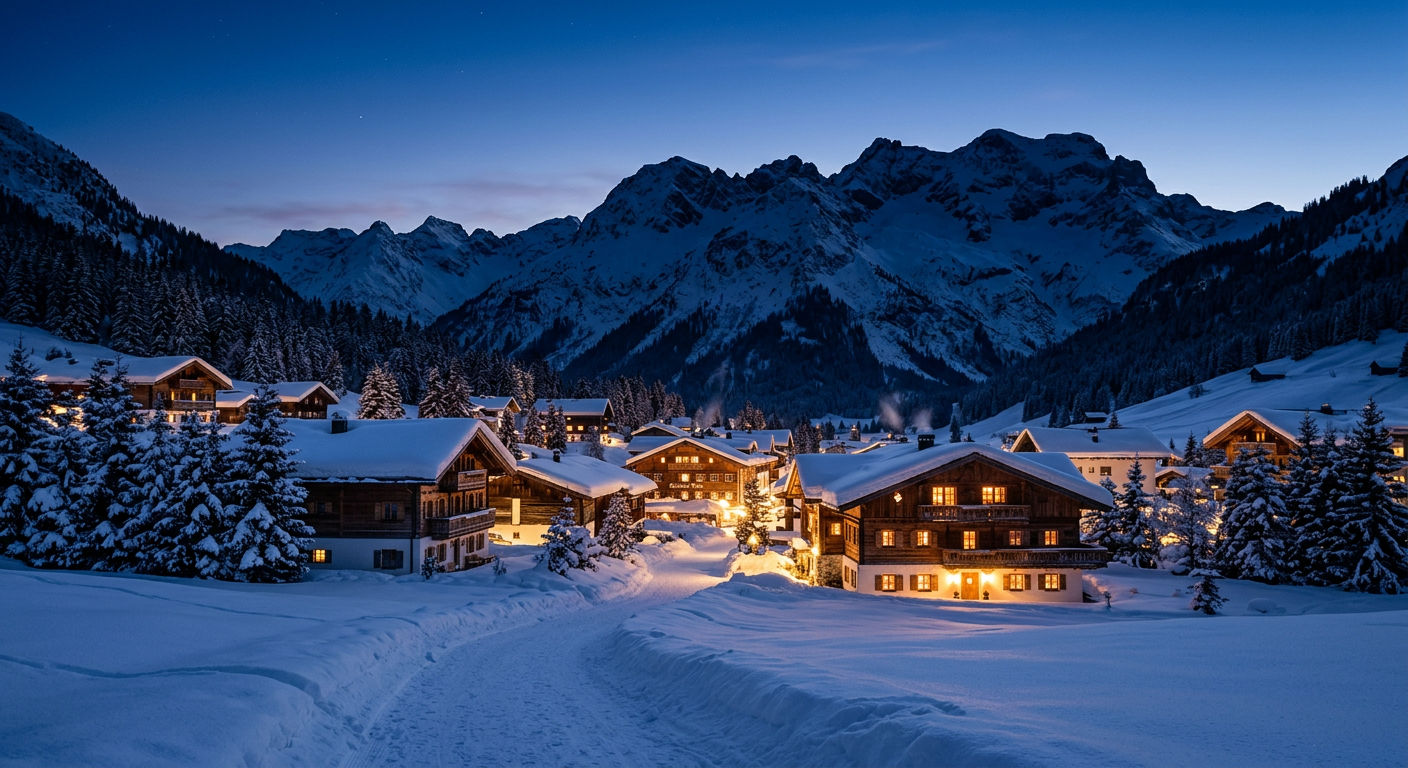
Most Exclusive Ski Resorts: 8 Mountains Where Discretion Meets Deep Snow
Exclusivity in skiing is not simply a matter of price. The resorts that genuinely earn the label share a handful of qualities: controlled development, a culture of privacy, terrain that rewards commitment, and accommodation that operates closer to a private residence than a hotel room. These eight mountains represent the places where those qualities converge — each with a distinct character and a very different answer to what "exclusive" means on snow.
How We Define Exclusivity
The word gets used loosely in travel writing, often as a synonym for expensive. Here it means something more specific: resorts where development has been deliberately constrained, where returning guests outnumber first-timers, and where the infrastructure — from lift systems to concierge networks — is designed around privacy rather than throughput. Price is a factor, but it follows from scarcity and quality rather than driving the definition.
We've ranked these eight resorts across four criteria: controlled access and development, depth of high-end accommodation, terrain quality, and the strength of the private-service ecosystem (concierge, chef, driver networks).
Courchevel 1850: The Benchmark
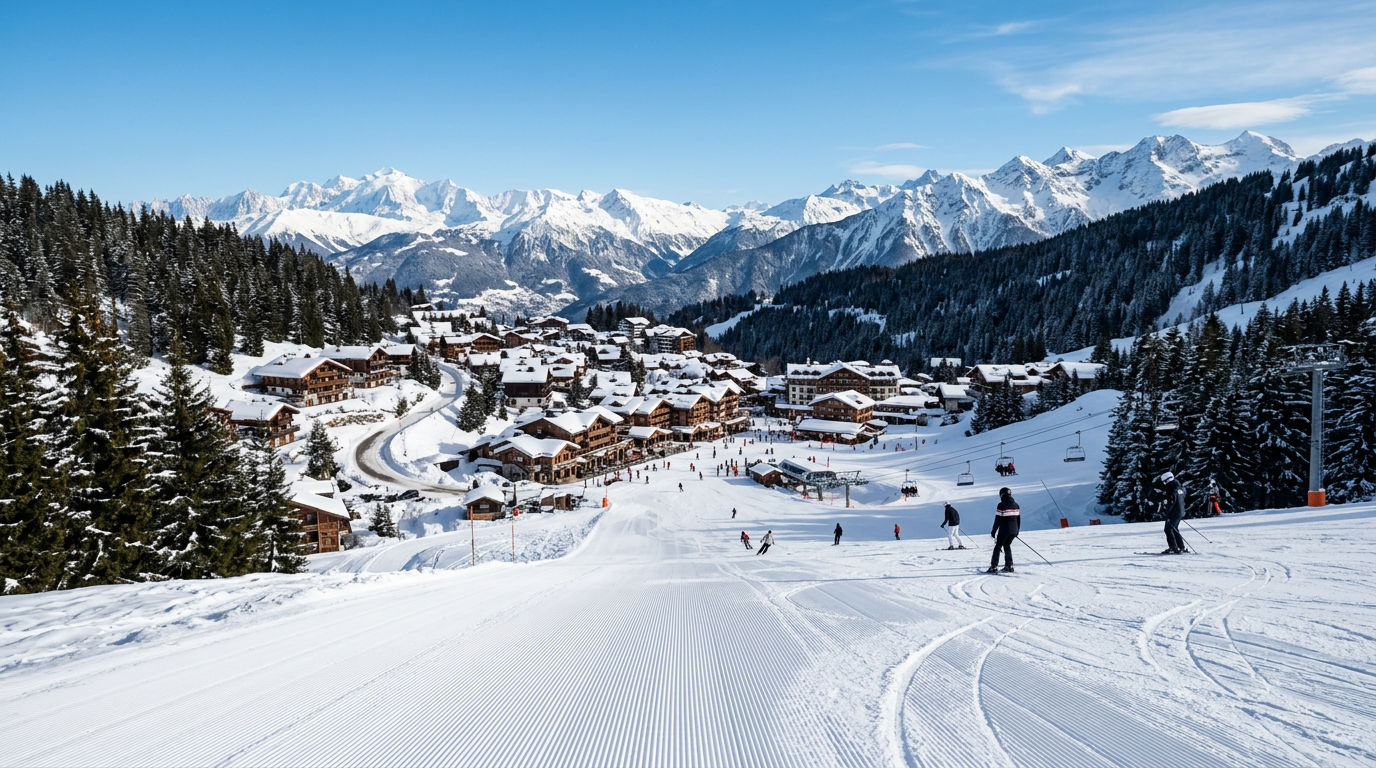
Courchevel 1850 is the most recognised name in high-end alpine tourism, and for good reason — no resort in the world concentrates as much premium accommodation within walking distance of a single gondola station. The resort's development has been shaped by strict architectural controls since the 1940s, resulting in a village where even new builds conform to traditional Savoyard proportions.
The skiing is often underrated. Courchevel's north-facing slopes above 1850 hold snow reliably into April, and the link to the Three Valleys gives access to 600 kilometres of piste. The Saulire sector and Couloir Tournier offer genuinely steep lines for advanced skiers willing to look beyond the groomed boulevards.
Lech am Arlberg: The Quiet Authority
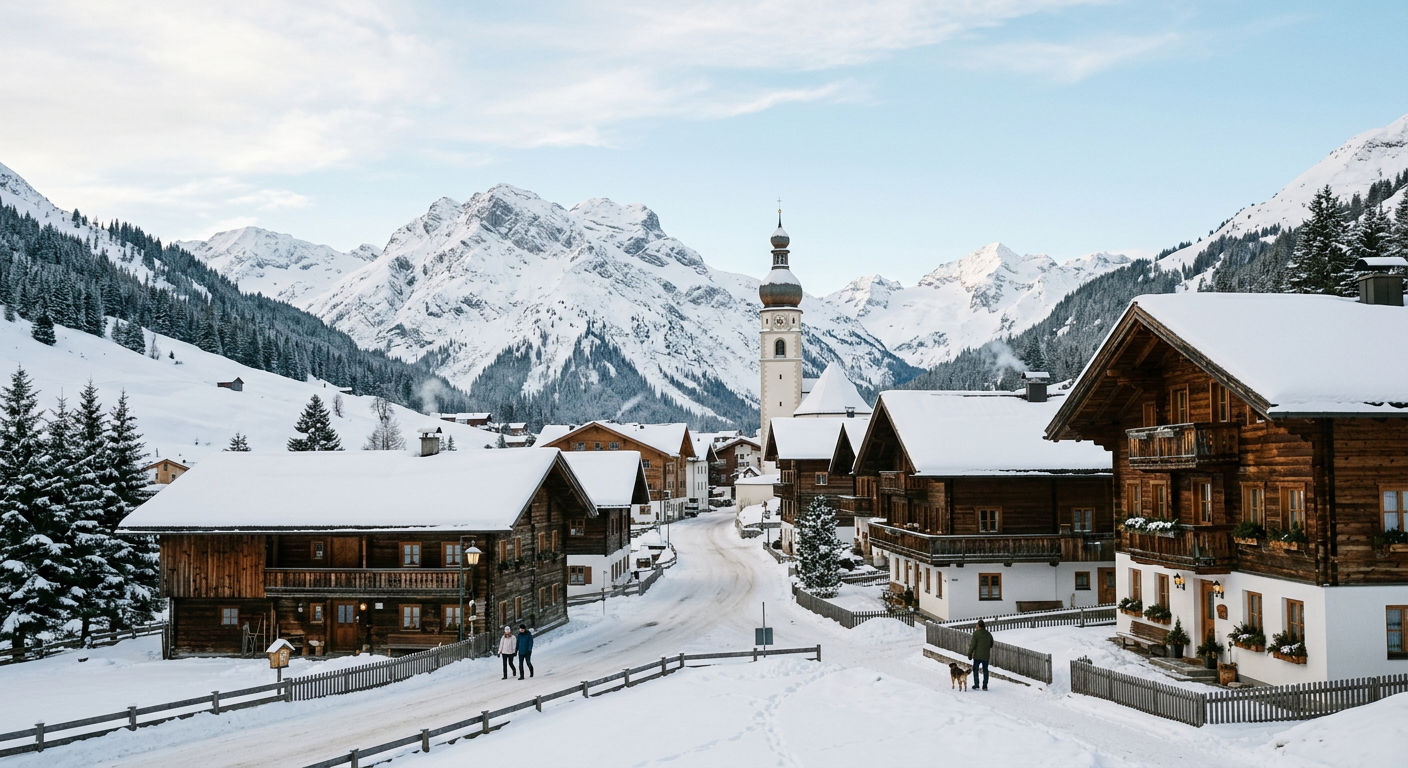
Lech has maintained its standing among Europe's most considered ski villages through a policy that no other major resort has matched: a strict cap on the number of guest beds. The village limits overnight capacity to around 8,000, ensuring that even during peak weeks, the lifts and restaurants never feel overwhelmed. This deliberate restraint — unchanged for decades — is the foundation of Lech's appeal.
The Arlberg ski area, linked since 2016 by the Flexenbahn gondola to St Anton, Zürs, and Stuben, covers 305 kilometres of piste across some of Austria's most varied terrain. Lech's own slopes tend toward wide, perfectly groomed runs above the treeline, while the backcountry off the Madloch and Zuger Hochlicht ridges is among the best in the Northern Alps.
Lech's discretion is not performative. The village attracts European royalty and old-money families precisely because it does not advertise the fact. read our Lech Skiing guide.
Verbier: The Serious Skier's Address
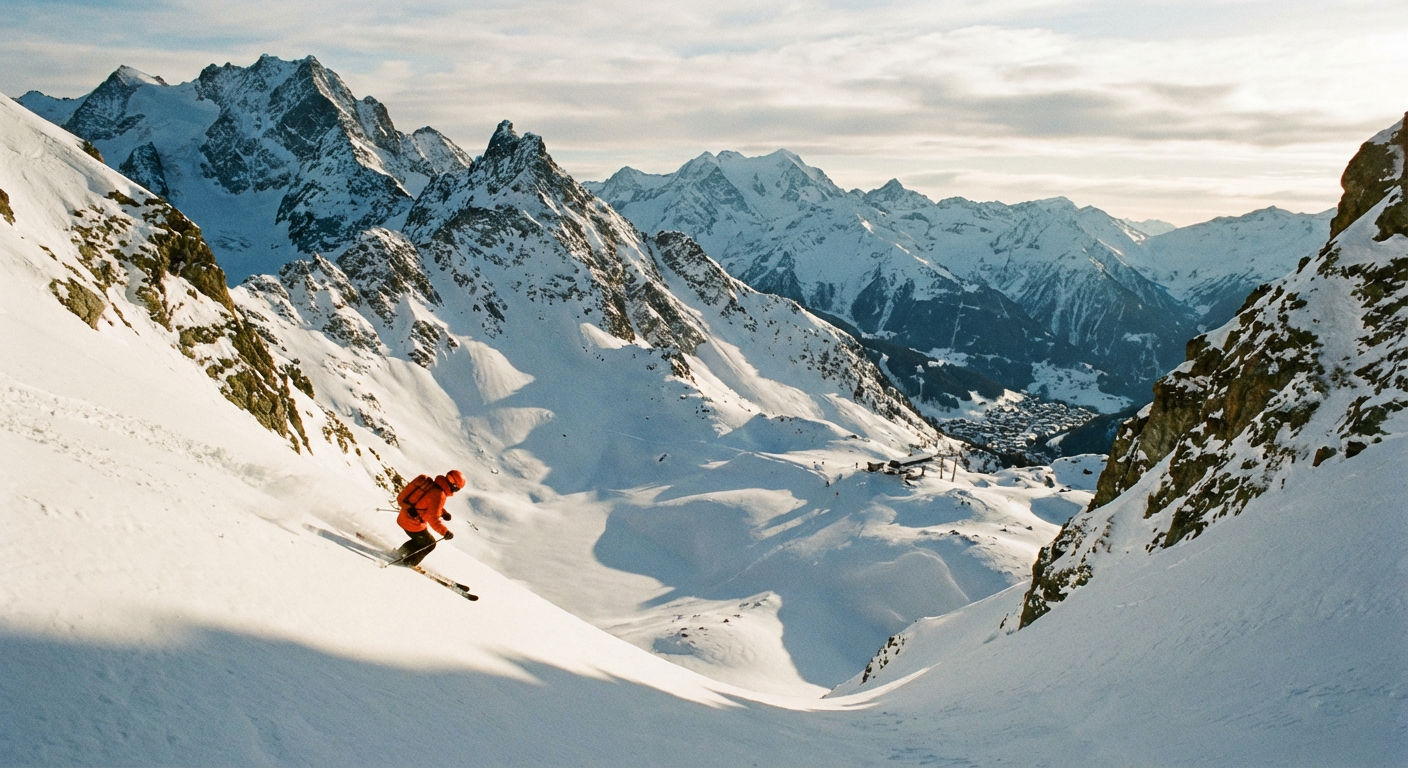
Verbier occupies a distinctive position among exclusive resorts: it is the one most likely to be chosen by guests who prioritise the mountain over the village. The 4 Vallees network spans 410 kilometres, anchored by terrain that ranges from the steep couloirs of Mont Fort to the gentle nursery slopes of La Tzoumaz. The Bec des Rosses face, venue for the Freeride World Tour final, is not a marketing exercise — it is among the most challenging inbounds lines in Europe.
The village itself is more relaxed than Courchevel or St Moritz, with a social scene centred on a handful of established bars and restaurants rather than a parade of luxury brands. This informality is part of the draw. Verbier's returning guests tend to be skiers first, and the resort's identity reflects that.
read our Verbier Skiing guide to see what is currently available.
Zermatt: Altitude and Permanence
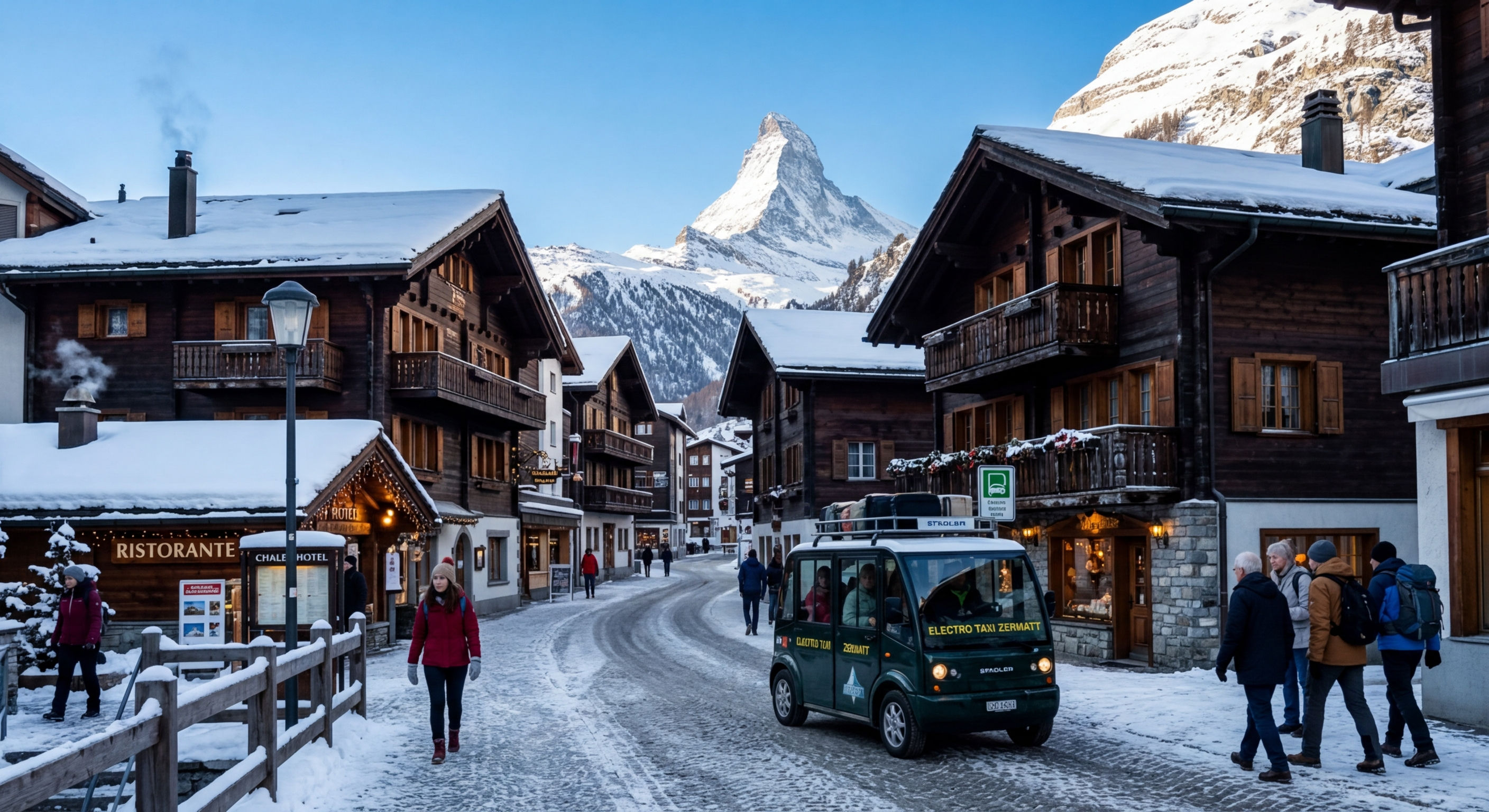
Zermatt's claim to exclusivity rests on geography as much as reputation. The car-free village sits at 1,620 metres beneath the Matterhorn, accessible only by train or electric vehicle, and its lift system reaches 3,883 metres — the highest in Europe. Glacier skiing extends the season from late November into May, a reliability that few competitors can match.
The car-free policy, enforced since the village's earliest days as a climbing base, gives Zermatt a pace and atmosphere that is qualitatively different from drive-in resorts. No exhaust, no parking structures, no traffic. The quiet is part of the product.
Zermatt's terrain divides into four sectors: Rothorn (technical, north-facing), Gornergrat (panoramic, intermediate), Klein Matterhorn (glacier, all levels), and Schwarzsee (quiet, scenic). The Italian side, linking to Cervinia, adds another dimension entirely.
read our Zermatt Skiing guide.
Megeve: The Original Alpine Salon
Megeve was the first purpose-built luxury ski resort, established in the 1920s by the Rothschild family as an alternative to St Moritz. A century later, the village retains the qualities that defined its founding: a pedestrianised medieval centre, a strong culinary identity with multiple Michelin-starred restaurants, and a social atmosphere that prioritises elegance over spectacle.
The skiing covers 445 kilometres across the Evasion Mont-Blanc domain, linking Megeve with Saint-Gervais, Les Contamines, and Combloux. The terrain is characteristically gentle by French standards — long, tree-lined runs between 1,100 and 2,350 metres — making Megeve better suited to intermediates and families than to steep-seekers.
The village's proximity to Geneva airport — under 90 minutes by road — adds a practical dimension to its appeal.
Megeve's exclusivity is cultural rather than geographical. The village simply attracts a clientele that values a certain kind of refinement, and the accommodation, dining, and service infrastructure have evolved to match. Browse chalets in Megeve.
St Moritz: Winter Sport's Founding Address
St Moritz invented the alpine winter holiday. The Engadin resort hosted the Winter Olympics twice (1928 and 1948), pioneered bobsled and skeleton on its natural ice run, and trademarked its own sun logo. The town's relationship with winter sport is foundational rather than fashionable — it has been attracting the same families for generations.
The skiing spans 350 kilometres across the Corviglia, Corvatsch, and Diavolezza sectors, with piste altitudes reaching 3,303 metres. The terrain favours wide, groomed runs with reliable snow, and the resort has invested heavily in modern lift infrastructure. The annual Snow Polo World Cup and the White Turf horse races on the frozen lake are part of the social calendar, though they remain more understated than their reputations suggest.
The accommodation mix here leans more toward hotels and serviced apartments than standalone chalets — a reflection of St Moritz's palace hotel tradition.
For a deeper look at how St Moritz compares to Verbier, Zermatt, and Gstaad, see our luxury ski resorts in Switzerland guide.
Gstaad: Understatement as Philosophy
Gstaad's defining feature is what it chooses not to do. The village has resisted large-scale resort development more successfully than any other high-profile Swiss ski town, maintaining a landscape of timber chalets and farm buildings that looks remarkably similar to photographs from the 1950s. The slogan "Come up, slow down" is neither ironic nor aspirational — it is a statement of operational policy.
The skiing is genuine but secondary to the lifestyle. The Glacier 3000 area reaches 3,000 metres and provides reliable snow, while the lower slopes of Eggli, Wispile, and La Videmanette suit intermediates and families. Gstaad is not where you come for steep terrain — it is where you come to ski well, eat exceptionally, and be left alone.
The accommodation here is intimate: most properties are smaller than those in Courchevel or Verbier, reflecting the village's preference for discretion over scale.
Kitzbuhel: Racing Heritage, Village Soul
Kitzbuhel occupies a unique position: a medieval walled town that also happens to host the most famous downhill race in the world. The Hahnenkamm Streif course is genuinely one of skiing's great spectacles, but the town itself — cobblestoned streets, 13th-century church spires, and a year-round population of under 9,000 — is anything but a purpose-built resort.
The skiing spans 170 kilometres of piste across the Hahnenkamm and Kitzbuheler Horn sectors, with a further 170 kilometres accessible via the Kitzbuhel Alps AllStarCard. The terrain is predominantly intermediate, with some challenging runs in the Streif area and good tree skiing on lower slopes.
Kitzbuhel's accommodation mix includes historic hotels, converted farmhouses, and modern chalets — a range that reflects the town's layered history.
Kitzbuhel's exclusivity is earned through longevity rather than price. The same families return each January for the Hahnenkamm weekend and each summer for the hiking and golf. The town doesn't need to cultivate an air of exclusivity — it has 800 years of Alpine culture to draw on. read our Kitzbuhel Skiing guide.
Choosing the Right Resort
The right choice depends on what exclusivity means to you. For depth of accommodation and ease of access, Courchevel is unmatched. For terrain-first skiers who want privacy without pretension, Verbier delivers. Zermatt offers altitude, car-free calm, and glacier-backed snow reliability. Lech provides the quietest village atmosphere of the group. Megeve is the choice for those who value gastronomy and architectural charm as much as the skiing. St Moritz suits those drawn to heritage and a certain Engadin grandeur. Gstaad is for guests who want the mountain without any trace of resort. And Kitzbuhel offers something none of the others can — a living medieval town with world-class ski racing at its doorstep.
Frequently Asked Questions
What is the most exclusive ski resort in the world?
Courchevel 1850 is widely regarded as the most exclusive ski resort globally, combining strict architectural controls, the deepest concentration of high-end accommodation in the Alps, and direct access to the 600-kilometre Three Valleys ski area. Lech am Arlberg, with its enforced cap on guest numbers, is the strongest contender for those who define exclusivity by controlled access rather than by the scale of the offering.
Are exclusive ski resorts worth the premium over mainstream alternatives?
The premium buys three things that mainstream resorts rarely deliver: privacy, service depth, and infrastructure quality. In resorts like Zermatt and Lech, controlled development means shorter lift queues, quieter pistes, and a village atmosphere designed for repeat guests rather than peak-season volume. Whether that justifies the cost depends on whether you value the mountain experience or the price per vertical metre.
Which exclusive ski resort is best for families?
Megeve and Lech are the strongest choices for families seeking an exclusive setting. Megeve's gentle terrain, pedestrianised village centre, and strong culinary scene make it well suited to multi-generational groups. Lech's bed cap keeps the slopes uncrowded, and the resort's family-focused ski school is among the most respected in Austria.
When should I book an exclusive ski chalet?
For peak weeks — Christmas, New Year, February half-term, and Easter — the most sought-after properties in Courchevel, Verbier, and Lech are typically reserved 6 to 12 months in advance. January and March offer better availability and often lower rates, with snow conditions that are at least as reliable. Early booking also secures concierge, chef, and driver services, which operate on limited capacity in smaller resorts like Gstaad and Kitzbuhel.
How does altitude affect the exclusivity of a ski resort?
Altitude is a proxy for snow reliability, which in turn affects the length and quality of the season. Zermatt (1,620 m village, 3,883 m top lift) and Val Thorens (2,300 m) offer the most reliable conditions, while lower resorts like Kitzbuhel (762 m) and Megeve (1,113 m) depend more heavily on snowmaking. For late-season travel, high-altitude resorts provide a measurable advantage — Zermatt's glacier skiing extends into May.