Pitching St. Anton against Val d'Isère is a rite of passage for any serious Alpine traveller. Both sit at the very top of the European ski hierarchy, both command roughly 300km of linked terrain, and both have a reputation for après-ski that borders on the theatrical. Yet spend a week in each and you'll find the experiences could hardly feel more distinct. One is a Tyrolean valley town with a railway running through its heart, the other a high-altitude Savoyard village dressed up in five-star polish. Here's how they stack up.
The Skiing
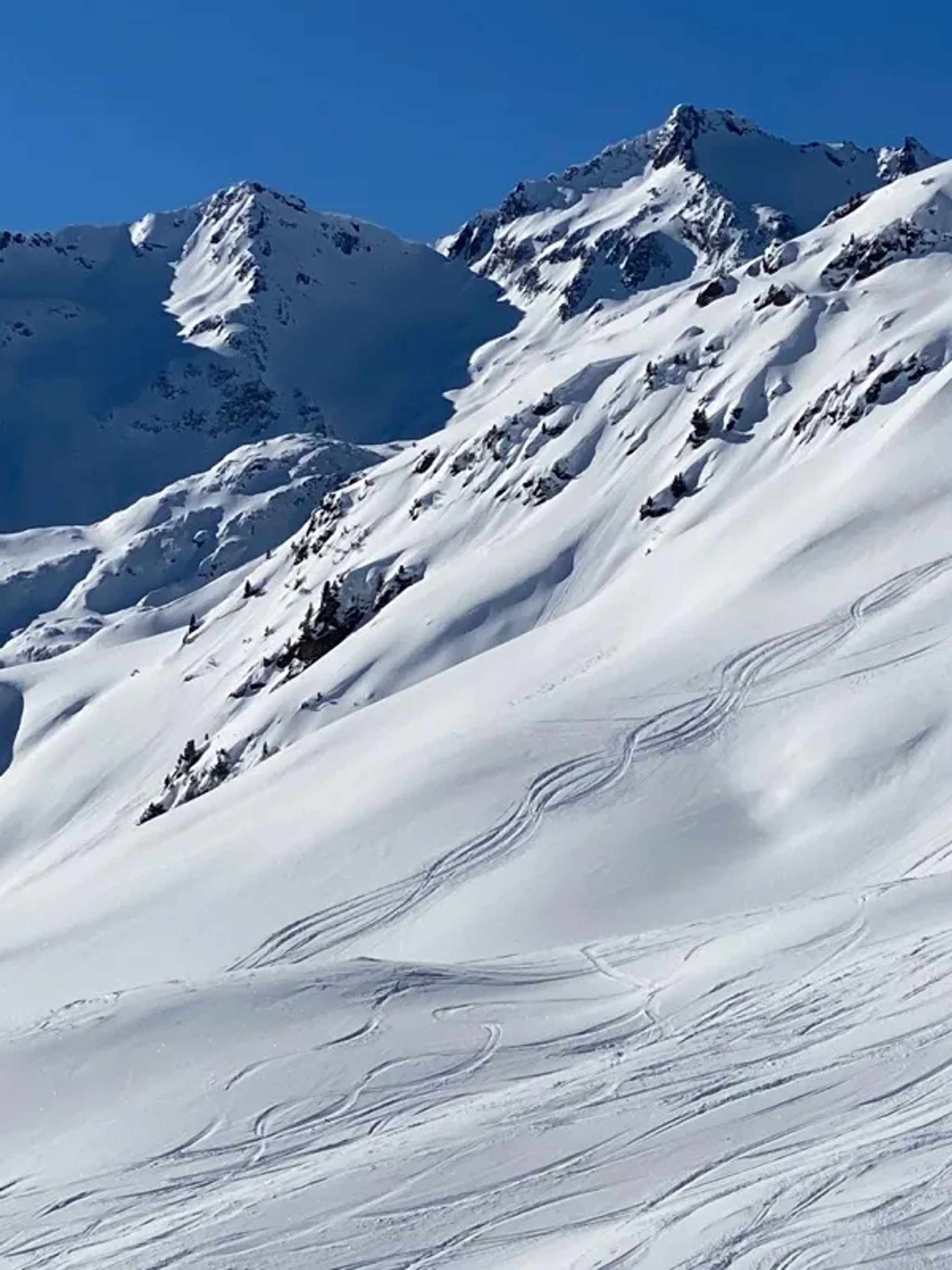
St. Anton is the senior partner in Ski Arlberg, Austria's largest interconnected ski area, and the resort makes no apologies for its leanings. The skiing here rewards confidence. The Arlberg network spans 302km of pistes, but the real reason experts pilgrimage to the Tyrol is the vast catalogue of marked ski routes and lift-served off-piste, with the Valluga and Schindler Kar offering some of the most committing descents in the Alps. Intermediates will find their legs on the wide reds dropping off Galzig, but absolute beginners may find the gradient steeper than they bargained for.
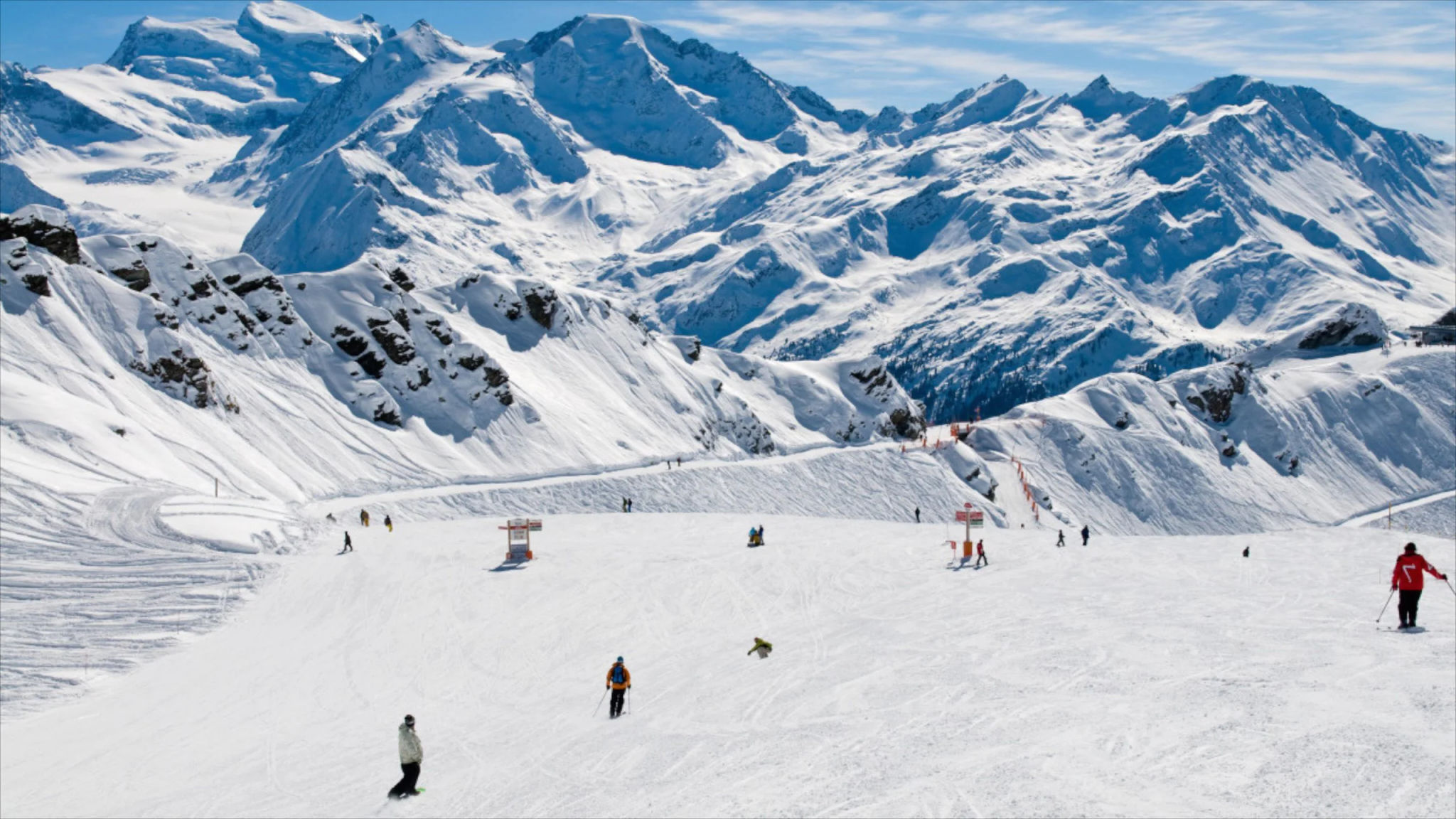
Val d'Isère, linked to neighbouring Tignes across a similar 300km domain, plays a broader hand. Its top lift reaches 3,456m and the season stretches from late November into early May, which makes a meaningful difference in lean snow years. The terrain mix is generous to everyone: the Solaise plateau hosts a genuinely excellent high-altitude beginner area, La Daille rolls out fast cruising for intermediates, and Bellevarde delivers the Olympic Face de Bellevarde for those who want their thighs burning by lunch. Le Fornet is the off-piste secret, with tree skiing and access to the Pissaillas Glacier's powder fields.
If we're splitting hairs, St. Anton edges Val d'Isère for raw freeride character and demanding ski routes, while Val d'Isère wins on snow reliability, beginner provision and breadth of terrain. Both are genuine experts' resorts; only one of them is also genuinely welcoming to a first-week skier.
The Village & Apres-Ski
St. Anton's village sits in a narrow valley at 1,304m, pedestrianised at its core and lined with traditional Tyrolean chalets, boutiques and bars. It is unmistakably a town rather than a purpose-built resort, with a mainline railway station in the centre and a community feel that survives the winter crowds. Après-ski here is a contact sport. MooserWirt and Krazy Kanguruh on the home run are the headline acts, with Basecamp providing a more polished alternative at the Galzigbahn base. By dinner, the mood shifts: the Verwallstube above Galzig sits among Europe's highest fine-dining rooms, and the historic Museum Restaurant offers an elegant counterpoint to the afternoon's chaos.
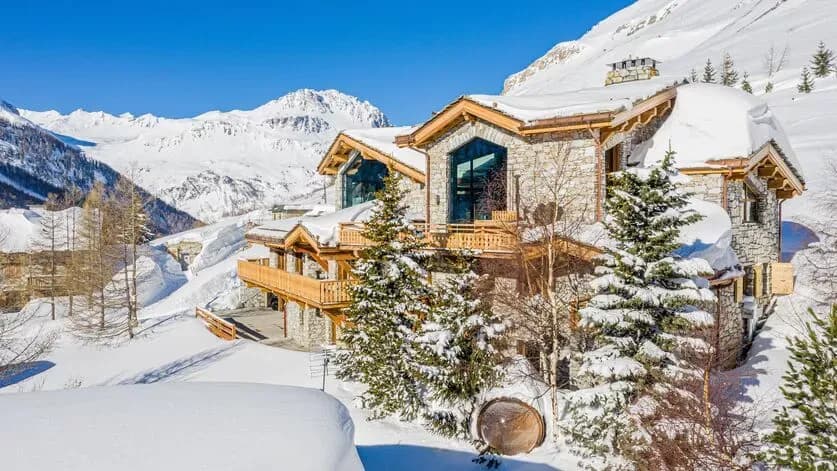
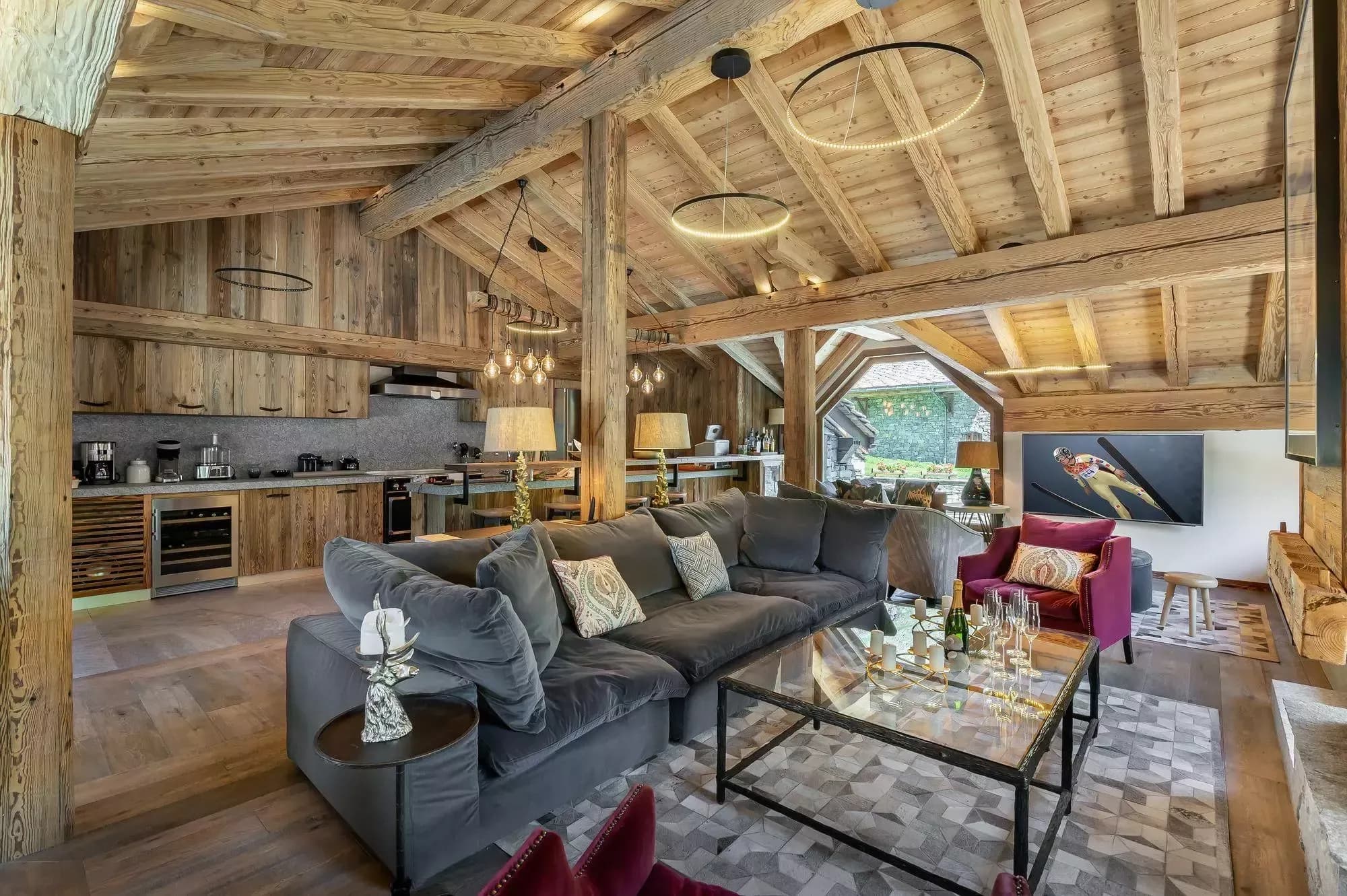
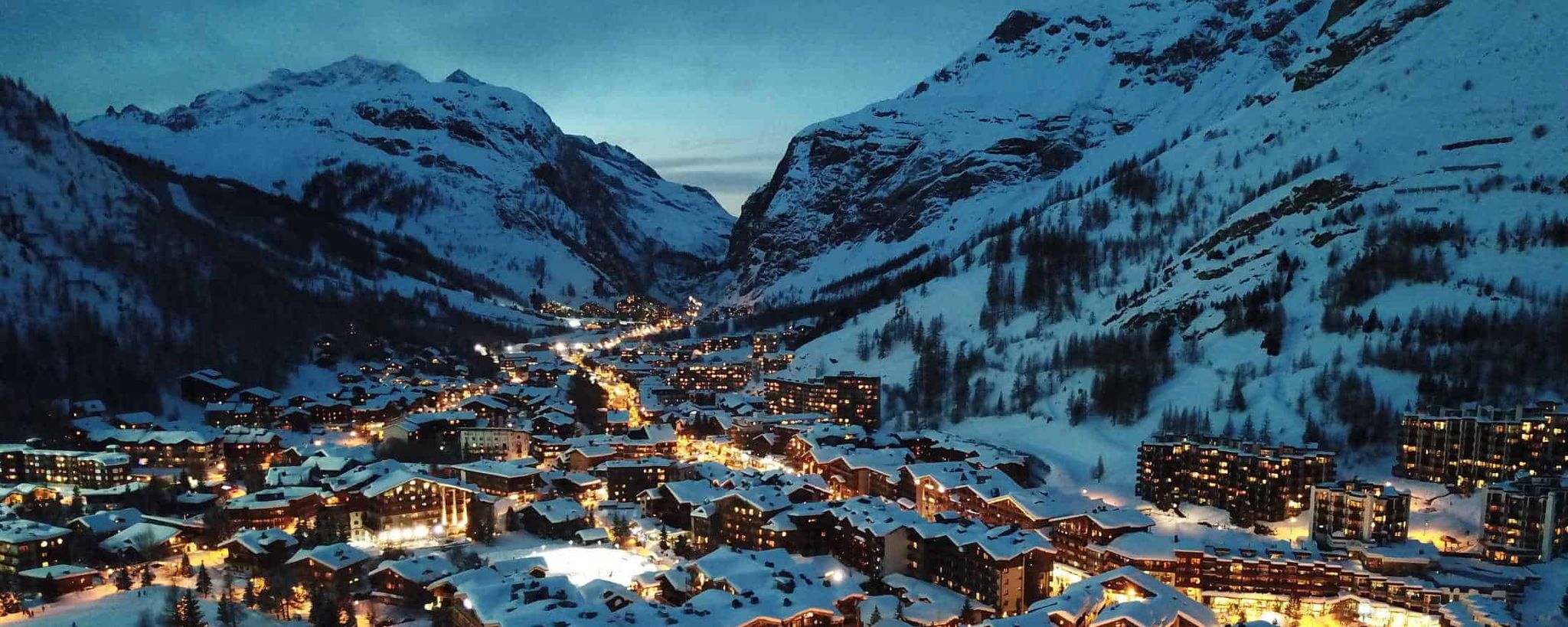
Val d'Isère, at 1,850m, is the more cosmopolitan of the two. Stone-and-wood Savoyard architecture clusters around a 17th-century church, but the boutiques, hotels and restaurants behind those traditional façades are unapologetically luxurious. La Folie Douce remains the original and the loudest of the on-mountain party institutions, with Cocorico and Dick's Tea Bar carrying the night into the village. The dining scene is arguably the more refined of the two, anchored by the two-Michelin-starred L'Atelier d'Edmond in Le Fornet and the always-excellent L'Edelweiss on the mountain.
Both villages reward staying central. St. Anton feels rowdier and more democratic; Val d'Isère feels more curated and more expensive. Neither is sleepy.
Getting There
St. Anton. The easiest route is via Innsbruck Airport, around 100km away and roughly 1h 15min by road. The resort's trump card is its mainline railway station in the village itself, which makes arriving from Zurich, Munich or even London via the sleeper an unusually civilised affair. A car is genuinely unnecessary.
Val d'Isère. Geneva Airport is the standard gateway at around 220km and three hours by transfer, with Lyon and Chambéry as alternatives. By rail, the TGV or Eurostar to Bourg-Saint-Maurice followed by a 45-minute road transfer up the valley is the slower but lower-carbon option. Free shuttle buses, including the Train Rouge, run constantly between La Daille, the village centre and Le Fornet.
The verdict on logistics. St. Anton wins decisively for ease and rail access. Val d'Isère asks more of your transfer day but rewards you with altitude once you arrive.
When to Visit
St. Anton runs from early December through to late April, with the heart of the season delivering the deep mid-winter powder days the Arlberg is famous for. February half-term and the Christmas weeks are the busiest and the priciest; mid-January and mid-March tend to offer the best balance of conditions, atmosphere and chalet availability. The resort's lower altitude means late-season snow on the home runs can be variable.
Val d'Isère opens earlier and closes later, with a season running from late November to early May. The high-altitude pistes and glacier access give it a meaningful edge in early December and after Easter, when many Austrian resorts are winding down. Spring skiing here, with long lunches on sun terraces and reliable snow above the village, is one of the great Alpine experiences.
For both resorts, book accommodation and guides months ahead for peak weeks. The best chalets in either village are quietly contracted by repeat guests well before the summer is out.
The Verdict
If you're an expert skier whose week revolves around guided off-piste, marked ski routes and the kind of après-ski that becomes a story you'll still tell in a decade, St. Anton is hard to beat. It is more compact, more characterful and arguably more fun if you're travelling with a group of confident skiers who came to ride hard and celebrate harder.
If you want a broader, more polished holiday, with high-altitude snow security, Michelin-starred dinners and a village that wears its luxury credentials with confidence, Val d'Isère is the natural choice. It also suits mixed-ability groups far better, thanks to the Solaise beginner area and the sheer volume of cruising intermediate terrain.
Budgets behave differently in each resort too. St. Anton's top chalets offer impressive scale for the price, while Val d'Isère's flagship properties operate at a rarefied level you rarely see elsewhere in the Alps. Both markets reward early booking and flexibility on dates.
Whichever way you lean, you're choosing between two of the finest ski weeks money can buy. Choose St. Anton for the freeride, the railway-station convenience and the unfiltered Tyrolean energy. Choose Val d'Isère for the altitude, the gastronomy and the cosmopolitan polish.
Frequently Asked Questions
Which resort is better for expert skiers?
Both are world-class, but St. Anton has the edge for off-piste connoisseurs thanks to its extensive marked ski routes and the legendary terrain off the Valluga and Schindler Kar. Val d'Isère counters with steep Olympic pistes, glacier access at Le Fornet and excellent backcountry, so the honest answer is that serious skiers should aim to visit both.
Is Val d'Isère suitable for beginners?
Yes, and considerably more so than St. Anton. The high-altitude Solaise plateau offers a dedicated beginner zone with covered magic carpets and gentle, sunny slopes, making it one of the better luxury resorts in the Alps for first-week skiers. St. Anton's village-level slopes can feel intimidating to true novices.
Which has better après-ski?
This is a genuine toss-up between two legends of the Alps. St. Anton's MooserWirt and Krazy Kanguruh are arguably the most famous slope-side bars in skiing, while Val d'Isère's La Folie Douce defined the on-mountain cabaret format and Cocorico keeps the energy going at the bottom of the pistes.
How do transfers compare from the UK?
St. Anton is the easier journey, with Innsbruck around 1h 15min away and a mainline railway station in the village itself, including sleeper-train options. Val d'Isère typically involves a three-hour road transfer from Geneva, or a TGV to Bourg-Saint-Maurice followed by a 45-minute connection up the valley.
When is the best time to book a chalet?
For both resorts, the most sought-after chalets for peak weeks are often contracted by the previous summer, so booking six to nine months ahead is sensible. If you have flexibility, mid-January and mid-March tend to offer the best value and conditions, while Val d'Isère's late-April and early-May weeks are a quiet luxury thanks to its high-altitude snow.