The Skiing
Both resorts have serious freeride heritage. The character of that skiing is different in ways that matter.
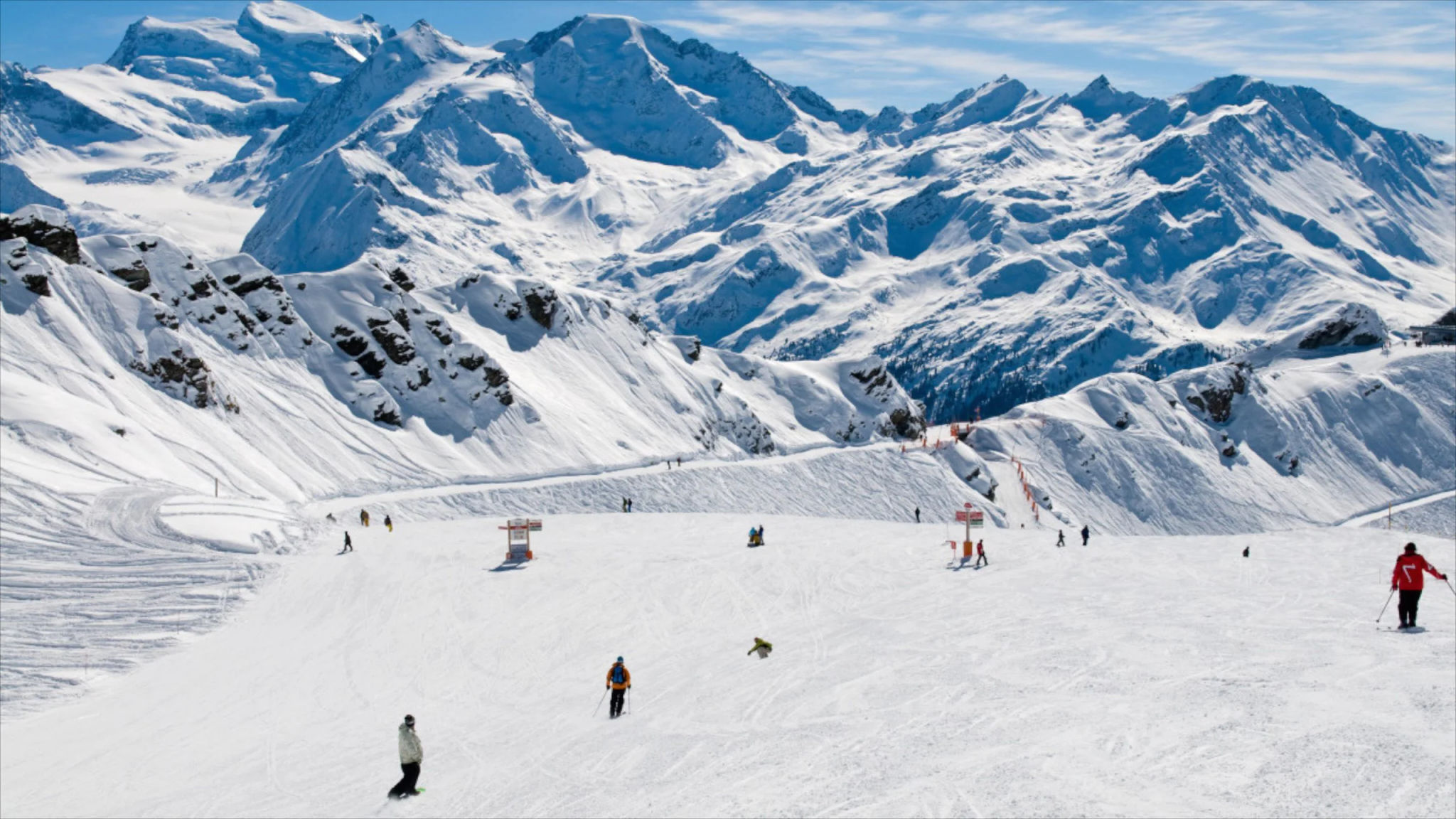
Verbier anchors the 4 Vallées system — 412km of marked pistes connecting Verbier with Nendaz, Veysonnaz, La Tzoumaz, and Thyon. The local Verbier sector alone has 34 lifts, and the Mont Fort glacier at 3,330m opens access to some of Europe's most respected freeride terrain. The Bec des Rosses face hosted the Freeride World Tour finals for years, and the Mont Gelé and Mont Fort itineraries are touchstones for serious skiers. It is one of the standout names in Swiss Alps skiing. The on-piste skiing is strong but secondary — Verbier's reputation is built on what happens off the marked runs.
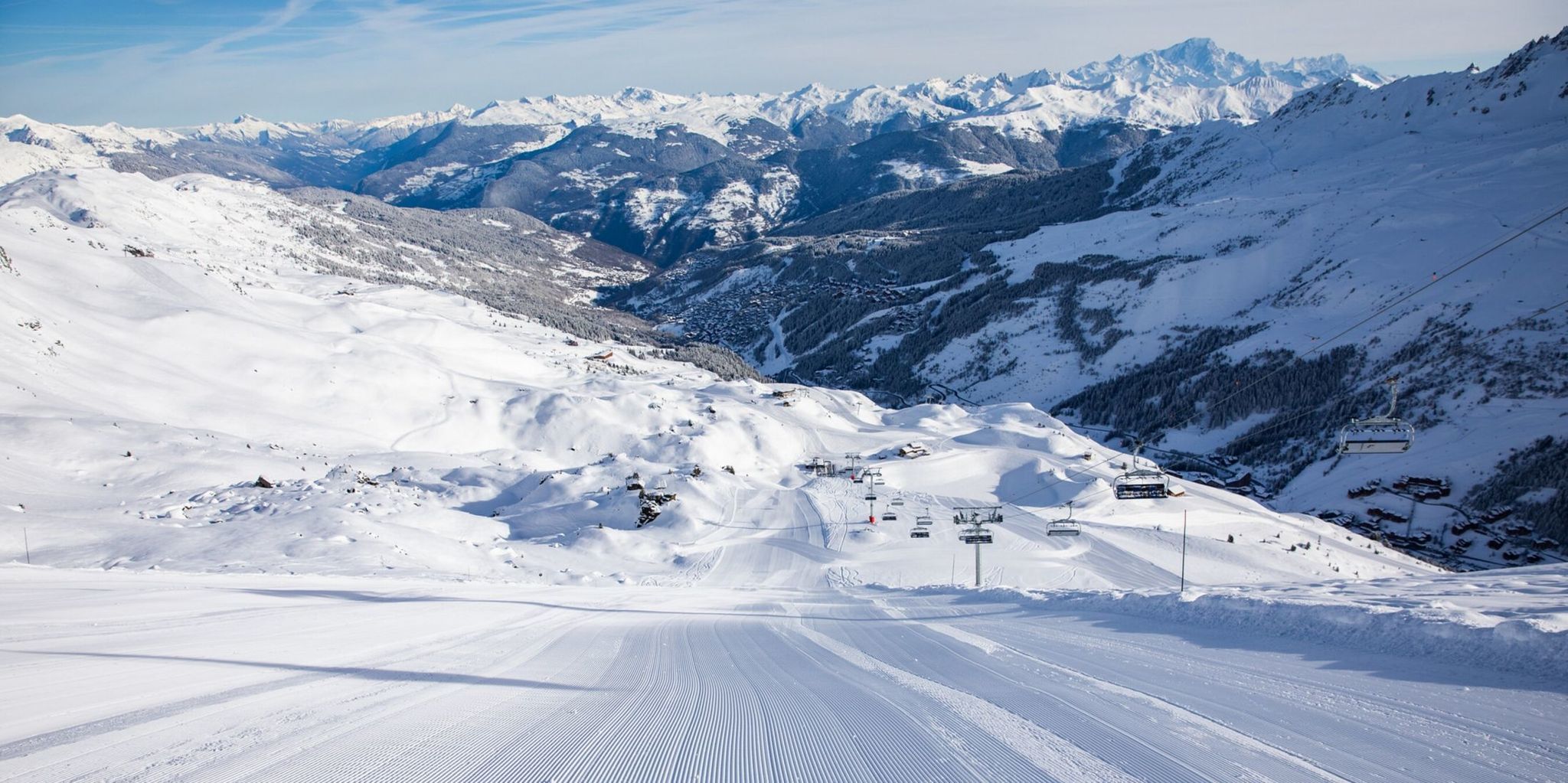
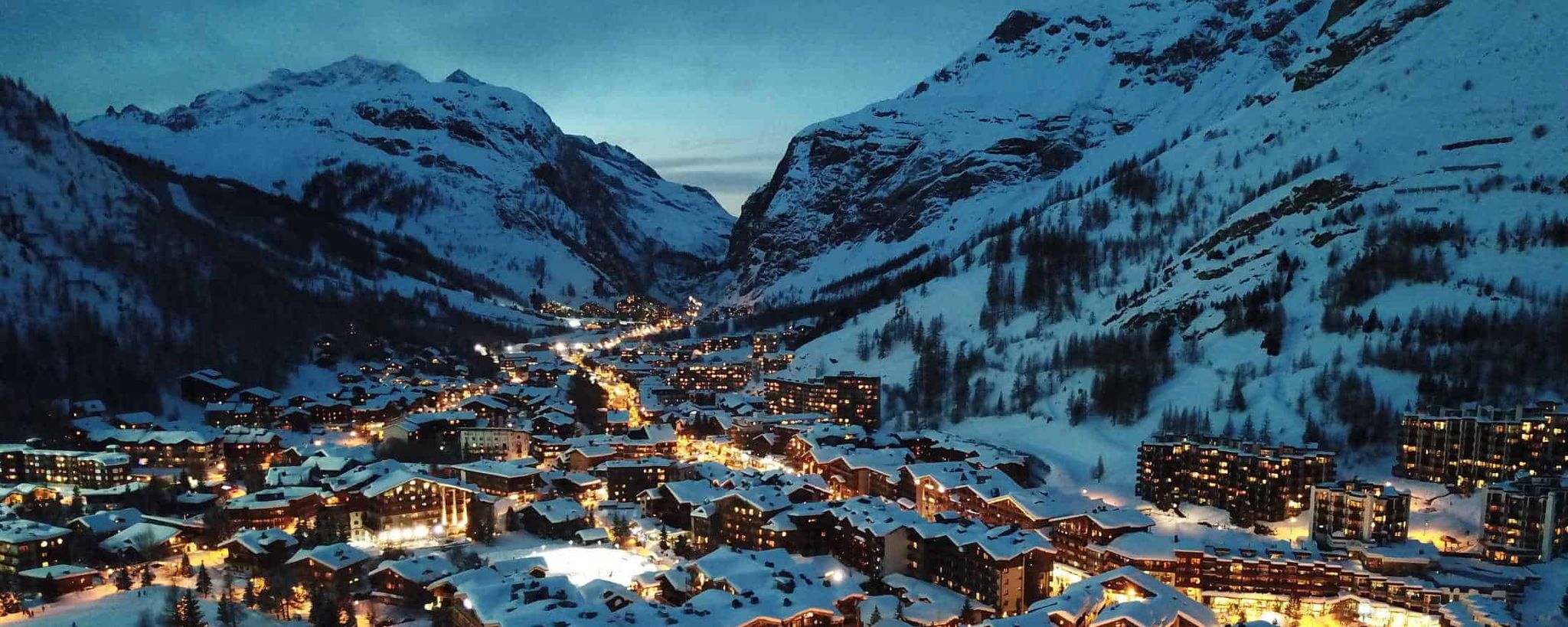
Val d'Isère shares the 300km Espace Killy with Tignes. The numbers are smaller than Verbier's, but the highest lift is comparable at 3,456m, the vertical drop is 1,906m, and the freeride heritage is equally legitimate. The Tour du Charvet, the Couloir du Pisteur, and the routes off the Pissaillas glacier give experts genuine challenge. The on-piste mix is more varied than Verbier's — there is more interesting cruising for intermediates here, and the local terrain feels more democratic.
For experts who measure resorts by their off-piste reputation, Verbier has the edge — the terrain is steeper, more committing, and more storied. For mixed groups that include intermediates who want serious skiing without committing to the off-piste, Val d'Isère is the more flexible mountain.
The Village & Apres-Ski
Both villages have genuine character — but they sit on opposite sides of the spectrum.
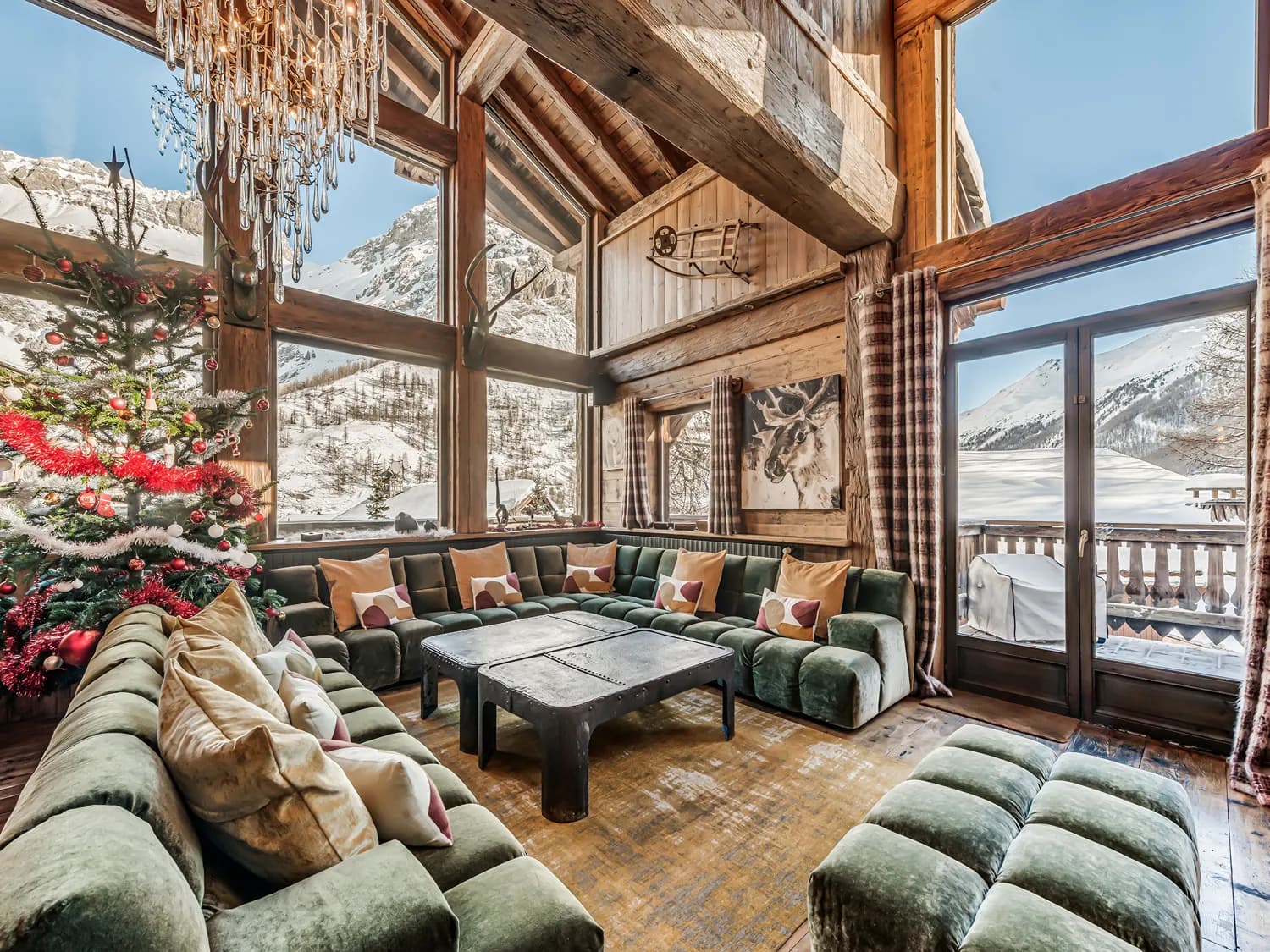
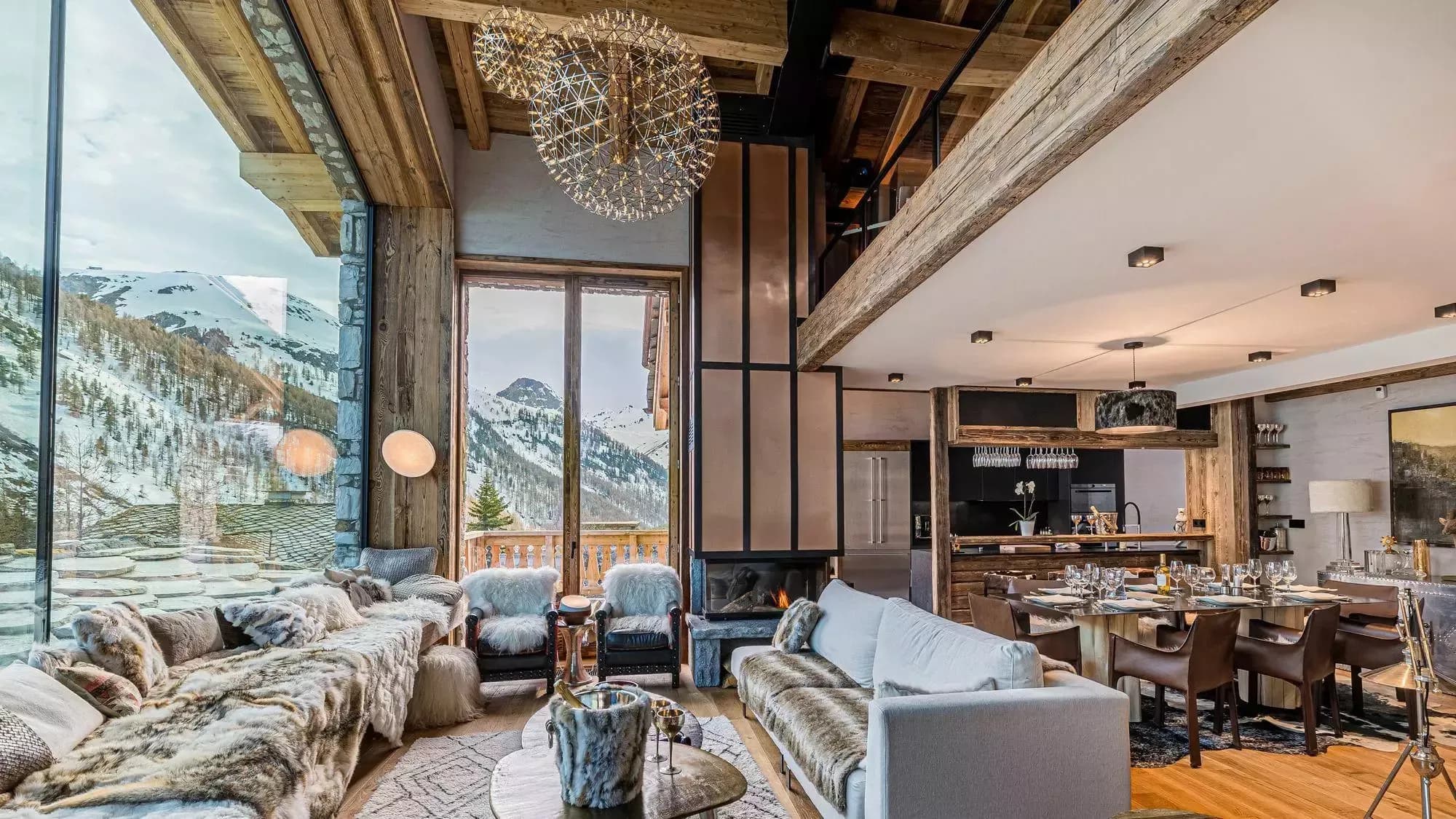
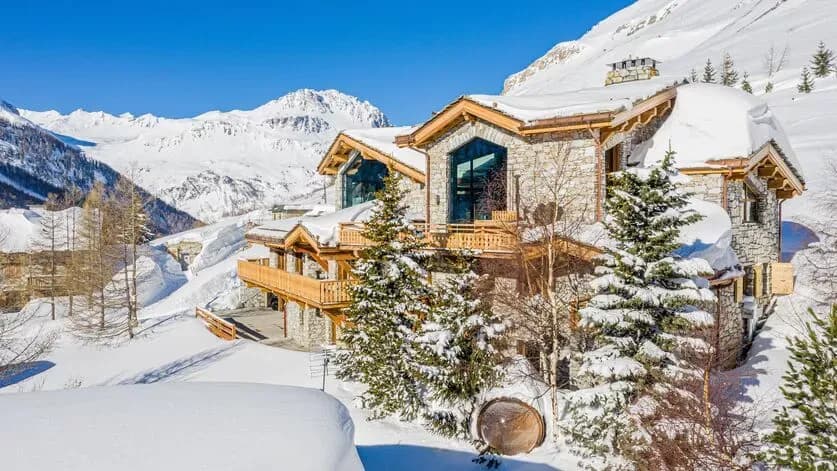
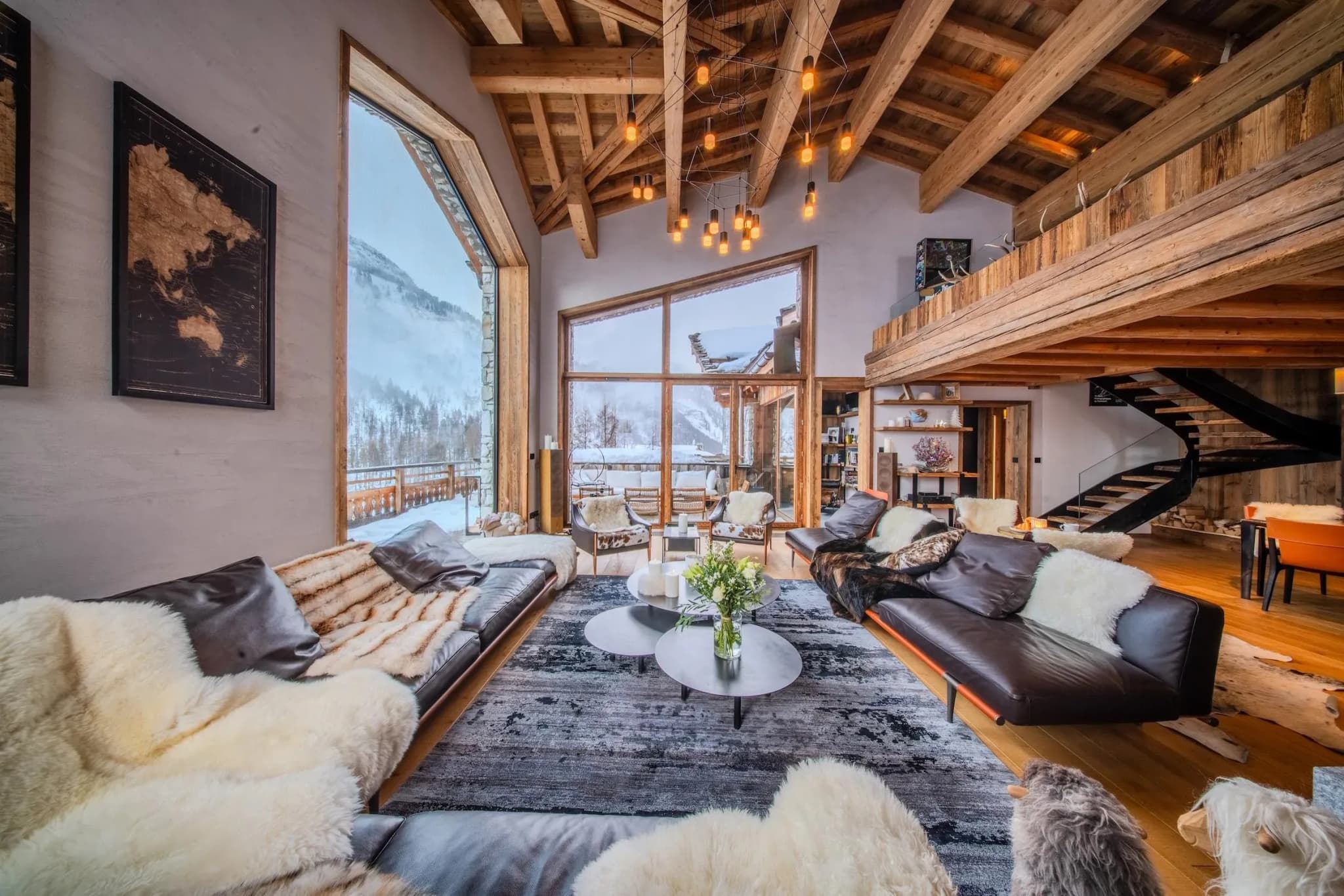
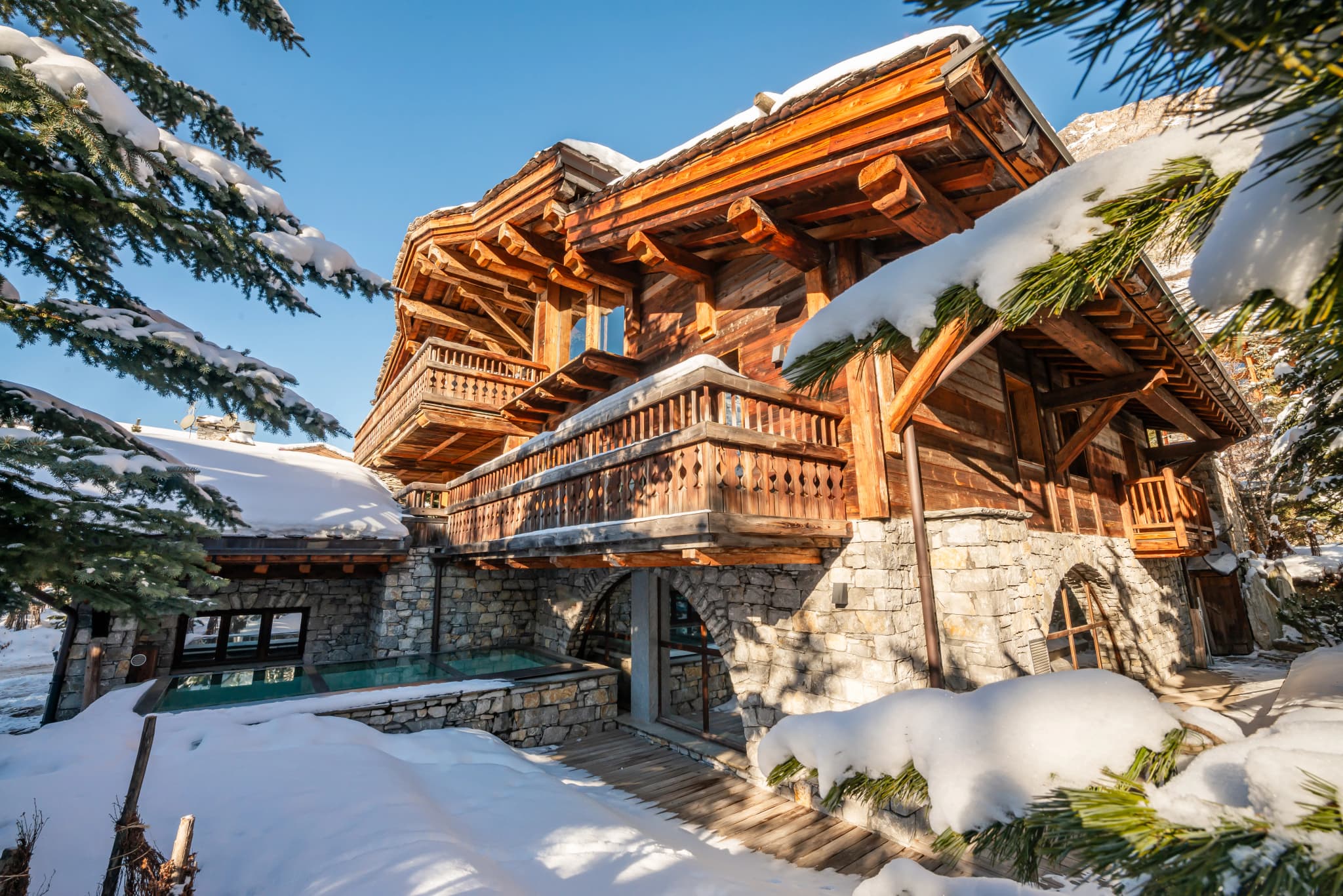
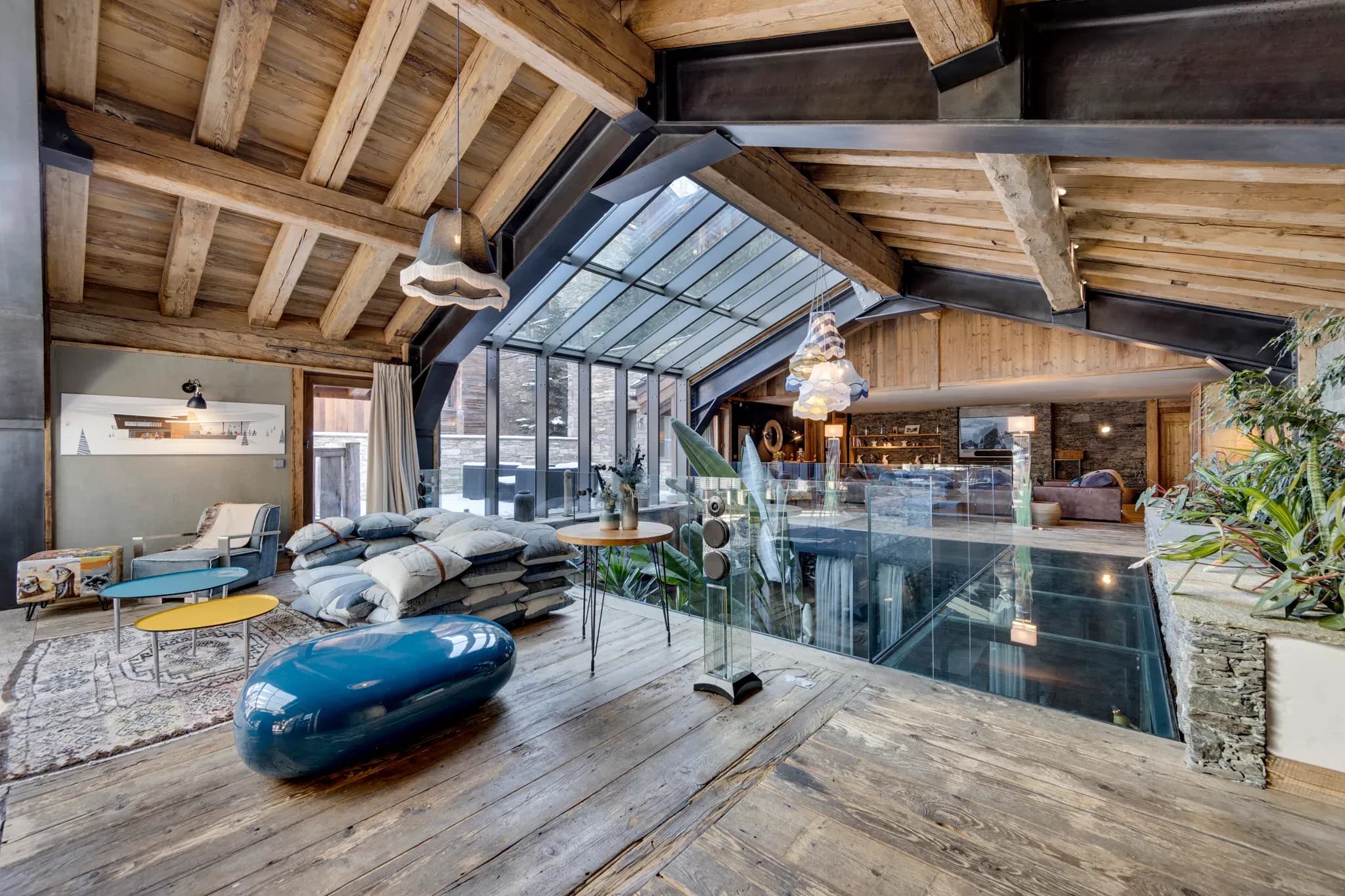
Verbier is a real mountain town first and a resort second. The streets have soul, the bars have personality, and the apres-ski scene anchored by Pub Mont Fort and the Farinet complex is among the best in Switzerland. The architecture is alpine-traditional rather than purpose-built, and the village feels lived-in rather than designed. The market for luxury chalets in Verbier skews modern and design-forward at the top end. There is a sporty, slightly youthful energy that appeals to skiers who want the resort to match their intensity on the mountain.
Val d'Isère has the same lived-in feel but with more refinement. The historic centre around the Saint-Bernard church is genuinely walkable, the dining scene is the strongest in the Tarentaise outside Courchevel, and the apres-ski is unmatched — La Folie Douce was born in Val d'Isère in the 1960s, and the original venue at the top of La Daille still defines the genre. The depth of luxury chalets in Val d'Isère is among the strongest in France. The village balances serious skiing with serious dining better than almost anywhere in the Alps.
Both resorts will satisfy travellers who want a real village experience. Verbier leans sportier and more international; Val d'Isère leans more sophisticated and more French.
Getting There
Both resorts are well-connected to Geneva.
Verbier: Geneva airport is the standard gateway at approximately 2 hours by car via the motorway and the Grand-Saint-Bernard tunnel. Le Châble, at the base of the Verbier cable car, has a train station with direct connections from major Swiss cities — a genuinely convenient rail option for guests already in Switzerland.
Val d'Isère: Geneva is around 3 hours by car, with Lyon a similar drive in good conditions. Bourg-Saint-Maurice train station is the closest major rail terminus, with seasonal Eurostar Snow Train service direct from London St Pancras and connecting TGVs from Paris.
Verbier wins on transfer time from Geneva by roughly an hour. Val d'Isère's rail option is meaningfully better for travellers arriving from London or Paris by train.
When to Visit
Both resorts share similar season characteristics — early December through late April — but their peak windows differ at the edges.
Verbier is at its best from mid-January through March for on-piste, but the freeride season extends into April. The FWT events in late March bring a particular buzz to the village. The lower elevations (especially around Le Châble) can struggle in lean snow years, but the upper mountain holds up well.
Val d'Isère's altitude advantage shows at both ends of the season. November to early December delivers reliable early-season skiing on Pissaillas, and April skiing remains strong well into late spring. Mid-January to mid-March is the consensus prime window for both resorts.
For spring skiing or shoulder-season trips, Val d'Isère's altitude is the deciding factor. For a freeride-focused trip in the heart of the season, both deliver equally.
The Verdict
Both resorts will satisfy serious skiers. The choice depends on what you want when you take your boots off.
Choose Verbier if you want: the more demanding off-piste terrain; the larger linked ski area at 412km; a livelier mountain-town atmosphere with a genuine sporty edge; the shorter Geneva transfer. Verbier is the resort where the mountain comes first and everything else follows.
Choose Val d'Isère if you want: a more varied terrain mix that works for mixed-ability groups; a stone-and-timber Alpine village with a working historic centre; the strongest apres-ski scene in the Tarentaise; a longer season buffered by altitude. Val d'Isère is the resort where the village experience holds its own against the skiing.
The shorthand many advisors use: Verbier for the mountain, Val d'Isère for the holiday.
Frequently Asked Questions
Is Verbier harder than Val d'Isère?
The on-piste terrain in Verbier skews steeper than Val d'Isère's overall, particularly in the local Verbier sector. The off-piste is comparable in difficulty but Verbier's reputation is more concentrated around demanding lines (Bec des Rosses, Mont Gelé). For intermediates, Val d'Isère's terrain is more forgiving.
Which has better luxury chalets — Verbier or Val d'Isère?
Both resorts have a strong luxury chalet market. Verbier's top-end inventory tends toward sleek modern designs, with Chalet Marmottière and The Alpine Estate as flagship examples. Val d'Isère's inventory leans more traditional Savoyard with contemporary interiors, and prices are broadly comparable across equivalent properties.
Can you ski between Verbier and Val d'Isère?
No. Verbier is in Switzerland's 4 Vallées system; Val d'Isère is in France's Espace Killy. They are approximately 200km apart and require a road or rail journey to switch.
Which has better apres-ski?
Val d'Isère, narrowly. The combination of La Folie Douce (which originated here), Cocorico, and Bananas creates a scene with more depth than Verbier's. That said, Verbier's Pub Mont Fort and Farinet complex are world-class venues in their own right — the gap is closer than the reputations suggest.
Which is better for non-skiers?
Both are good for non-skiers. Val d'Isère has the more walkable historic core and stronger restaurant density. Verbier has more fitness-and-wellness infrastructure (yoga studios, climbing walls, mountain-bike trails) plus broader summer infrastructure that translates to better non-skiing options in winter.