The Skiing
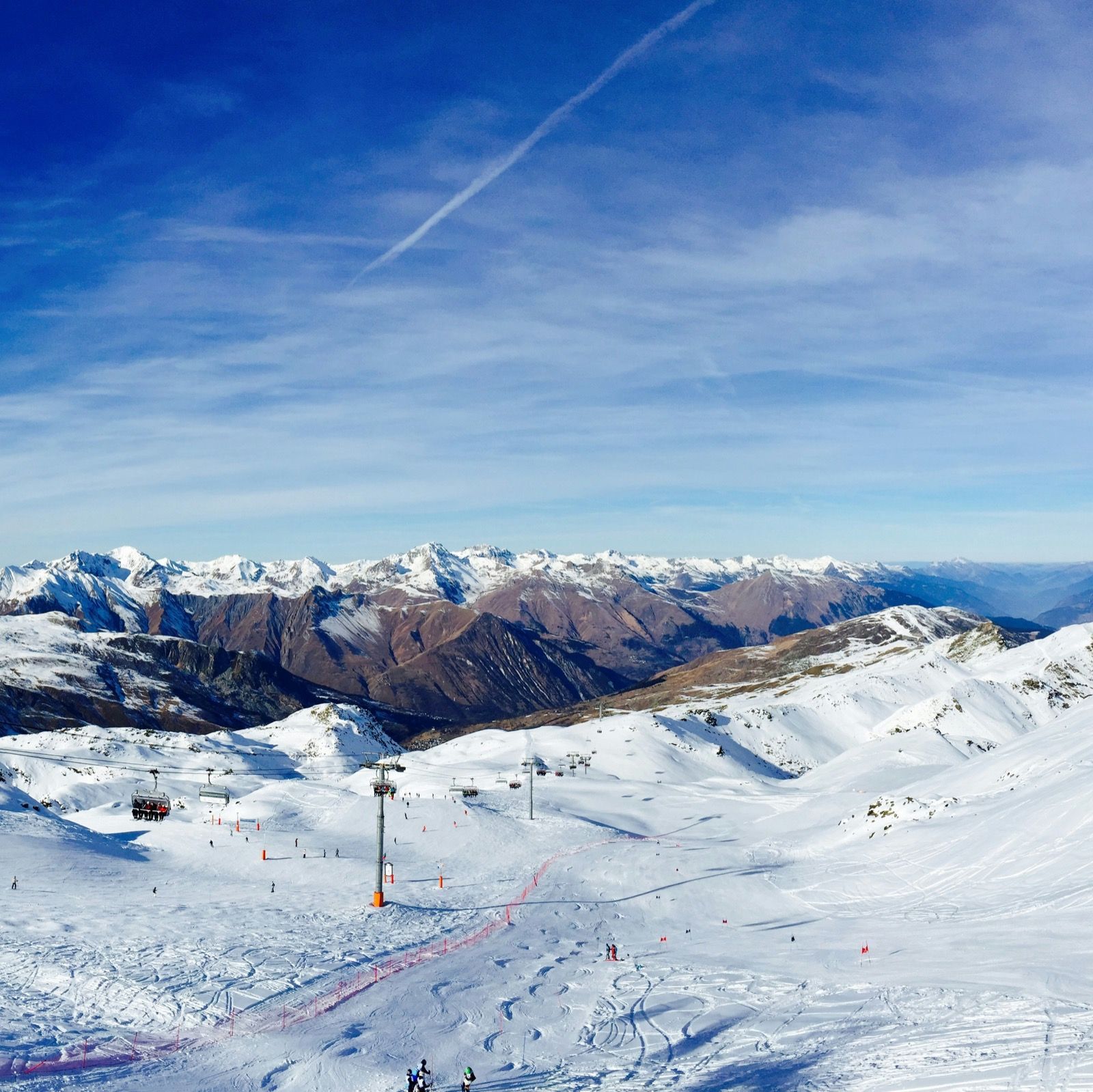
Val d'Isere and Tignes share the Espace Killy — 300km of linked pistes named after the great Jean-Claude Killy, who won triple Olympic gold here in 1968. You can ski freely between both resorts on a single lift pass. But within that shared system, each resort contributes something distinct.
Val d'Isere brings the prestige terrain. The Face de Bellevarde is one of the most celebrated piste runs in the Alps — a relentless, steep, wide descent that has hosted the men's downhill at two World Championships (1992 and 2009) and returns regularly to the FIS World Cup circuit. The Solaise sector opposite is more forgiving, with long cruising runs and sheltered tree-lined pistes that work well on poor visibility days. Off-piste, the Col Pers and Pisaillas glacier areas offer serious backcountry for guided groups. Val d'Isere's terrain rewards skiers who want technical challenge on groomed runs and well-earned freeride.
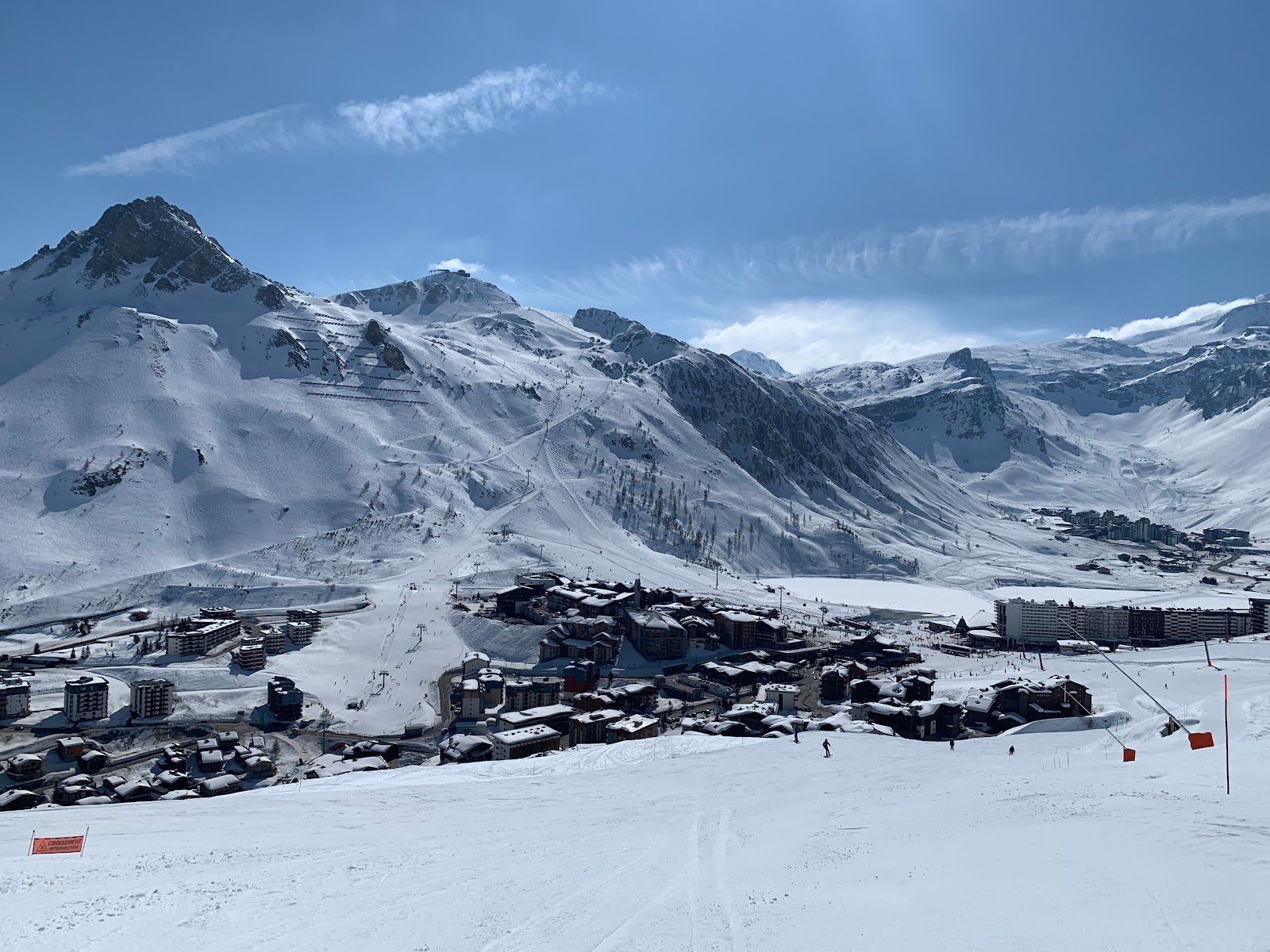
Tignes contributes the altitude advantage. The Grande Motte glacier at 3,456m is the highest point in the Espace Killy and one of the great glacier ski areas in the Alps — wide, gentle slopes at the top that are ideal for confident intermediates, with the vertical dropping away into steeper, more technical terrain lower down. The terrain parks on the glacier are among the best in Europe, with a half-pipe, multiple kicker lines, and features maintained throughout the season. Below the glacier, the runs above Tignes Le Lac and Val Claret offer sustained steeps, and the off-piste through the Chardonnet valley is outstanding. Tignes is where the Espace Killy's freestyle and freeride communities are based.
For skiers who value world-class piste skiing, race heritage, and quality off-piste with a guide, Val d'Isere's home terrain is stronger. For park riders, glacier enthusiasts, and those who prioritise altitude and snow quality above all else, Tignes delivers.
The Village & Apres-Ski
This is where the comparison becomes most stark. These two resorts, linked by lifts and minutes apart by road, could hardly be more different on the ground.
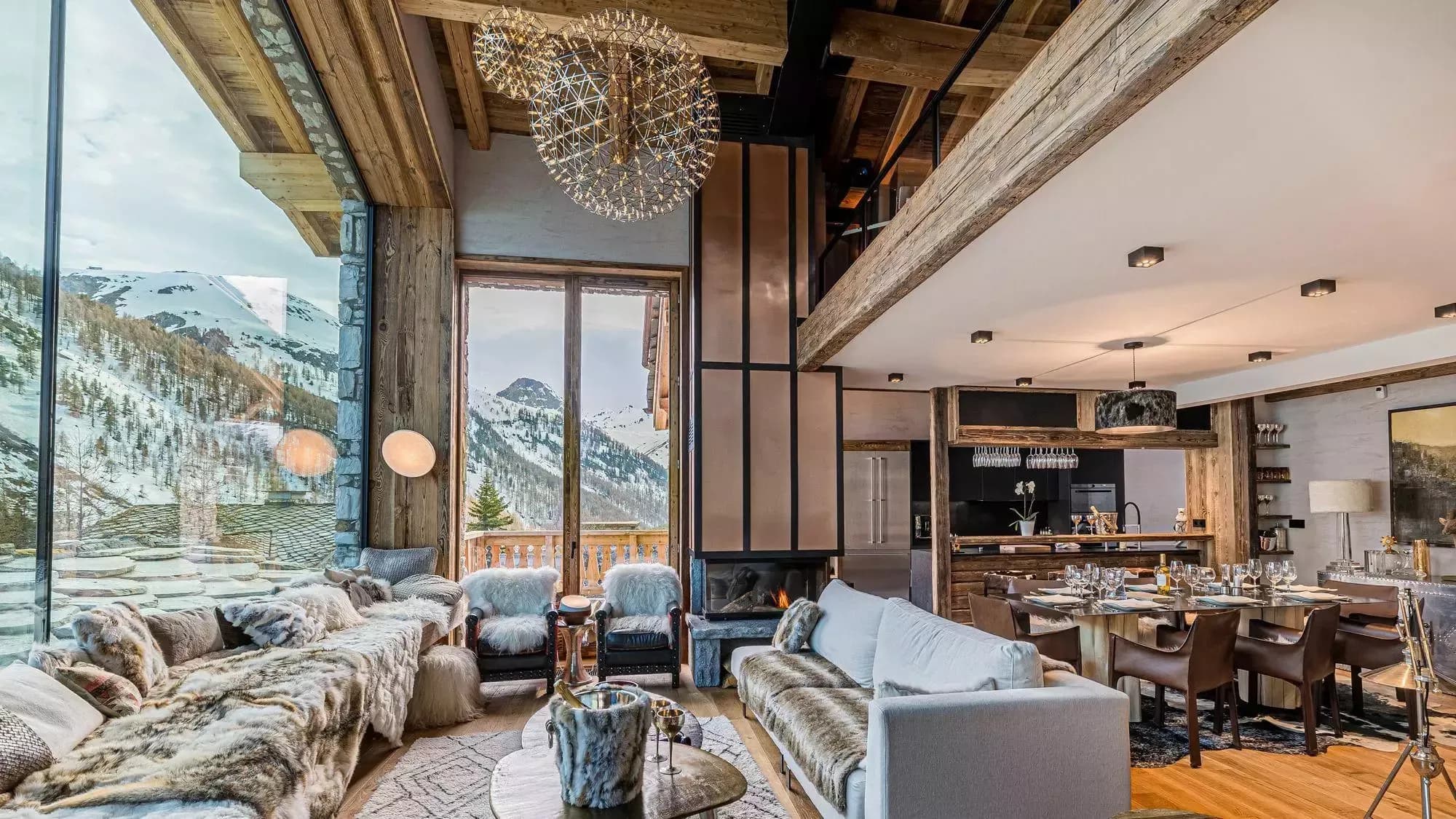
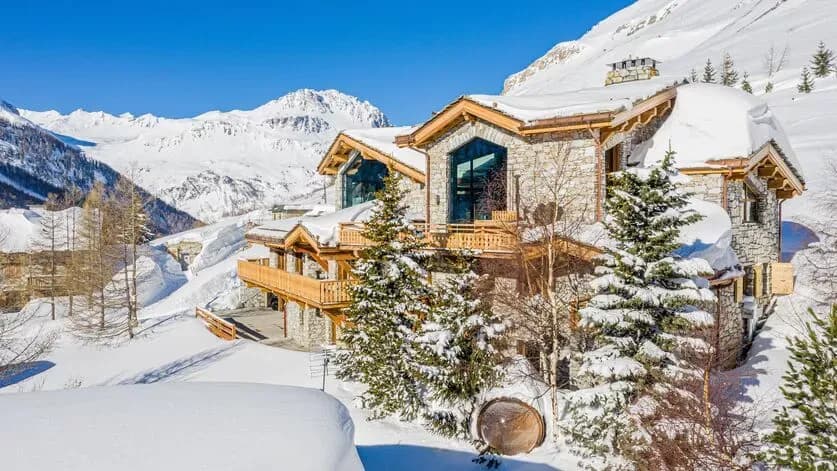
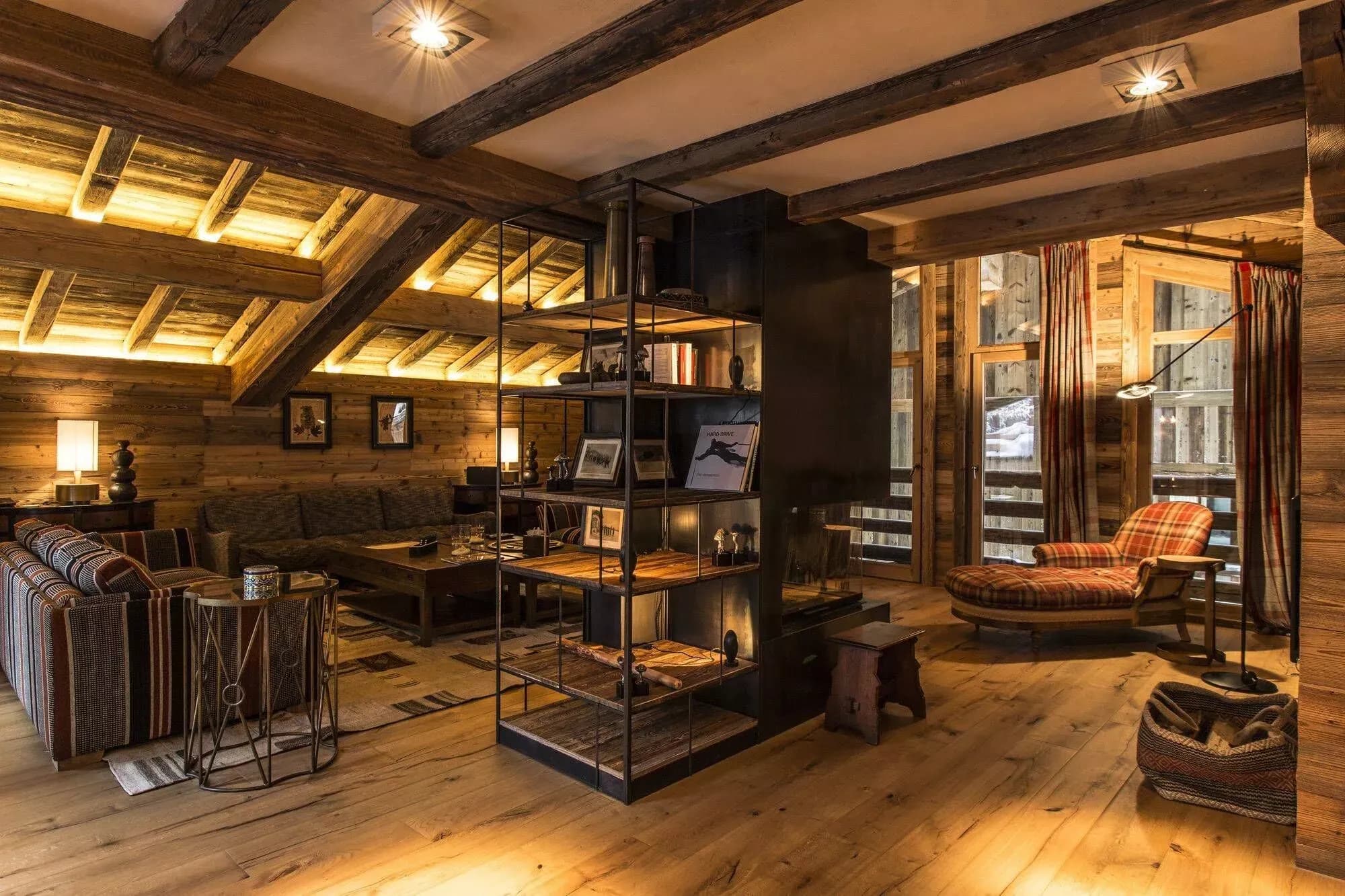
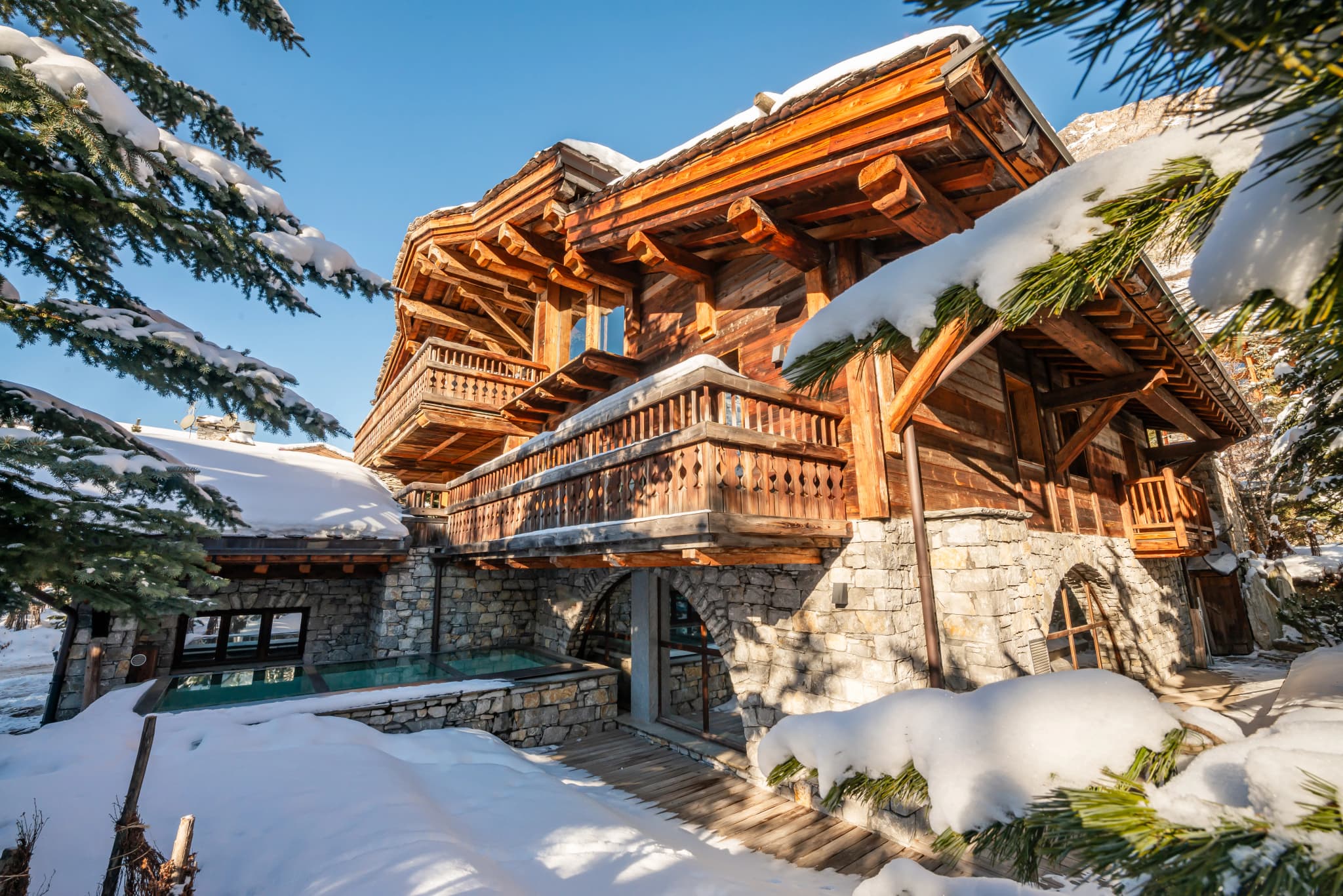
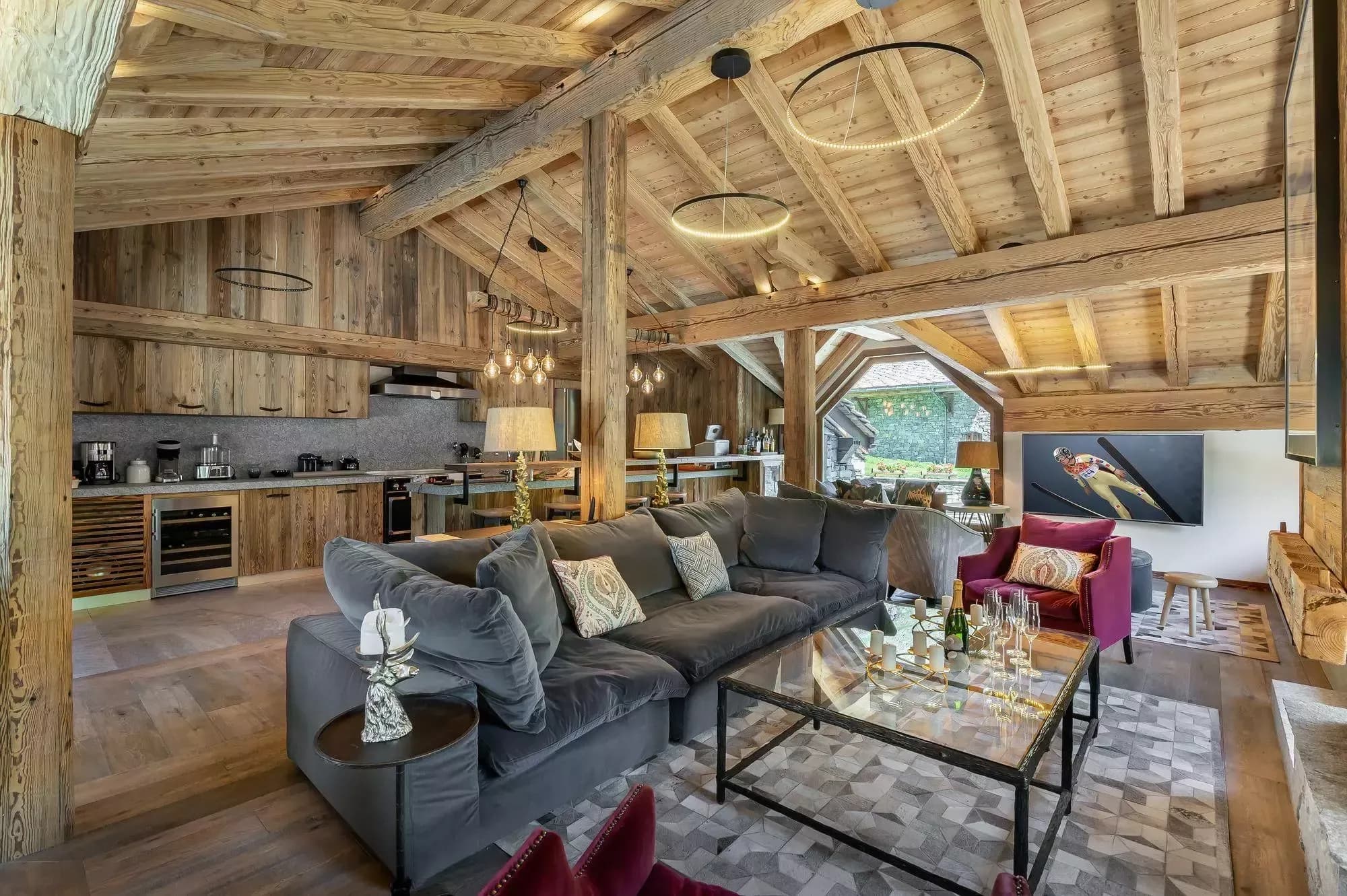
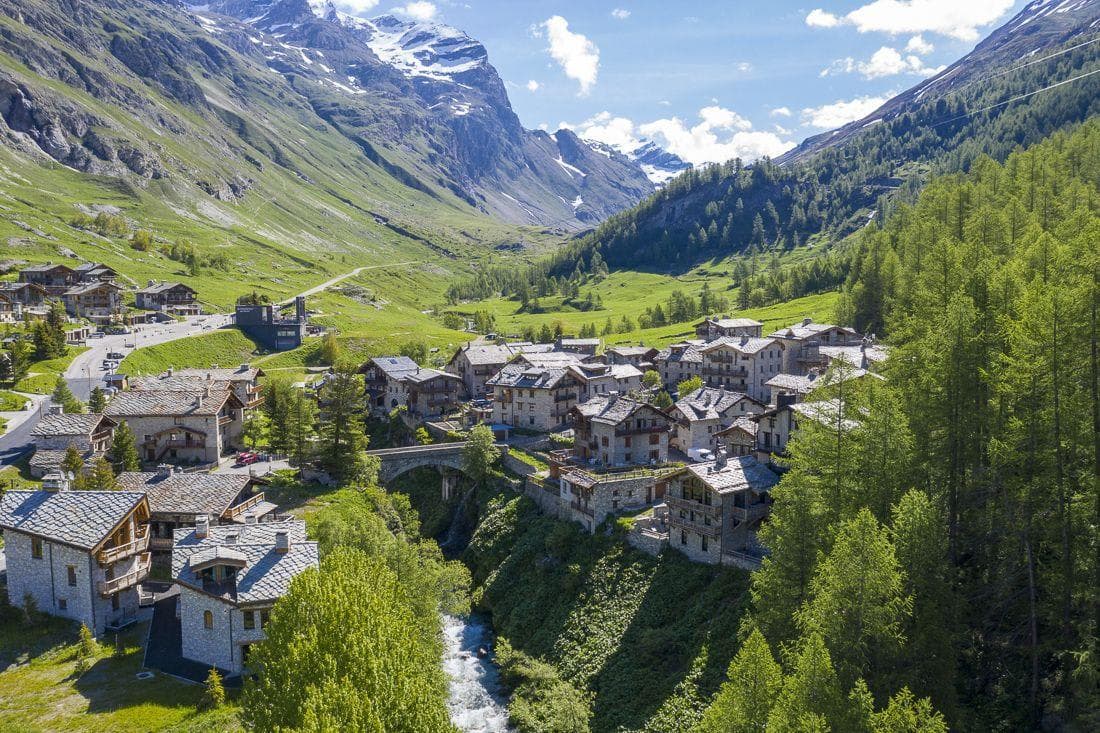
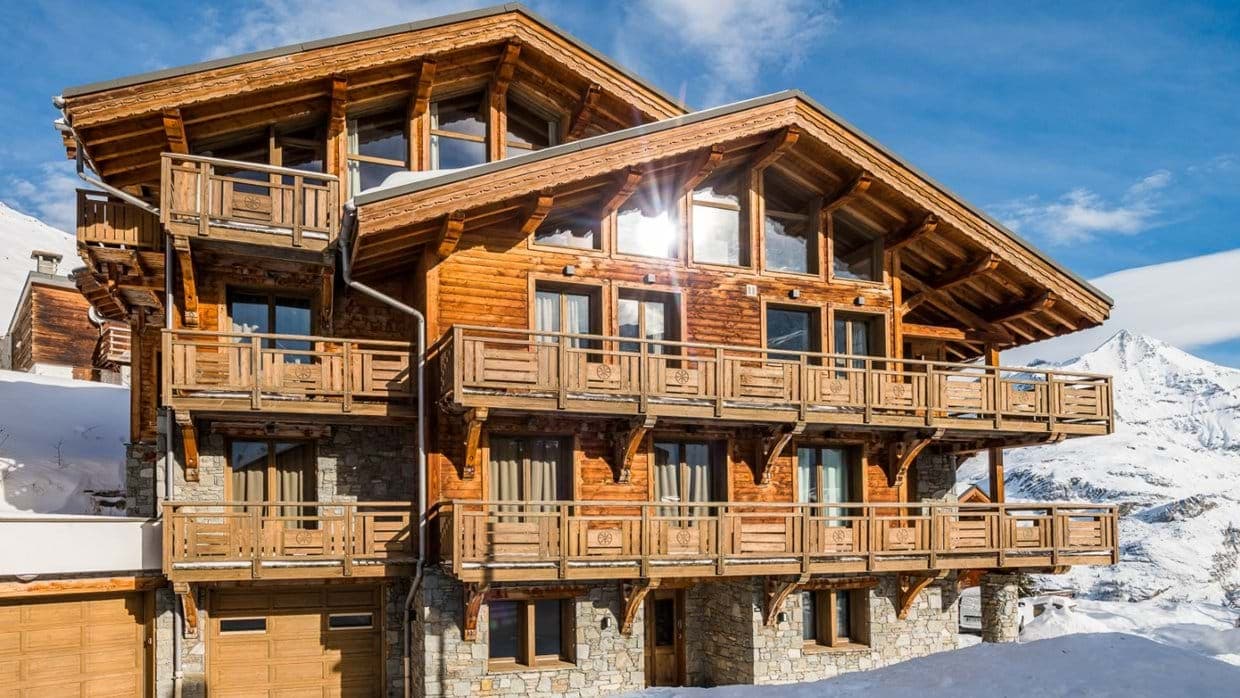
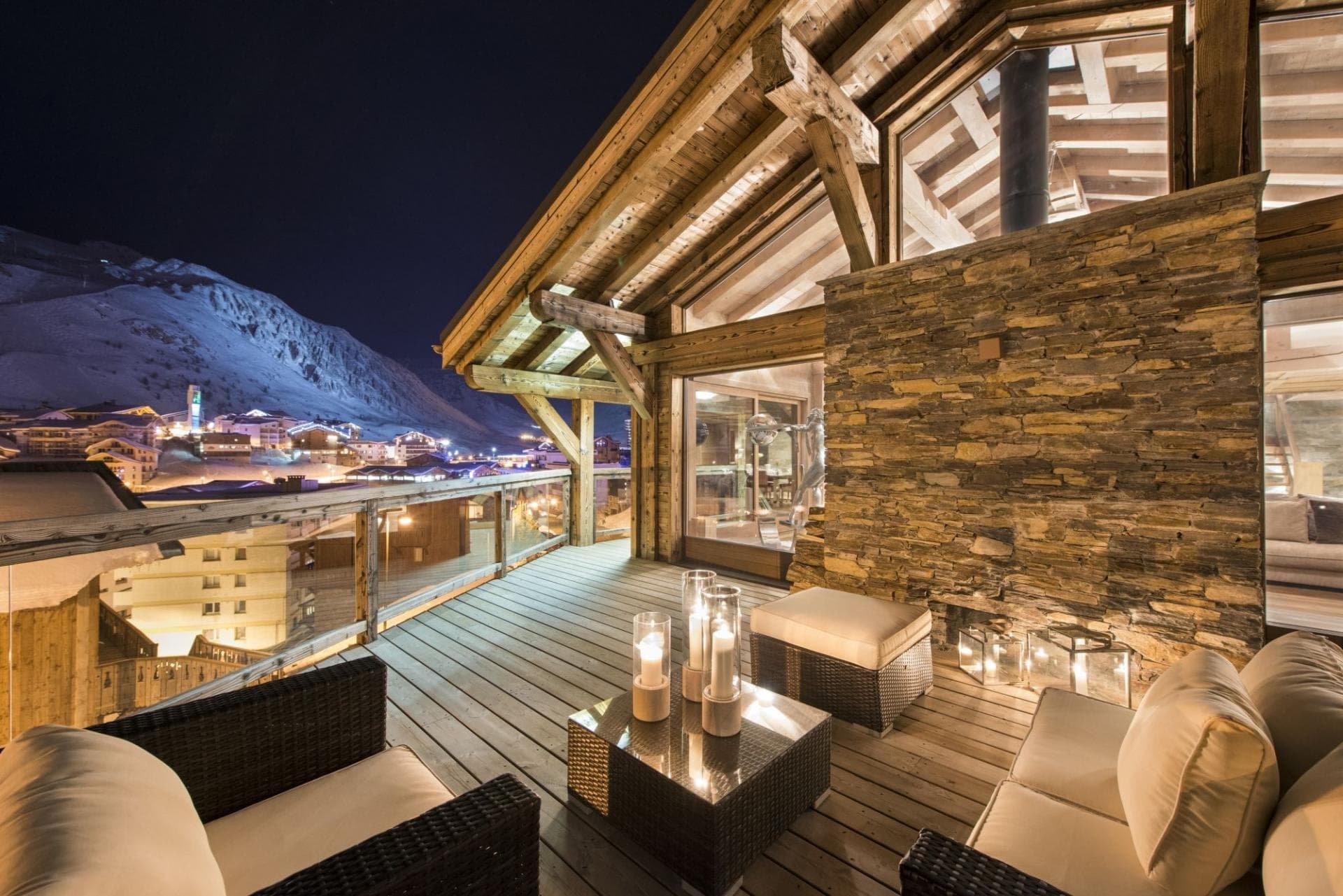
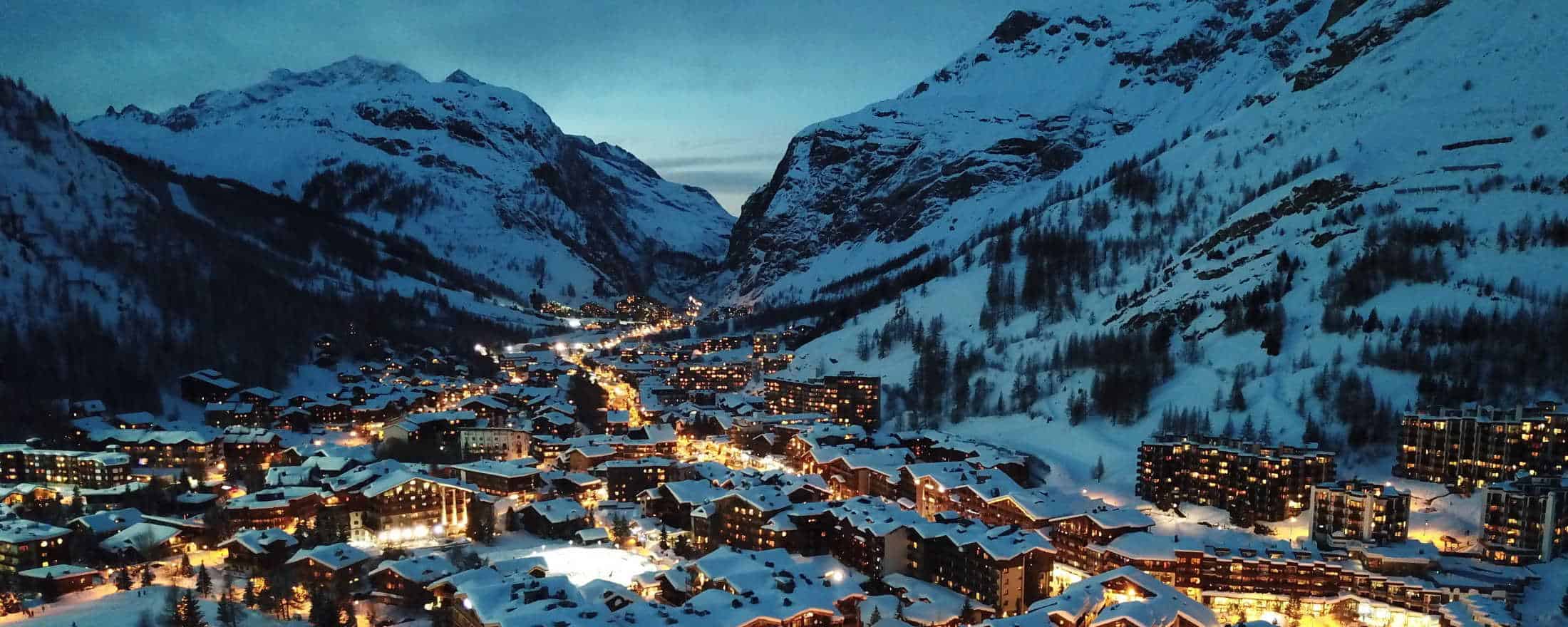
Val d'Isere has a real village at its heart — centuries-old stone buildings, a baroque church, and narrow streets that predate ski tourism entirely. That historic core gives the resort an authenticity most high-altitude French resorts simply cannot replicate. The dining scene is exceptional: L'Atelier d'Edmond holds a Michelin star in the hamlet of Le Fornet, La Table de l'Ours delivers refined Savoyard cuisine, and the village centre is lined with restaurants that range from serious gastronomy to excellent mountain fare. The apres-ski needs no introduction — La Folie Douce on the Bellevarde slopes is a phenomenon (live bands, dancing in ski boots, champagne sprayed from magnums by mid-afternoon), and the village takes over from there with Cocorico, Dick's Tea Bar, and Petit Danois keeping things going until late. Luxury chalets in Val d'Isere are among the finest in the French Alps, many with private pools, cinemas, and dedicated staff.
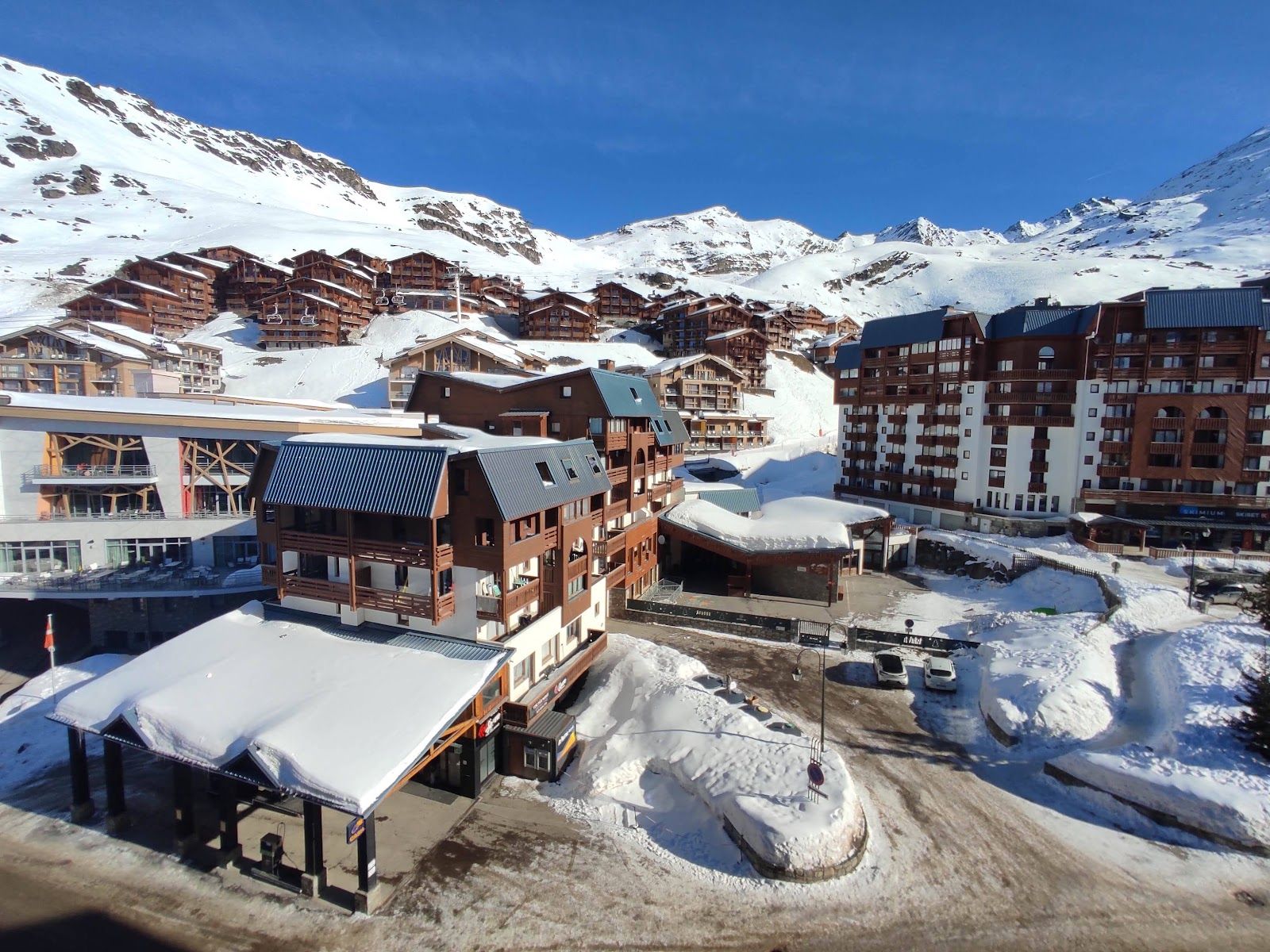
Tignes makes no pretence at being a traditional Alpine village. The main bases — Le Lac and Val Claret — were purpose-built in the 1960s and 70s with function over aesthetics firmly in mind. The architecture is brutalist concrete, though decades of renovation have softened things considerably, and the newer residences are markedly better. What Tignes lacks in charm it compensates for with convenience: everything is ski-in/ski-out, and the compact layouts mean you're never more than a few minutes from a lift. The exception is Les Brevieres at the bottom of the system — a genuine old Savoyard hamlet with real character and excellent restaurants including La Ferme des 3 Capucines. Apres-ski is more subdued — Loop Bar and Grizzly's are the main draws — and the overall atmosphere is sporty and laid-back rather than glamorous. Tignes attracts people who would rather have one more run than one more glass of champagne.
If village atmosphere, fine dining, and memorable evenings matter to you, Val d'Isere is in a different league. If you want uncomplicated ski-in/ski-out access and care more about the mountain than the main street, Tignes delivers precisely that.
Getting There
Both resorts sit at the end of the same Tarentaise valley, and you'll share the same road until the final fork — making the logistics almost identical.
Val d'Isere: Geneva is the standard international gateway at approximately 3 hours by car. Chambery (2h15) and Lyon Saint-Exupery (3h) are alternatives. The final approach from Bourg-Saint-Maurice climbs steadily through the valley, passing Tignes before reaching Val d'Isere at 1,850m. The road is well-maintained but can be slow in heavy snowfall. Bourg-Saint-Maurice has a train station served by the seasonal Eurostar ski train from London St Pancras — a civilised overnight option. Private transfers and helicopter services are well-established.
Tignes: The same airports serve Tignes, with transfer times roughly 15-20 minutes shorter since you turn off the valley road before reaching Val d'Isere. The split from the main road takes you up to either Le Lac (2,100m) or Val Claret (2,150m). The same Eurostar ski train to Bourg-Saint-Maurice works for Tignes with a marginally shorter onward transfer. In practical terms, if you can get to one resort, you can get to the other — the choice between them should never come down to logistics.
When to Visit
Both resorts benefit from the Espace Killy's high altitude and north-facing aspect, but Tignes pushes the season window further in both directions.
Val d'Isere typically opens in late November, often with a FIS World Cup event in early December that brings energy and media attention to the early season. The optimal window is January through mid-March, when snow depth is at its peak and the full Espace Killy system is operating. Late March through mid-April offers outstanding spring skiing — sunny terraces, softening snow, and thinner crowds once the French school holidays end. The resort closes in late April or early May depending on conditions.
Tignes stretches the calendar further than almost any resort in the Alps. The Grande Motte glacier opens as early as October, and the main resort season runs from November through May. Summer glacier skiing from late June through August adds a dimension no other major French resort can match. For the main winter season, January through March delivers the best conditions, but Tignes is a strong play for early season (November-December) and late season (April-May) trips when lower resorts are borderline. If you want to guarantee snow regardless of when you book, Tignes is the safer bet.
The Verdict
These two resorts share the same ski area but deliver fundamentally different holidays. The terrain is linked; the experience is not.
Choose Val d'Isere if you want: a historic village with genuine Alpine character; world-class dining including Michelin-starred restaurants; the best apres-ski in France; legendary piste skiing on the Face de Bellevarde; exceptional luxury chalets with full staff and private facilities. Val d'Isere is the resort where the mountain and the village are equals — you ski hard, and the evenings match.
Choose Tignes if you want: the highest, most snow-sure base in the Espace Killy; glacier access that extends the season from October to August; first-rate terrain parks and freestyle infrastructure; ski-in/ski-out convenience without pretension; better value for money on accommodation and dining. Tignes is the resort for skiers who are drawn by the mountain first and find everything else secondary.
The pragmatist's solution, of course, is to book in one and ski both. But where you return to at 4pm — stone streets and champagne, or ski-in convenience and a quiet beer — that's the question that determines which village should have your name on a door.
Frequently Asked Questions
Can you ski between Val d'Isere and Tignes?
Yes, freely. Val d'Isere and Tignes form the Espace Killy, a fully linked ski area with 300km of pistes. Multiple lift and piste connections operate between the two resorts throughout the day. A single Espace Killy lift pass covers both. You can comfortably ski in one resort in the morning, cross to the other for lunch, and return by late afternoon.
Which resort is better for beginners — Val d'Isere or Tignes?
Tignes has a slight edge for beginners. The nursery area at Le Lac and the wide, gentle slopes on the lower glacier are well-suited to first-timers, and the progression to longer blue runs is natural. Val d'Isere's nursery slopes are adequate but surrounded by steeper terrain that can feel intimidating. Both resorts have excellent ski schools, but Tignes' gentler topography around the base areas makes early learning more comfortable.
Is Val d'Isere more expensive than Tignes?
Yes, notably so. Val d'Isere's village character, dining scene, and luxury chalet stock push accommodation and restaurant prices higher. A comparable standard of chalet or apartment will typically cost 20-30% more in Val d'Isere than in Tignes. The lift pass is the same price for both (the Espace Killy pass covers the full area), and ski hire rates are similar. For groups watching their budget without compromising on skiing quality, Tignes offers significantly better value.
Which resort has better snow — Val d'Isere or Tignes?
Tignes has the edge on raw snow statistics. Its main bases (Le Lac at 2,100m, Val Claret at 2,150m) sit 250-300m higher than Val d'Isere's village, and the Grande Motte glacier at 3,456m guarantees snow when lower areas struggle. Val d'Isere compensates with excellent snowmaking and north-facing slopes that hold snow well. In a normal winter, both resorts deliver outstanding snow conditions from December through April. In a lean snow year, Tignes' altitude advantage becomes meaningful.
Is Tignes good for families?
Yes, particularly Tignes Le Lac. The compact, car-free village centre is easy to navigate with children, and the flat terrain around the lake is gentle for beginners. The Lagon leisure complex includes a pool and activities for non-skiing days. The ski-in/ski-out layout means no bus rides or long walks in ski boots. Tignes won't match the family infrastructure of Meribel or Courchevel — there are fewer catered chalets with childcare — but for active families who prioritise skiing convenience and value, it works well.