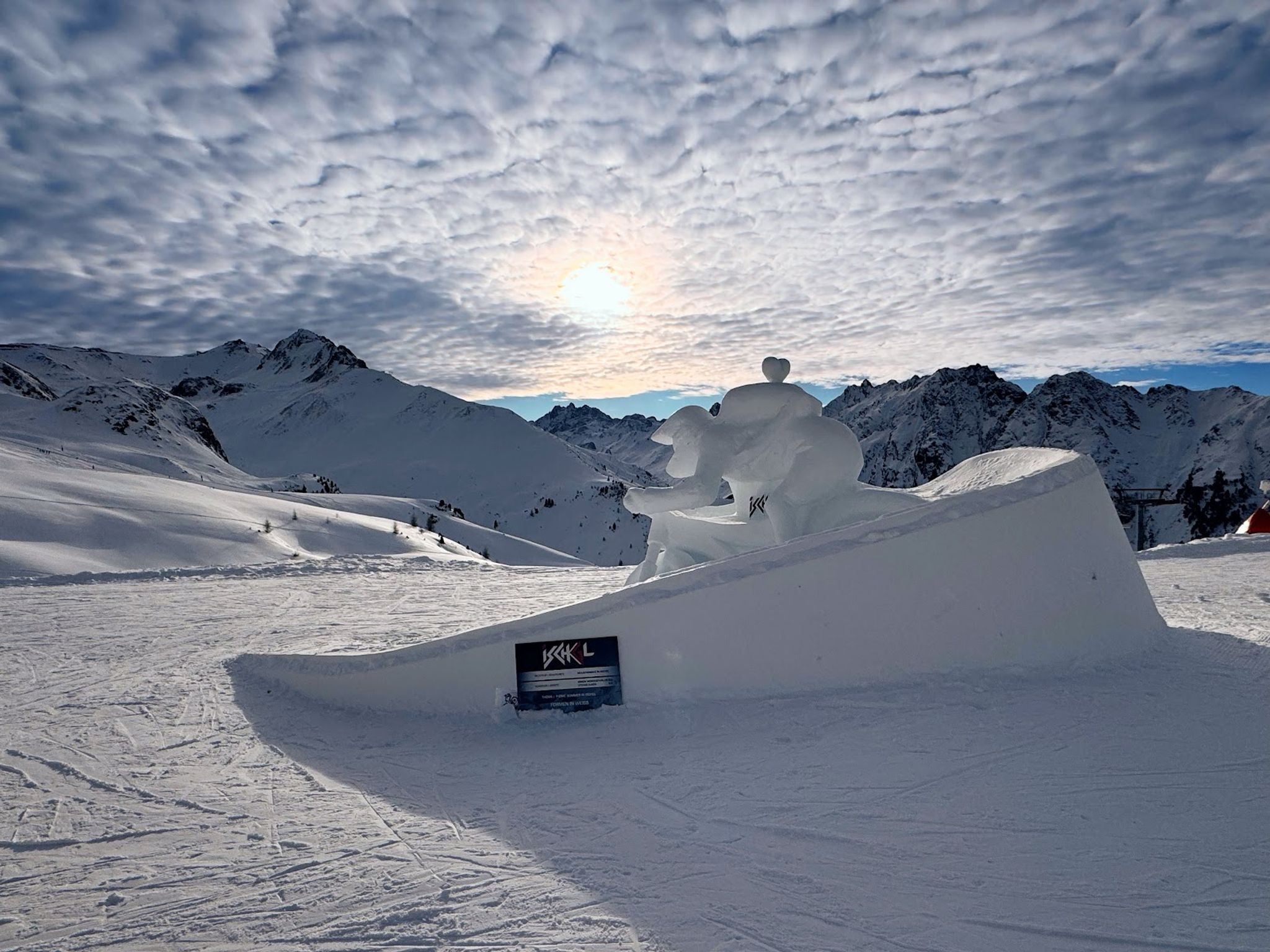
Two Tyrolean villages, both household names in British ski circles, both famous for parties that have made it into folklore. Yet St. Anton and Ischgl are not interchangeable. One is the spiritual home of Alpine skiing, a freeride sanctuary with a railway station in the centre of town. The other is a sleek, high-altitude playground that has been quietly perfecting the art of the modern ski week. Here is how they stack up for a luxury booking this winter.
The Skiing
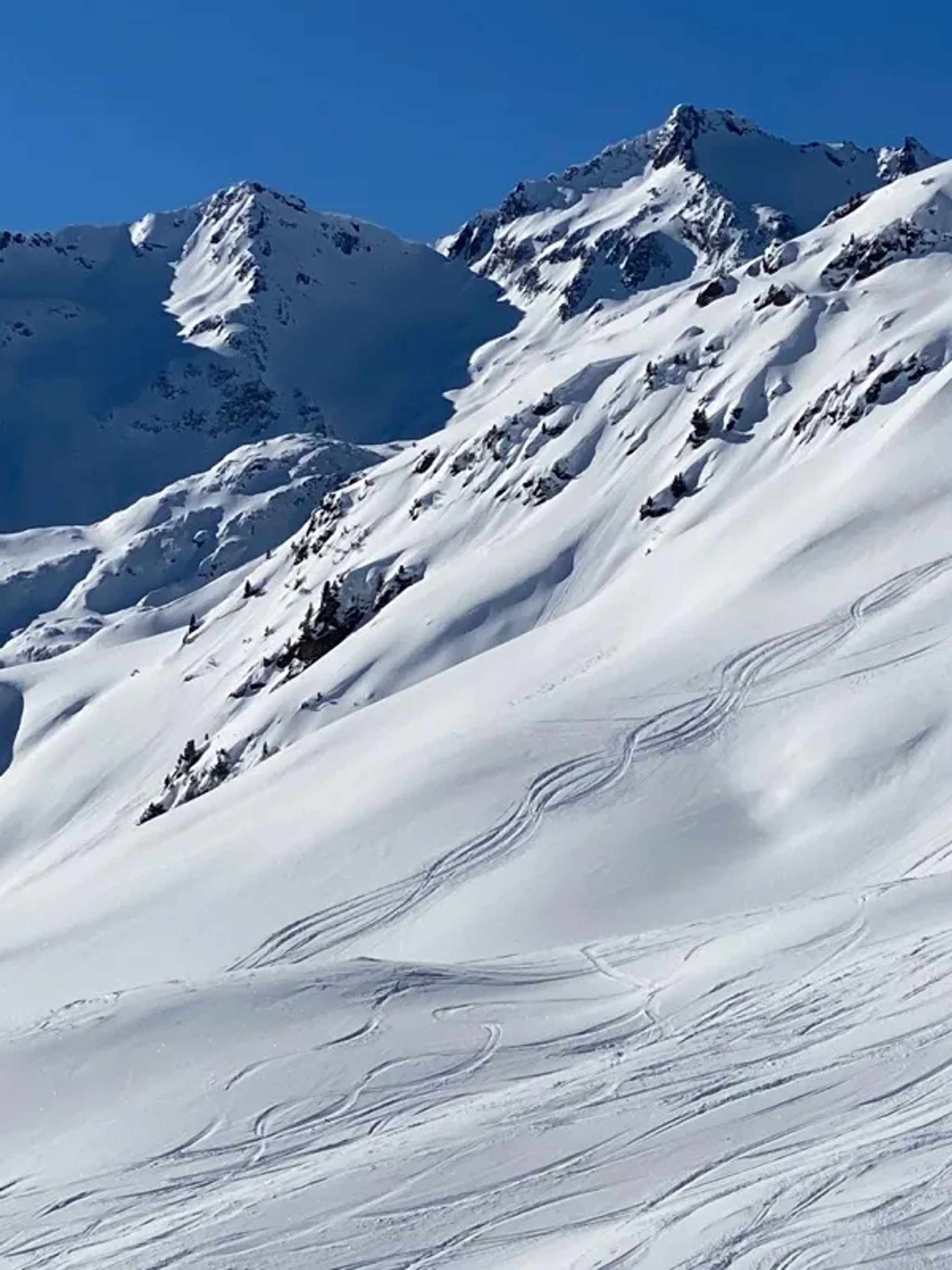
St. Anton sits at the heart of Ski Arlberg, Austria's largest interconnected ski area, with 302km of pistes linking St. Anton, St. Christoph, Stuben, Zürs, Lech and Warth-Schröcken. Numbers, though, only tell part of the story. The resort's reputation rests on its un-groomed ski routes and a wealth of freeride terrain off the Valluga, Schindler Kar and beyond. Beginners often find the home runs steeper and busier than expected, but advanced skiers tend to leave converted.
Ischgl plays a different game. The Silvretta Arena delivers 239km of pistes spread either side of the Austrian-Swiss border, with the vast majority of terrain sitting comfortably above 2,000 metres. The skiing skews towards confident intermediates: long, fast, immaculately groomed reds that flow from Idalp out to Palinkopf, Greitspitz and across to Samnaun. There is genuine challenge on the steeper descents and serious off-piste off Piz Val Gronda, but the resort's signature is mileage on perfect corduroy.
The texture of a ski day differs accordingly. In St. Anton you plan around guides, snow reports and which itinerary route is in condition. In Ischgl you plan around how many border crossings you can squeeze in before lunch at Alpenhaus. Both reward strong skiers; only one rewards skiers who want to ski everything that isn't a piste.
The Village and Après-Ski
Both villages have a legitimate claim to the title of Europe's après-ski capital, and both wear it differently. St. Anton's institutions, the MooserWirt and Krazy Kanguruh, sit directly on the home run, so the party starts in ski boots on a sunny terrace and tips, by mid-afternoon, into table-dancing and Euro-pop. The pedestrianised village then absorbs the crowd into its bars, Tyrolean restaurants and late-night spots, with the historic Museum Restaurant and Hazienda offering more grown-up evenings when you need them.
Ischgl is glossier. The après-ski at Kuhstall, Trofana Alm and Schatzi Bar is every bit as loud, but the village around it leans noticeably more luxurious, with a concentration of four- and five-star superior hotels and gourmet rooms like Paznauner Stube and Stüva. Underground pedestrian tunnels with moving walkways shuttle guests between gondolas and hotels, which sounds gimmicky until you've used them in ski boots at minus ten. Add the Silvretta Therme spa complex and the season-bookending Top of the Mountain concerts and the picture is clear: Ischgl is a resort that has invested heavily in polish.
Neither village is sleepy. If you want quiet Alpine evenings under wood beams, look elsewhere. If you want energy with a choice of registers, both deliver.
Getting There
St. Anton. The headline feature is the mainline railway station in the village itself, served by direct international trains. Innsbruck Airport sits roughly 100km away with transfers of around an hour and a quarter, and shared shuttles, private cars and direct trains from Zurich all work cleanly. Once in resort, the village is compact and pedestrianised, so a hire car is rarely worth the effort.
Ischgl. Transfers from Innsbruck cover a similar distance and time, with Munich and Zurich also realistic. Rail passengers head to Landeck-Zams and pick up the Postbus Line 260 straight into the Paznaun Valley. The village itself is built for arrivals: multi-storey underground parking at the village entrance, free ski buses to Galtür, Kappl and See, and those tunnels linking the three main valley gondolas.
In practical terms, St. Anton wins for anyone arriving by train, and is the easier choice for a no-car week with multiple drop-offs. Ischgl is marginally easier if you are driving in with luggage for a family or a hotel-based group.
When to Visit
St. Anton runs from early December to late April, with an average of around 7m of snow per season and a famously reliable mid-season base. The resort comes into its own from January onwards, when the high routes off the Valluga settle in and the freeride windows open up. February half-term is busy and pricey, and should be booked many months out.
Ischgl runs slightly longer at both ends, from late November to early May, helped by that high-altitude geography and around 5.5m of average snowfall. Early-season skiing here is genuinely worthwhile, which is unusual in the Alps, and the resort's spring weeks, capped by the closing Top of the Mountain concert, are an experience in their own right.
If snow-sure dates either side of the core season matter, Ischgl has the edge. If you are chasing classic mid-winter powder days off-piste, St. Anton is hard to beat.
The Verdict
These are two of Austria's most accomplished ski resorts, and choosing between them is less about quality and more about temperament. They reward different kinds of skier and different kinds of holiday.
Pick St. Anton if your week revolves around the mountain itself: ski routes at first light, a long lunch at Verwallstube or Hospiz Alm, an afternoon at the MooserWirt, and a chalet big enough to host the whole group. The Arlberg network is one of the great ski areas of the world, and the village still feels like a place where skiing comes first.
Pick Ischgl if you want a more curated week: high-altitude cruising on flawless pistes, a hotel with serious spa credentials, dinner at a kitchen worth flying in for, and the confidence that the snow will be there from late November to May. It is the more polished product, and for many travellers that is exactly the point.
Choose St. Anton for freeride credentials, Arlberg scale and chalet-led group stays.
Choose Ischgl for high-altitude reliability, hotel luxury and gourmet evenings.
Frequently Asked Questions
Which resort is better for advanced and expert skiers?
St. Anton has the stronger case, thanks to its extensive un-groomed ski routes, steep terrain off the Valluga and Schindler Kar, and access to the wider 302km Ski Arlberg network. Ischgl is excellent for advanced skiers who enjoy fast reds and lift-accessed off-piste, but its identity is built around confident intermediates rather than dedicated freeriders.
Is Ischgl more luxurious than St. Anton?
Ischgl has a denser concentration of four- and five-star superior hotels, VIP mountain clubs and gourmet restaurants such as Paznauner Stube and Stüva, which gives it a polished, hotel-led feel. St. Anton answers with trophy chalets like Chalet Tannenhof and Chalet Eden Rock, so the style of luxury differs: hotel suites and spas in Ischgl, private chalet takeovers in St. Anton.
How do the après-ski scenes really compare?
Both are legendary, but the flavour is different. St. Anton's MooserWirt and Krazy Kanguruh sit on the home run and define the ski-boot, table-dancing template, while Ischgl's Kuhstall, Trofana Alm and Schatzi Bar are woven into a more upscale village fabric with hotel bars and late-night clubs close at hand.
Which resort is easier to reach from the UK?
Both use Innsbruck Airport at roughly 100km, with transfers around an hour and a quarter. St. Anton is the standout for rail travellers thanks to its mainline station in the village; Ischgl is reached via Landeck-Zams and a direct Postbus, with arrival logistics smoothed by large underground parking at the village entrance.
When is the best time to book for the best snow?
St. Anton is at its most reliable from January through March, with an average of around 7m of snowfall and consistently strong mid-season conditions. Ischgl's high-altitude Silvretta Arena extends the window at both ends, running from late November to early May, which makes it a stronger choice for early-season or late-spring trips.