Quick Answer
Both resorts share the same Arlberg lift pass — 305km of linked pistes served by 88 lifts, the largest interconnected ski region in Austria. St Anton draws expert skiers for its steep home terrain (the Valluga, Schindler Kar) and the Alps' most famous après scene at Mooserwirt. Lech is refined Austrian royalty — quieter, more groomed, a long-standing favourite of European nobility. Pick St Anton for expert terrain and nightlife; Lech for refinement and family-friendly cruising.
The Skiing
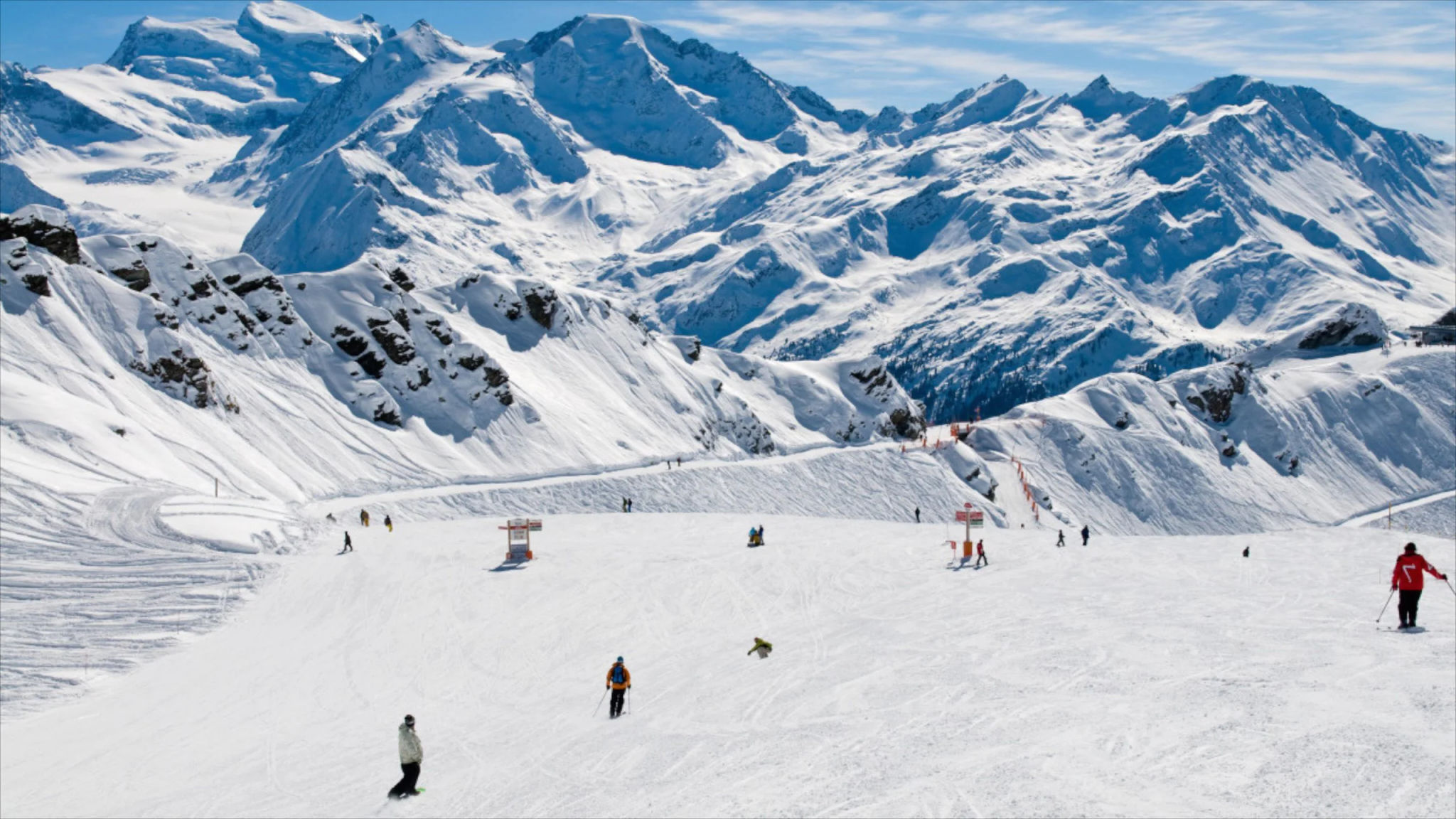
This is the detail that catches most first-time visitors off guard: St. Anton and Lech share the same lift pass and the same linked ski area. Ski Arlberg is the largest interconnected ski region in Austria — 305km of marked pistes served by 88 lifts, stretching from St. Anton and St. Christoph in the west through Stuben, Zürs, and Lech to Warth-Schröcken in the east. You can ski from one resort to the other on a single day, and many visitors do. The question isn't which has more terrain — it's which terrain you'll ski most, and which village you want to return to at the end of the day.
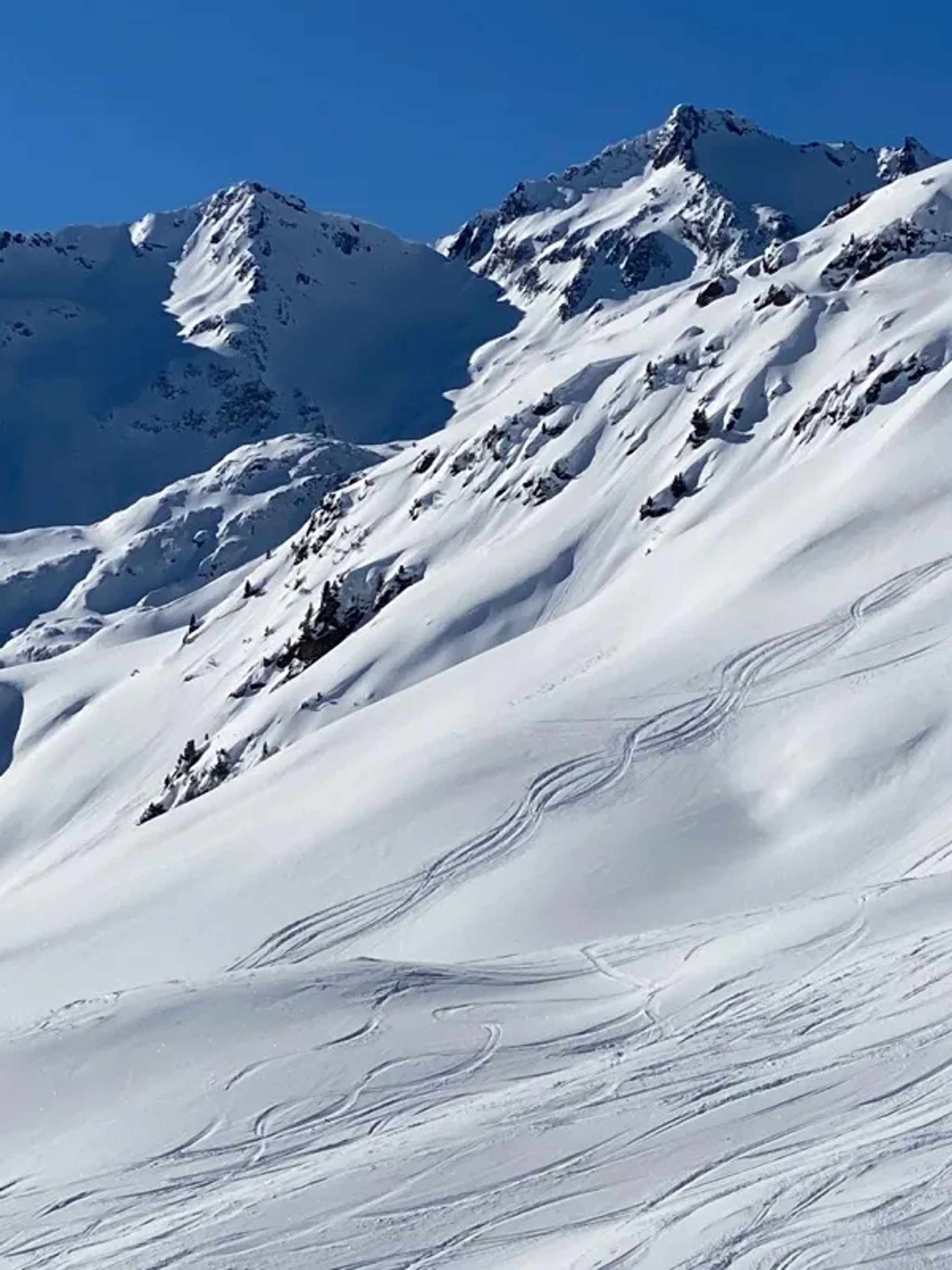
St. Anton's home terrain is among the most challenging of any major resort in the Alps. The Valluga summit at 2,811m drops into steep, north-facing couloirs that draw expert skiers from across Europe. The marked runs from Galzig and Kapall are demanding reds and blacks — wide, sustained, and genuinely steep. Off-piste, St. Anton is in a class of its own: the run from the Valluga summit (accessed by a small cable car that requires a guide), the Schindler Kar, and the vast backcountry between Stuben and Langen are legendary. This is a resort where ski guiding culture runs deep and the mountain restaurants are full of people still in their helmets at 2pm. The terrain suits strong intermediates upwards, with a bias toward experts.
Lech sits higher at 1,450m and accesses much of the same Arlberg system from its northern side. The skiing directly above the village is gentler and better groomed — long, rolling blues and moderate reds that make for effortless cruising. The Rüfikopf cable car connects to Zürs and the wider Arlberg circuit, and the 2016 Flexenbahn gondola linking Zürs to Stuben and St. Anton means all 305km are now genuinely accessible. But Lech's home slopes have a different personality: wider, more manicured, and less aggressive. The Kriegerhorn sector and the runs down to Oberlech are beautifully maintained. Lech also offers the freeride terrain around the Mehlsack and Zuger Hochlicht for confident skiers who know where to look, though the reputation rests more on groomed perfection than steep adventure.
For expert skiers and off-piste enthusiasts, St. Anton's home terrain is the stronger draw — the steep pitches are right above the village and the guiding infrastructure is unmatched. For intermediates who want pristine grooming and a more relaxed pace, Lech delivers a more polished skiing experience. Both give access to the full Arlberg, but you'll naturally ski the terrain closest to home most often.
The Village & Apres-Ski
The villages sit barely 20 minutes apart by car but could belong to different countries.
St. Anton is an authentic Tyrolean village strung along the valley floor, with a church spire, traditional facades, and a pedestrianised main street. It's also one of the most famous apres-ski destinations in the world, and has been since long before apres-ski became a marketing term. The ritual starts on the mountain: the Mooserwirt and Krazy Kanguruh, two slope-side bars above the village, begin filling with dancing crowds in ski boots from around 3pm. By the time the last skiers slide down to the village, the energy has migrated to Basecamp, the Scotty's Bar strip, and a network of late-night venues. This is not restrained — it's loud, joyful, and unapologetically boisterous. St. Anton attracts a younger, more social crowd alongside serious skiers, and the two groups overlap more than you might expect. The dining scene has improved in recent years, with restaurants like Verwallstube and Hospiz Alm offering excellent food, but St. Anton isn't where you come for Michelin-starred evenings — it's where you come for the best day-to-night skiing culture in Austria.
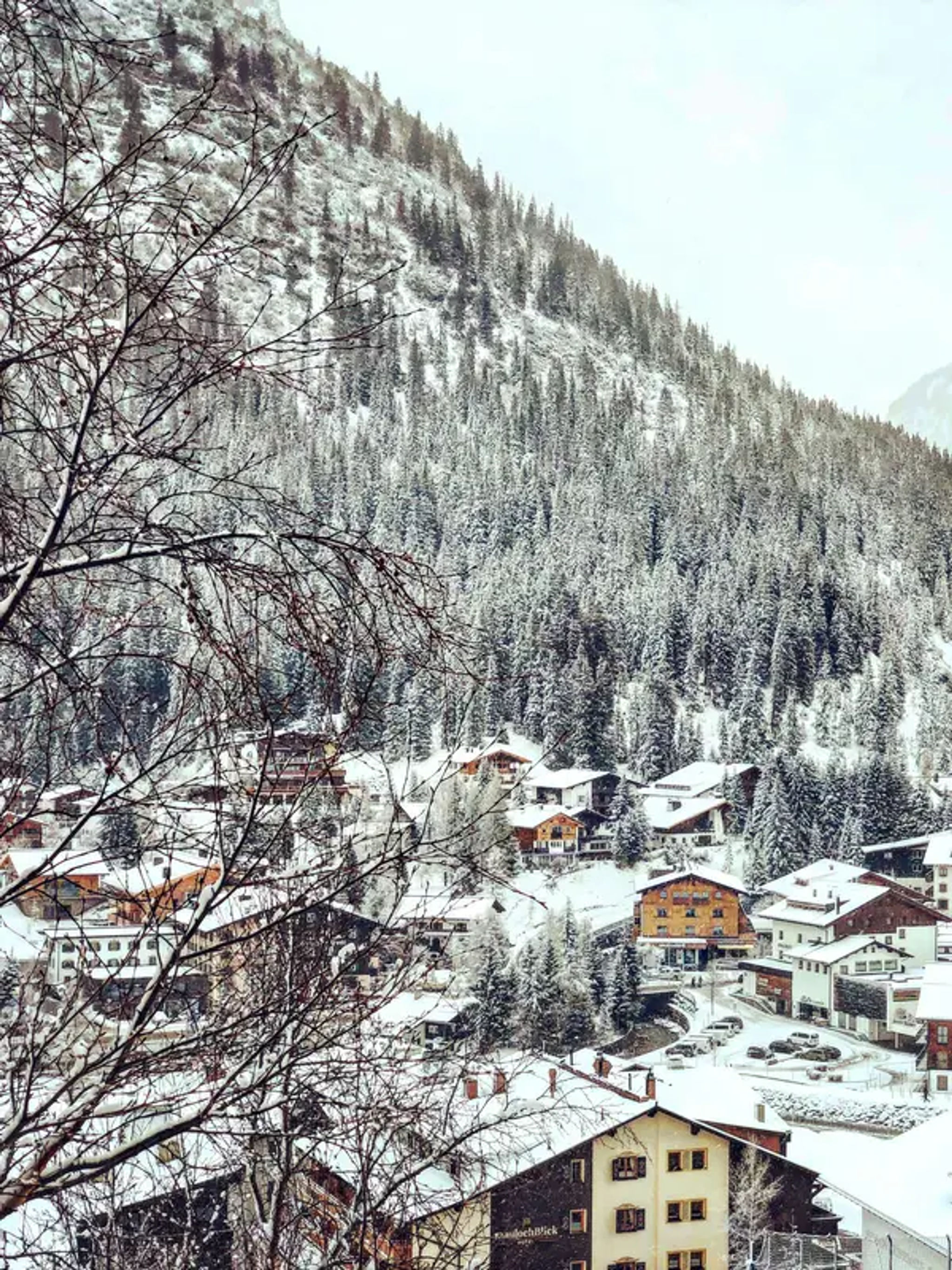
Lech is a different proposition entirely. The Dutch royal family has been visiting for decades, and the village's character reflects that clientele: understated, exclusive, and immaculate. The architecture is traditional Austrian — wooden chalets, flower boxes, a quiet church — but everything is maintained to an exacting standard. Apres-ski here means a glass of wine on the Burg Hotel terrace watching the sun set behind the Omeshorn, or a cocktail at one of the refined hotel bars. There is nightlife, but it's the kind where people change out of ski clothes first. The dining scene is notably strong for a village this size: several Gault Millau-rated restaurants offer serious Austrian and European cuisine. Lech feels like a resort that takes hospitality as seriously as it takes skiing — quiet luxury without ostentation. Families find it particularly appealing because the village is genuinely calm after dark. Luxury chalets in Lech tend toward the refined and architecturally considered.
The choice here is stark. If you want the best apres-ski in Europe and a village that buzzes from 3pm until late, St. Anton is unbeatable. If you want a beautiful, quiet village with excellent dining and an atmosphere that suits families and couples who prefer refinement, Lech is the clear pick.
Getting There
Both resorts sit in the Arlberg region of western Austria, connected by the Arlberg Pass road and the Flexen Pass. They share the same approach routes until the final fork.
St. Anton: Innsbruck airport is the closest major hub at approximately 1 hour 15 minutes by road — a straightforward motorway drive through the Inn Valley and the Arlberg tunnel. Zurich is around 2 hours 30 minutes via the Austrian motorway network. St. Anton also has its own train station on the main Innsbruck–Bludenz railway line, making it one of the most accessible ski resorts in Austria by rail. Direct trains from Innsbruck take under 75 minutes, and connections from Zurich and Munich are well-served.
Lech: Innsbruck takes slightly longer at around 1 hour 30 minutes because Lech is accessed via the Flexen Pass road from the Arlberg tunnel, adding a winding mountain climb. Zurich is approximately 2 hours 30 minutes — essentially the same as St. Anton. Lech does not have a train station; the nearest is in Langen am Arlberg, from where a bus or transfer covers the remaining 20 minutes. In heavy snowfall, the Flexen Pass road can occasionally close temporarily, though it is well-maintained and closures are infrequent.
For ease of access, especially by rail, St. Anton has a meaningful advantage. Lech's slightly more remote position is part of its appeal — it feels further removed from the world — but it does add a step to the journey.
When to Visit
The Arlberg is one of the snowiest regions in the Alps, receiving an average of around 7 metres of snowfall per season. Both resorts benefit from this, though their characters suit slightly different windows.
St. Anton's steep, north-facing terrain holds snow well even in thinner cover, and the resort's off-piste culture means a fresh dump mid-week can transform the experience. January and February offer the coldest temperatures and deepest snowpack — ideal for powder skiing and the full Arlberg circuit. The apres-ski scene runs at peak intensity during Austrian school holidays (typically early February) and the famous Ski and Fashion Week. March brings longer days and spring conditions that suit the wide-open descents around Galzig and Kapall.
Lech's higher village altitude (1,450m versus St. Anton's 1,304m) means marginally better coverage at resort level through the season. The groomed slopes above Lech and Oberlech tend to hold their condition well into April. Lech is particularly pleasant in late January through March — the combination of reliable snow, quiet midweek periods, and a village that feels serenely uncrowded makes for an excellent family or couples' trip. Christmas and New Year are popular but expensive; February half-term less so than in the French resorts, given Lech's Austrian and Dutch clientele rather than British.
The Verdict
St. Anton and Lech share the same mountains but deliver fundamentally different ski holidays. Understanding which experience you want is the entire decision.
Choose St. Anton if you want: steep, challenging home terrain with some of the best off-piste skiing in the Alps; a legendary apres-ski scene that's been perfected over decades; an authentic Tyrolean village with serious skiing credentials; easy rail access from Innsbruck; and the energy of a resort where the mountain and the nightlife are given equal reverence. Luxury chalets in St. Anton put you at the heart of the action.
Choose Lech if you want: beautifully groomed slopes and a more relaxed pace on the mountain; a quiet, immaculate village with Gault Millau dining and understated luxury; an atmosphere that suits families and couples who prefer refinement to revelry; and access to the full Arlberg circuit when you want to explore further. Lech is the resort for skiers who take their comfort as seriously as their skiing.
The honest truth: these are two of the finest ski resorts in Austria, separated by 20 minutes and connected by 305km of shared terrain. Some of the most experienced Arlberg visitors base themselves in one resort and spend a day or two exploring the other. Given that they share a lift pass, you don't have to choose — but you do have to decide where to sleep, and that tells you everything about the kind of holiday you want.
Frequently Asked Questions
Can you ski between St. Anton and Lech?
Yes. Since the Flexenbahn gondola opened in 2016, St. Anton and Lech are fully linked within the Ski Arlberg system. You can ski from St. Anton through St. Christoph and Stuben, over to Zürs, and down into Lech on a single lift pass. The circuit is one of the great day-long ski journeys in the Alps. Allow a full day and start early — the route involves multiple lifts and several valleys.
Is St. Anton too advanced for intermediate skiers?
No, but it's worth understanding the terrain profile. St. Anton's home slopes are steeper on average than Lech's, and the village-level runs at the end of the day can be demanding when icy. However, the Galzig area has good intermediate terrain, and access to the wider Arlberg — including Lech's gentler slopes — opens up plenty of cruising. Intermediates who are comfortable on red runs will enjoy St. Anton, but beginners and cautious intermediates will find Lech more forgiving from the front door.
Which resort is better for families?
Lech is the stronger choice for families. The village is calm and safe for children, the nursery slopes above Oberlech are excellent and easily accessed by gondola, and the overall atmosphere is relaxed and welcoming. St. Anton can work for families with older, confident children who enjoy the mountain energy, but the apres-ski culture and steeper home terrain make Lech the more natural fit for younger families.
How does the cost compare between St. Anton and Lech?
Both are premium Austrian resorts, and lift pass prices are identical — they share the Ski Arlberg pass. Lech is generally more expensive for accommodation and dining, reflecting its position as Austria's most exclusive ski village. Chalets in Lech tend to command higher rates than equivalent properties in St. Anton. Restaurant prices in Lech run noticeably higher, particularly at the Gault Millau-rated establishments. St. Anton offers a wider range of mid-market options for bars, restaurants, and accommodation without sacrificing quality. For a premium experience at a relatively more accessible price point, St. Anton delivers strong value.
Is Lech really that exclusive?
Lech has cultivated exclusivity for decades — it's the preferred resort of the Dutch royal family and a longstanding favourite of European old money. But it's not pretentious in the way some Swiss resorts can be. The village is welcoming, the atmosphere is warm, and the exclusivity manifests as quality and quietness rather than velvet ropes. You won't feel out of place in normal ski wear. The luxury is in the grooming, the service, and the sense that everything has been considered — not in being seen.
Which has better après-ski — St Anton or Lech?
St Anton, by a wide margin — and it's not close. Mooserwirt, Krazy Kanguruh, and Heustadl start the party at 3pm on the mountain with live music and dancing in ski boots, and the action carries down into town at venues like Bar Cuba and Rodel Alm. The atmosphere is loud, young, and famously unrelenting. Lech's après scene is civilised by comparison — wine bars, quiet terraces, hotel lounges, and discreet private dining. If nightlife matters to your group, St Anton wins without debate. If you want to sleep after dinner, choose Lech.
How child-friendly is Lech compared to St Anton?
Lech is meaningfully better for families with young children. The village sits at a lower-pressure base with quiet streets, reliable grooming on the nursery slopes, and a ski school tradition that goes back generations (Kinderland at Lech ski school is excellent). The pedestrian zones and shorter walks between hotel and slopes work well with small children. St Anton is louder and more train-station-town, with après energy that carries into family dinners, and the home runs are steeper for nervous learners. For a family holiday, Lech is the easier choice.