The Skiing
These are two of North America's most respected ski destinations, but the structure of the skiing is meaningfully different.
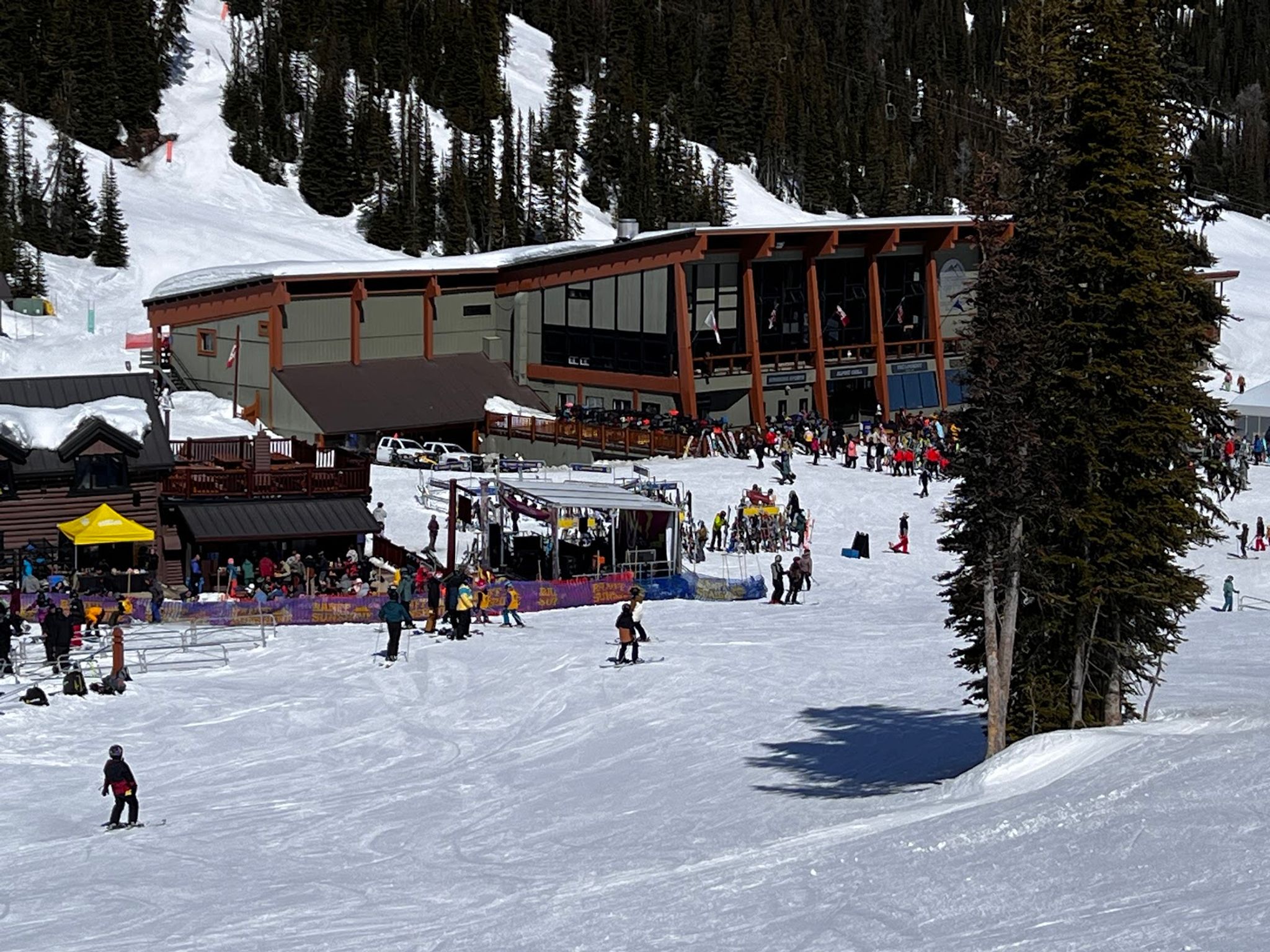
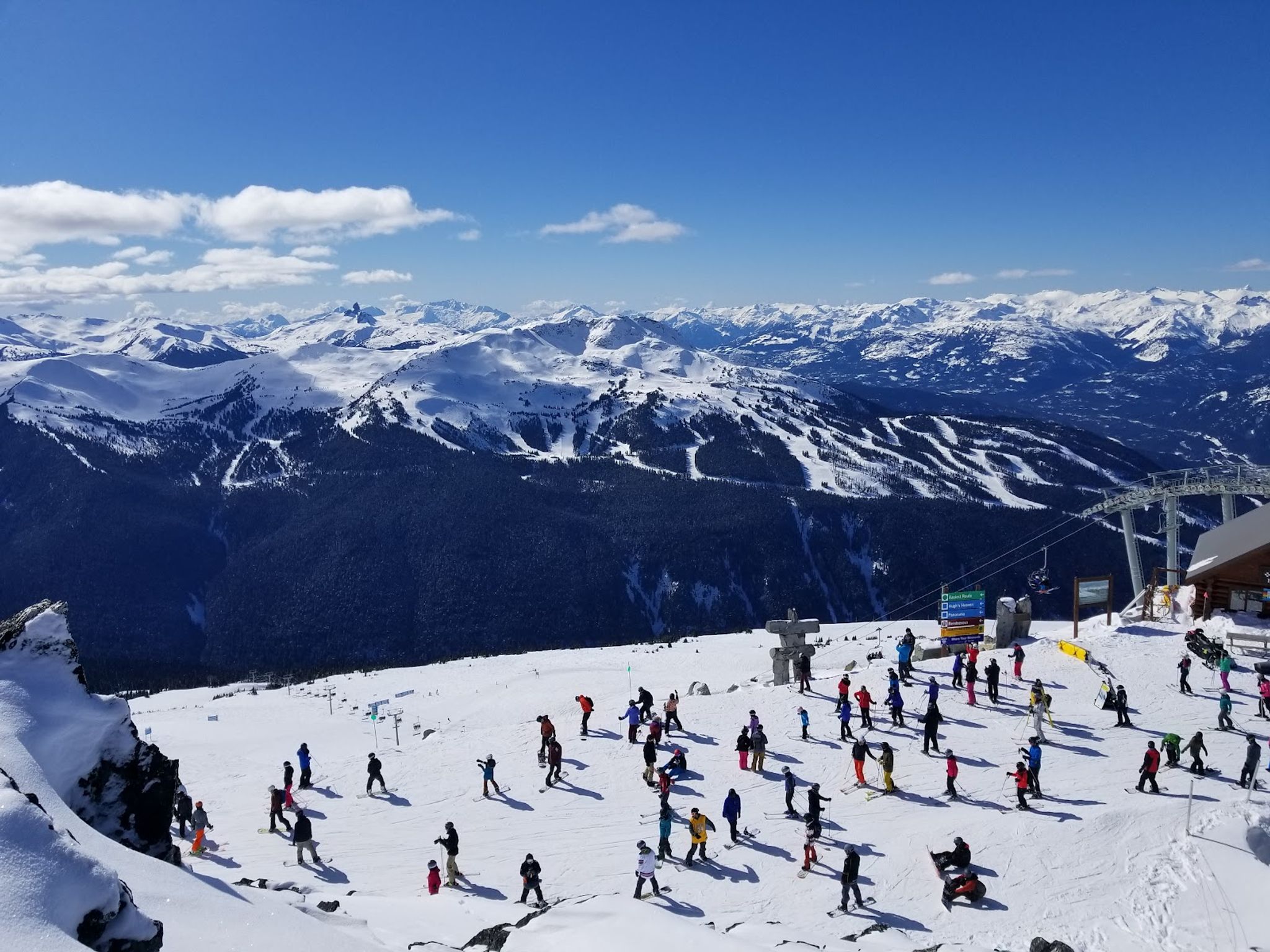
Whistler is the largest ski resort in North America — 8,171 acres of skiable terrain across two linked mountains (Whistler and Blackcomb), connected since 2008 by the Peak 2 Peak Gondola. The vertical drop is 1,609m, the highest lift reaches 2,284m, and the trail count is enormous: 40 beginner runs, 110 intermediate, 30 advanced, 20 expert. Snowfall averages 11.8m per season — among the deepest in North America thanks to consistent Pacific moisture.
Aspen is really four separate mountains on a single pass — Aspen Mountain (Ajax), Aspen Highlands, Buttermilk, and Snowmass — connected by free shuttle and totalling approximately 5,527 acres of skiable terrain. The variety is unmatched in American skiing: Ajax is the historic in-town mountain, Highlands delivers world-class expert terrain (the Highland Bowl), Buttermilk hosts the X Games, and Snowmass is the largest of the four. The highest lift reaches 3,813m (significantly higher than Whistler) and snowfall averages 7.6m per season.
For the largest single connected ski area and the deepest snowfall in North America, Whistler wins. For variety across four distinct mountains and the most iconic single expert run (the Highland Bowl) in a more refined package, Aspen is the more interesting destination for some travellers.
The Village & Apres-Ski
The two destinations deliver experiences with different scales.
Whistler Village is the largest pedestrian-only resort village in North America — a fully developed town centre with Whistler Village (the original 1980s development), the Upper Village, and Creekside as separate but linked nodes. The dining scene is exceptionally deep, with anchors like Araxi, Bearfoot Bistro, and Rimrock Cafe. Apres-ski is genuine and lively — the Longhorn, Garibaldi Lift Co., and Dubh Linn Gate are anchors of one of the better apres scenes in North America. Whistler operates as a year-round destination with strong summer mountain biking infrastructure.
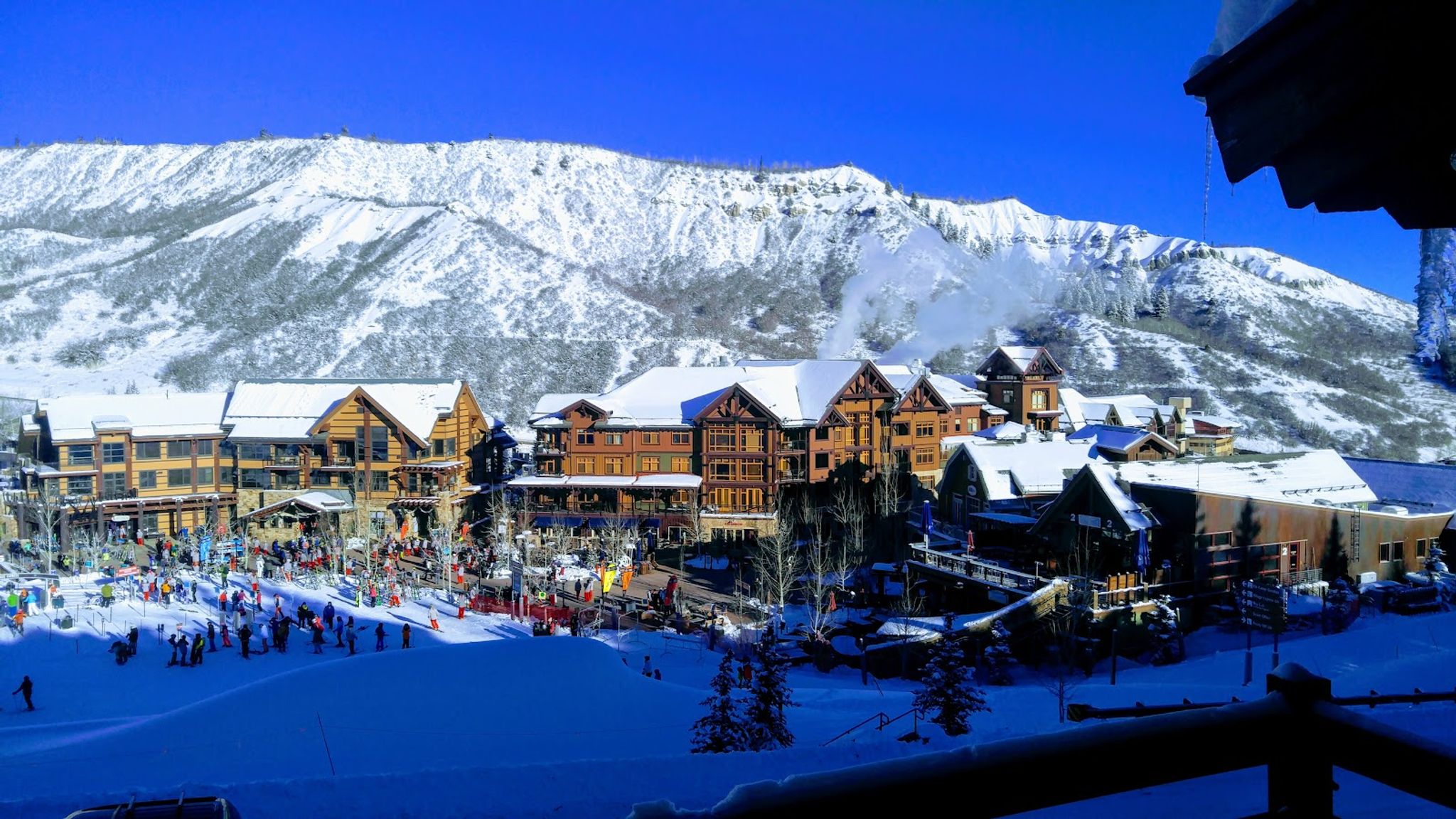
Aspen is a real town with deep cultural and economic depth that no other American ski destination can match. The Aspen Music Festival each summer, the Aspen Ideas Festival, the Aspen Institute, and the established second-home culture have made Aspen a genuine cultural centre. The dining scene is the deepest in Rocky Mountain skiing — the Little Nell, Element 47, Chefs Club, and Cache Cache among many others. Apres-ski centres on legendary venues like Ajax Tavern, the Hotel Jerome's J-Bar, and Cloud Nine Alpine Bistro on Aspen Highlands.
For sheer scale of the pedestrian village and a more lived-in resort atmosphere, Whistler wins. For genuine cultural depth and the most prestigious ski-town address in America, Aspen is in a category of one.
Getting There
Both resorts have notable airport situations.
Whistler: Vancouver International Airport is approximately 2 hours by car via the spectacular Sea-to-Sky Highway — one of the most scenic drives to any major ski resort. Vancouver offers strong direct service from London Heathrow and a deep network of US connections. The drive is part of the experience.
Aspen: Aspen-Pitkin County Airport is 5 minutes from town and accepts both commercial and private aircraft. Denver International is approximately 4 hours by car via I-70 and Highway 82. Eagle County Regional is around 1h30 by car. Private jet access is uniquely convenient.
For commercial flying, Whistler's Vancouver access is meaningfully simpler than Aspen's overland from Denver. For private aircraft, Aspen-Pitkin is uniquely positioned.
When to Visit
Both resorts share the broad North American ski season but with different snow rhythms.
Whistler's prime window is January through April, with the deepest snowpack typically arriving in February and March. The Pacific weather pattern means more variable conditions than the inland Rockies — Whistler can deliver epic powder days but also more rain at lower elevations than guests expect. The season often extends into late May or even June at the upper elevations.
Aspen's prime window is January through mid-March, with peak periods around Christmas, New Year, and President's Day. The X Games at Buttermilk in late January bring significant energy and crowds. Late March and April deliver excellent spring skiing.
For the longest season and deepest snowpack on average, Whistler wins. For more consistent dry-powder conditions and a more stable cultural calendar, Aspen has advantages.
The Verdict
Both resorts are flagship North American choices, but they answer different questions.
Choose Whistler if you want: the largest ski area in North America; the deepest snowfall; the largest pedestrian-only resort village; a more lived-in town atmosphere with deep dining and apres options; one of the most scenic airport drives in skiing. Whistler is the resort that delivers the most expansive North American ski experience.
Choose Aspen if you want: four distinct mountains on a single pass with the deepest variety in American skiing; the most culturally and economically established ski town in the United States; the unmatched luxury hotel and dining scene; private aircraft access via Aspen-Pitkin. Aspen is the resort where the town is as significant as the skiing.
The shorthand most North American advisors use: Whistler for travellers who want maximum scale and Pacific snow, Aspen for travellers who want the most prestigious cultural ski experience in America.
Frequently Asked Questions
Are Whistler and Aspen on the same lift pass?
No. Whistler is owned by Vail Resorts and is on the Epic Pass. Aspen Snowmass is on the Ikon Pass network. The two resorts compete for guests but offer no shared single-pass access.
Which has more snow?
Whistler, by a meaningful margin — averaging 11.8m per season versus Aspen's 7.6m. Pacific moisture delivers reliably deeper snowpack than the inland Colorado Rockies. Aspen's snow tends to be drier and more consistent in quality; Whistler's can include more rain at lower elevations.
Which is closer to a major airport?
Both have meaningful airport options. Whistler is approximately 2 hours from Vancouver International by overland route; Aspen-Pitkin is in town but commercial service is limited. For commercial travellers, Vancouver's depth of service makes Whistler more accessible than Aspen.
Which has more luxury accommodation?
Aspen has the deeper bench of pure ultra-luxury accommodation, with the Little Nell, Hotel Jerome, the St. Regis Aspen, and the Snowmass-area Viceroy and Limelight properties. Whistler has strong large-scale luxury (Four Seasons, Fairmont Chateau, Pan Pacific) but the average ultra-luxury depth at Aspen sits higher.
Which is better for non-skiers?
Aspen has the deeper cultural infrastructure (museums, music festival, restaurant culture, boutique shopping) and more options for non-skiing days. Whistler has stronger active alternatives (snowshoeing, cross-country skiing, the Vallea Lumina experience, summer mountain biking infrastructure that translates to winter activities). Aspen wins for cultural non-skiing; Whistler for active non-skiing.