Luxury Chalets in St. Moritz: A Rental Guide to the Engadin's Most Storied Ski Town
Quick Answer
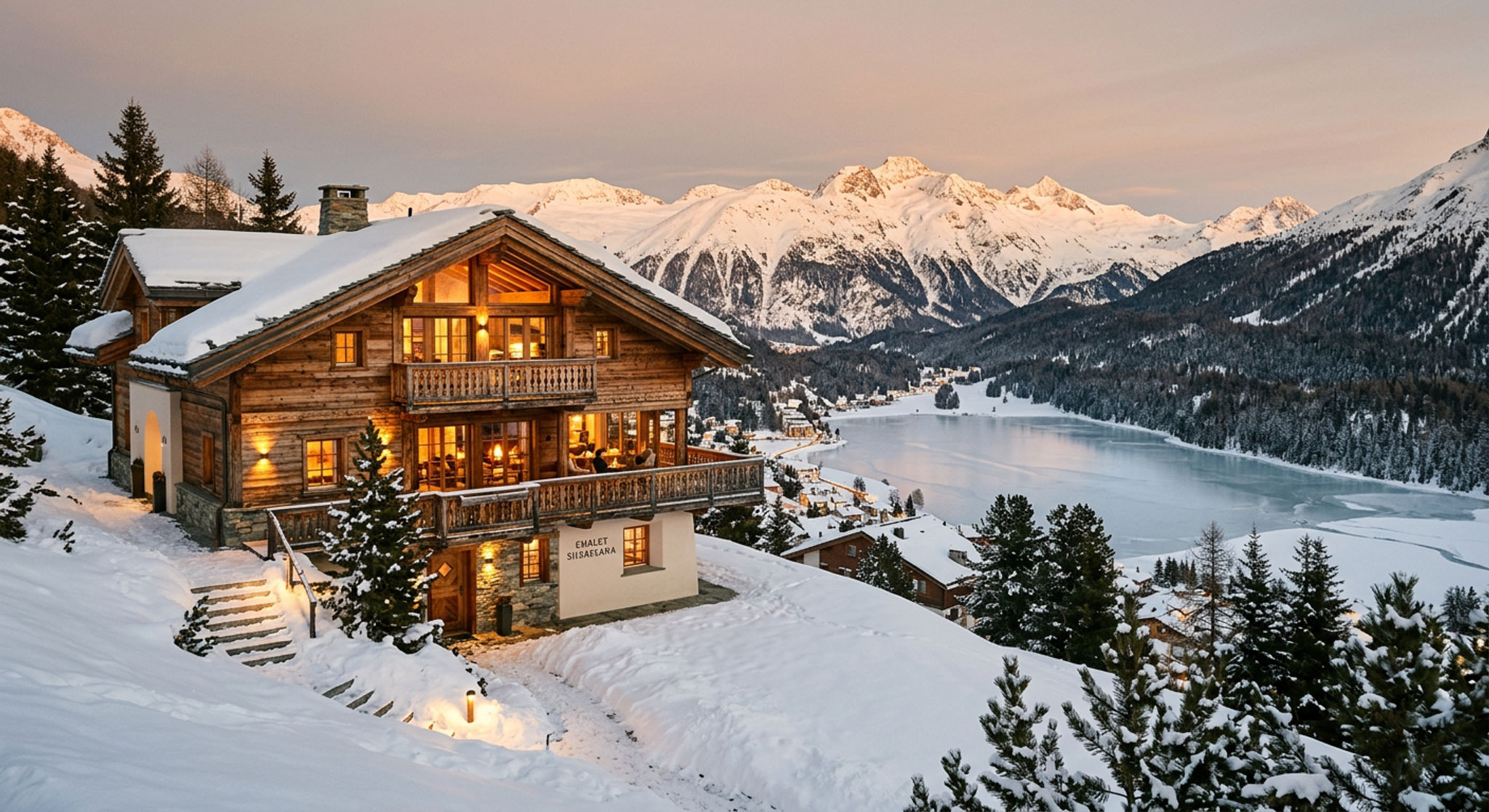
St. Moritz offers 155km of pistes across Corviglia, Corvatsch, and Diavolezza, with over 320 sunny days per year. The private rental market here — chalets, apartments, and hotel residences — provides an alternative to the town's celebrated grand hotels.
St. Moritz sits at 1,822 metres in Switzerland's Upper Engadin valley — the town that invented alpine winter tourism when hotelier Johannes Badrutt made his famous wager with British guests in 1864. Two Winter Olympics (1928, 1948), a frozen lake that hosts polo and horse racing, and a cultural life that exists well beyond the pistes.
The accommodation landscape here differs from most Alpine ski towns. St. Moritz is defined by its grand hotels — Badrutt's Palace, Kempinski, Carlton, Suvretta House — and the private chalet market has grown as a considered alternative to that scene. For groups, families, or travellers who prefer the independence of a private property with the Engadin's distinctive blend of sun, terrain, and civic polish, the rental market offers something the hotel lobbies cannot.
The St. Moritz Rental Market: What to Expect
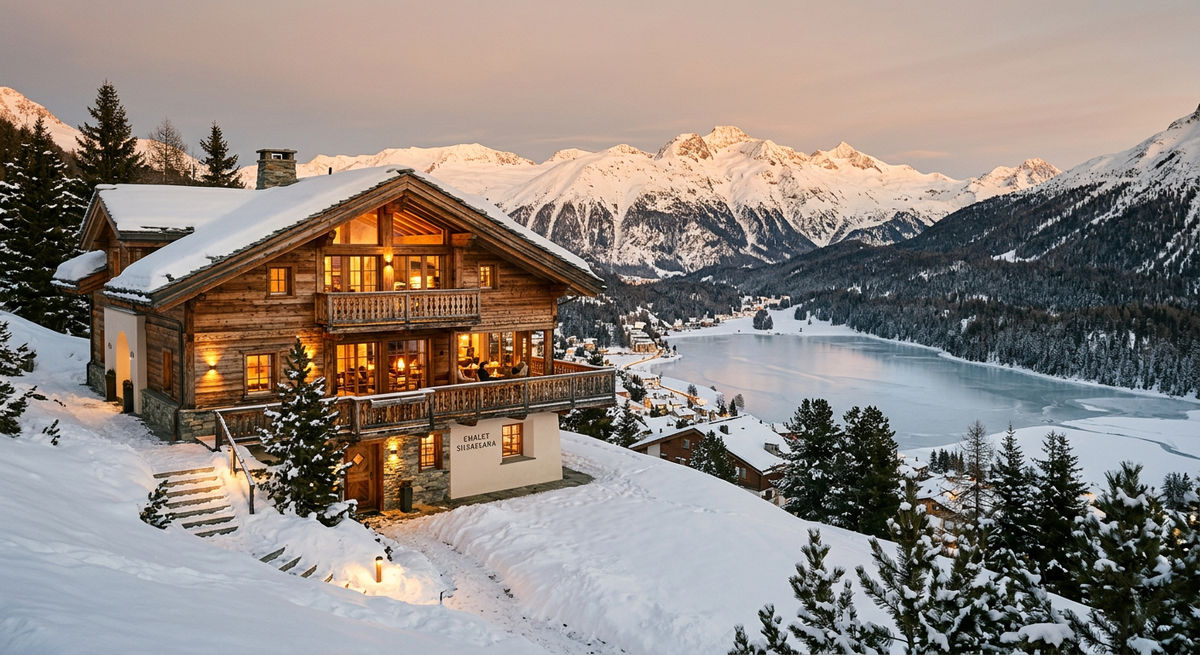
St. Moritz's private rental market divides into three categories: standalone chalets, luxury apartments, and hotel-integrated residences. The mix reflects the Engadin's character — this is a proper year-round town, not a purpose-built ski station, and the property stock evolved alongside it.
Standalone Chalets
The chalet category represents the most private option.
These are substantial properties. Most sleep 6–12 guests, include full catering or flexible service, and operate as self-contained estates rather than shared buildings.
Luxury Apartments
The apartment scene in St. Moritz centres on high-end residences in premium locations — lakeside positions, village-centre addresses, or within hotel complexes that grant access to shared pools, spas, and concierge services. The Kempinski Residences and Carlton Penthouse represent the top of this bracket, with hotel-grade amenities and independent living space.
Hotel Residences
Badrutt's Palace, Kempinski Grand Hotel des Bains, and the Carlton each offer bookable residences within this framework.
This category suits travellers who want the prestige and service of St. Moritz's hotel scene without committing to the nightly rates of a standard booking — particularly for week-long stays or groups.
Neighbourhoods: Where to Base Your Stay
St. Moritz's geography shapes the rental decision as much as the property itself. The town divides across two distinct zones — St. Moritz Dorf (the upper village) and St. Moritz Bad (the lower quarter) — with satellite villages offering quieter alternatives within the ski pass area.
St. Moritz Dorf
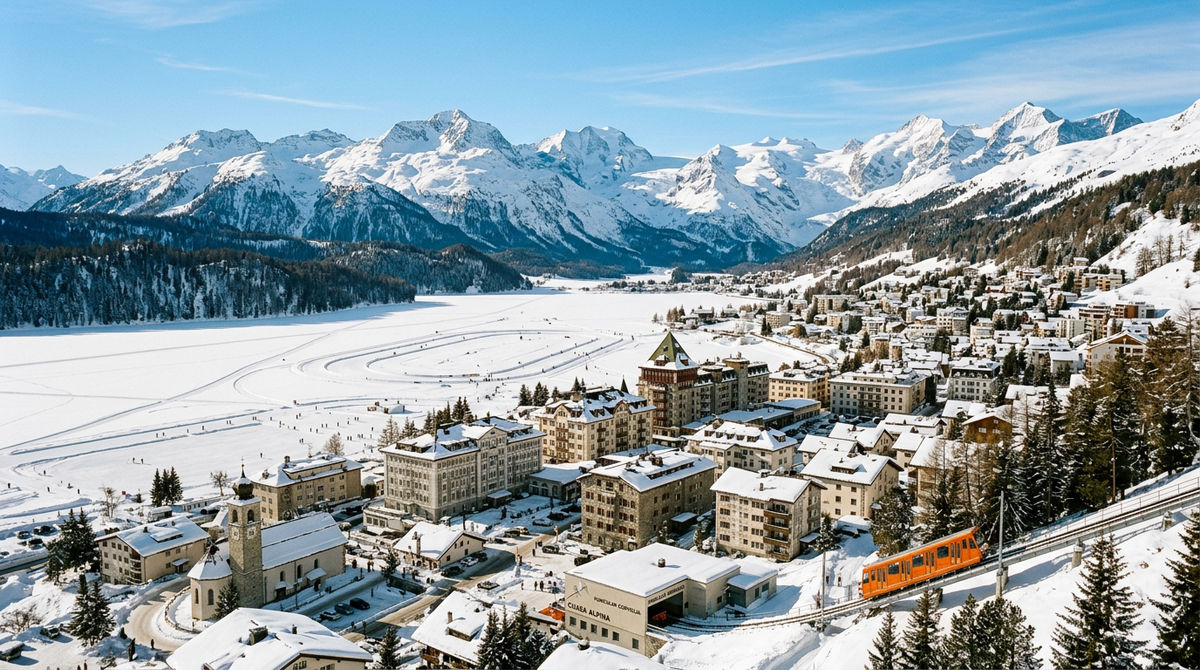
The upper village is the civic and commercial centre — home to Via Serlas (the main shopping street), the Corviglia funicular station, and the grand hotel cluster. Most luxury chalets and high-end apartments sit in or above Dorf, with views across the frozen lake to the Corvatsch range.
Proximity to the Corviglia funicular is the key advantage here. Skiers reach the main mountain in minutes, and the village's restaurants, galleries, and après-ski bars are walkable. The premium is justified: this is where St. Moritz's social life concentrates.
St. Moritz Bad
The lower quarter sits beside the lake and the Engadin's cross-country ski network. It connects to the Signal mountain sector and offers a quieter, more residential atmosphere.
St. Moritz Bad suits families and cross-country enthusiasts who prefer a calmer base. The free village bus links both zones reliably throughout the season.
Celerina and Sils Maria
Just outside St. Moritz proper, Celerina (2km east) offers a traditional Engadin village atmosphere at lower price points, with its own gondola access to the Corviglia ski area. Sils Maria (12km southwest), at the foot of the Corvatsch mountain, provides direct access to the second ski area and a literary heritage — Nietzsche wrote several of his major works here.
Both are covered by the regional ski pass and offer a quieter alternative for travellers who want the Engadin's character without the St. Moritz Dorf premium.
Amenities: What Defines the Collection
The amenity profile in St. Moritz runs deeper than most Alpine rental markets.
Wellness Infrastructure
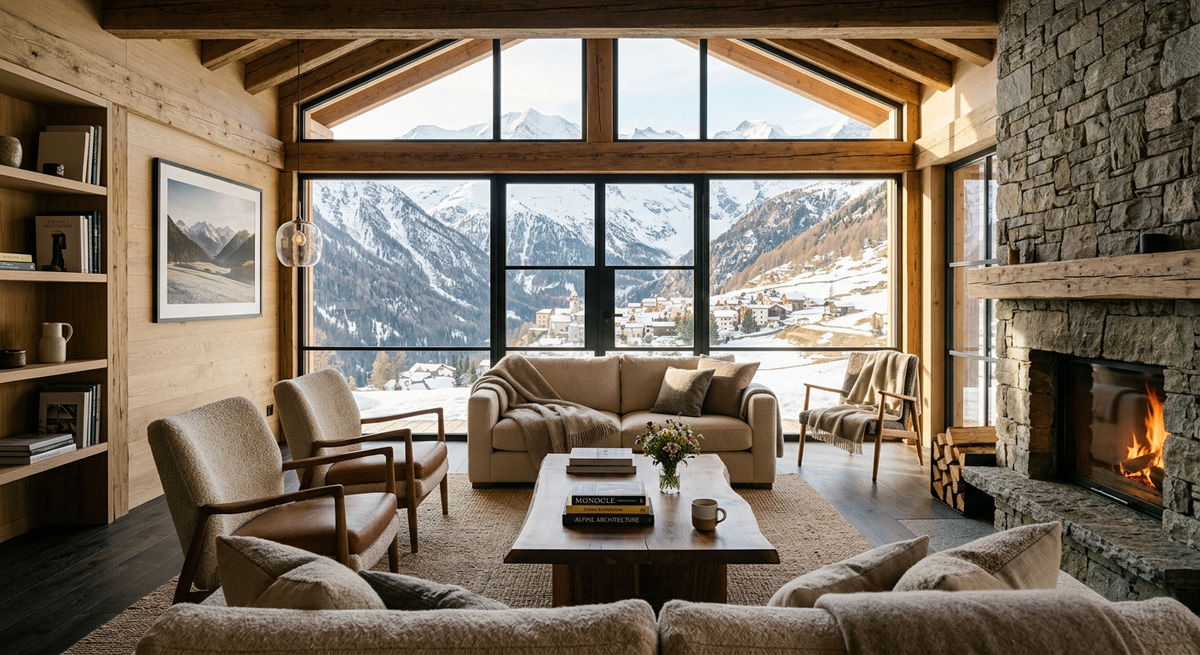
The Engadin has a thermal spa tradition dating back centuries, and this shapes expectations. A property without at least sauna access would be considered incomplete here.
Pool and Hot Tub
Most are indoor heated pools within hotel facilities, though several standalone chalets include private pools.
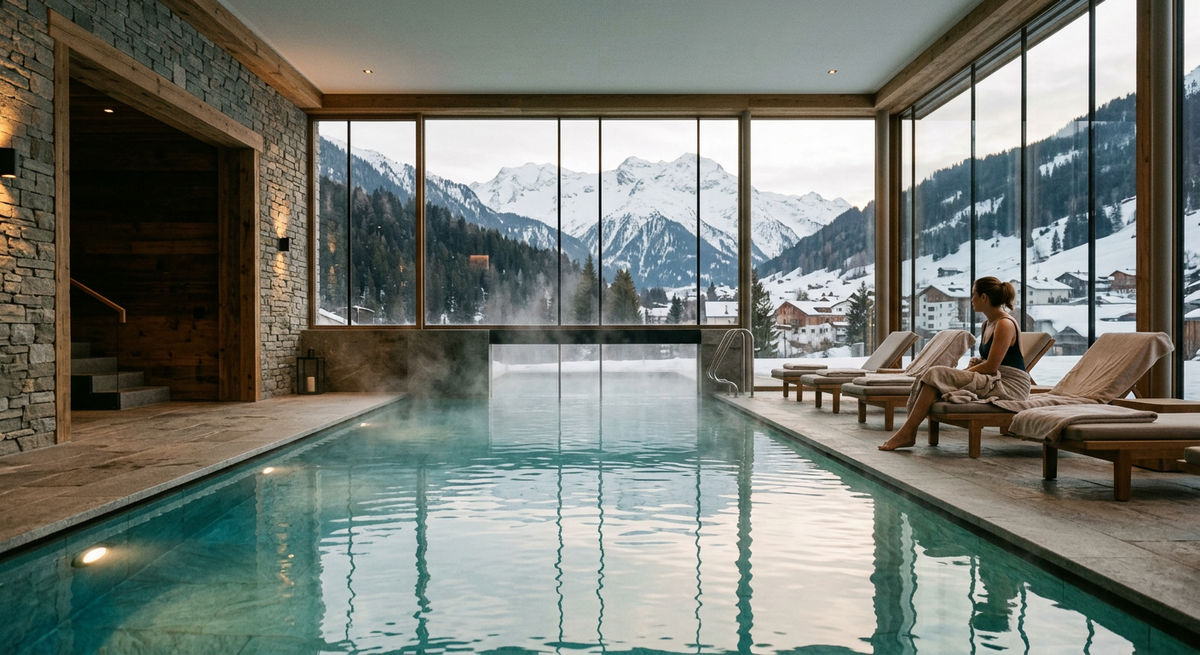
For travellers prioritising pool access, read our Skiing in St Moritz guide to see the current selection.
Service Levels and Pricing
St. Moritz rental pricing varies more dramatically than most Alpine resorts, driven by the wide spread between independent apartments and fully serviced chalets.
Service Level Breakdown
Self-catered properties dominate the independent rental market, with fully equipped kitchens and the flexibility to eat out at St. Moritz's restaurant scene — from mountain huts on Corviglia to Michelin-starred dining in Dorf. Catered options range from Club Med's all-inclusive model to ultra-private estates with dedicated staff.
What Drives the Price
Four factors determine pricing in St. Moritz more than most resorts:
Location within the town — Dorf commands a significant premium over Bad, and direct Corviglia funicular access adds further. Lakeside positions in Bad carry their own premium for the views.
Hotel affiliation — Properties within grand hotel complexes (Kempinski, Carlton, Badrutt's) include access to world-class facilities, which is priced into the weekly rate.
Season timing — St. Moritz's peak weeks centre on Christmas/New Year and the late-January to mid-February window around White Turf (the horse races on the frozen lake) and the Snow Polo World Cup. February half-term and Easter week see secondary peaks.
The Skiing: Three Mountains, One Pass
St. Moritz's ski area spans three separate mountains under a single regional pass — each with its own character.
Corviglia (1,822m–3,057m) is the main mountain, accessed by funicular from Dorf. Wide, sun-drenched cruising runs with panoramic Bernina views. The go-to for intermediates and families.
Corvatsch (1,800m–3,303m) is the highest ski area in eastern Switzerland. North-facing, snow-sure, with a 1,500m vertical descent from summit to valley — one of the longest in the country. This is where locals head on powder days.
Diavolezza (2,093m–2,978m) offers serious off-piste terrain and the celebrated 10km glacier descent to Morteratsch, requiring a guide. Not for beginners.
The combined 155km of marked pistes and 320+ sunny days per year give St. Moritz a unique combination of reliable conditions and consistent sunshine that few resorts match.
Getting There
St. Moritz is more remote than the major French or Austrian resorts, which keeps it quieter — and adds to the sense of occasion.
Zurich Airport — 3 hours by car, or take the Glacier Express / Bernina Express rail routes, which rank among the world's most scenic train journeys.
Milan Malpensa — 3.5 hours by car via the Julier Pass (closed in heavy snow) or Maloja Pass.
Engadin Airport (Samedan) — 6km from St. Moritz, serving private aviation. The highest airport in Europe at 1,707m.
Bernina Express — The UNESCO-listed rail route from Tirano (Italy) through the Bernina Pass to St. Moritz is both a transfer option and a destination experience in itself.
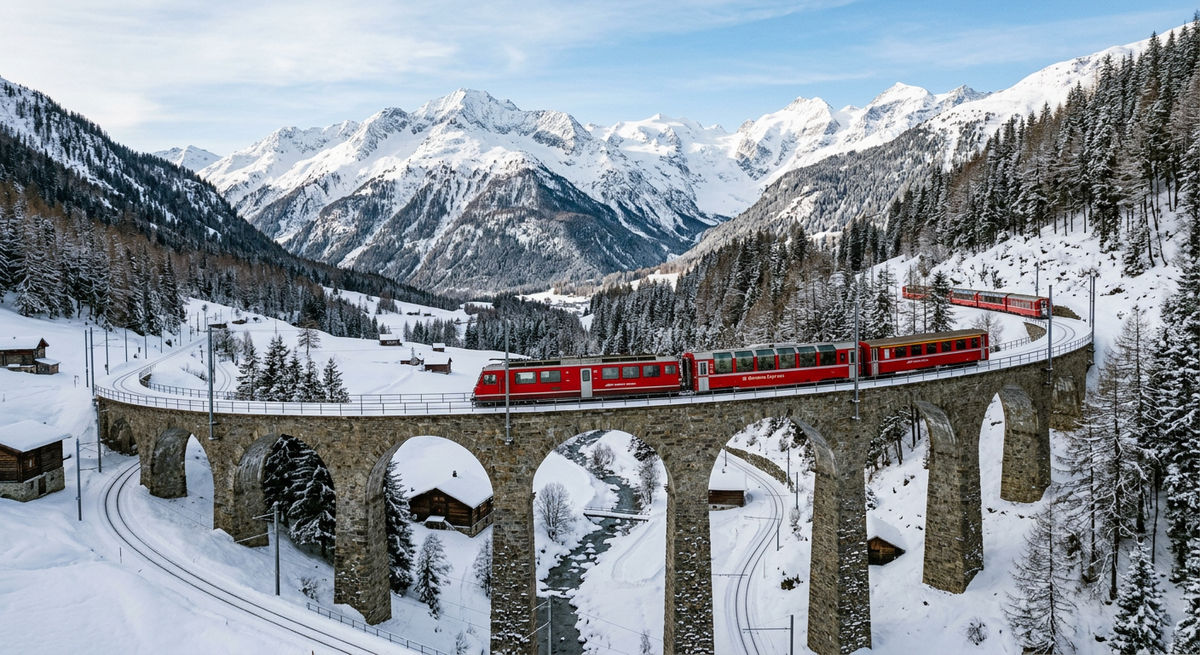
The relative inaccessibility is part of St. Moritz's appeal — it filters for travellers willing to make the journey, and the Engadin rewards the effort.
Frequently Asked Questions
How many luxury chalets are available in St. Moritz?
The mix is weighted toward hotel-integrated properties — 22 of the 35+ — reflecting the town's grand hotel tradition. Seven standalone chalets and six high-end apartments offer fully independent rental options.
Is St. Moritz good for families?
Corviglia, the main ski area, has dedicated nursery slopes and a ski school with English-speaking instructors. The frozen lake hosts family-friendly events including horse-drawn carriage rides. The free village bus connects Dorf and Bad throughout the day, easing logistics with children.
When is the best time to book a St. Moritz chalet?
Peak demand centres on Christmas/New Year and the late-January to mid-February stretch around White Turf and the Snow Polo World Cup. For better availability and pricing, early January (after New Year) and March offer excellent snow conditions with fewer crowds. St. Moritz averages over 320 sunny days per year, so late-season skiing into April remains reliable — particularly on Corvatsch's north-facing slopes.
How does St. Moritz compare to Verbier or Zermatt for chalets?
Zermatt provides car-free village charm with Matterhorn views and 360km of pistes. St. Moritz is the most cosmopolitan of the three — a proper town with cultural life beyond skiing, extraordinary sunshine, and an accommodation market shaped by its grand hotel heritage. Choose based on whether you prioritise terrain depth (Zermatt), social energy (Verbier), or civic sophistication (St. Moritz).
Can I get ski-in ski-out access in St. Moritz?
Ski-in ski-out in the traditional sense is less common in St. Moritz than in purpose-built French resorts. Most properties are within a 5–15 minute transfer of the Corviglia funicular or Signal gondola. Several hotel properties offer direct ski valet and shuttle services.


