Two Valais villages, both car-free, both wrapped in 4,000-metre peaks, both delivering a distinctly Swiss approach to winter. Yet the gap between Zermatt and Saas Fee is wider than the short hop on the map suggests. One has become shorthand for alpine glamour, with the Matterhorn looming over a parade of grand hotels and Michelin kitchens. The other holds tighter to its old soul, a quieter amphitheatre of glaciers favoured by families and freestylers who like their mountains big but their evenings calm. Here is how they stack up.
The Skiing
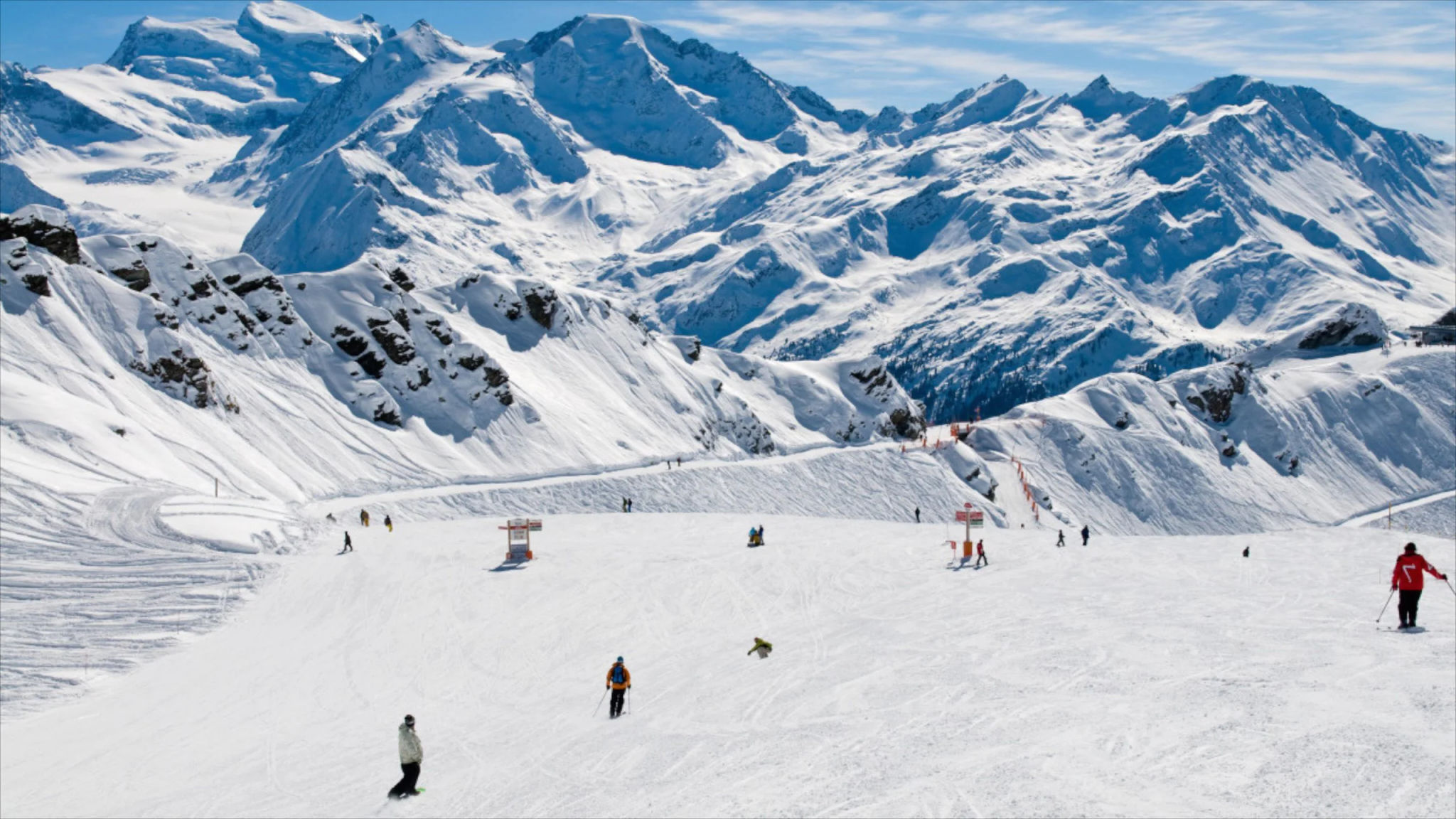
Zermatt is the heavyweight. With 360km of connected pistes and skiing that climbs all the way to 3,883m on the Matterhorn Glacier Paradise, the terrain is sprawling, varied and almost embarrassingly photogenic. The vertical drop is enormous, the cruising is endless, and the cross-border link to Cervinia means you can lunch in Italy and ski back into Switzerland before the lifts close. Intermediates have a field day on the long reds off Gornergrat, while freeriders gravitate to Rothorn and its famous marked yellow itineraries.
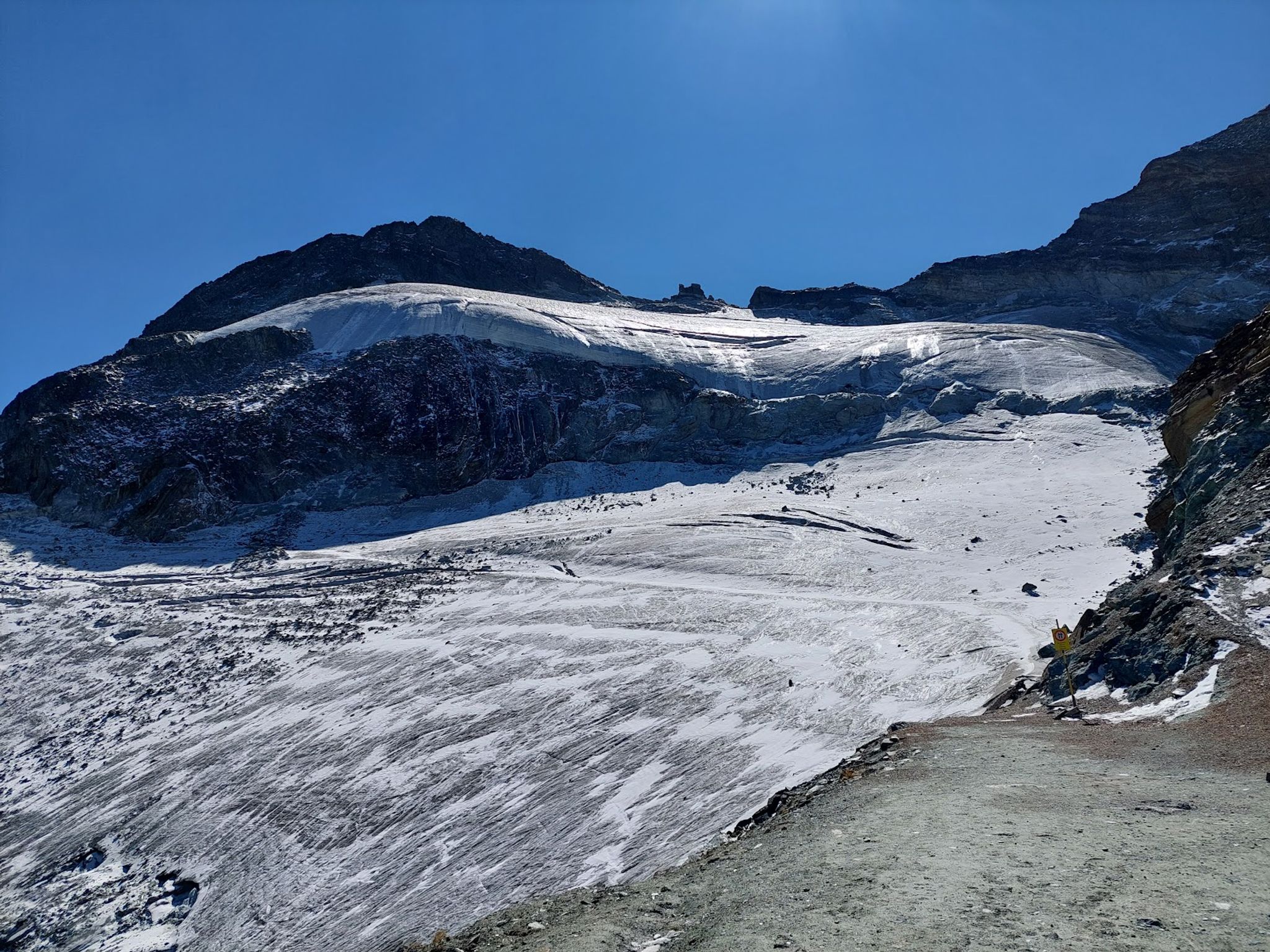
Saas Fee is smaller in scale but punches well above its weight on snow reliability. Around 100km of pistes sit beneath the Allalin glacier, with the highest lift reaching 3,500m, and the terrain leans heavily toward intermediates and confident cruisers. The Morenia bowl is all wide, sunny reds, while Plattjen offers something steeper for skiers wanting a bit more bite. The Allalin Snowpark on the glacier is the trump card, drawing pros throughout the year.
Where Zermatt overwhelms with choice and scale, Saas Fee rewards a slower, more focused week. Advanced skiers chasing variety and off-piste lines will gravitate to Zermatt. Families, freestylers and anyone prioritising snow-sure groomers will find Saas Fee a better fit, particularly given its sheltered, expansive nursery slopes right at the village edge.
The Village and Apres-Ski
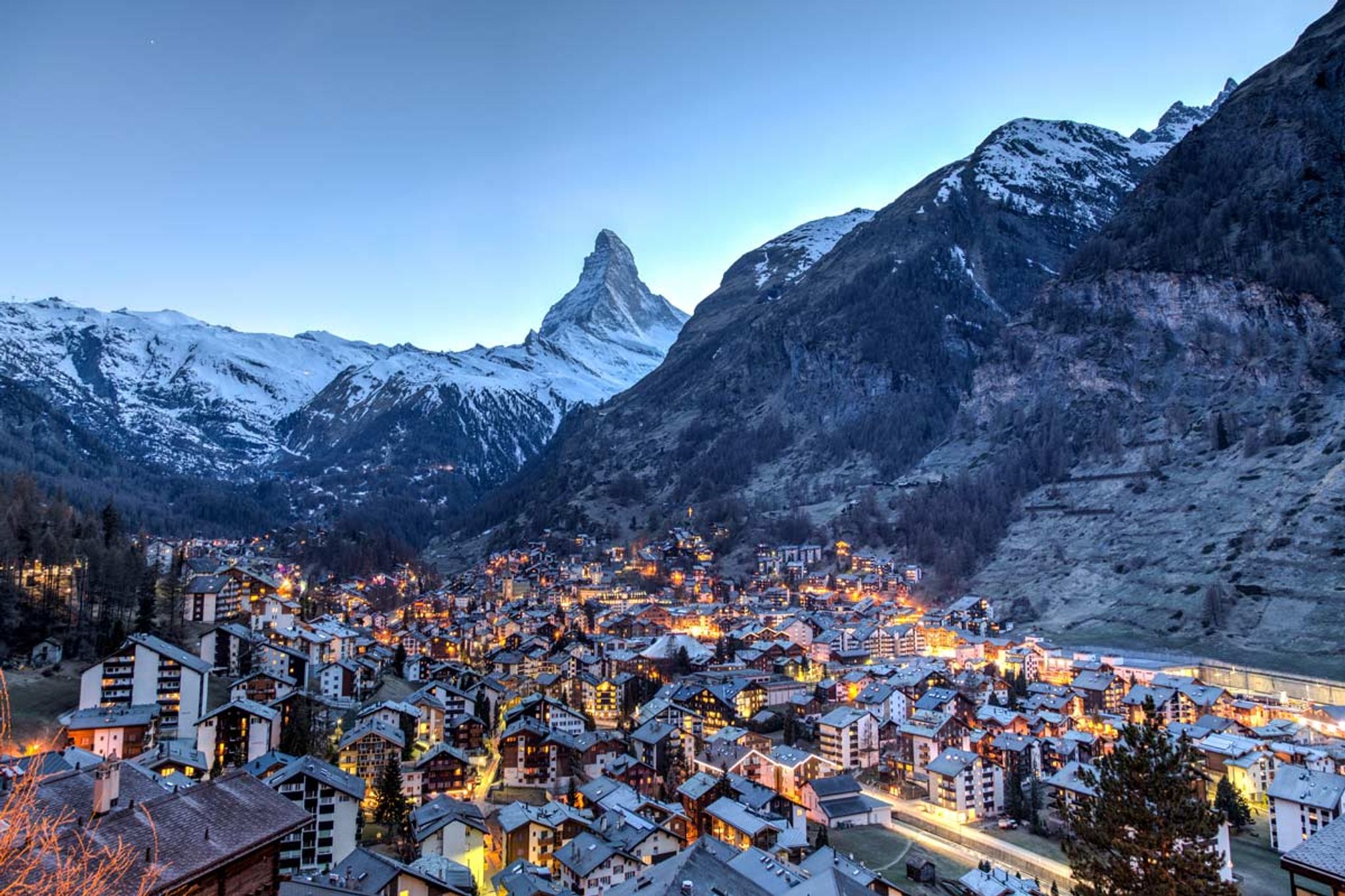
Zermatt's village is a long, lively ribbon of historic chalets, designer windows and gourmet restaurants. The car-free streets buzz from breakfast to last orders, and the apres scene swings from the legendary chaos of Hennu Stall on the way home from Furi to the polished cocktails of CERVO and the late-night energy of Papperla Pub. Dining is the real headline act, with on-mountain spots like Chez Vrony and Zum See attracting pilgrimages of their own.
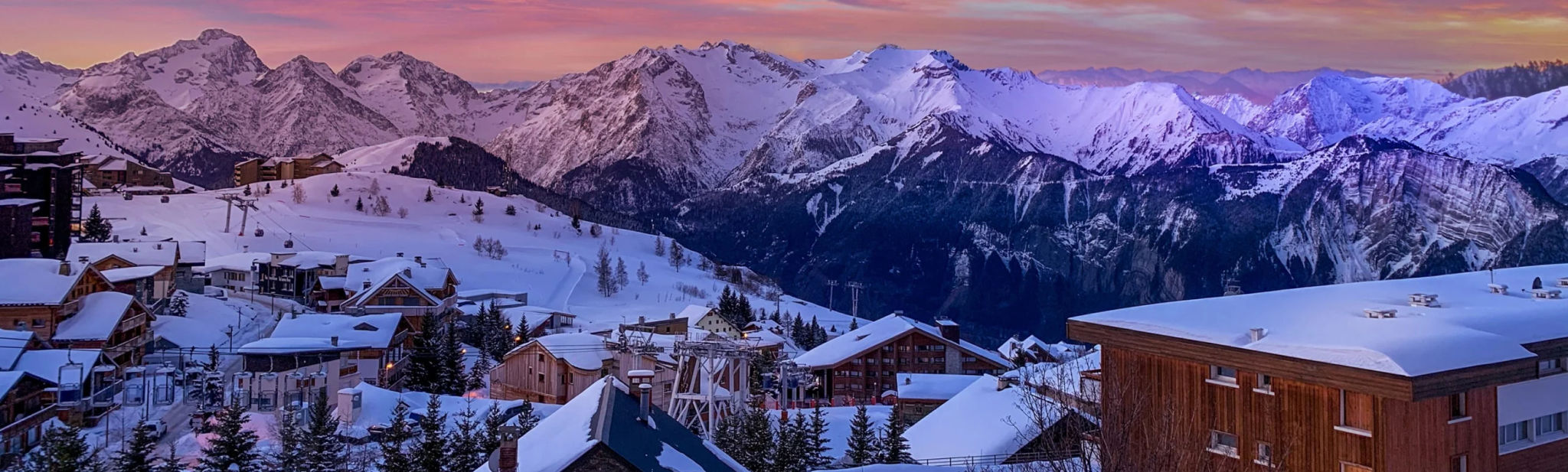
Saas Fee feels gentler. The sun-browned chalets, narrow lanes and quiet electric taxis hold onto a sense of traditional Valais life that Zermatt has, in places, traded for glitz. There is still a proper party to be had, mind: Popcorn Plaza, Black Bull Snowbar and the basement chaos of Nesti's Ski Bar all do the job. But it is a village where most guests are in bed before midnight, ready to make the most of the next day's snow.
If you want buzz, boutiques and a culinary scene that rivals any in the Alps, Zermatt wins comfortably. If you want a true alpine village where the mountains do the talking, Saas Fee is the more authentic choice.
Getting There
Zermatt: The most common route is Geneva Airport, around 230km away and roughly 2h 45min by road or rail. Direct SBB trains run from Geneva and Zurich airports to Visp, where you change onto the Matterhorn Gotthard Bahn for the final climb. Cars must be parked at the Matterhorn Terminal in Tasch, with a 12-minute shuttle train completing the journey.
Saas Fee: Geneva is again the gateway, at 225km and a similar 2h 45min transfer. The smoothest approach is the train to Visp followed by the synchronised PostBus straight to the Saas Fee terminal. Drivers leave their vehicles in the multi-storey at the village entrance before continuing on foot or by electric taxi.
Both villages are entirely car-free, both rely on Switzerland's superb public transport, and both reward arriving by train rather than road. Zermatt edges it for sheer drama on the final approach, but Saas Fee is marginally simpler thanks to the bus dropping you directly at the village gates.
When to Visit
Zermatt's winter runs from late November to early May, with year-round skiing on the glacier for those who like their summer holidays vertical. Snowfall averages around 3m in the village and up to 10m on the upper slopes, and the high-altitude terrain holds form well into spring. Christmas and February half-term bring the biggest crowds and the most theatrical apres scene.
Saas Fee's season runs from late November to late April, with summer glacier skiing also available between July and October. With snowfall averaging around 5m per season and most of the skiing sitting high, the snowpack is reliably excellent from midwinter through to closing day. Late season here is particularly rewarding, with bluebird days on the glacier and a noticeably calmer village.
For early-season certainty, both work thanks to their glaciers. For late-season sunshine and emptier slopes, Saas Fee is the smarter pick. For peak-season glamour, the energy and scale of Zermatt is hard to beat.
The Verdict
Zermatt is the resort to book when you want it all. The skiing is vast, the views are iconic, and the village delivers a level of polish and gourmet ambition that few rivals can match. It is unapologetically a luxury destination, and the marketplace reflects that, from grand chalets to a deep bench of fine dining and wellness.
Saas Fee is the resort to book when you want the mountains to take centre stage. The skiing is more compact but reliably snowy, the village is genuinely traditional, and the atmosphere is calmer without being sleepy. It is a particularly strong choice for families, freestylers and travellers who would rather spend their evenings by a wood fire than at a champagne bar.
Neither is objectively better. They simply answer different questions. Zermatt asks how grand a Swiss ski week can feel. Saas Fee asks how peaceful a high-alpine village can still be in 2026.
Choose Zermatt for headline-grabbing skiing, gourmet indulgence and the unmistakable silhouette of the Matterhorn outside your window. Choose Saas Fee for snow-sure glacier slopes, a traditional car-free village and a more grounded, family-friendly rhythm.
Frequently Asked Questions
Is Zermatt or Saas Fee better for beginners?
Saas Fee has the edge thanks to its expansive, sheltered nursery slopes right at the edge of the car-free village, which is ideal for families easing into the sport. Zermatt does offer dedicated beginner zones such as Sunnegga, but the scale of the resort can feel daunting for true first-timers.
Which resort has better apres-ski?
Zermatt offers the broader and more varied scene, ranging from the rowdy Hennu Stall on the slopes home to the polished cocktails at CERVO. Saas Fee has its own loyal apres following at spots like Nesti's Ski Bar and Black Bull Snowbar, but the overall atmosphere is more low-key.
Can you ski into Italy from either resort?
Yes from Zermatt, where the lift system connects across the border to Cervinia and Valtournenche, with the international six-day pass covering both sides. Saas Fee does not have a cross-border link, so all of its skiing stays on the Swiss side of the Valais.
Which resort is more snow-sure?
Both are excellent thanks to their glaciers, with Zermatt skiing as high as 3,883m and Saas Fee reaching 3,500m. Saas Fee is often praised for its consistent high-altitude base, while Zermatt's glacier offers year-round skiing, making either a strong choice for early and late-season trips.
Do I need a car for either resort?
No, and in fact you cannot drive into either village. Both Zermatt and Saas Fee are strictly car-free, with parking located outside the village and easy onward connections by shuttle train, PostBus or electric taxi.