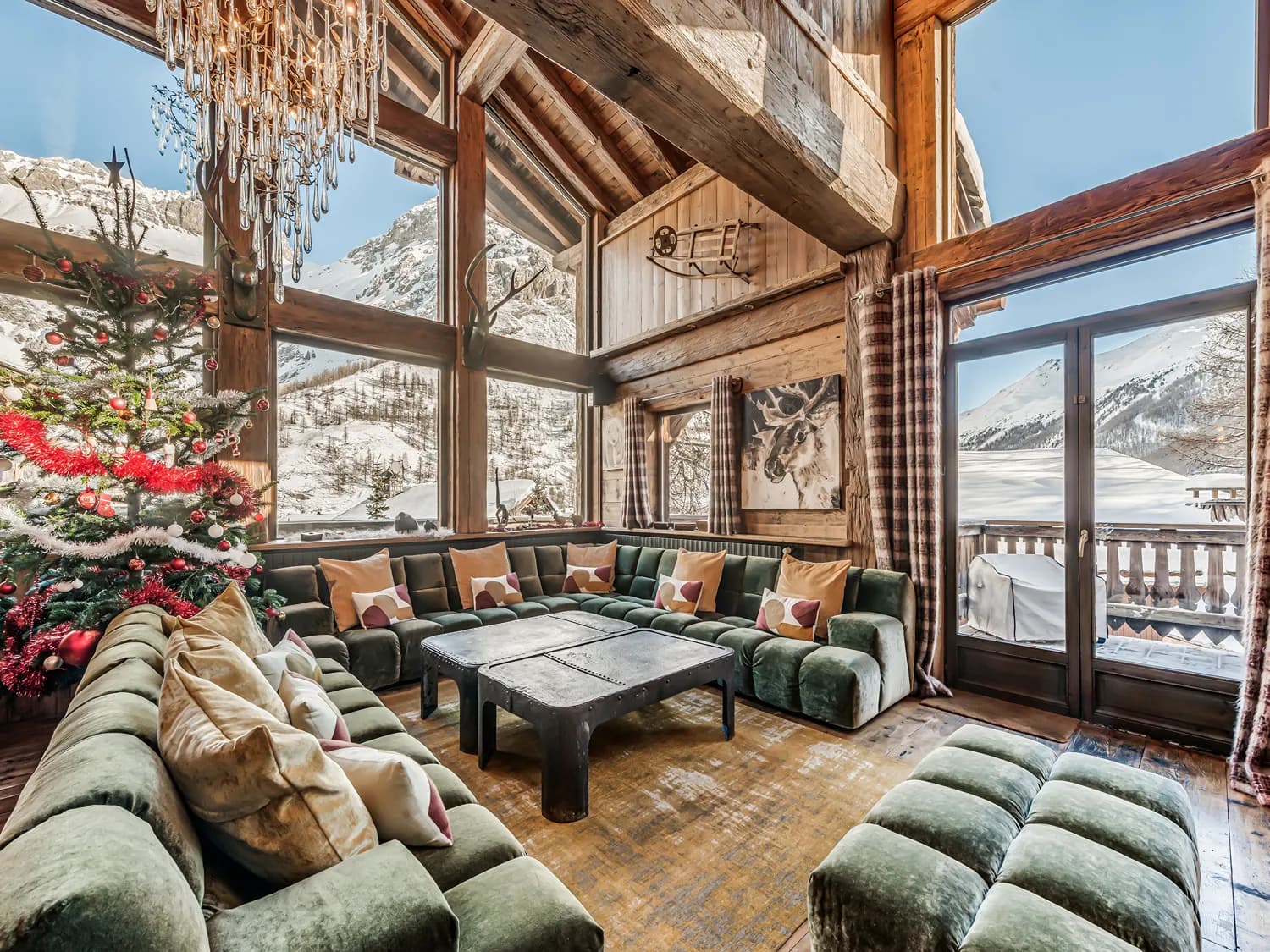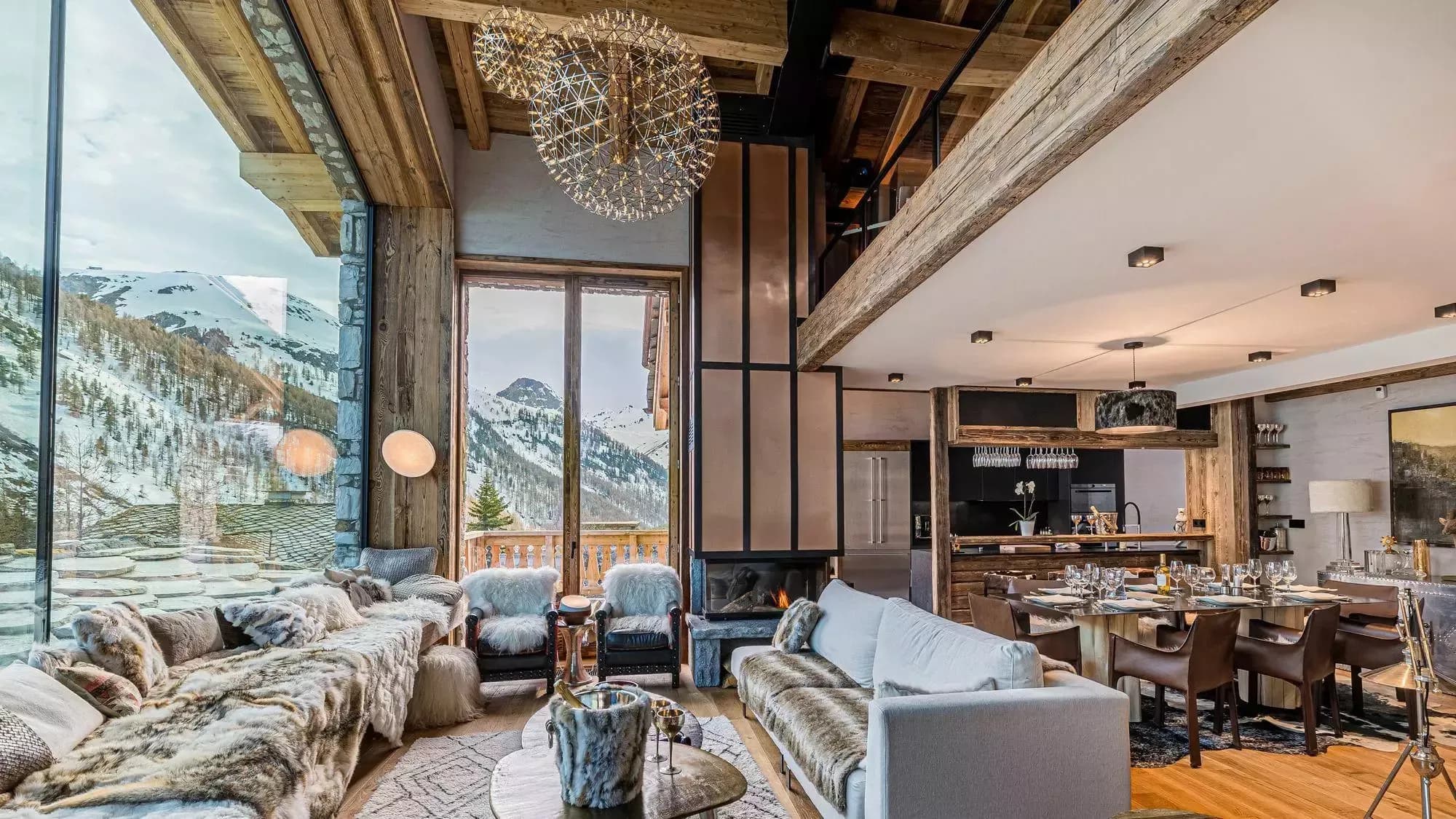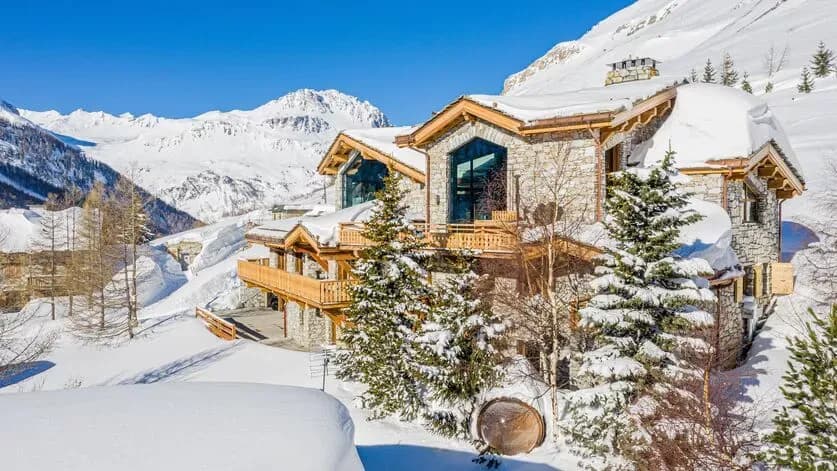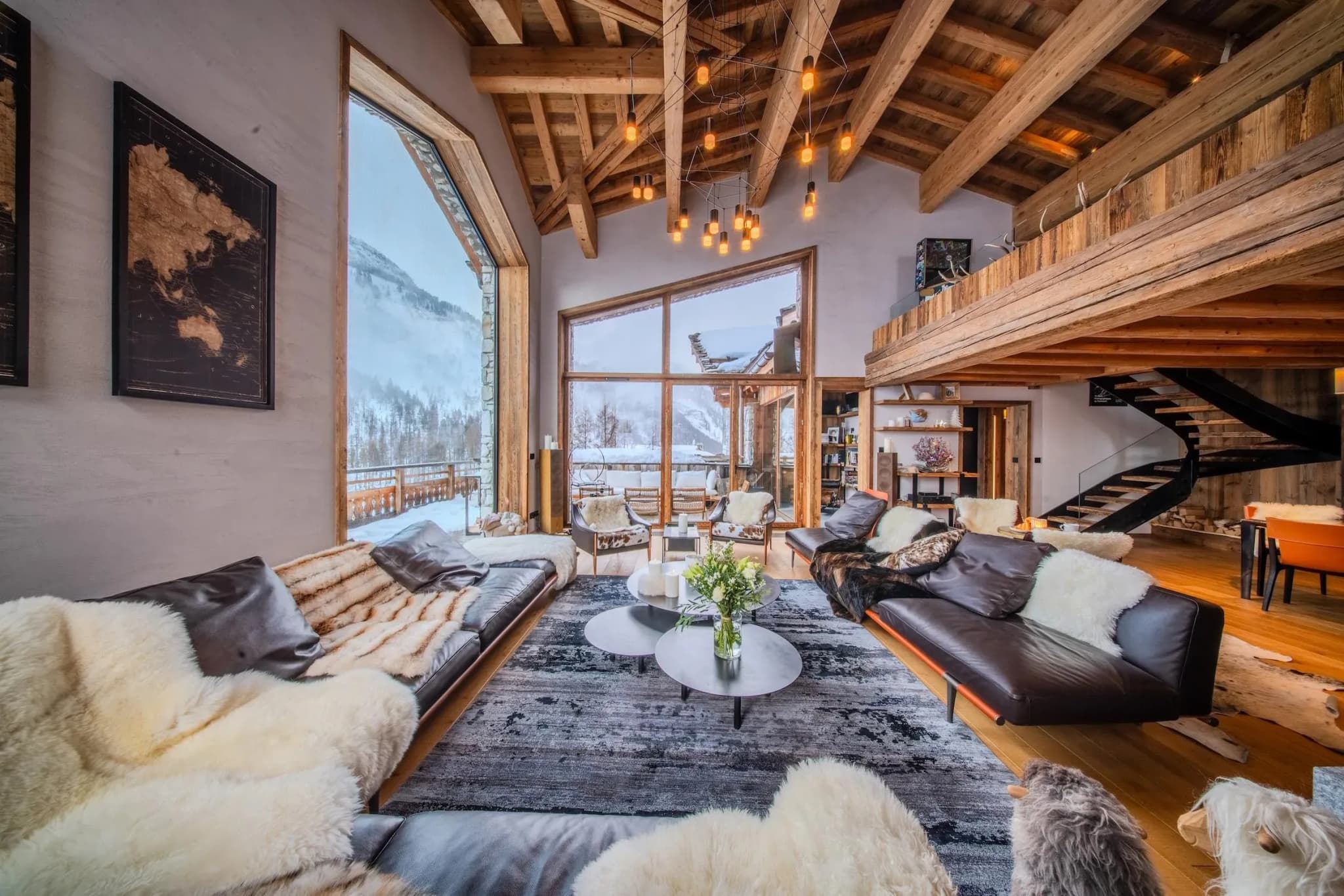
The Skiing
Both resorts deliver world-class skiing in different traditions.
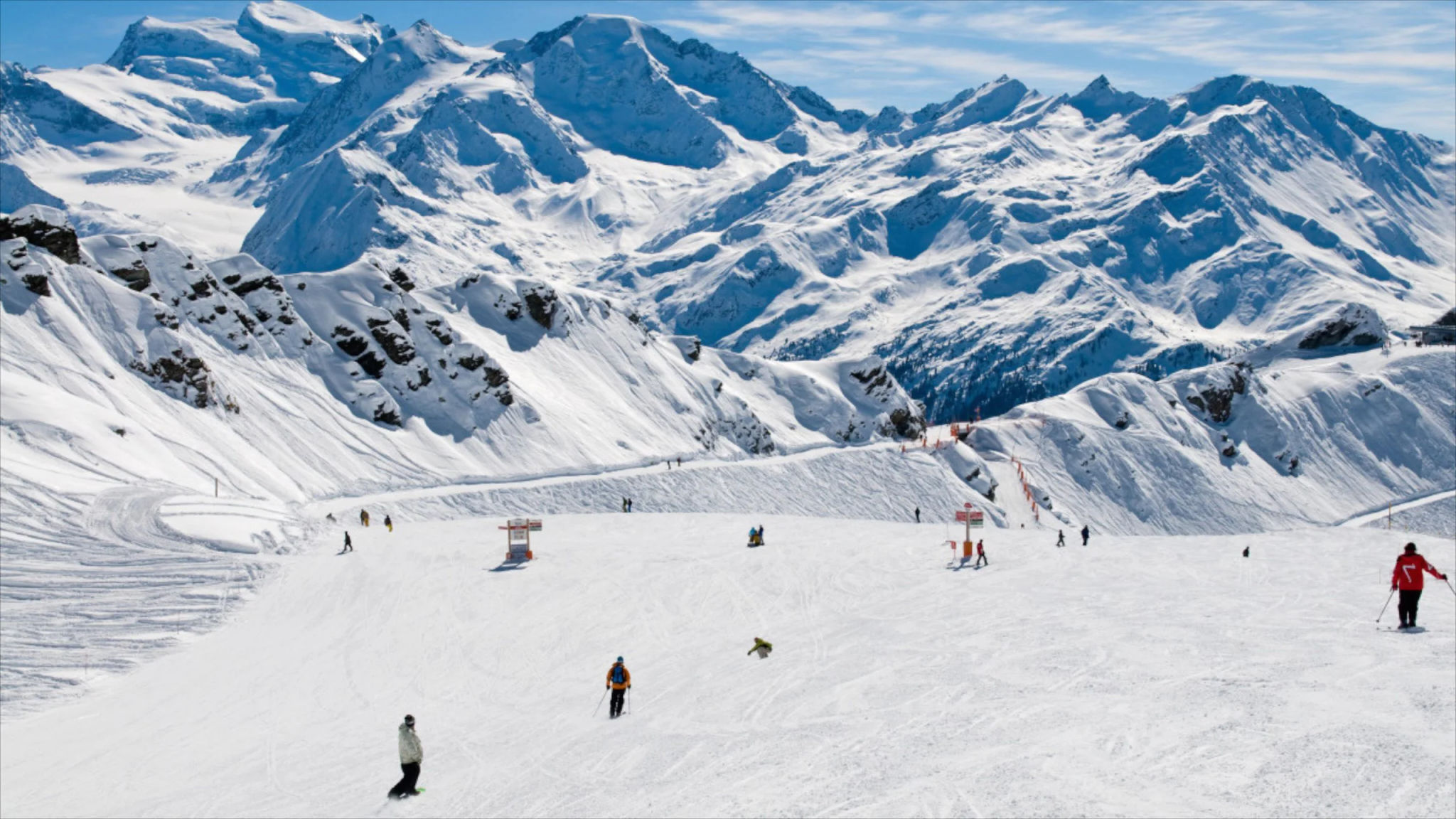
Zermatt's domain spans 360km of pistes on three connected mountains — Sunnegga, Gornergrat, and Klein Matterhorn — with cross-border access into Cervinia in Italy adding another large area for guests on the international pass. It is the standout name in the Swiss Alps. The highest lift reaches 3,883m at Klein Matterhorn, the highest in the Alps, and the Theodul glacier delivers reliable year-round skiing. The terrain mix favours intermediates strongly — Zermatt's beginner and intermediate cruising is exceptional, with long blue and red runs that wind down through breathtaking high-mountain scenery. The expert terrain is good but not where the resort's reputation sits.
Val d'Isère shares the 300km Espace Killy with Tignes. The numbers are smaller than Zermatt's, but the off-piste heritage is more serious — the Bellevarde sector hosted the men's downhill at the 1992 Olympics, and the Tour du Charvet, the Couloir du Pisteur, and the Pissaillas glacier give experts genuine challenge. The on-piste terrain is more democratic and varied than Zermatt's high-mountain cruising, with stronger expert content distributed across the local sectors.
For intermediate cruisers and visual experience, Zermatt's high-altitude scenery is unmatched. For experts who want serious off-piste alongside their on-piste skiing, Val d'Isère is the more demanding mountain.
The Village & Apres-Ski
Both villages have genuine character — but they are character of very different kinds.
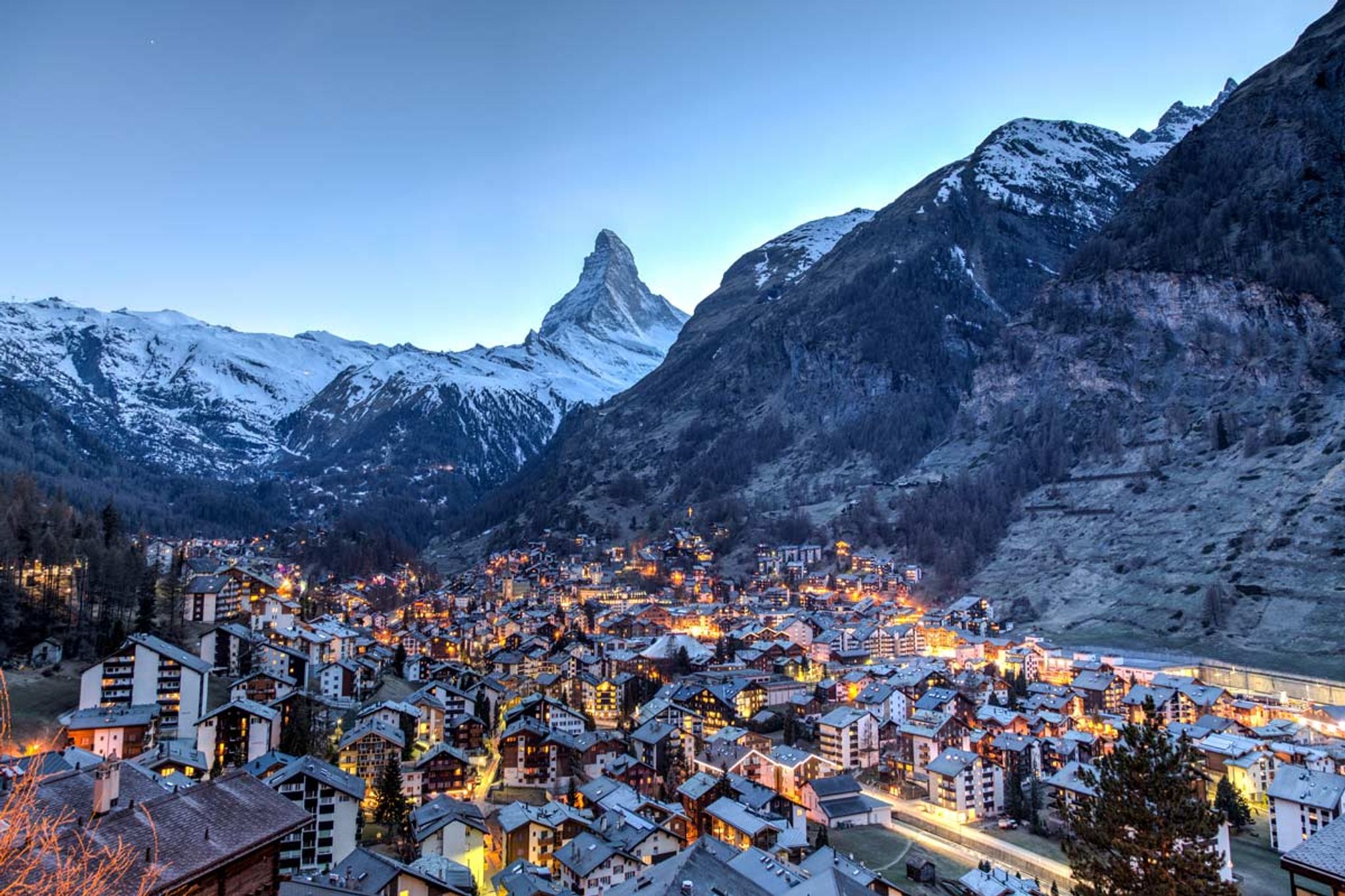
Zermatt is car-free. Electric taxis and horse-drawn carriages move guests through narrow streets lined with timber chalets, and the Matterhorn looms over almost every view from the town. The village has been a destination for over 150 years, and the sense of accumulated heritage is everywhere — the Mont Cervin Palace, the Riffelalp Resort at 2,222m, and a dense scene of long-established mountain restaurants. The market for luxury chalets in Zermatt skews heritage and view. The apres-ski exists but is restrained — Hennu Stall and Cervo Mountain Resort are the better-known names, but the overall vibe is dignified rather than rowdy.
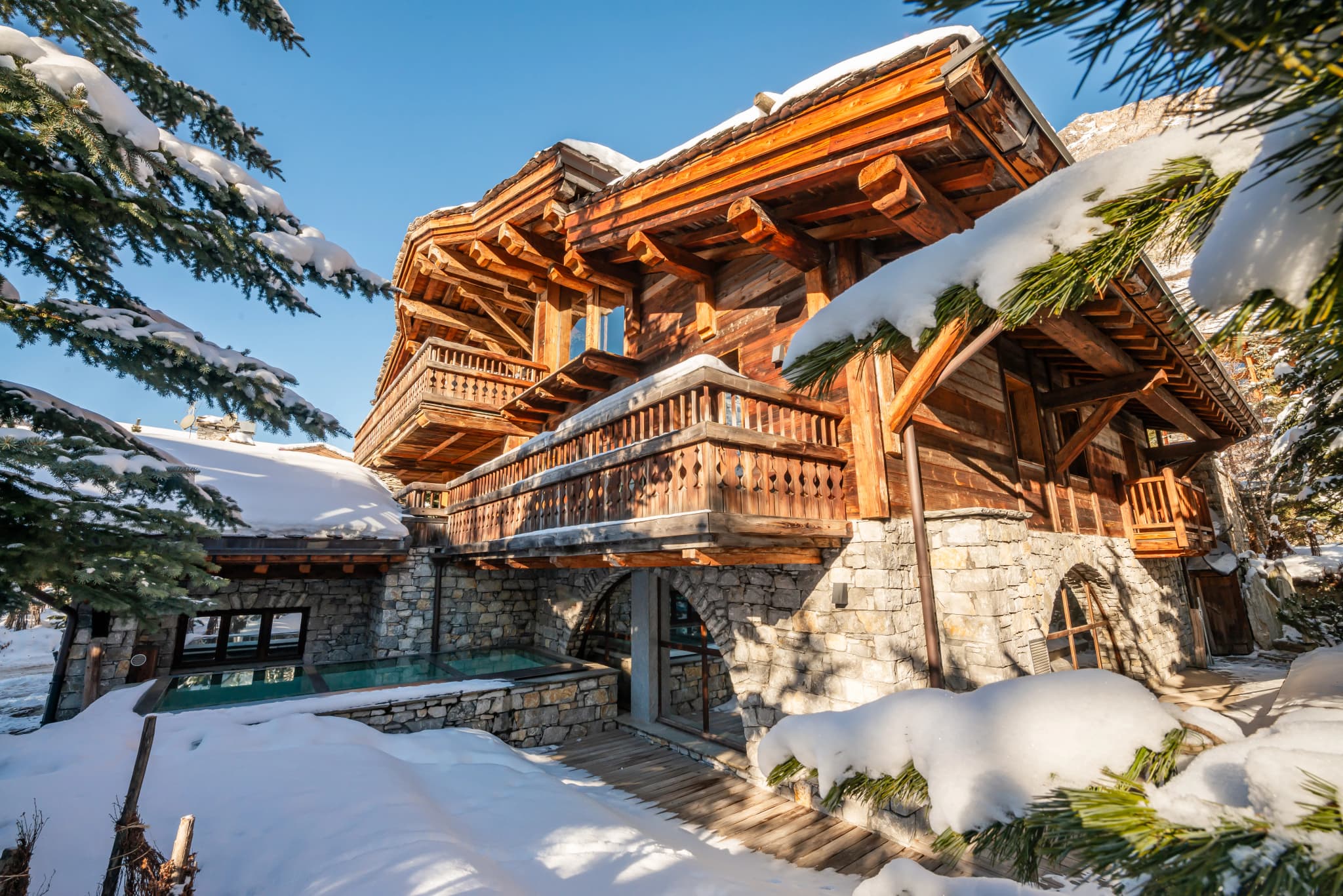
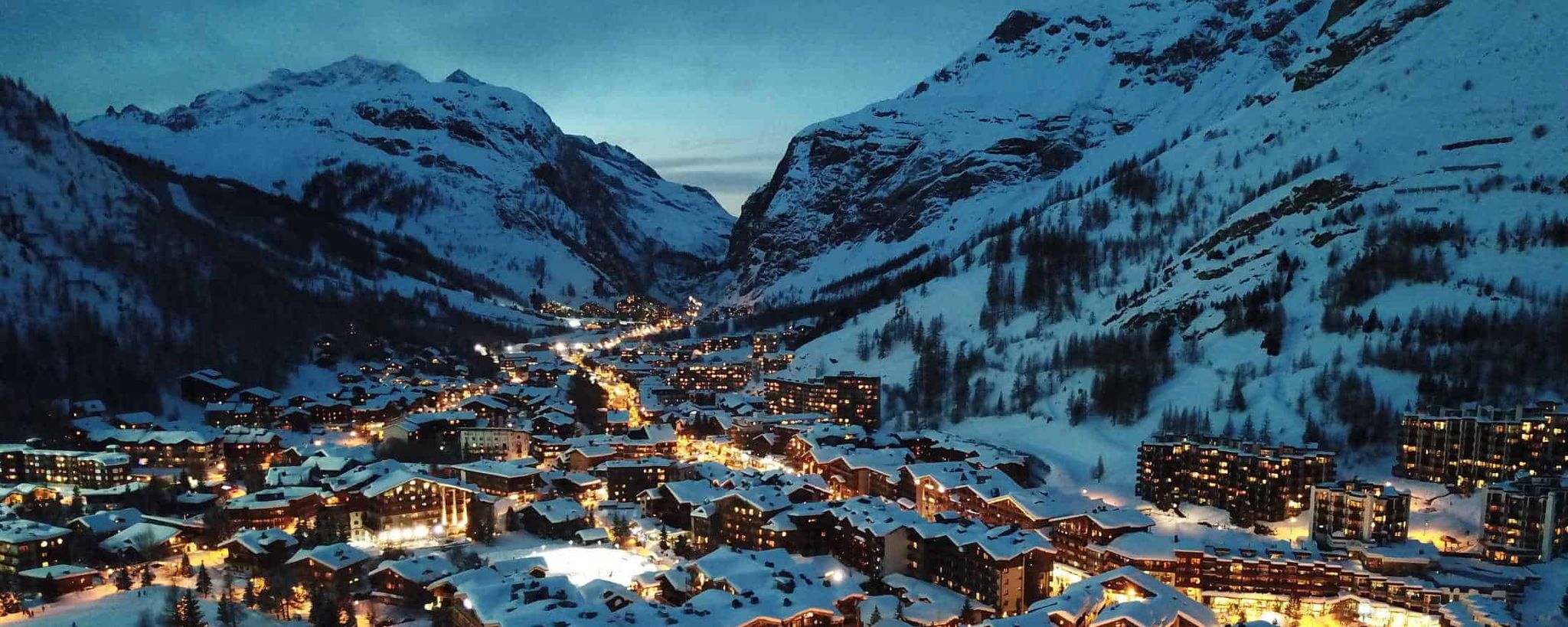
Val d'Isère is a real mountain village turned luxury destination, with a working historic centre around the Saint-Bernard church and the strongest apres-ski scene in the Tarentaise. La Folie Douce was born in Val d'Isère in the 1960s, and the original venue at the top of La Daille still defines the genre. The dining scene includes L'Atelier d'Edmond (Michelin) in Le Fornet and a deep bench of high-end restaurants in the village itself. The architecture is stone-and-timber, the streets are walkable, and luxury chalets in Val d'Isère anchor the high end. The energy is meaningfully livelier than Zermatt's.
If you want refinement and one of the most beautiful village settings in the Alps, Zermatt is unmatched. If you want livelier evenings and serious apres-ski, Val d'Isère wins.
Getting There
Both resorts are roughly 3 hours from their nearest major airport.
Zermatt: Geneva is the standard gateway at approximately 3 hours by combined road and rail. The village is car-free, so guests typically transfer by car or taxi to Täsch (5km below) and complete the journey by frequent shuttle train. Zurich is an alternative airport at around 3h30. The Glacier Express to St. Moritz is the most spectacular onward rail option for multi-resort itineraries.
Val d'Isère: Geneva is around 3 hours by car, with Lyon a similar drive in good conditions. Bourg-Saint-Maurice train station is the closest major rail terminus, with seasonal Eurostar Snow Train service direct from London St Pancras and connecting TGVs from Paris.
For UK travellers, Val d'Isère's Eurostar option is meaningfully more attractive than Zermatt's rail combinations from Geneva.
When to Visit
Both resorts deliver long, reliable seasons but with different peak windows.
Zermatt's car-free character and altitude support a season from late November through early May, with year-round skiing on the Theodul glacier. The Matterhorn views are at their most striking in mid-winter when the sun stays low. February half-term is the busiest period and prices peak across all accommodation tiers.
Val d'Isère's altitude (village base 1,850m, highest lift 3,456m) buys it a long season at both ends — November to early December delivers reliable early-season skiing on Pissaillas, and April skiing remains strong well into late spring. Mid-January to mid-March is the consensus prime window.
For year-round glacier access, Zermatt is unique. For peak chalet conditions in mid-winter, both resorts perform comparably.
The Verdict
Both resorts are top-tier choices for premium ski travellers. The decision comes down to what you want at the centre of the experience.
Choose Zermatt if you want: the Matterhorn as your daily backdrop; the highest skiable terrain in the Alps with year-round glacier access; a car-free historic village with deep heritage and refined evenings; exceptional intermediate cruising on long, scenic pistes. Zermatt is the resort where the setting carries the experience.
Choose Val d'Isère if you want: a more demanding ski mountain with genuine freeride heritage; a stone-and-timber village with the strongest apres-ski in the Tarentaise; better rail connections from London and Paris; livelier evenings with deeper restaurant variety. Val d'Isère is the resort where the village earns its weight alongside the skiing.
The shorthand many advisors use: Zermatt for the view and the village, Val d'Isère for the mountain and the energy.
Frequently Asked Questions
Is Zermatt better than Val d'Isère for beginners?
Zermatt has the edge for beginners thanks to the gentle Sunnegga sector and well-protected nursery slopes at the village level. Val d'Isère's beginner terrain is good but the higher altitude can make first days harder for first-time skiers. For families introducing children to skiing, Zermatt is typically the easier choice.
Which has more challenging skiing — Zermatt or Val d'Isère?
Val d'Isère's off-piste terrain is more committing and the freeride heritage runs deeper. Zermatt has good expert terrain (particularly the Schwarzsee sector and the Triftji bowl) but its reputation rests more on intermediate cruising than expert skiing. For serious off-piste, Val d'Isère is the stronger choice.
Can you ski into Italy from Val d'Isère?
No, Val d'Isère's terrain is contained within the Espace Killy. Cross-border skiing into Italy is a Zermatt privilege — the international pass connects directly to the Cervinia ski area in the Aosta Valley.
Which has better luxury accommodation?
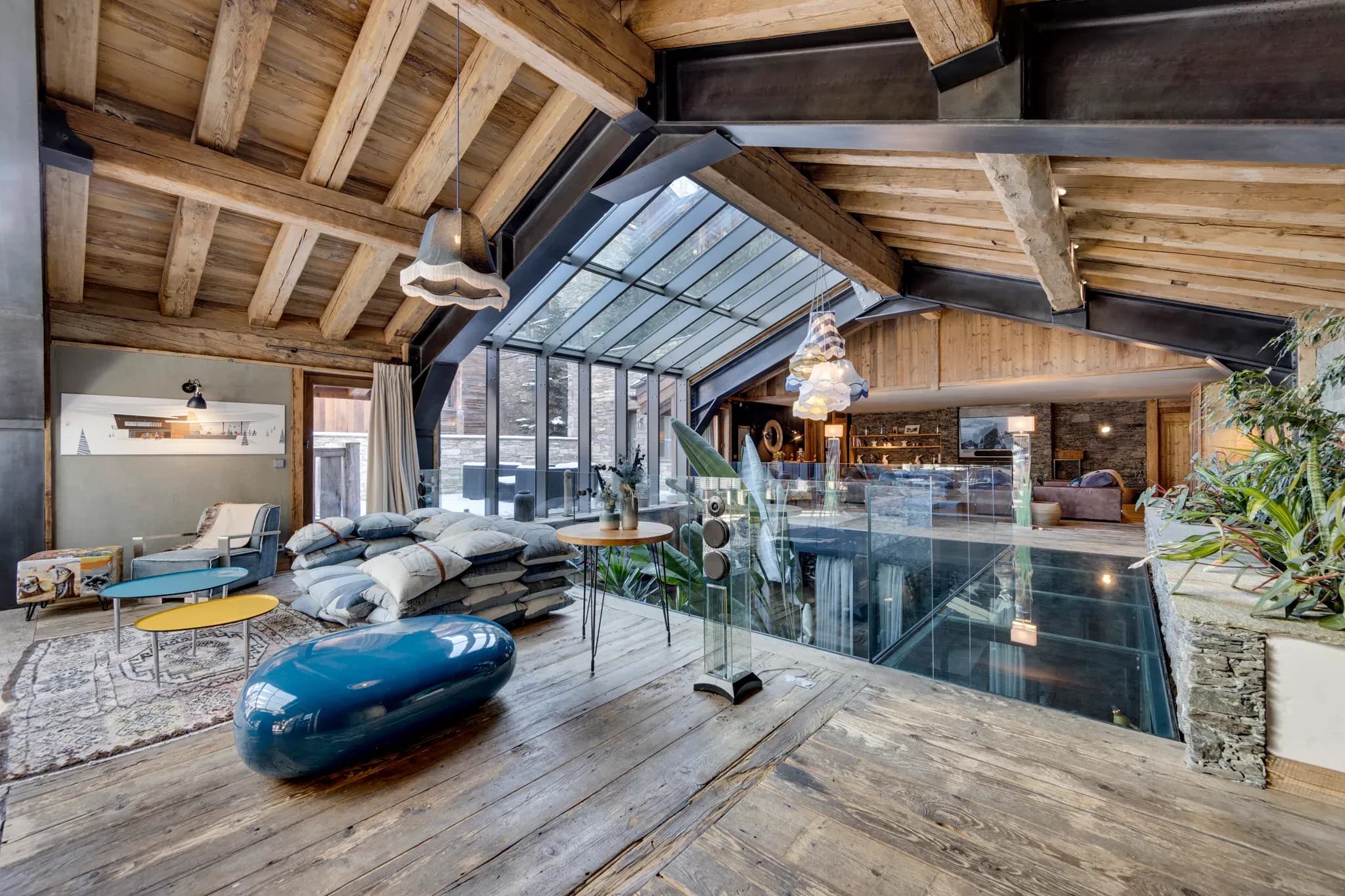
Both resorts have strong luxury inventory at the top end. Zermatt's bench includes the Mont Cervin Palace, the Riffelalp Resort, and large traditional chalets. Val d'Isère's inventory leans more toward independent luxury chalets, with depth in the £100,000-£500,000 weekly range. The character of the luxury differs — Zermatt is heritage and view, Val d'Isère is freestanding chalet privacy.
Is Zermatt more expensive than Val d'Isère?
At the top end of the chalet market, pricing is broadly comparable. Zermatt's hotel prices skew higher than Val d'Isère's at equivalent star ratings, partly because the car-free logistics and limited land supply constrain inventory. For independent chalet rentals, Val d'Isère often offers slightly better value at the £100,000-£250,000 range.